
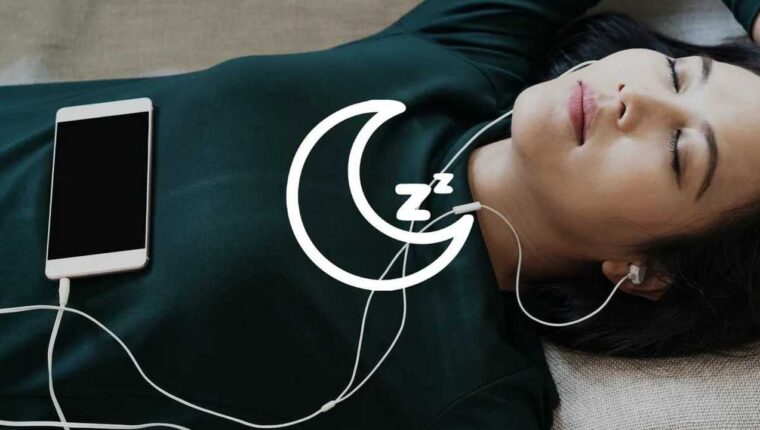
It is understandable that parents often exaggerate when telling children about potential health problems caused by gadget use. But the risk of hearing loss due to loud music is far from a myth. Just look at people over 40 who work in factories or airfields. At sound levels above 100 dB, hearing function is impaired. Even a one-time exceedance affects the auditory organs. And what happens to the eardrum when it is exposed to loud sounds daily?
“Safe Listening” Policy – a New Development in the World of Gadgets
According to the WHO (World Health Organization), approximately 400 million people worldwide over the age of 40 already have hearing problems. Studies have shown that common headphones are the source of disability. It has been established that at medium volume, closed-type headphones and in-ear inserts emit 102-108 dB. At maximum volume – 112 dB and above. For adults, normal volume is considered up to 80 dB, and for children – up to 75 dB.

In total, 35 studies were conducted by scientists in different countries around the world. They involved 20,000 people aged 12 to 35 years. Besides listening to music on headphones, the participants visited entertainment venues where loud music was played, including dance clubs. Each participant, to some extent, suffered damage to their auditory organs.
Based on these studies, scientists have approached the WHO with a recommendation to introduce a “safe listening” policy. It involves limiting the power of headphones. Naturally, this is primarily aimed at manufacturers.
According to IT technology experts, such a measure is unlikely to gain support among authorities or manufacturers. This is because it affects several financial interests simultaneously:
- Reducing the attractiveness of the product due to lowered power.
- Costs associated with organizing laboratories to verify headphone specifications.
- Loss of revenue for medical institutions (doctors and hearing aid manufacturers).

It turns out that “saving the drowning is the work of the drowning themselves.” That is, each person must understand the consequences of the current situation and take measures independently. But teenagers are unlikely to listen to music at low volume. And parental advice is effective only in adulthood, when these problems have already arisen. Thus, we come to the source of parents’ exaggeration of problems, who try to educate their children.