
Urea is a chemical compound based on nitrogen, used in industry. In organic chemistry, it has other names: carbonamide or carbamide. Urea is a mineral fertilizer used in agriculture. Colorless crystals without smell (well soluble in water) – the final product of protein synthesis. In crop production, the value of urea lies in its high nitrogen content – 45%.
What is Urea: Benefits and Harm
The value of urea lies in its affordability, ease of use, and excellent yield indicators. Compared to other mineral fertilizers, the compound is non-toxic due to the complete absence of chlorine. In application, urea has no restrictions:
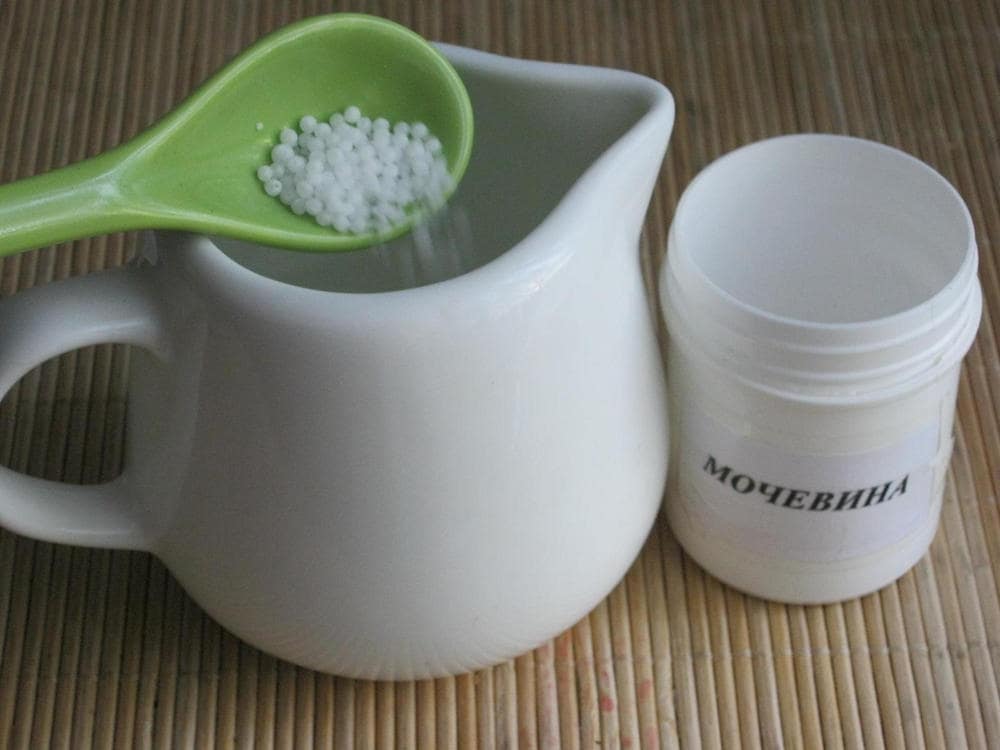
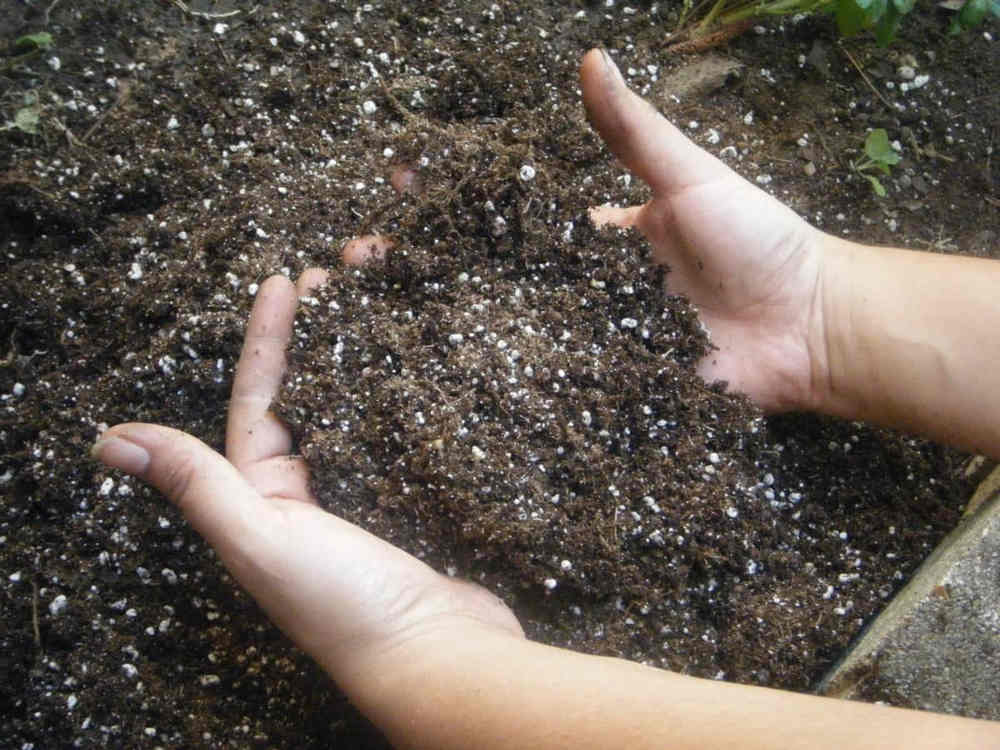
- Pre-sowing soil fertilization after winter “rest.” Mineral fertilizer is applied during soil tillage in early spring. Excess ammonia evaporates into the open air, and the soil is enriched with nutrients vital for microorganism development.
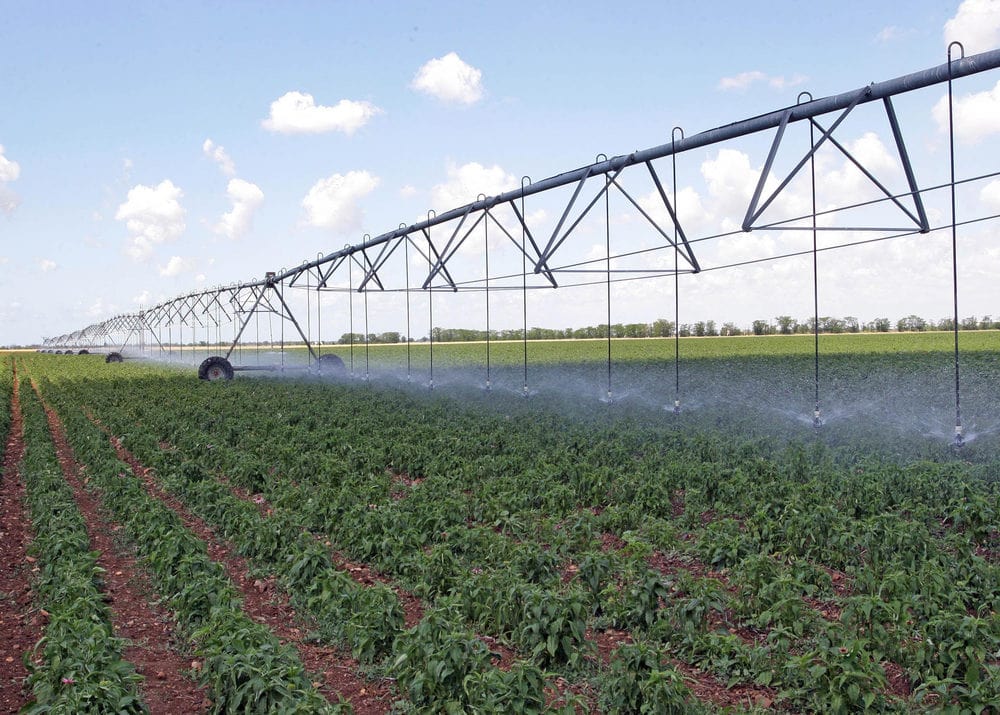
- Vegetative feeding. Used only with artificial watering of the soil. Urea is mixed with water and sprayed over the fields.
Urea is an oxidizer, which means that when introduced into the soil, its chemical composition shifts the soil pH towards acidity. Organic fertilizer producers, promoting their expensive products, rely on this factor. In reality, this is not critical. Restoring pH, for example with limestone (alkali), will solve the problem for the farmer. Overall, urea, limestone, and diesel fuel used together in the fields will still be much cheaper than organic options.
Applying mineral fertilizers is often associated with harm to the plants grown for the human body. But this does not apply to urea. The product always remains harmless to humans – in its raw form or in the final product. In fact, most organic products are more harmful than urea.
Understanding what urea is, a farmer will inevitably draw conclusions and make their own decision. Advertising, which is abundant on the covers of agricultural magazines and in the media, aims to “push” a popular product. Sellers of expensive fertilizers do not want people to use affordable fertilizers. Hence, hundreds of negative reviews about urea.

In general, urea is an ideal solution for gardens, vegetable plots, and business. For any agricultural needs. Monitor soil pH and properly calculate dosages (recommended by manufacturers on the packaging). And by the way, never mix urea with seeds during planting – otherwise, the plant will die in the embryo (burn out).
![[Exclusive] Noise Master Series: Review of flagship headphones](https://teranews.net/wp-content/uploads/2025/09/frame_19522-360x220.webp "[Exclusive] Noise Master Series: Review of flagship headphones")