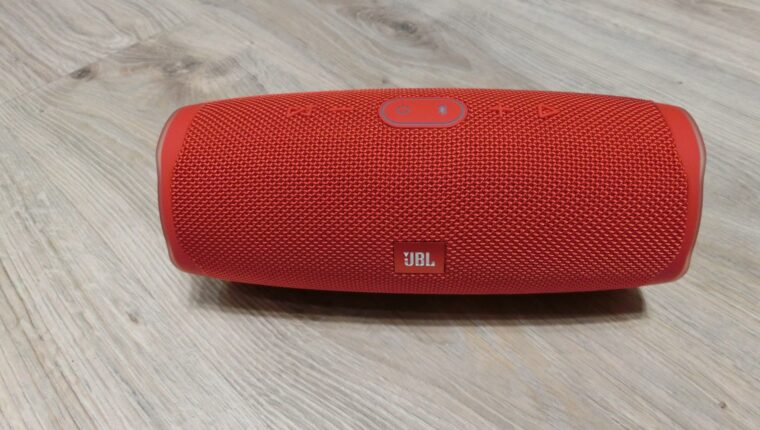
The first thought about buying a wireless speaker came to mind at the very beginning of summer. Frequent trips by bicycle out of town always wanted to be somehow decorated. The same company, with conversations about hobbies and work, practically demanded adding sound design. The second thought was more effective. Cooking delicious and beautiful food in the kitchen, and even to music – the JBL Charge 4 wireless speaker is just perfect for these purposes. Previously, a Sony BoomBox was used, which instantly burned out when turned on (not repairable).

Why is it better to buy JBL Charge 4
The selection criteria were few, but the price of a portable speaker was a high priority. If all criteria are combined and the cost is considered, then JBL Charge 4 is the golden mean among all criteria:
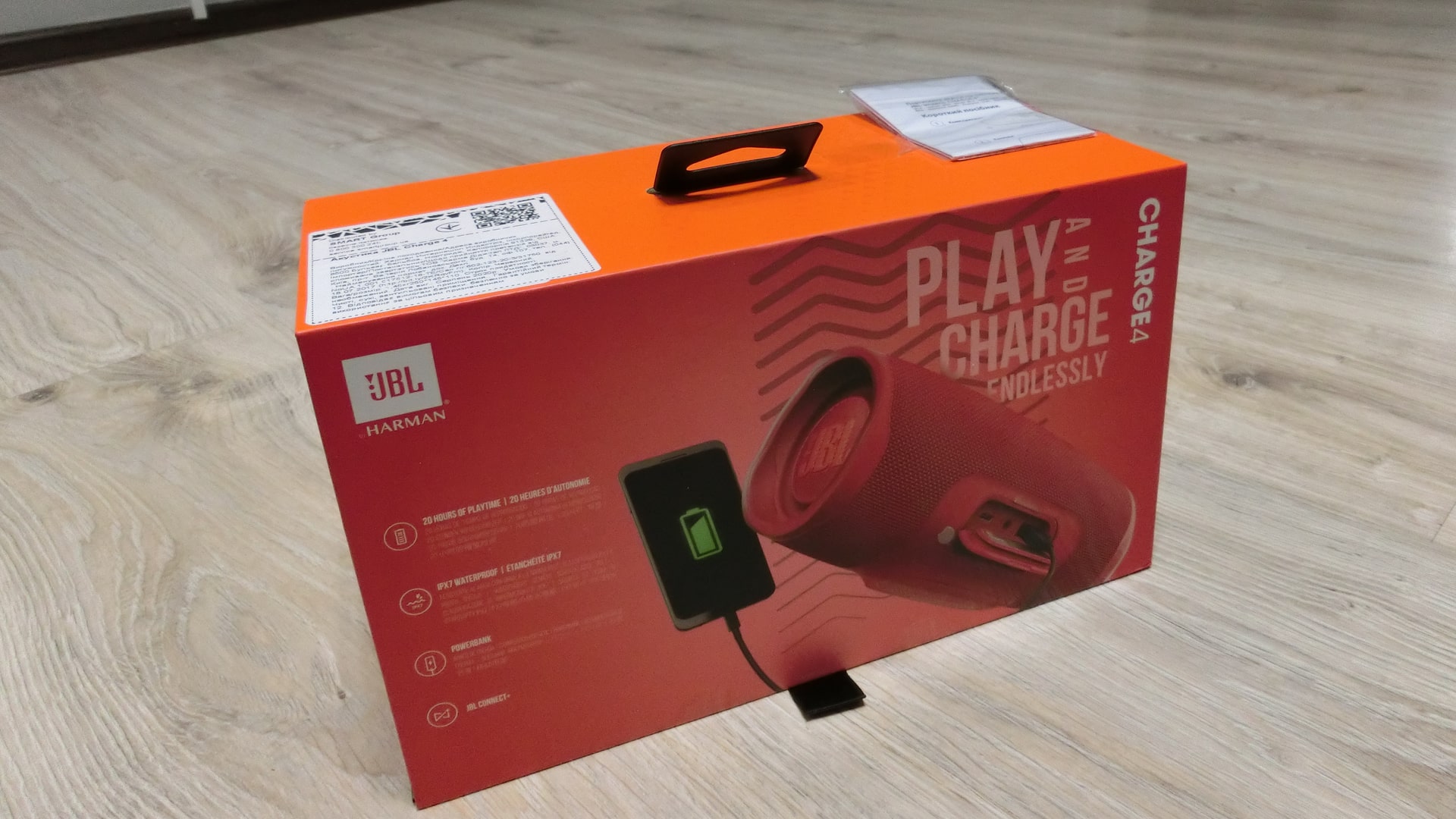
- Power and autonomy. These two parameters should be inseparable when it comes to mobility. It’s better not to look into numbers – each model has its own battery performance indicator (8-20 hours). Considering that a maximum of one daylight period will be spent away from civilization, there is no point in looking at acoustics with a runtime of more than 10 hours. It’s better if the speakers are more powerful and also produce frequencies well at high volume.
- Convenience and functionality. You always want a gadget that supports all known technologies. But it’s not a fact that the owner of the speaker will use them. Initially, it was planned to buy the portable JBL Link Music speaker, as it supports DLNA and voice control. But by chance, during a store visit, the seller turned on Link, Charge 4, and Xtreme. The speaker with DLNA was immediately blacklisted for sound quality. Medals, certificates, and flowers can be gifted to Xtreme. And it was necessary to buy Charge 4 because it is affordable, loud, and plays well.
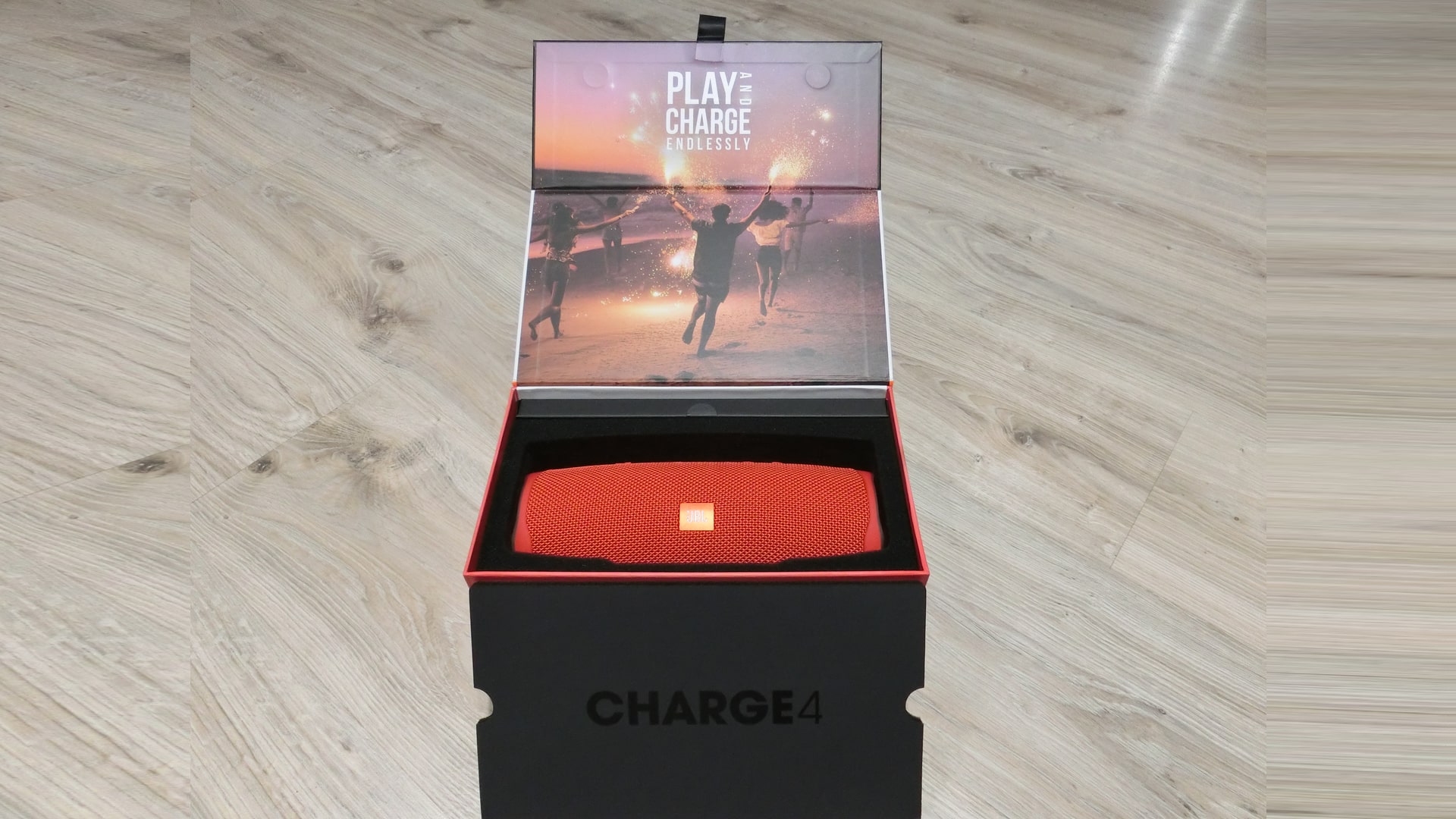
Portable speaker JBL Charge 4: specifications
| Power | 30 W (2×15) |
| Frequency range/noise signal | 60-20000 Hz, 80 dB, 1 band, 2 channels |
| Connection interface to player | Bluetooth and mini-jack 3.5 mm |
| Bluetooth version: | 4.2 |
| Player controls | Volume (increase-decrease), play and pause |
| Body protection standard | IPX7 – protection against temporary immersion in water |
| FM/internet radio | No other communications |
| LED backlight | No, but buttons are illuminated in working mode |
| Built-in microphone | No |
| Suspension loop | No, but you can buy such a bag |
| Mobile device charging | Yes, USB 2.0 output |
| Built-in battery | 7500 mAh |
| Declared autonomy time | Up to 20 hours at 50% volume |
| Body material | Plastic, fabric, rubber stoppers |
| Dimensions | 220x95x93 mm |
| Weight | 960 grams |
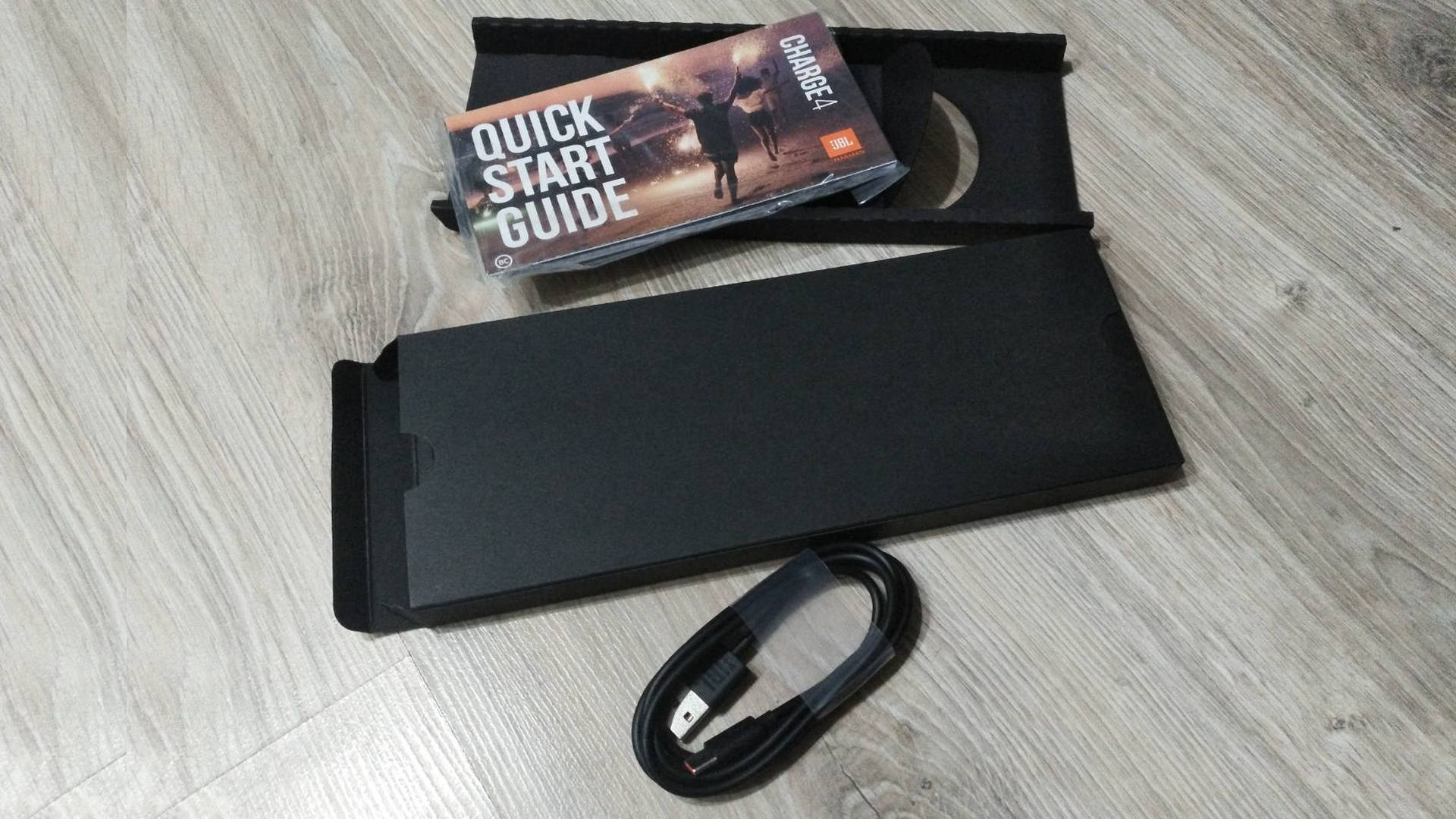
| Package contents | USB-C cable (proprietary) |
| TWS (wireless stereo) | Yes, with a button on the body for synchronization |
| Operation from the network | Yes (simultaneous battery charging) |
| Price | $120-150 |
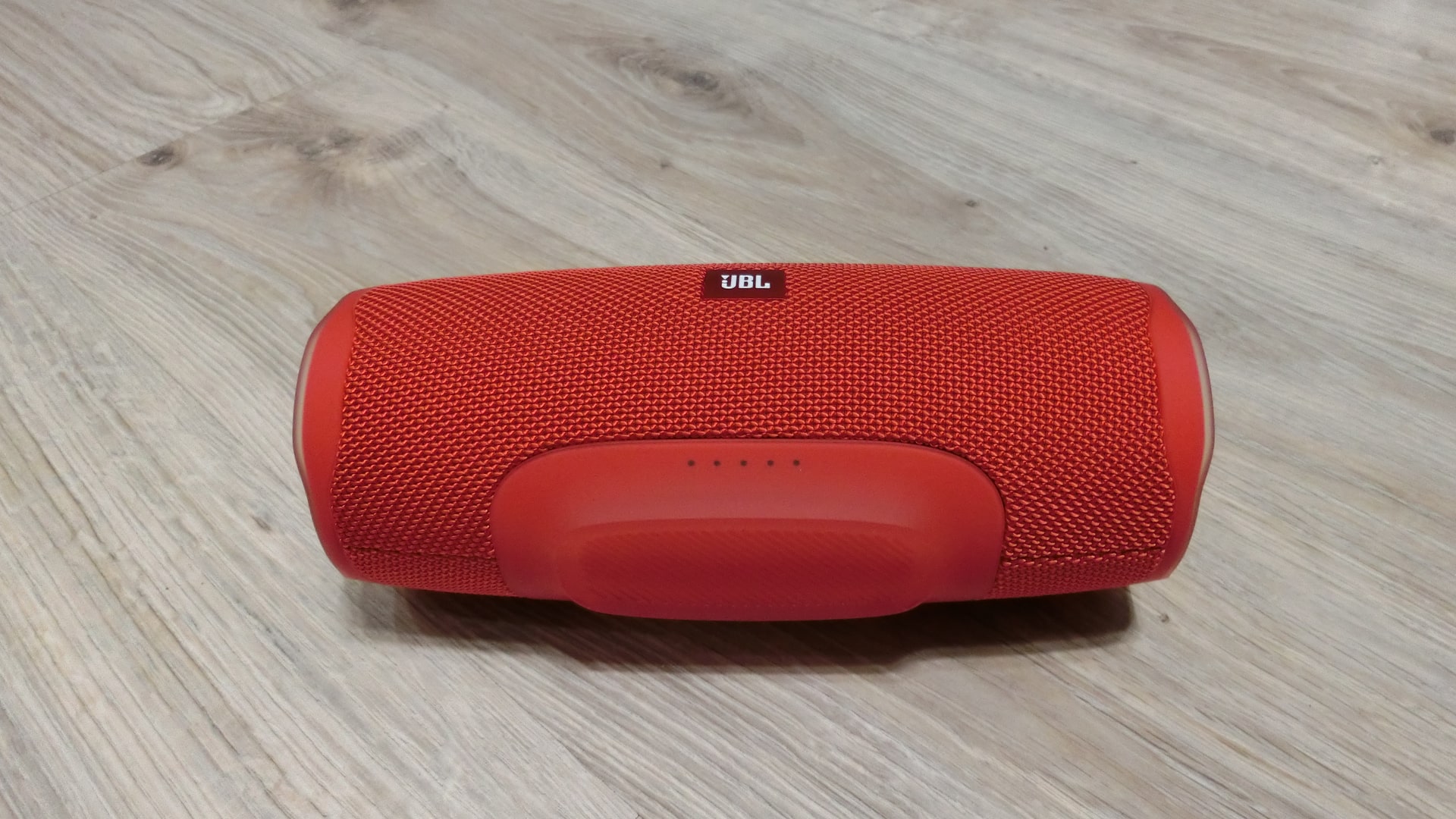
General impressions of JBL Charge 4
Honestly, placing a hand on my heart and saying that the portable JBL Charge 4 is the best solution, cannot. The gadget has its drawbacks. For example, it cannot do this, but still, the sound quality does not reach Hi-Fi. We compared it with a home theater. But a 5.1 home theater cannot be taken to nature and cannot be transferred from another room in the kitchen. Undoubtedly, JBL Charge 4 sounds better than any smartphone speaker. In terms of quality, the portable JBL speaker plays better than all representatives of Chinese brands (H08, Economic, Fanco, Nubwo, NudeAudio, Nomi, and similar tech wonders).
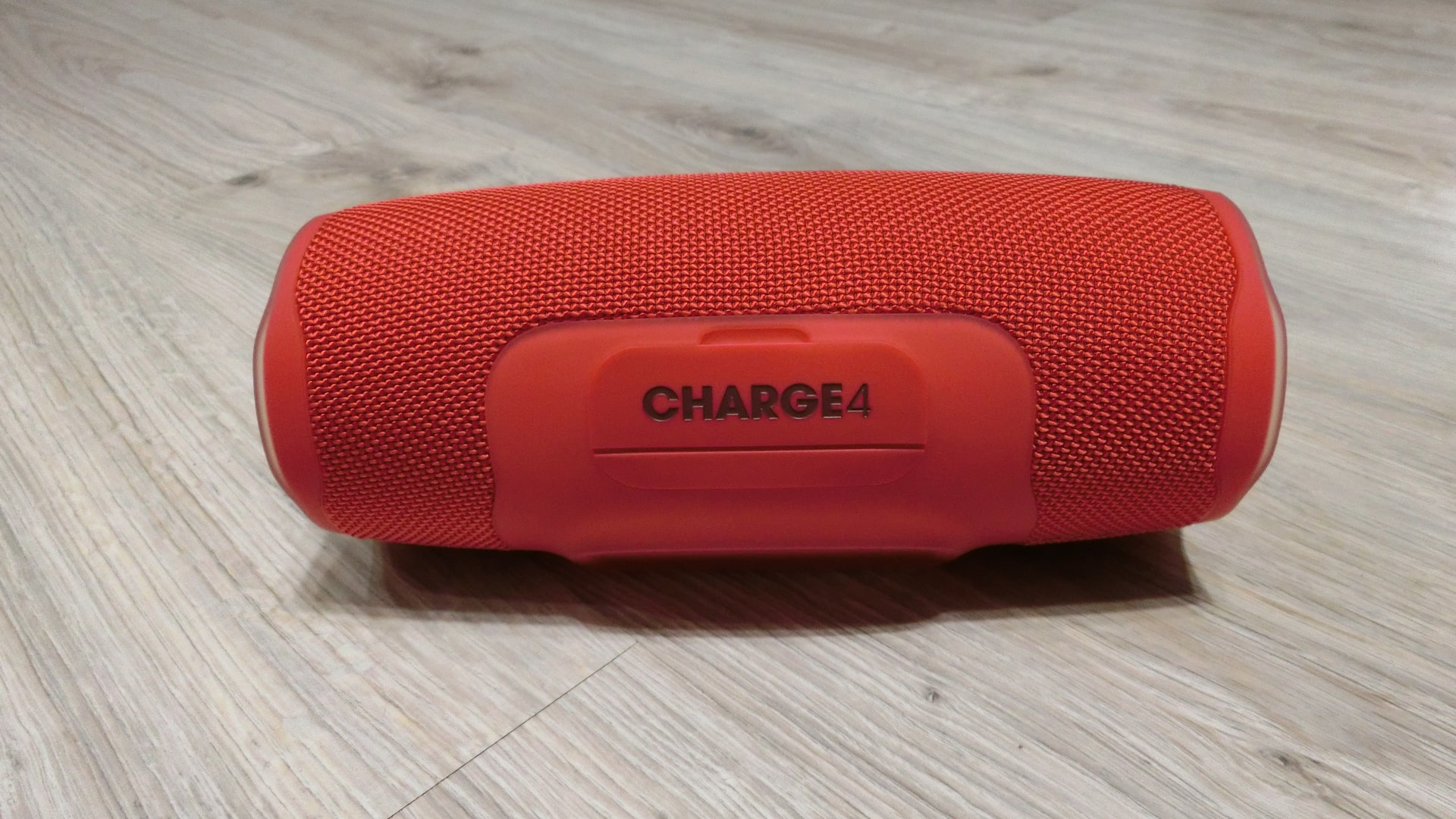
If you want portability and high-quality sound, it’s better to buy JBL Xtreme – a system with two speakers playing louder. It’s both quality and volume. But the price – almost twice as high, stops you. Overall, a portable speaker is like an adult toy that you should turn on and listen to before buying.