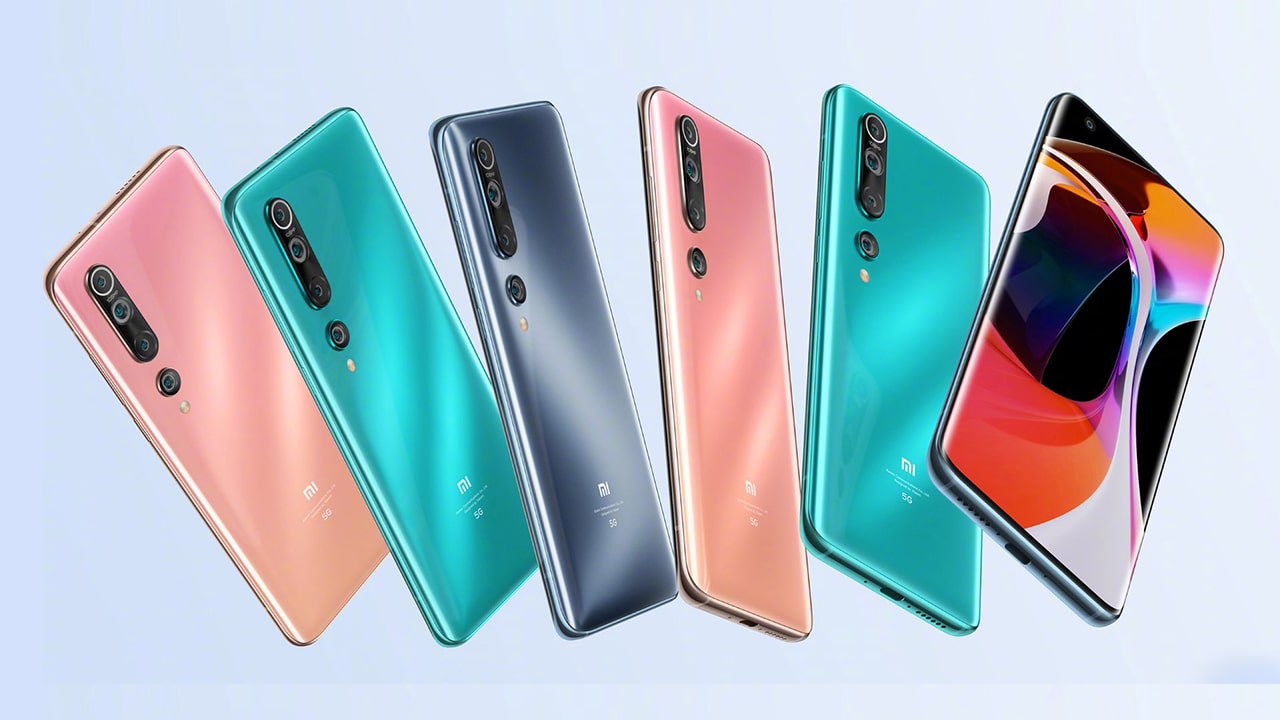
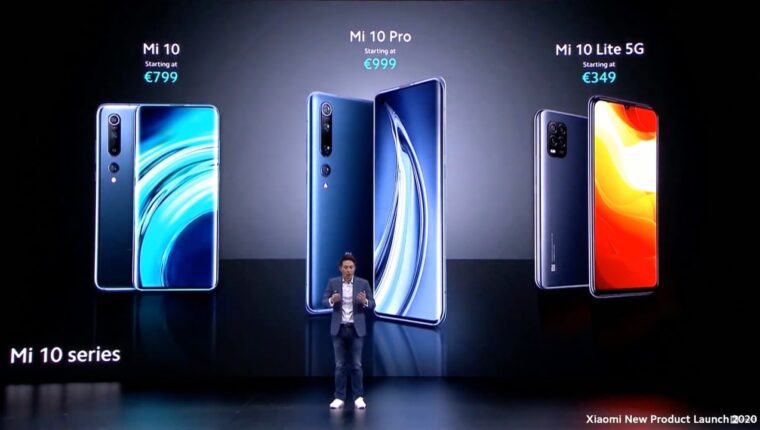
US sanctions against the Chinese brand Huawei positively influence the development of Xiaomi Corporation. After all, only these two giants of Chinese industry (Huawei and Xiaomi) produce technologically advanced mobile devices. Yes, there is also Lenovo, but a representative of the budget sector is far from the market leaders in technology and innovation. The Xiaomi Mi 10 and Mi 10 Pro smartphones, released in early 2020, demonstrated to the world that the Chinese can make great equipment.
Xiaomi Mi 10 and Mi 10 Pro: What’s the Difference
The Chinese like to talk, or rather, to detail on their websites and in online stores, how much the phones differ from each other. But if you get to the essence, it turns out they are the same smartphone. The Pro suffix indicates the presence of wireless charging and 5G network support. Additionally, there are minor differences in camera modules, which do not significantly affect photo quality. By the way, the Pro version does not have a memory card slot, while the standard Mi 10 does. You will have to pay an extra $200 for this difference. Not a very pleasant bonus.
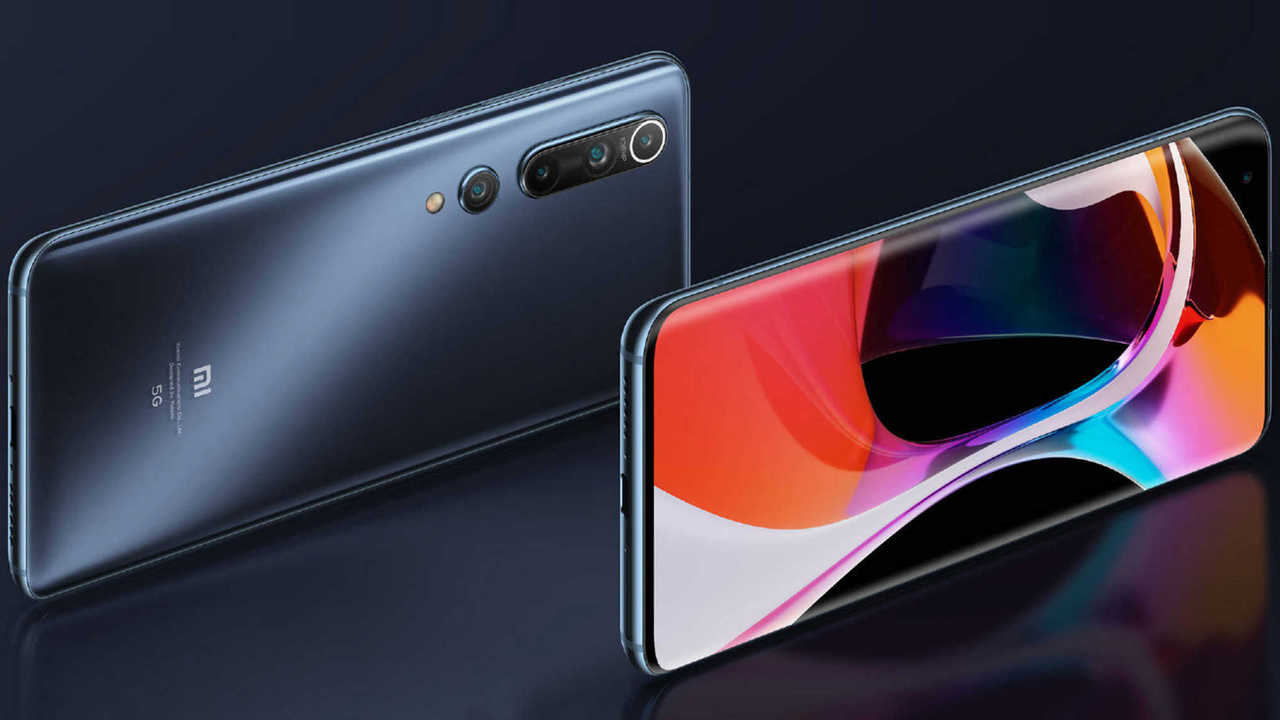
Technical Specifications of Xiaomi Mi 10 Series Smartphones
| Operating System | Android 10 |
| Processor | Qualcomm SM8250 Snapdragon 865. 1x Kryo 585 @ 2.84 GHz, 3x Kryo 585 @ 2.42 GHz, 4x Kryo 585 @ 1.8 GHz |
| Graphics Adapter | Adreno 650 |
| RAM | 8 GB |
| Internal Storage | 256 GB |
| Screen Diagonal | 6.67 inches |
| Display Resolution | 2340×1080 |
| Matrix Type | AMOLED |
| PPI | 386 |
| Display Protection | Corning Gorilla Glass 5 |
| Wi-Fi | 802.11a/b/g/n/ac/ax |
| Bluetooth | 5.1 |
| GPS | A-GPS, GLONASS, BeiDou, Galileo, QZSS |
| IrDA | Yes |
| FM Radio | Yes |
| 3.5mm Audio Jack | No |
| NFC | Yes |
| Power Interface | USB Type-C |
| Dimensions | 162.5 x 74.8 x 8.96 mm |
| Weight | 208 grams |
| Body Protection | None |
| Body Material | Glass and aluminum |
| Fingerprint Scanner | Yes, on the screen |
First Impressions: Design and Comfort
According to reviews from potential buyers, the main issue with the Mi 10 series smartphones is the screen diagonal. Still 6.67 inches. Definitely a phablet. But! One thing is to imagine this size, and quite another is to hold Xiaomi Mi 10 and Mi 10 Pro phones in your hands. In reality, the devices are significantly smaller in physical size than their 6-inch competitors’ counterparts. We also initially expected to see a tablet instead of a phone. And we were very surprised by the device’s dimensions. The smartphones have virtually no bezels. The entire front panel is a single large display.
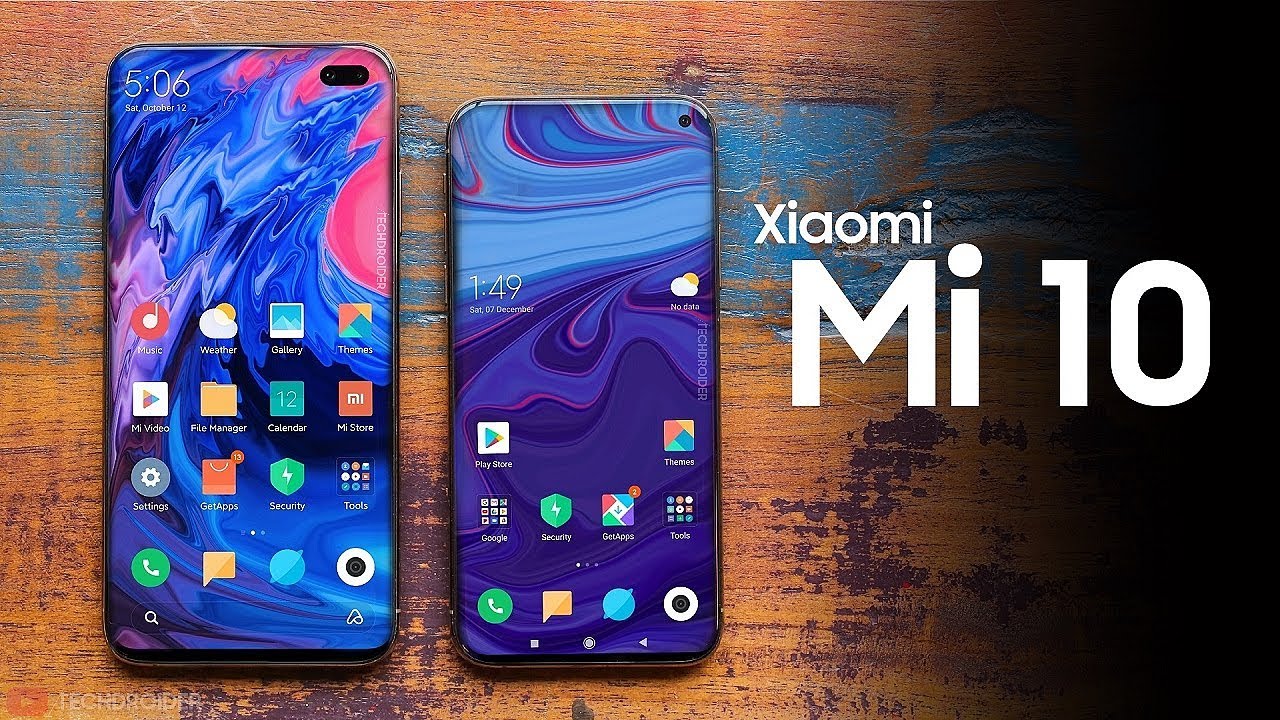
Visually, the phone is attractive if you do not use a bumper or protective cases. On one hand, an elegant phone without accessories can be easily damaged. On the other hand, with a plastic bumper, for example, Xiaomi Mi 10 and Mi 10 Pro smartphones turn into ugly objects. The phone was made beautiful but did not account for the use with accessories. An unpleasant feeling. Even with a transparent bumper, the 2020 technology looks like a phone from 10 years ago.
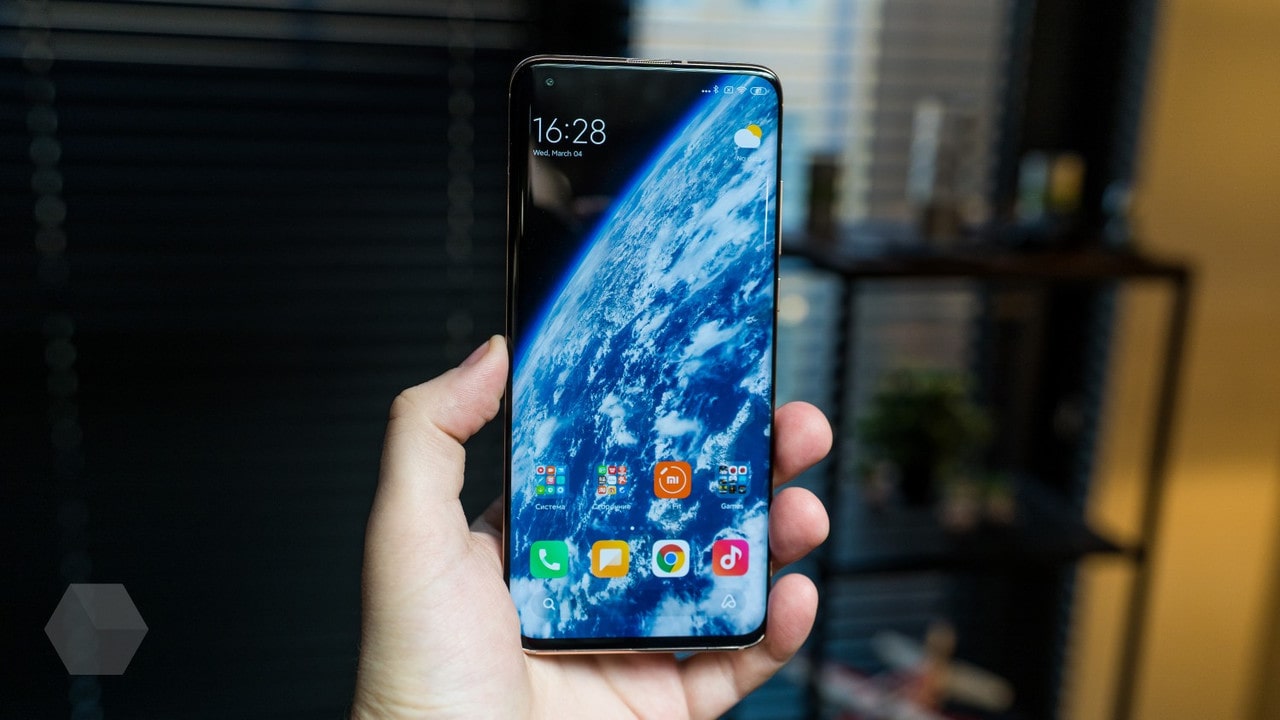
In terms of usability, Xiaomi brand products have never raised questions. It is a truly time-tested brand that knows how to make quality smartphones. You quickly get used to the MIUI interface. And then, when you pick up a phone from another manufacturer, the standard Android menu feels incomplete. Xiaomi Mi 10 and Mi 10 Pro smartphones meet all user expectations regarding convenience.
Advantages and Disadvantages of the New Xiaomi 10 Series
We are not supporters of conducting photoshoots to test cameras in phones. No matter how advanced the technology the manufacturer packs into a smartphone, the size of the sensor remains insignificantly small. Talking about image quality is sacrilegious. We are more interested in other specifications:
- Color reproduction of the screen under different lighting conditions. It is pleasing that the manufacturer chose AMOLED. In any conditions, the phone’s display produces a high-quality picture. And this is pleasing. The color reproduction is as accurate as possible, the image is lively and real.
- Communications. GSM connection works flawlessly. During a call, there are no extraneous noises or unclear sounds. The voice is not distorted. It is evident that noise filtering modules are present, as conversations are clearly audible even in strong wind outdoors. Calls and music playback through the speakers are of very high quality – after all, a stereo system. Internet connection also works well. Wi-Fi and 4G signals hold the smartphones excellently. The only thing not tested is 5G, which currently only operates in China.
- Battery life. With 4G and Wi-Fi modules turned on, for calls, the battery lasts for two days. If you enable dark mode, you can extend this period by another 8-12 hours. Under load (videos and games), Xiaomi Mi 10 and Mi 10 Pro smartphones last about 10 hours continuously. By the way, with intensive use, the phones heat up noticeably.
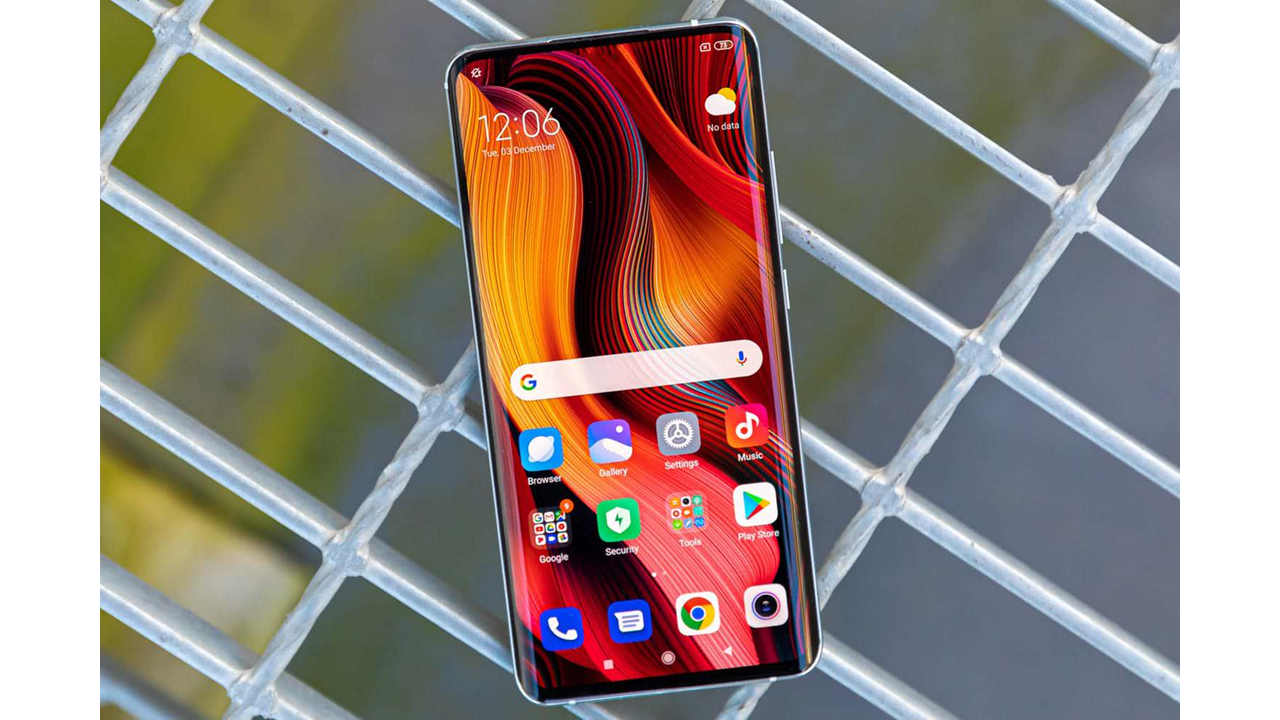
If we talk about disadvantages, there are questions for the manufacturer, who releases updates for their smartphones too often. During one week of testing, three updates arrived. Two of them partially changed the interface. Personal information was not lost, but usability issues arose. It’s unpleasant when you get used to the interface and icon layout, and then suddenly everything changes. Hopefully, Xiaomi will stop these spam updates.