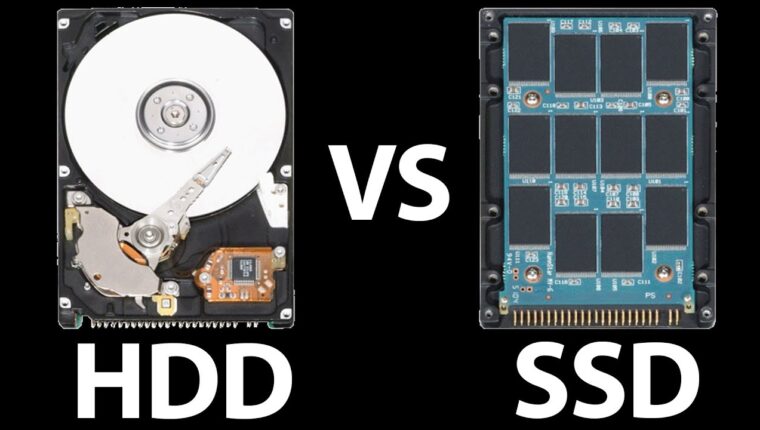
The battle of HDD vs SSD is compared to the fight between Intel and AMD, or GeForce and Radeon. This judgment is incorrect. Storage devices have different technologies and vary significantly from each other. The choice directly depends on the method of use. And current statements by SSD manufacturers about the end of the HDD era are a marketing ploy. It’s business. Moreover, expensive and ruthless.
HDD vs SSD: What’s the Difference
HDD is a hard disk that operates on the principle of electromagnetism. Inside the device, there are metal plates onto which a charge is applied by a special electronic device. The feature of a hard disk is that the plates (platters) have a huge durability reserve. The lifespan of an HDD depends only on the electronics. The controller, which processes information and manages the read/write head for the platters, is responsible for operation. In fact, if the manufacturer has taken care of the quality of the electronics, a hard disk can last over 10 years. And importantly, for an actively used drive, each cell can be rewritten an infinite number of times.
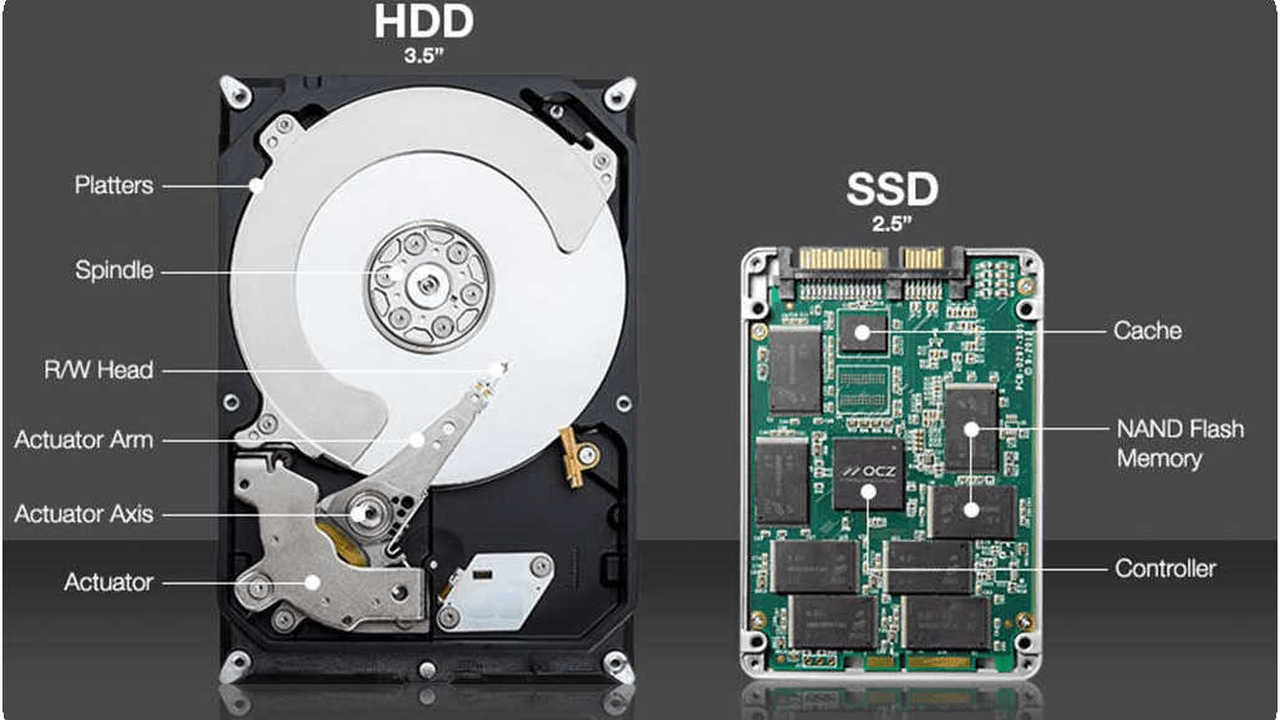
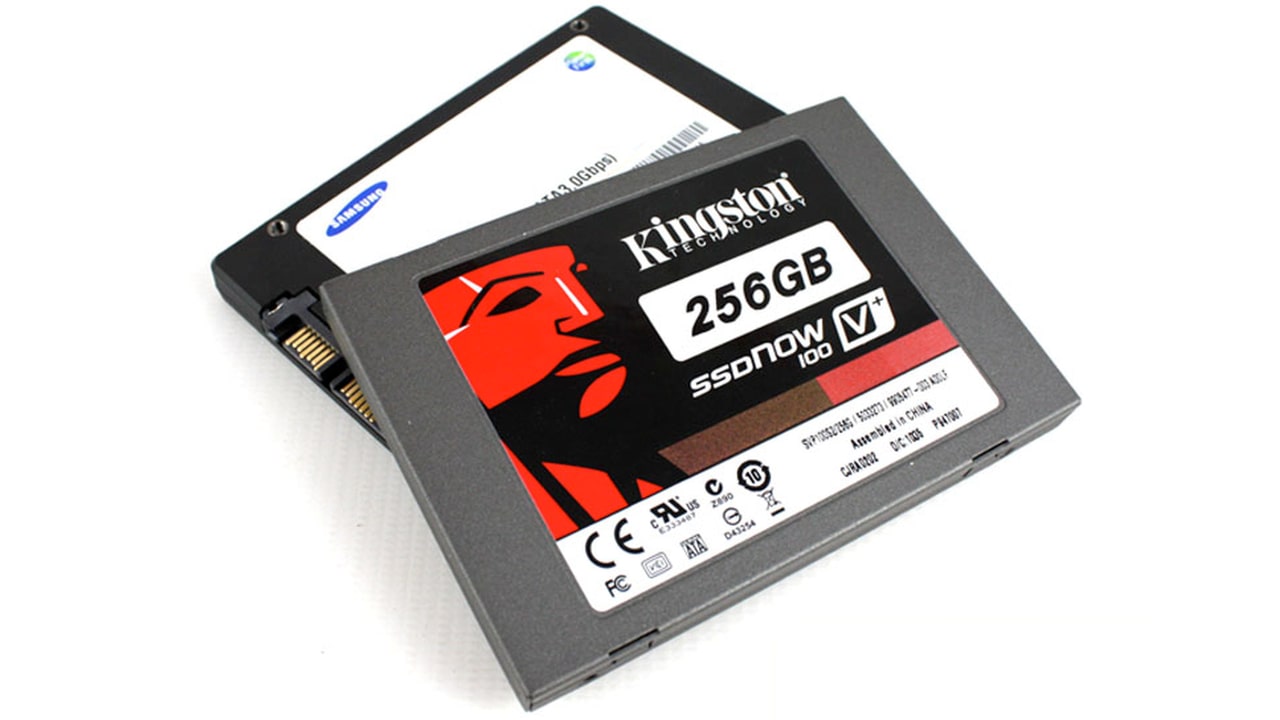
SSD is a solid-state drive built on a set of microchips. There are no rotating mechanisms or heads inside the device. Reading and writing information occurs through direct access of the controller to the cells. The lifespan of SSDs, indicated by manufacturers in millions of hours, is a fiction. The main durability indicator is the ability of cells to be rewritten N times. Accordingly, attention should be paid to the write endurance when purchasing. It is measured in terabytes. On average, a microchip cell can withstand between 10 and 100 rewrites. Manufacturers are working on improving the technology, but have not advanced far yet.
HDD vs SSD: Which is Better
In terms of overall system performance, an SSD is better because it has faster access to cells for reading and writing data. HDDs require time to spin up the platters, search for information, and access cells.
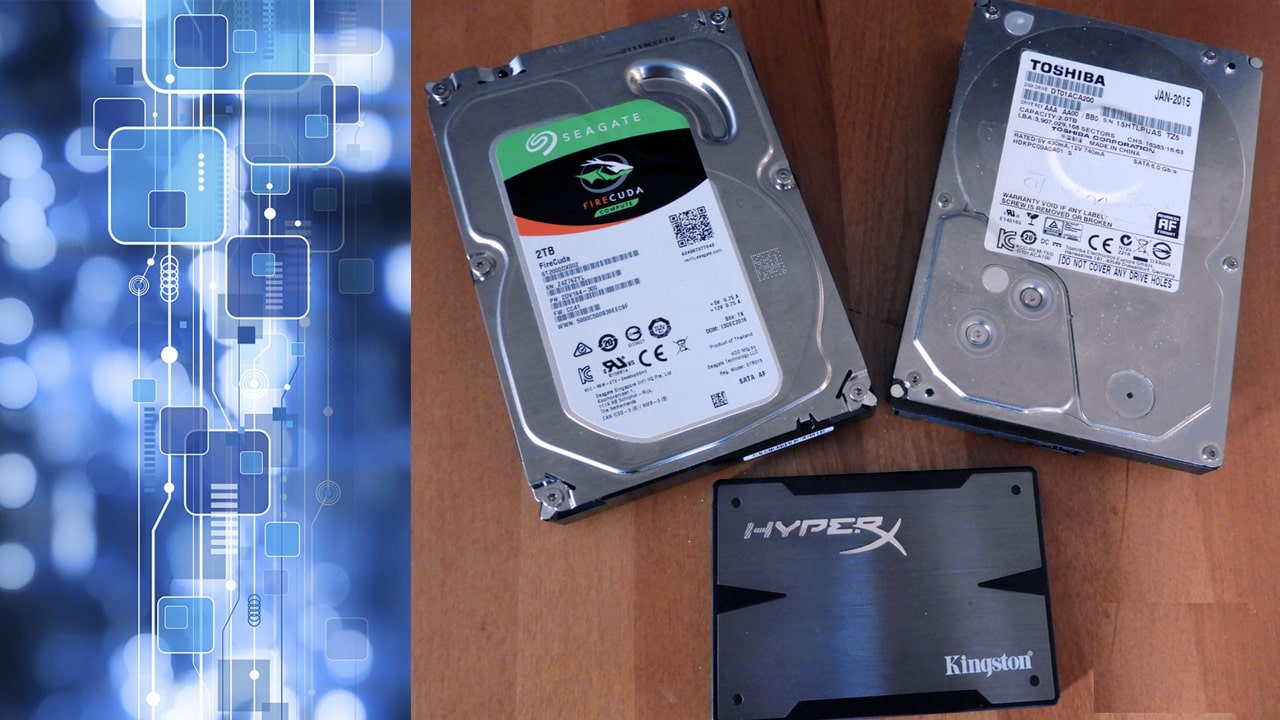
The durability of use is determined as follows:
It is essential to understand the purpose of the storage device. For speeding up the operating system and gaming, an SSD is definitely recommended. For backup storage or media server, only HDDs are suitable. The reason is that magnetized data on a hard drive can be rewritten millions of times and stored indefinitely. Data can only be destroyed by an electromagnetic pulse or physical damage to the disk. Microchips, however, require constant power. If you fully write an SSD and leave it untouched for a couple of years, you might find data loss upon reconnecting.
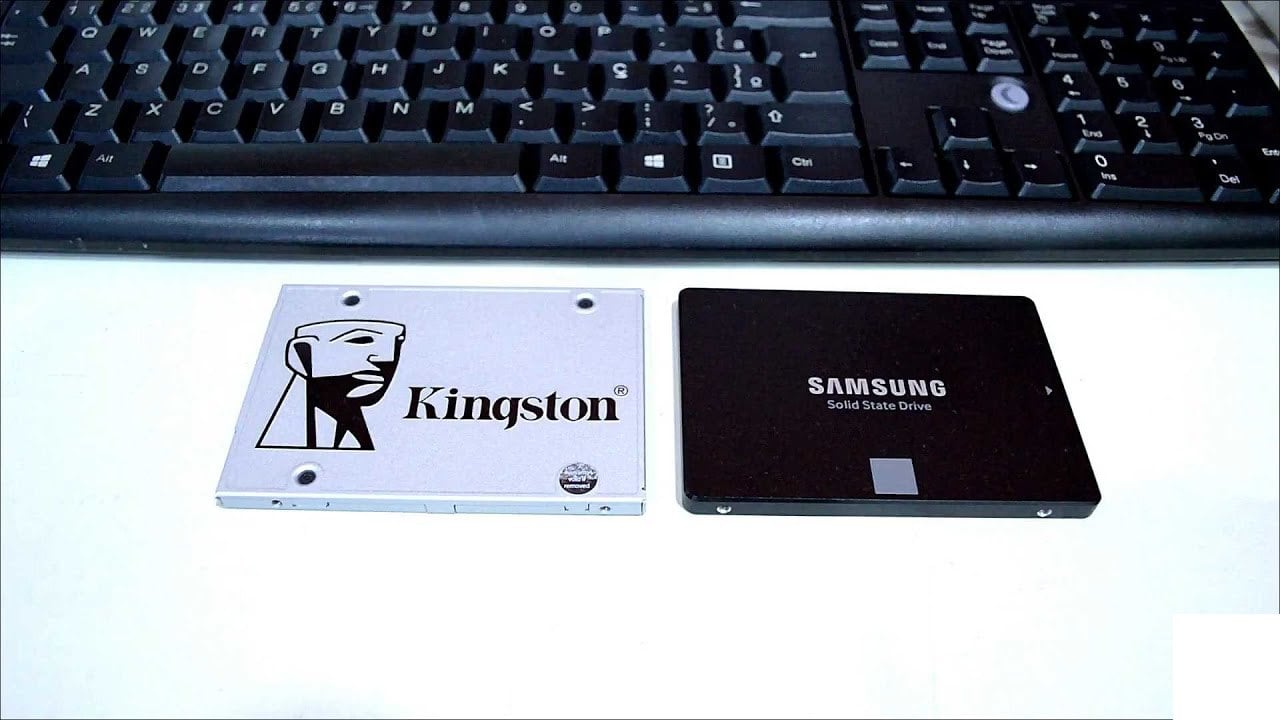
Therefore, the buyer needs to choose between HDD and SSD. An alternative solution is to buy two drives: one solid-state and one HDD. The SSD for system and gaming, and the HDD for storage and multimedia. This way, the user gets both speed and reliability. There are also hybrid drives (SSHD) on the market, which combine an HDD with an embedded SSD chip. According to customer reviews, this technology is unreliable and such devices are expensive. Therefore, it is not recommended to buy them.
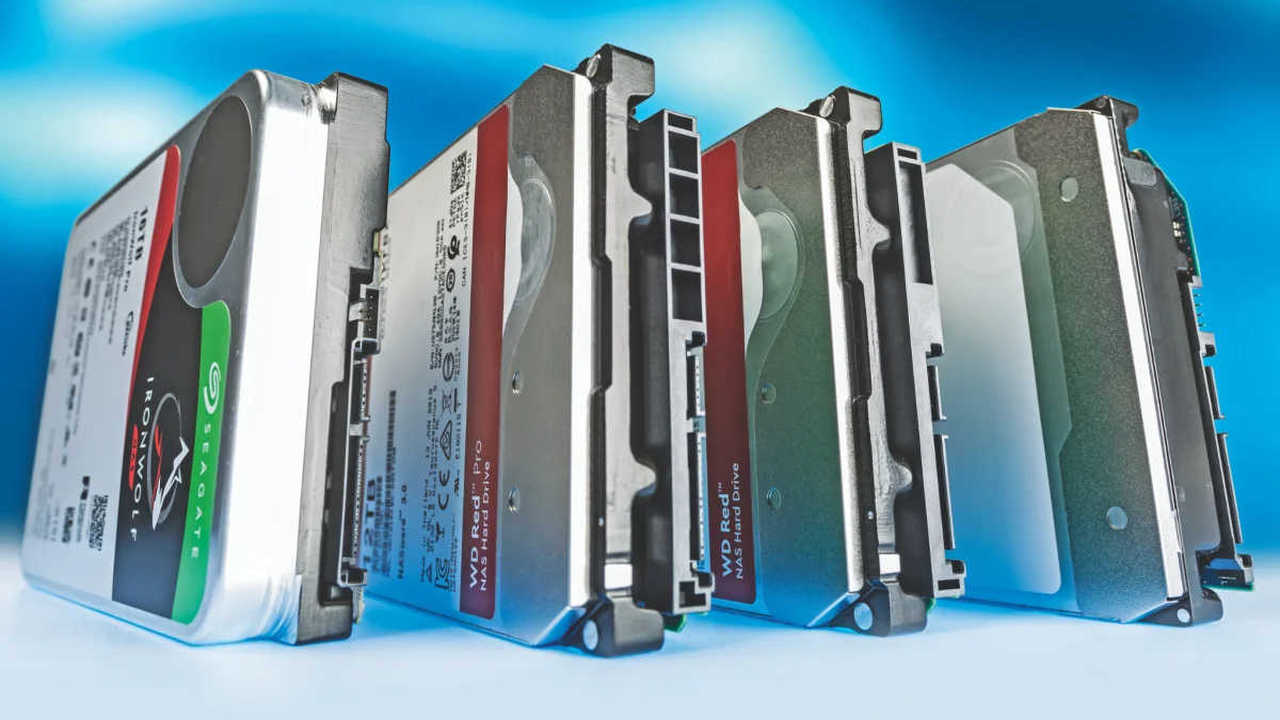
Regarding brands, reputable SSD manufacturers are only two: Samsung and Kingston. They have their own factories producing electronics from scratch. The prices are not budget-friendly, but reliability and longevity are high. Among HDD manufacturers, excellent drives are produced by Toshiba, WD, and Seagate. These manufacturers confidently provide long-term warranties, which builds customer trust.
![[Exclusive] Noise Master Series: Review of flagship headphones](https://teranews.net/wp-content/uploads/2025/09/frame_19522-360x220.webp "[Exclusive] Noise Master Series: Review of flagship headphones")