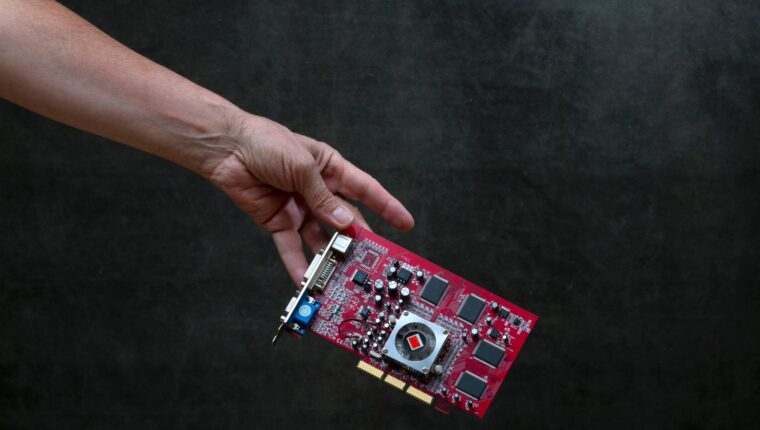
Nvidia GeForce RTX 50 graphics cards may get more expensive again in November. On 3 November, Dataconomy and TechBriefly, citing Chinese sources, reported that the RTX 5090 and RTX 5080 will go up by almost $500, the RTX 5070 Ti by around $150, and the entry-level RTX 5060 8GB by roughly another $30. Nvidia has made no official announcement about new prices, but shop data shows the same picture: cards from this generation already sell well above their recommended prices.
This article contains affiliate links. If you buy something through them, the site earns a small commission from AliExpress, and the price you pay does not change.
What is actually being reported
According to Dataconomy, regional manufacturers have already confirmed price increases across the whole range, with rising component costs in several regions given as the cause. The outlet also points out that every RTX 50 model has become more expensive in 2026, and some have risen by as much as 2.7 times their earlier price. No specific brands or models are named for that figure, so treat it as a rough guide rather than an exact calculation.
The expected increases by model look like this:
- RTX 5090 and RTX 5080: almost $500 on top.
- RTX 5070 Ti: around $150.
- RTX 5060 8GB: another $30 or so.
It is important to remember that these are still expectations and distributor reports, not a new official price list. Tech Insider states plainly that there has been no formal notice from Nvidia about changes to recommended prices, and the link between the increases and memory prices remains a theory put forward by commentators.
What the cards really cost
Tech Insider compared shop prices on 2 November with the recommended ones. The RTX 5090 Founders Edition is listed on Nvidia’s website at $1,999, but it is out of stock. The GIGABYTE AORUS RTX 5090 was selling at Walmart for $3,340, which is 67% above the recommended price. The PNY RTX 5080 cost $1,579 against a launch price of $999, the PNY RTX 5070 Ti 16GB sold for $1,269.99 against $749, and the same brand’s RTX 5060 Ti 16GB went for $799.99 against a recommended $429. In that last case the markup is 86%.
The European market is getting more expensive just as quickly. Germany’s 3D Center, which tracks retail prices, calculated that between November 2025 and October 2026 the average price of RTX 50 cards rose by 66%, and the RTX 5090 by 132%. A TechSpot survey across 10 countries found that graphics cards rose by 11% in October alone compared with September.
What this means for buyers
If you were planning to replace your graphics card in November, waiting for prices to fall in the sales is risky: the trend has been upward all year, and the new increases hit the top models first. Prices rise more modestly on the lower-end cards, so the RTX 5060 and 5060 Ti remain the most predictable option, even though they too sell above their recommended prices.
If your current card handles the games you play, it makes sense to postpone the purchase and spend a little on maintenance instead. A card that is two or three years old often loses clock speed not because the chip is ageing, but because the thermal paste has dried out, the memory is overheating and airflow in the case is poor. Replacing the thermal interface and adding a couple of good fans costs about as much as one game, and a drop of a few degrees brings back some performance and cuts noise.
Check your warranty before doing any maintenance: with some manufacturers, opening the card voids it. If the card is new, it is enough to sort out the airflow and fit a support bracket so the heavy board does not bend the slot.
How to extend the life of your current graphics card
Below are four popular products from AliExpress that can help cool and relieve your card until prices for new models settle down. All of them sell in their thousands and have high ratings.
Honeywell PTM7950 thermal pad
PTM7950 is a phase-change material: when heated it softens and fills the microscopic gaps between the chip and the heatsink, and unlike ordinary paste it does not dry out or get pushed out over time. That is why it is often used on graphics chips and laptops, where the heatsink presses unevenly. The seller’s listing gives a thermal conductivity of 8.5 W/mK. It needs careful handling: peel the protective films from both sides and cut the sheet to the exact size of the die.

Price on 4 November: £2.38
Sold: 7518+ pcs, positive reviews: 96.7%
View on AliExpress
VIDA 24 W/mK thermal pads
The GDDR memory and power circuits on a graphics card are cooled through thermal pads, and these are usually the first parts to degrade. VIDA pads come in 80×40 and 100×100 mm sheets, with a stated thermal conductivity of 24 W/mK. The key point when replacing them is to measure the thickness of the old pads with calipers and buy the same, otherwise the heatsink will press less firmly against the chip.

Price on 4 November: £0.95
Sold: 4981+ pcs, positive reviews: 98.7%
View on AliExpress
Graphics card support bracket
Modern cards weigh more than a kilogram and sag over time, putting strain on the PCIe slot and the circuit board. A simple bracket rests on the bottom of the case and props the card up from below. It is one of the cheapest ways to avoid cracks in the board, especially if the PC gets moved around.

Price on 4 November: £1.60
Sold: 4044+ pcs, positive reviews: 97.0%
View on AliExpress
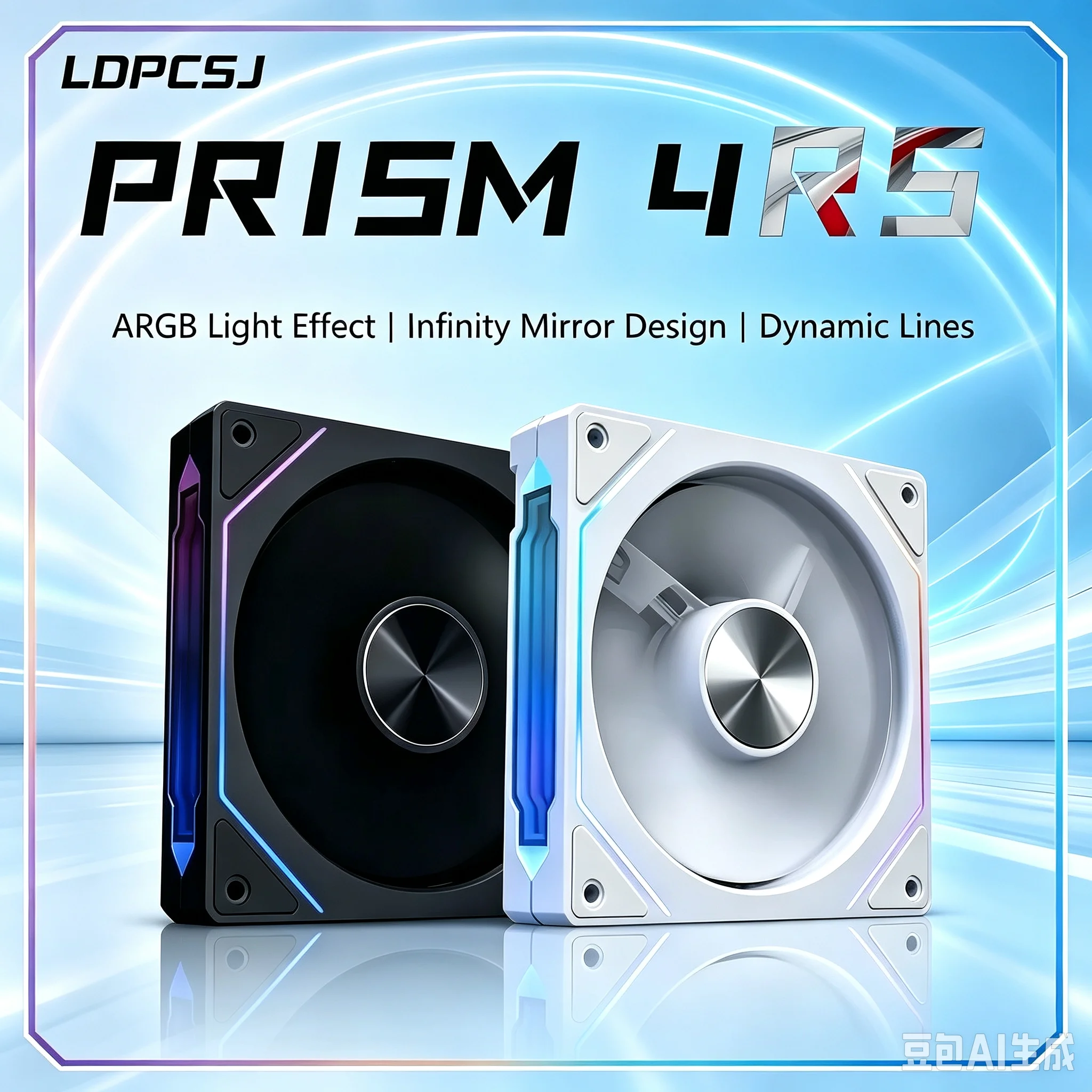
PRISM 4 RS 120mm ARGB fan
If a case has too few fans, the graphics card keeps recirculating its own hot air. A pair of intake fans at the front and one exhaust fan at the rear make a noticeable difference. The PRISM 4 RS is a 120mm model with 4-pin PWM control, a speed of up to 1200 rpm and ARGB lighting. Before buying, check that your motherboard has free fan and lighting headers.
Price on 4 November: £4.30
Sold: 9313+ pcs, positive reviews: 98.0%
View on AliExpress
In short
RTX 50 cards keep getting more expensive: according to the November reports, the top models will add almost $500, and in shops they already sell at 60% or more above their recommended prices. If you do not have to replace your card, it is better value right now to maintain the one you have: fresh thermal interface material, new pads and proper airflow cost far less than any new graphics card.