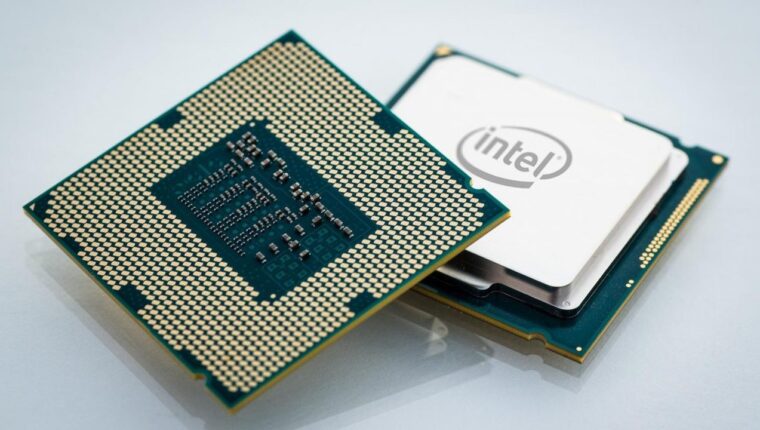
In April of this year, we predicted a decline in demand for Intel processors. And now, it has happened. The results are clear. In just 4 months, Intel’s net loss amounts to $454 million. Meanwhile, AMD reports another record in profit and revenue. Moreover, a large share of income comes from processors, not graphics cards.
For those unaware, under sanctions pressure, Intel remotely blocked its processors in all unfriendly US countries. Yes, the issue can be resolved, but there are risks and additional costs. Naturally, demand for Intel processors has sharply plummeted.
Intel company is expecting changes, and not for the better
The situation is becoming very interesting and far from in favor of the number 1 brand (Intel). In the ongoing battle for processor market leadership, several brands are entering between Intel and AMD. The capture will occur in two areas – laptops and personal computers:
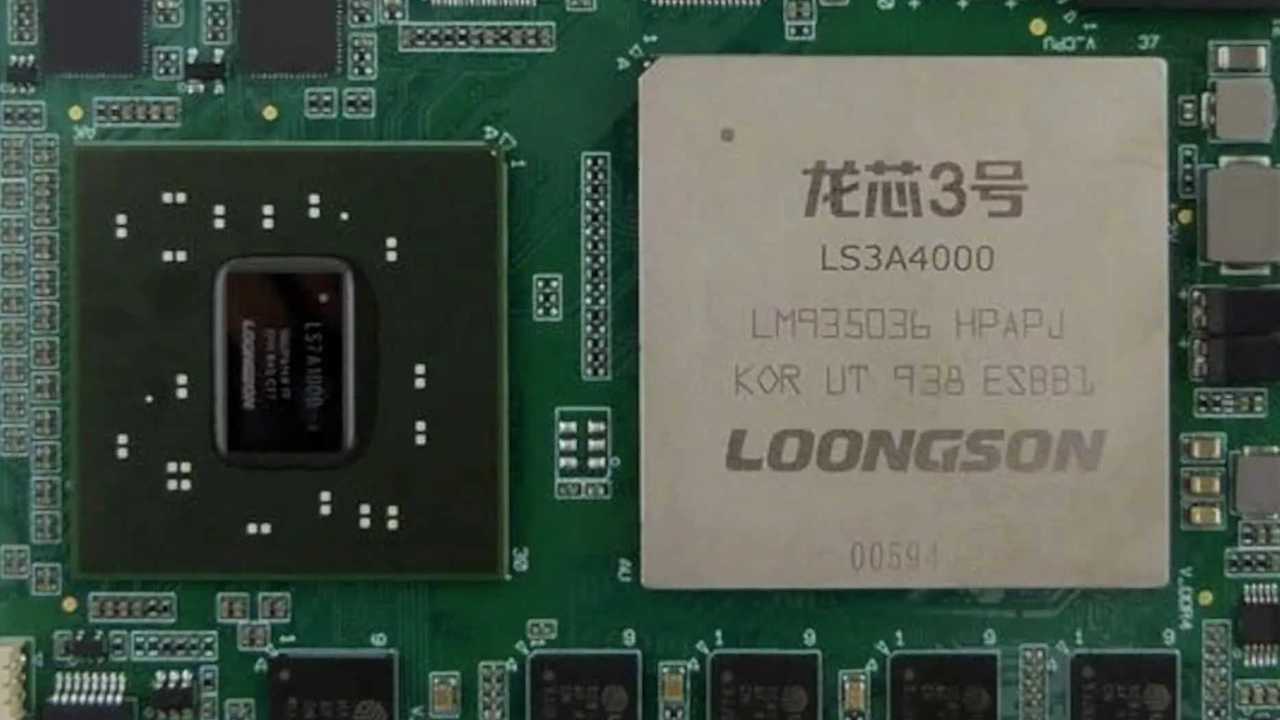
- China. Processors Loongson, Zhaoxin, Hygon, Phytium, and Sunway. They are still far from Intel. The process technology is still two-digit. But there is demand in the Indian and Chinese markets. Especially in the business segment, where Chinese companies prefer domestically produced products, thus depriving foreign companies of revenue.
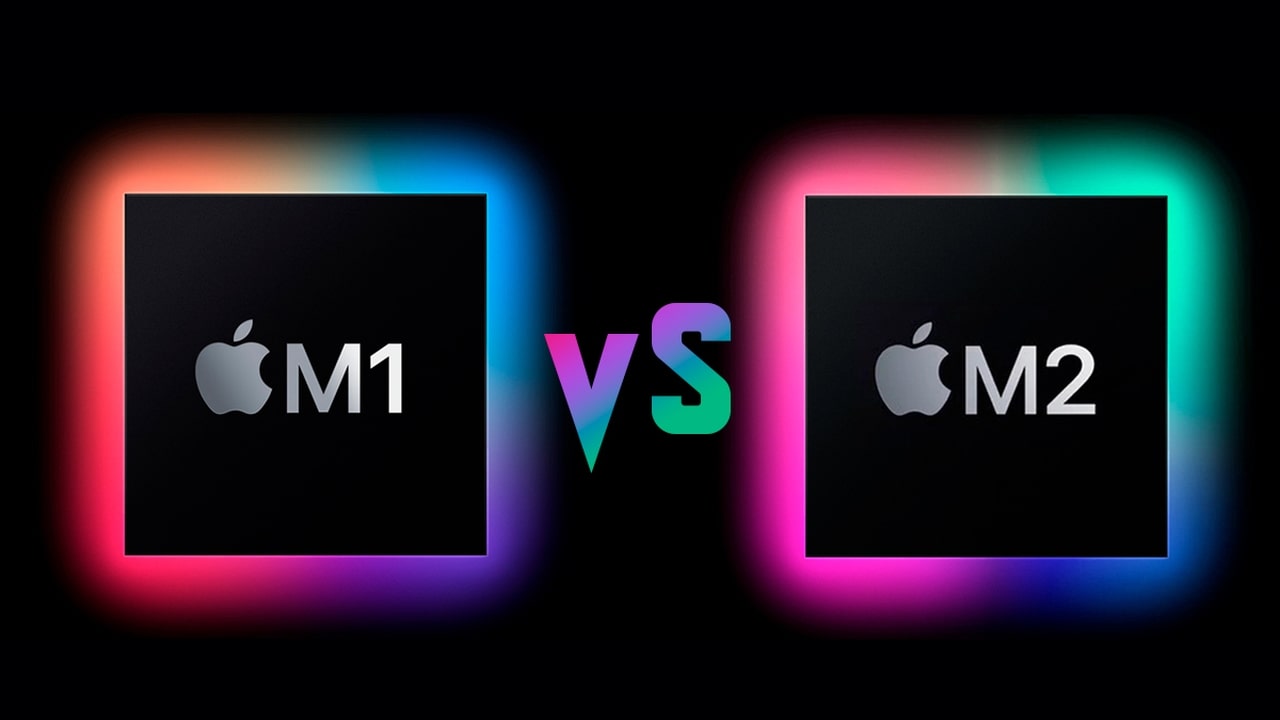
- USA. It cannot be ruled out that Apple will expand its M1 and M2 processor lines for devices not related to MAC. A quite realistic forecast, as this would increase revenue for the corporation.
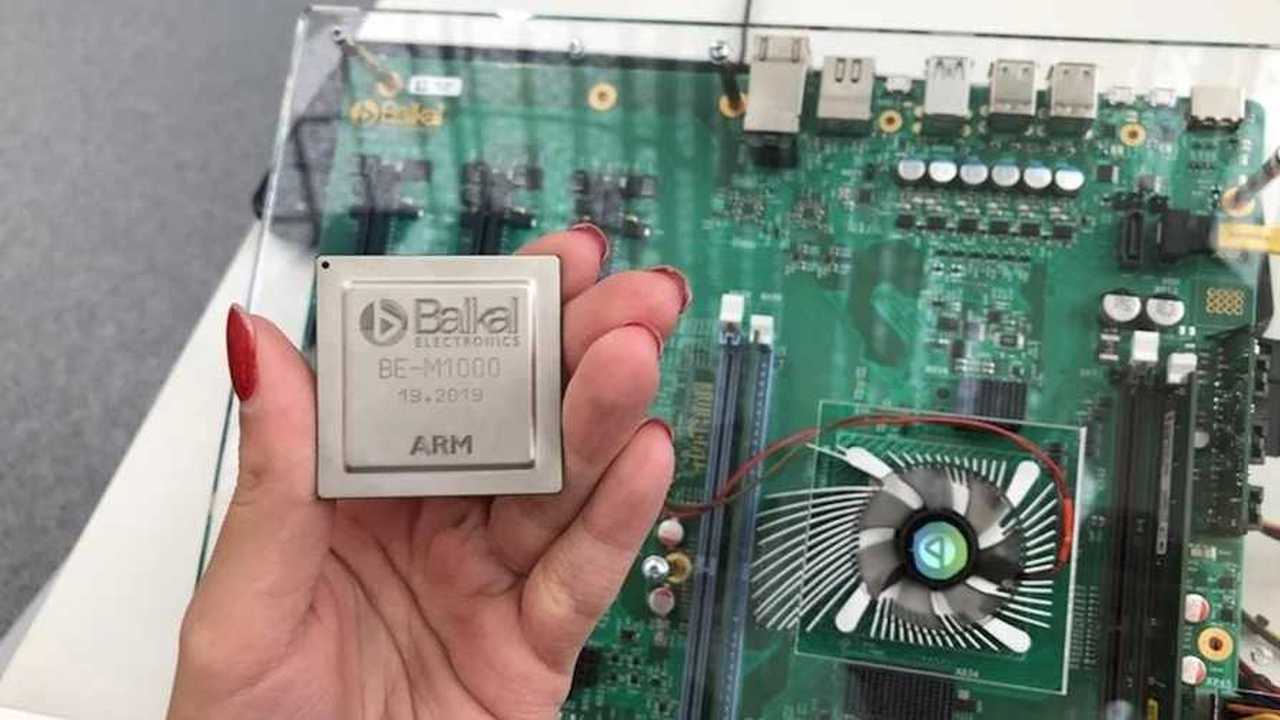
- Russia. Under sanctions, Baikal Electronics has accelerated the development of processors for desktop PCs. Similar to China, the process technology is still developing, but visible results are already evident. Like in China, the chips are aimed at industrial enterprises and medium-sized businesses, where high performance is not critical. Yes, Baikal’s work with software instructions is still problematic, but breakthroughs in this industry are already noticeable.
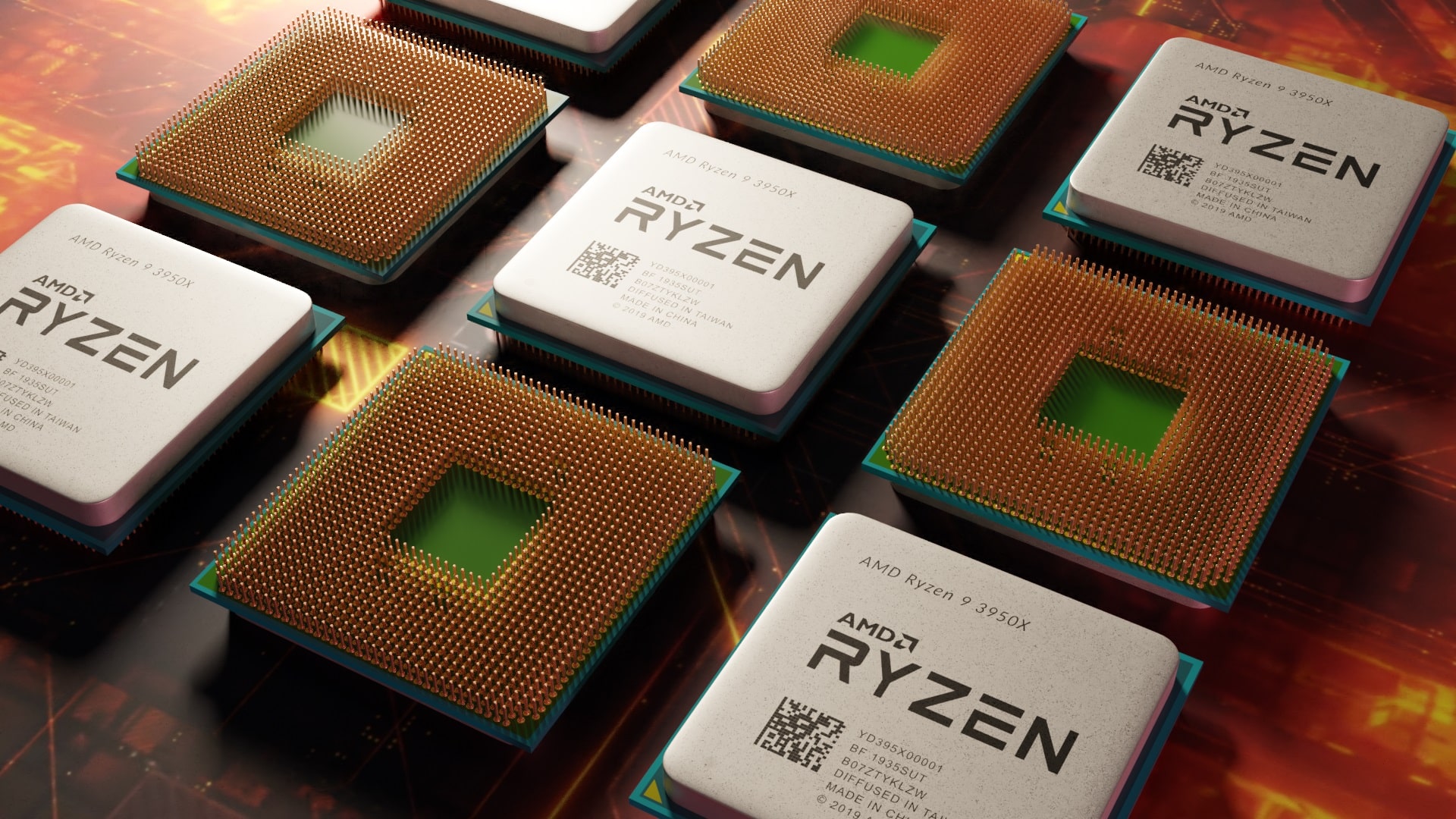
Plus, AMD. The main competitor on the market, which has long solved problems related to overheating and the need to overclock cores. Also, the price of AMD processors is slightly lower than Intel’s.
It is clear that the corporate segment, where stability and unlimited power are important, will continue to buy Intel products. Most servers run on Xeon. But the consumer market can be easily lost.
By the way, AMD now has a huge chance to take market share from Intel in Russia. After all, there is a 100-million audience owning personal computers. Sanctions can be bypassed by adding China to the dealer chain, for example. It only takes a year to reorient buyers to AMD processors.