
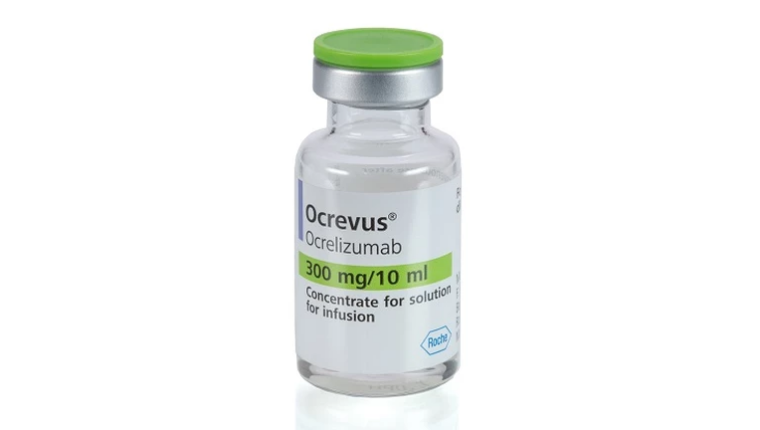
Ocrevus (ocrelizumab) is a biological drug used for the treatment of multiple sclerosis (MS) and rheumatoid arthritis (RA). The drug was approved by the FDA in 2017 for MS treatment and in 2021 for RA treatment.
The action of Ocrevus is based on blocking the CD20 protein, which is present on the surface of certain immune system cells, including cells that play an important role in the development of MS and RA. Blocking the CD20 protein allows to reduce immune system activity and decrease inflammatory processes that lead to tissue damage.
Studies on the effectiveness of Ocrevus in treating MS and RA have been conducted over several years. One of the first studies, published in the journal “The Lancet” in 2017, was titled “Efficacy and safety of Ocrevus in primary progressive multiple sclerosis.” The study involved more than 700 patients who received Ocrevus or placebo for 96 weeks. The results showed that Ocrevus significantly reduces MS progression compared to placebo.
Another study, published in the journal “The New England Journal of Medicine” in 2017, examined the effectiveness of Ocrevus in relapsing-remitting multiple sclerosis (RRMS). The study involved more than 1300 patients who received Ocrevus or another drug for RRMS. The results indicated that Ocrevus significantly reduces the number of relapses in patients compared to the other drug.
Studies on the effectiveness of Ocrevus in RA have also been conducted. One of them, published in the journal “The Lancet” in 2019, investigated the efficacy of Ocrevus in seropositive RA, which is considered one of the most severe forms.
![[Exclusive] Noise Master Series: Review of flagship headphones](https://teranews.net/wp-content/uploads/2025/09/frame_19522-360x220.webp "[Exclusive] Noise Master Series: Review of flagship headphones")