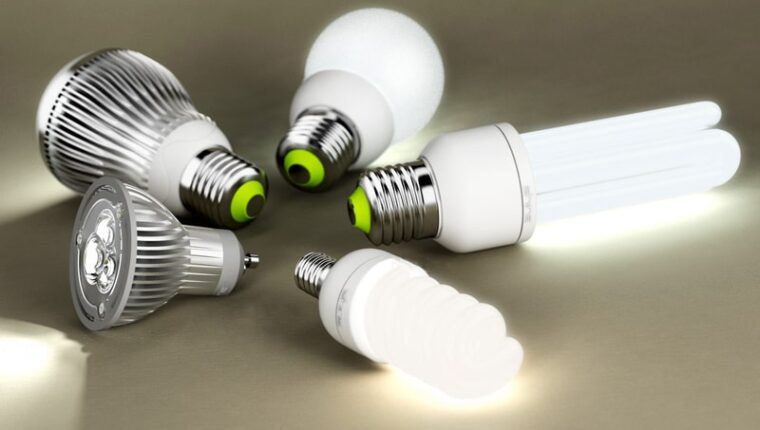
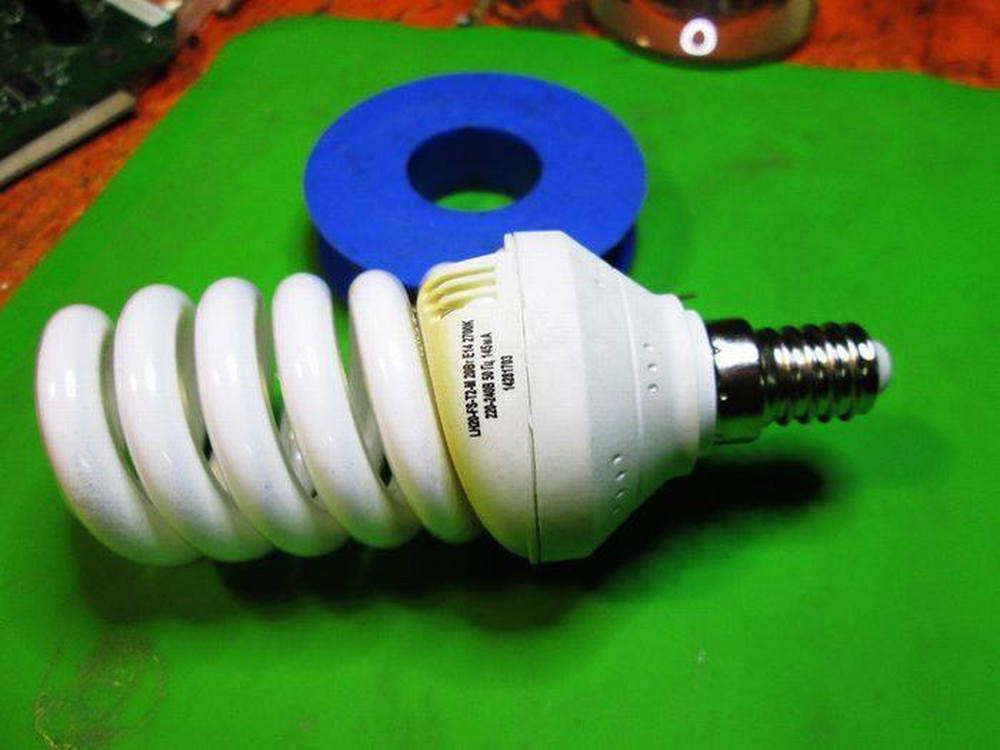
Repair of energy-saving lamps with your own hands is not only possible but is actively promoted by users on social networks and in the media. The reason is simple – manufacturers made a mistake by releasing a durable product capable of lasting 4-5 years. To stay trendy – not to lose annual income – the manufacturer deliberately damages their own product.
How so? Let’s break it down:
- Energy-saving lamp is an electronic device consisting of a lamp with a spiral, a socket, and a microchip that controls power supply.
- The listed components are manufactured at different factories and supplied to assembly lines of dozens of companies. Final enterprises assemble the structure, put their own logo, and put the product on sale.
- Yes. With a 99% probability, there is no difference between brands like Light Offer, Philips, or no Name. Only the price.
- Expensive energy-saving lamps last 5 or more years, while cheap economy ones burn out in the first year of service, just 10-30 days after the warranty expires.
Repair of Energy-Saving Lamp with Your Own Hands
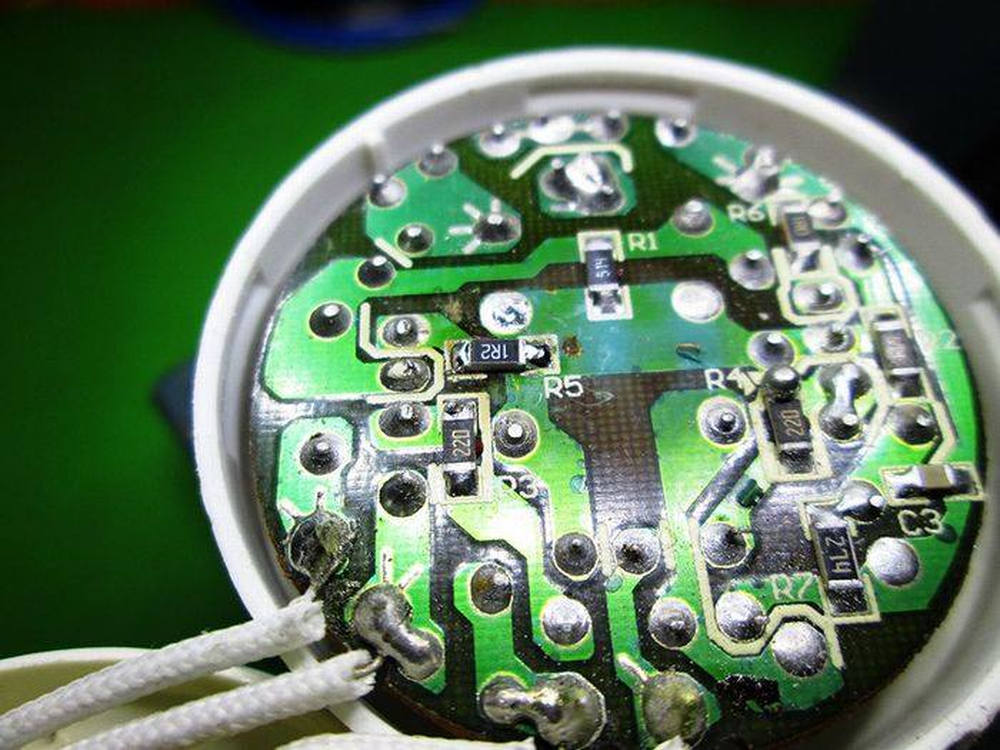
The trick lies in the microchip controller. More precisely, in a resistor that does not meet the specified requirements. The component simply overheats and burns out. The resistor 1R0 at 1 Ohm, costing a penny, causes the user to throw away the burnt-out lamp and buy a new one.
The procedure for repairing energy-saving lamps is simple:
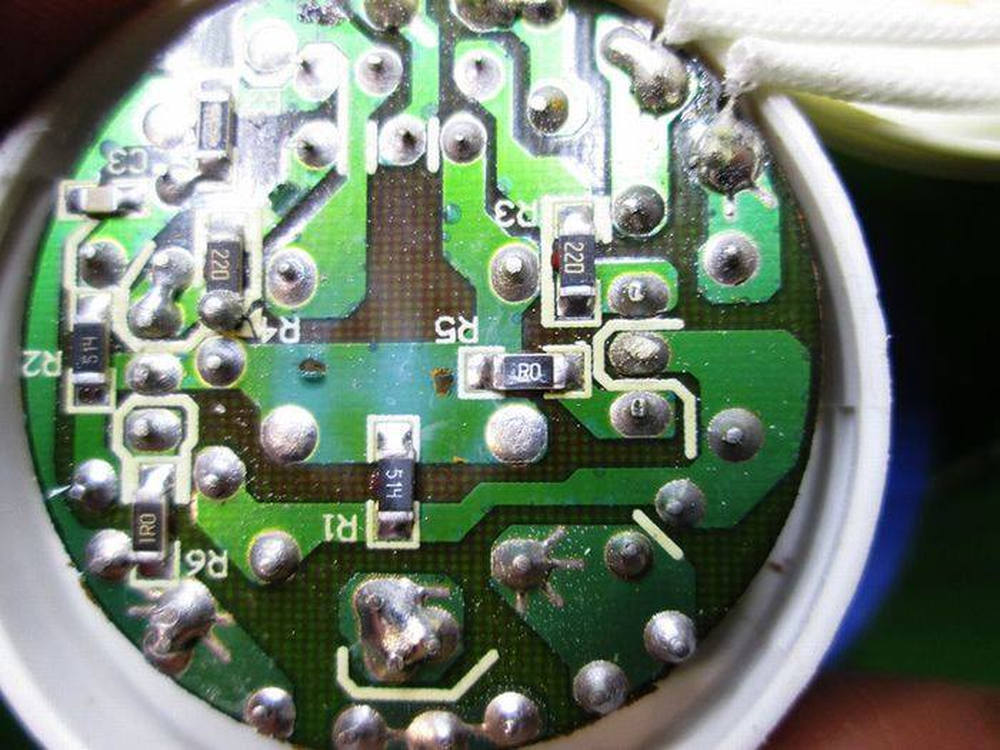
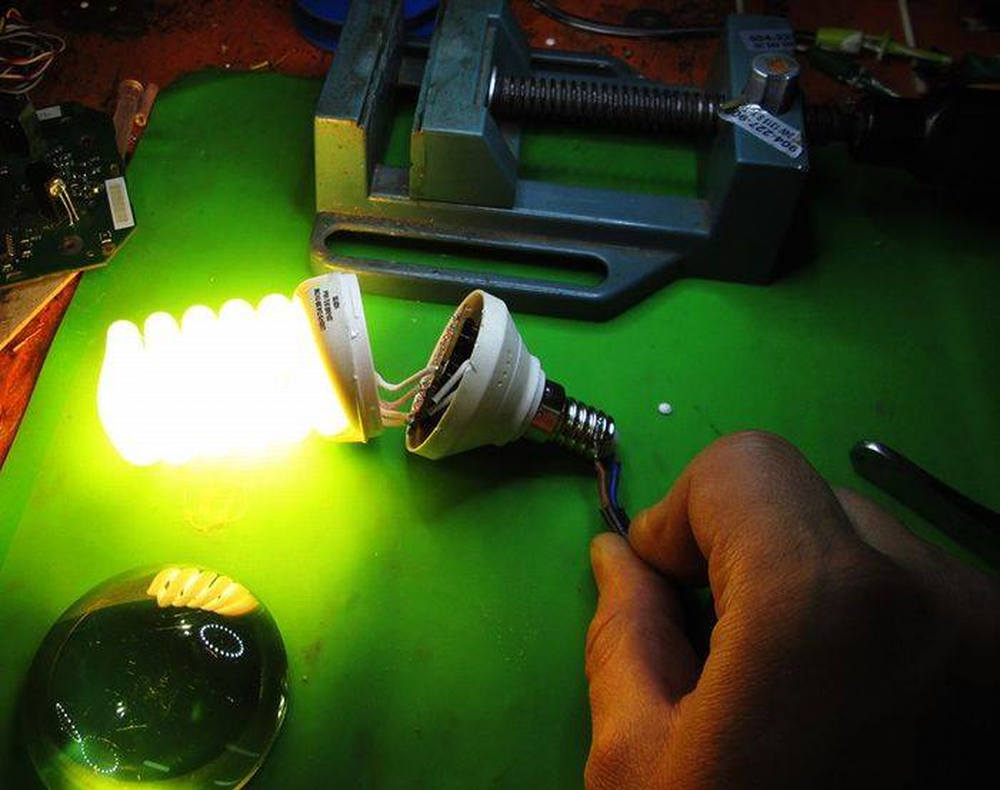
Between the socket and the bulb, a seam is visible, into which a flat screwdriver is inserted. Without sudden movements, gently rocking the screwdriver, the structure opens like a nesting doll. The microchip will be on the socket side. The resistors on the board are labeled. Using a multimeter, it’s easy to verify the correctness of the author’s statement. Experts recommend soldering a 1.2 Ohm resistor. Without reassembling the structure, you can easily test the lamp by applying voltage.
![[Exclusive] Noise Master Series: Review of flagship headphones](https://teranews.net/wp-content/uploads/2025/09/frame_19522-360x220.webp "[Exclusive] Noise Master Series: Review of flagship headphones")