Broadcast digital tuner is unlikely to surprise anyone. Dozens of electronics manufacturers offer solutions in various price segments. The difference is only in ease of operation and working with external information carriers. However, a T2 tuner with LAN port for TV is a real find for people dreaming of receiving content in quality from all corners of the planet.
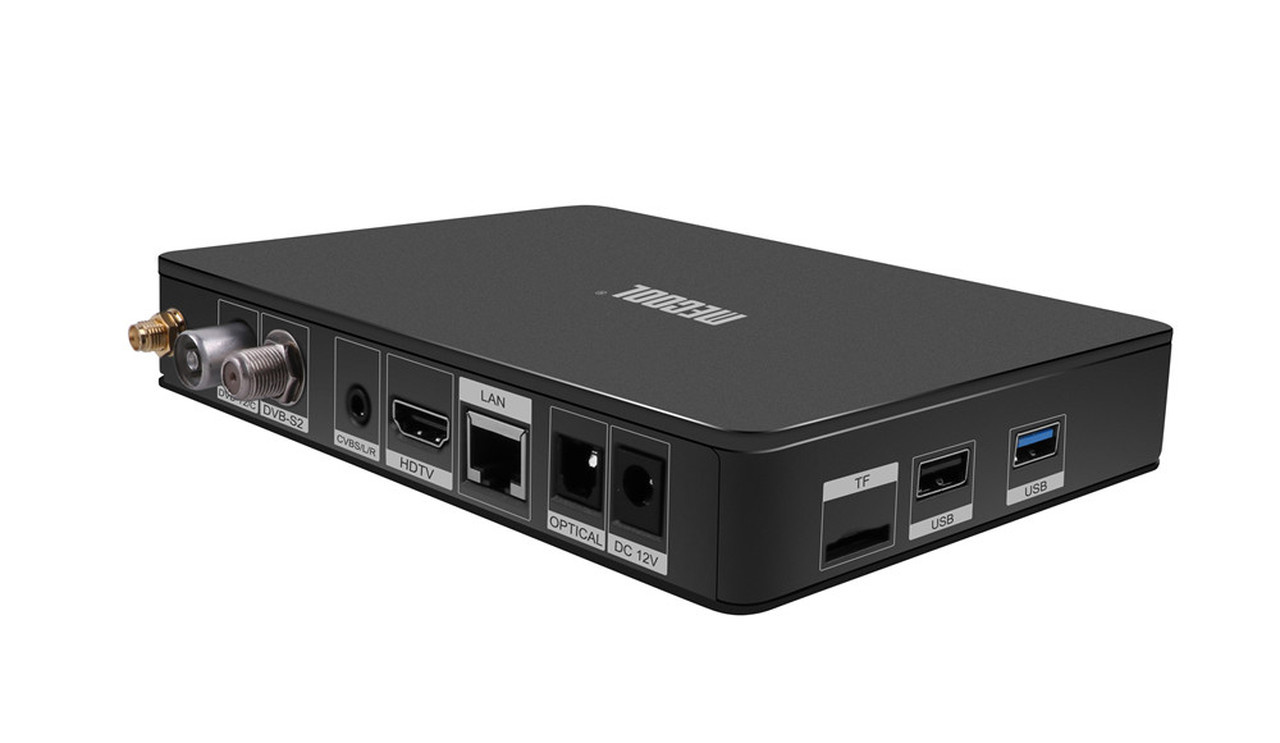
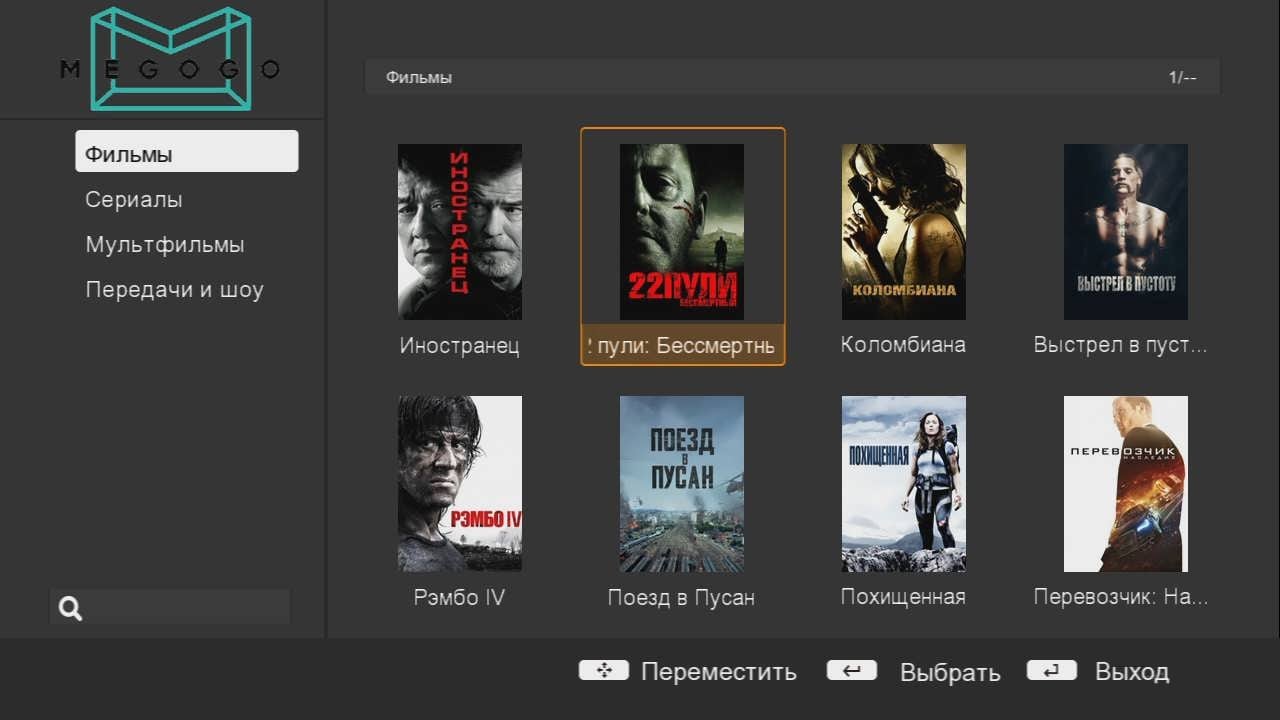
In addition to broadcast channels, the tuner can work with IPTV and YouTube, play multimedia from network devices, and even provide full internet access. Essentially, a classic device for a TV can replace a media player. Naturally, with some limitations.
T2 tuner with LAN port for TV
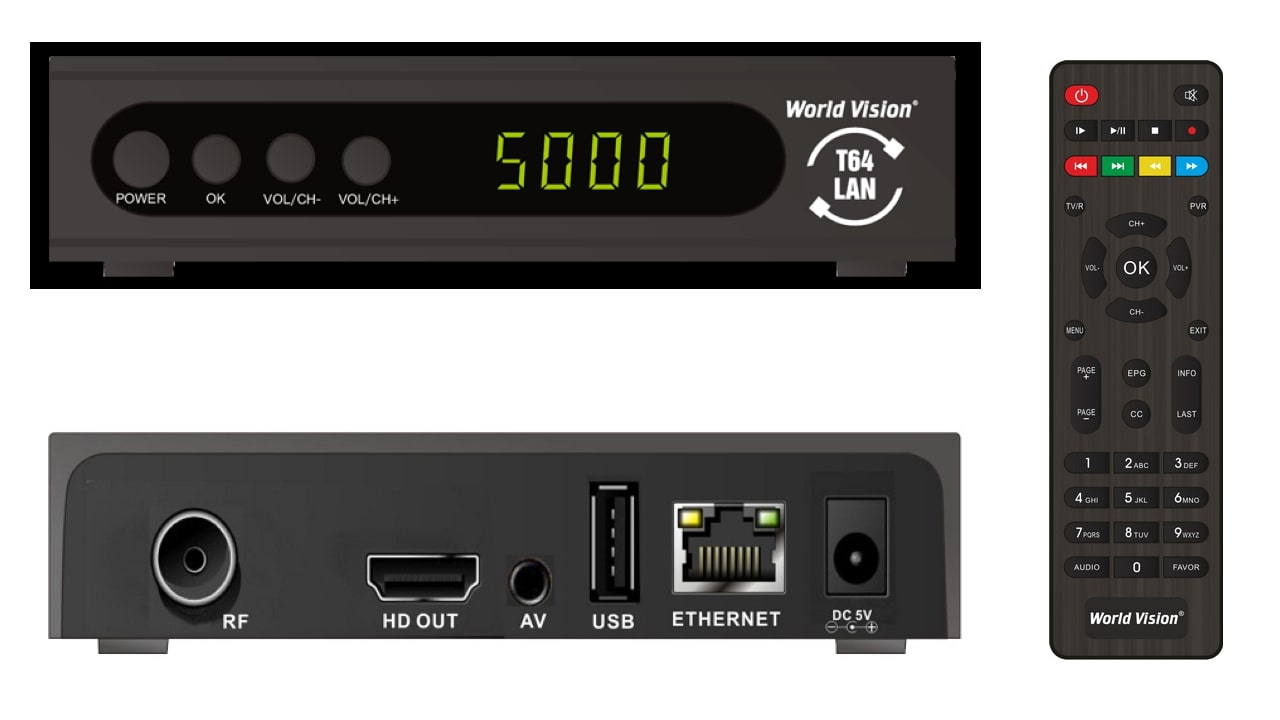
Affordable price, support for digital terrestrial broadcasting, and network capabilities are the three criteria of interest to potential buyers. The market choice is small, so all roads lead to the Chinese brand World Vision. At the time of writing, based on declared specifications, the popular model is: T64LAN. Trying to stay within the budget segment, the device lacks modern technologies (for example, 4K video playback and working with external hard drives). But otherwise, there are no complaints.
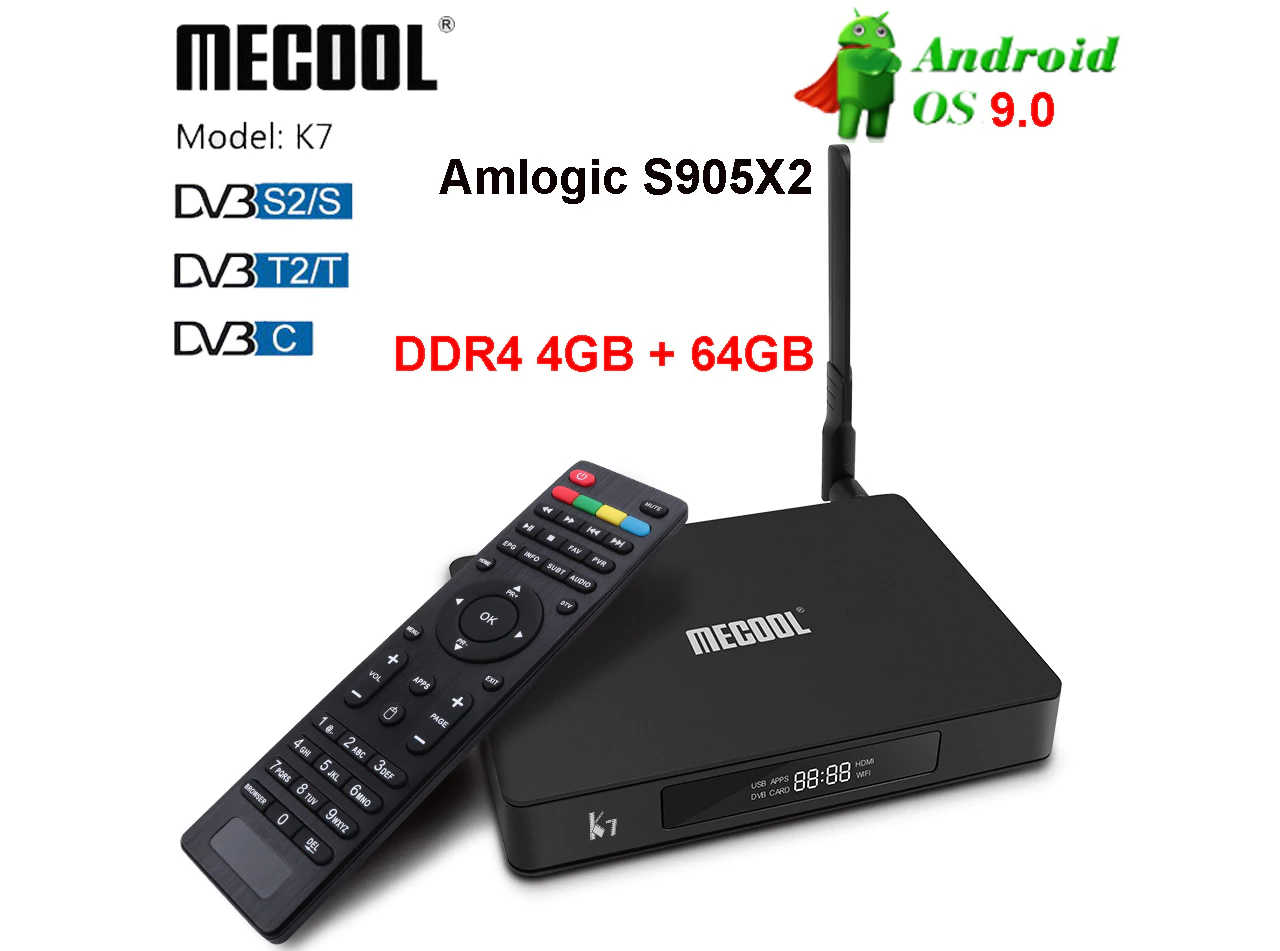
And if the buyer is interested in a combo (a decent player supporting T2 and DVB), then they will have to overlook the price. An interesting solution has appeared on the market – the MECOOL K7 TV box. This is a 4K player for TV capable of receiving terrestrial signals and working with satellite equipment.
TV box with T2 or tuner with LAN: what to choose
Strangely enough, it all depends directly on the budget and needs. Both devices with T2 and network support are interesting to owners of old TV models that cannot receive terrestrial digital signals. But they have clear distinctive features:
- Price. The tuner costs $15, while Chinese media players ask for about 120 US dollars;
- Multimedia capabilities. Processing and playback of content in 4K, support for 5-channel sound, and Android games for MECOOL K7 are not a problem. This cannot be said about the World Vision T64LAN, which is heavily limited in functionality.

Therefore, considering the above characteristics, the future owner should make a choice. On our part, we can only provide a summary table of the functionality of both devices.
| MECOOL K7 | World Vision T64LAN | |
| Chip | Amlogic S905X2 | Availink 1506T |
| Processor | 4x ARM Cortex-A53 (1.8 GHz) | unknown |
| Video adapter | Mail-G31 MP2 (650 MHz) | unknown |
| RAM | 4 GB (LPDDR4 3200 MHz) | 64 MB (DDR II, 800 MHz) |
| Storage | 64GB (SLC NAND eMMC 5.0) | 4 MB (Flash) |
| Storage expansion | Yes, memory cards up to 64 GB | No |
| Wired network | 1 Gbps | 100 Mbps |
| Wireless network | 802.11 a/b/g/n/ac 2.4GHz/5GHz (2×2 MIMO) | optional |
| Bluetooth | Yes, version 4.1 | No |
| Memory cards | microSD 2.x/3.x/4.x, eMMC v5.0 | No |
| External disk connection | Yes | Yes (with limitations) |
| Interfaces | RF IN, DVB, 3.5-audio, HDMI, LAN, SPDIF, 1xUSB 2.0, 1xUSB 3.0, DC | RF IN, HDMI, AV, LAN, 2xUSB 2.0, DC |
| Software update | Yes | Yes |
| Support for 4K | Yes, 4K2K@75fps | No |
| Video codecs | All existing (hardware and software decoding) | MPEG-1, MPEG-2, MPEG-4, H.264, DivX, XviD, DX50 |
| Audio codecs | All existing (hardware and software decoding) | MPEG-1Layer I & II, MP3, AAC-LC, HE-AAC, HE AACv2, AC3 |
| Operating system | Android 9.0 | Linux |
| Broadcast standards | DVB-T2/T, DVB-S2/S, DVB-C, Modulation QPSK, 8PSK, 16QAM, 32QAM, 64QAM, 128QAM, 256QAM | DVB-T/T2, DVB-C, Modulation 16QAM, 32QAM, 64QAM, 128QAM, 256QAM |
| Price | $125 | $15 |
In conclusion
Reviewing the specifications, it remains only for the buyer to decide what to prefer. A T2 tuner with LAN port for TV or a full-fledged TV box supporting T2 and satellite broadcasting. Considering the price, a conscious choice must be made.
It cannot be said that, thanks to the stuffing, MECOOL K7 is better than World Vision T64LAN. Simply, not all users require such extensive functionality. Often, such devices are purchased for specific TVs, lacking DVB, T2, or LAN interfaces. This could be electronics imported into the country from Japan, the USA, or Germany. Unlike Chinese brands, serious brands prefer not to turn their products into “media conglomerates.” Plus, many buyers still have plasma TVs that work as monitors without the ability to process incoming signals.
![[Exclusive] Noise Master Series: Review of flagship headphones](https://teranews.net/wp-content/uploads/2025/09/frame_19522-360x220.webp "[Exclusive] Noise Master Series: Review of flagship headphones")