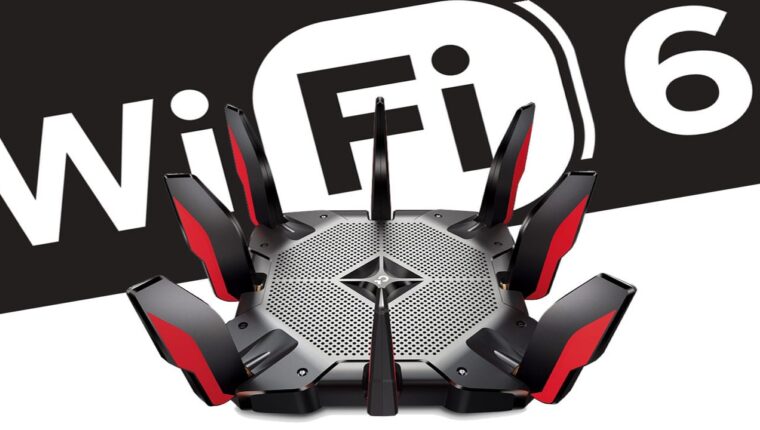
Network users have noticed that manufacturers are actively promoting devices with the “Wi-Fi 6” label on the market. Previously, there were standards like 802.11 with some letters, and everything changed abruptly.
What is Wi-Fi 6
Nothing other than the Wi-Fi 802.11ax standard. The name was not chosen out of thin air; it was simply decided to simplify the labeling for each generation of wireless communication. That is, the standard 802.11ac is Wi-Fi 5, and so on, in descending order.

Of course, it can be confusing. Therefore, no one forces manufacturers to rename devices under the new label. And manufacturers, selling equipment with Wi-Fi 6, additionally specify the old standard 802.11ax.
Wi-Fi 6 Speed
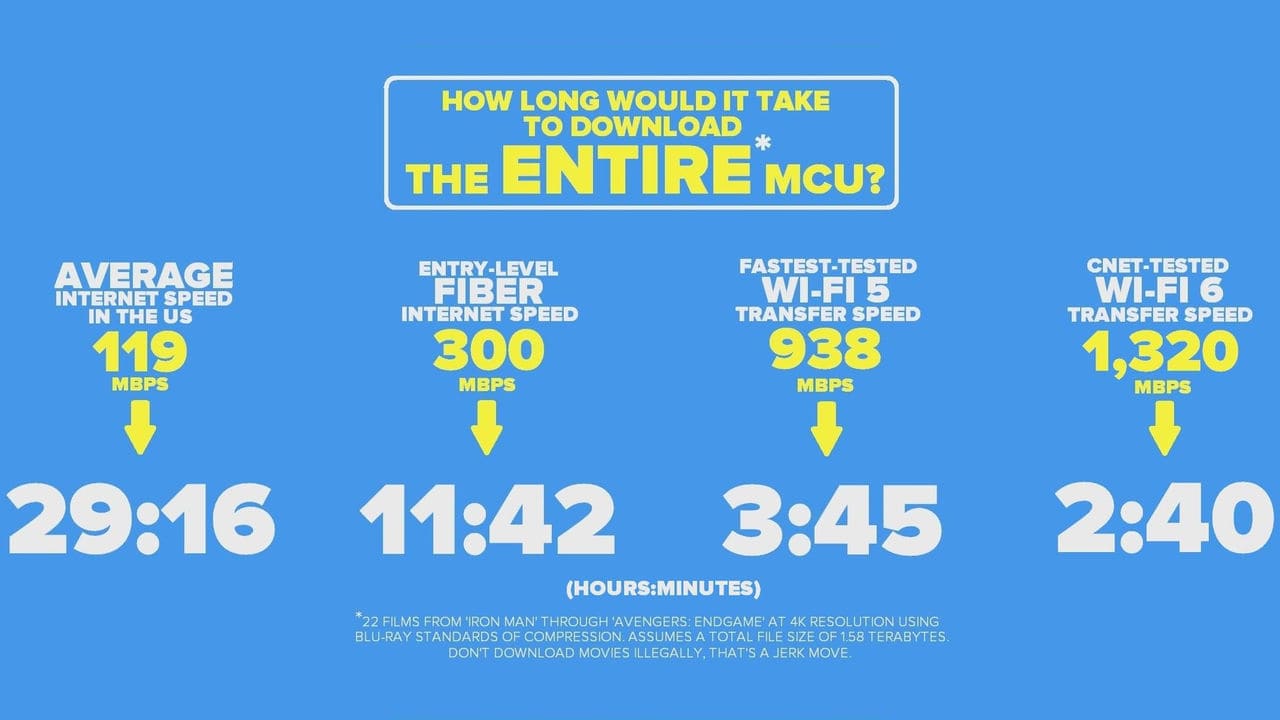
On average, the speed increase for each communication standard is about 30%. If the maximum for Wi-Fi 5 (802.11ac) is 938 Mbps, then for Wi-Fi 6 (802.11ax) the figure is 1320 Mbps. For ordinary users, these speed characteristics will not bring much benefit, as it is unlikely anyone has such fast internet. The new Wi-Fi 6 standard is interesting for other features – supporting a larger number of simultaneously connected users.
And, importantly, having a router supporting Wi-Fi 6 requires compatible devices. There is no point in buying modern network equipment if you have a mobile device with an old Wi-Fi standard. An “upgrade for the future” is not recommended. Until you decide to update your smartphone, a new communication standard will be released.
Useful Wi-Fi 6 Features
Data transfer speeds over the air are more of a side effect of network devices. Manufacturers are interested in reliability and efficiency. The Wi-Fi 6 standard is distinguished by highly demanded features:
- Increased number of scenarios for working with multiple devices. Simultaneous operation in wireless networks on 2.4 and 5 GHz frequencies allows more users to connect to the network equipment. Although at the expense of speed for owners of gadgets using the old 2.4 GHz standard.
- Support for OFDMA. Simply put, Wi-Fi 6 network equipment can divide the signal into additional frequencies, maintaining connections with all connected clients. This works only in the 5 GHz range. This feature is useful when synchronous data transmission to all connected devices is required. OFDMA is more interesting in the corporate and business segments.
- Target Wake Time function. At the hardware level, the network device (particularly, the router) can manage its power consumption according to a schedule. This includes detecting inactivity, entering sleep mode, disabling networks for security, and so on.
Should You Buy Wi-Fi 6 Devices?
For mobile devices such as laptops, tablets, and smartphones, there is no need to think about this. Manufacturers will install the new chip and release gadgets supporting Wi-Fi 6 themselves. Therefore, the question mainly concerns buying a router.

Definitely, the 802.11ax standard is better than 802.11ac. Users will immediately notice improvements in data transfer speed, stability, and signal range. Just remember to choose a reliable and well-established manufacturer. As of the time of writing this article, we can recommend only one device supporting Wi-Fi 6: Zyxel Armor G5.
![[Exclusive] Noise Master Series: Review of flagship headphones](https://teranews.net/wp-content/uploads/2025/09/frame_19522-360x220.webp "[Exclusive] Noise Master Series: Review of flagship headphones")