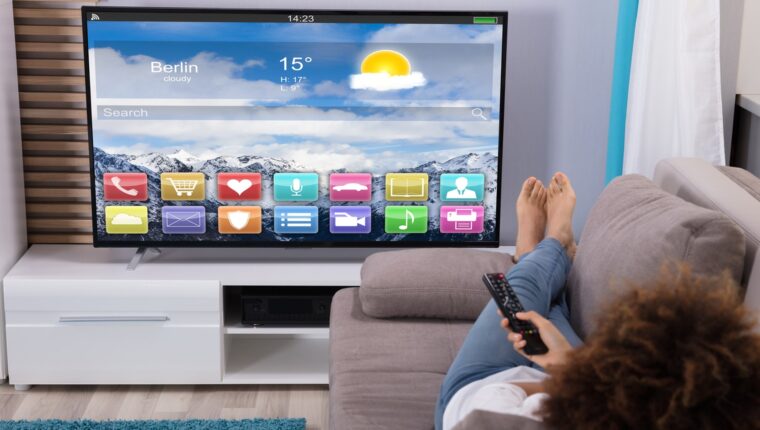
Electronics stores are quite tired of their advertising. Every seller, trying to sell a TV to a customer, praises the equipment starting with the built-in operating system. In the media, social networks, blogs, and YouTube channels, authors emphasize Smart TV. But TVs also have other, more important characteristics.
Which TV is Better to Buy — with Smart TV or Without
The presence of an operating system in TVs is one of the advantages. However, sellers often omit that Smart TV is a trimmed version of the system, which does not provide a full set of functions for multimedia:
- Many video formats (requiring a license) do not play.
- Most multi-channel audio codecs are not supported (due to licensing).
- Limited application installation on Android.
- Weak chip for playing UHD movies larger than 30 GB.
Another inconvenience is that the manufacturer remotely controls the TV. It can block it or limit functionality through firmware. You should not rely on Smart TV at all. And if there is a choice between a TV with Smart TV or without, and the price differs, it is definitely better to buy a TV without an operating system.
How to Work with Multimedia Without Smart TV
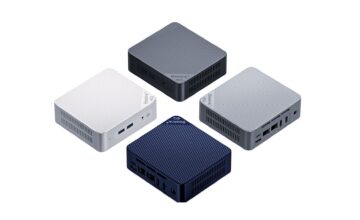
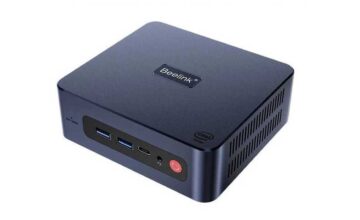
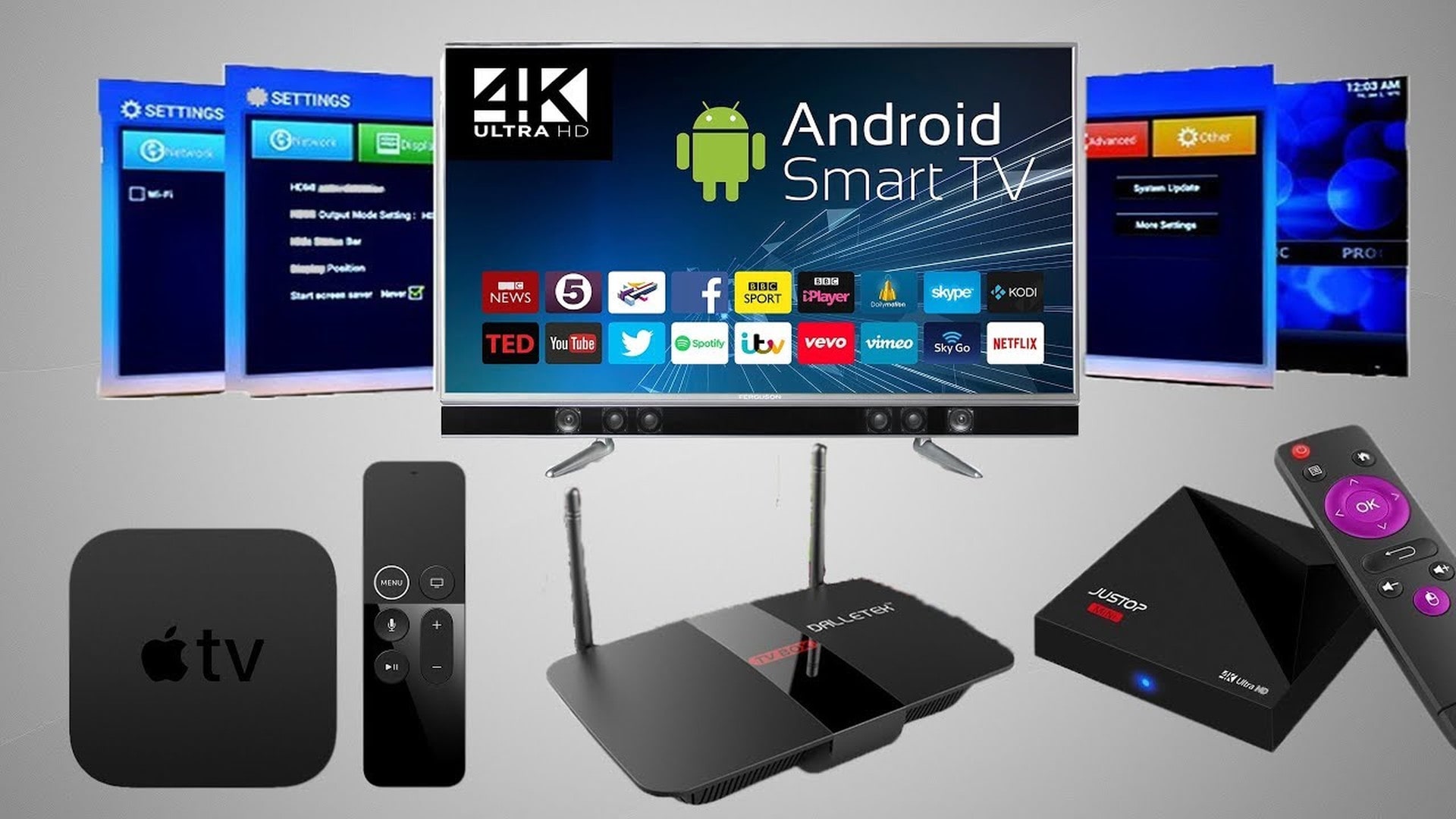
Very simply. On the market, there are TV-BOX applications. These are media players, priced from $30 to $300. Budget solutions are convenient for watching multimedia and individual settings. More expensive players have gaming features. If you buy a gamepad, then a gaming console is not needed.
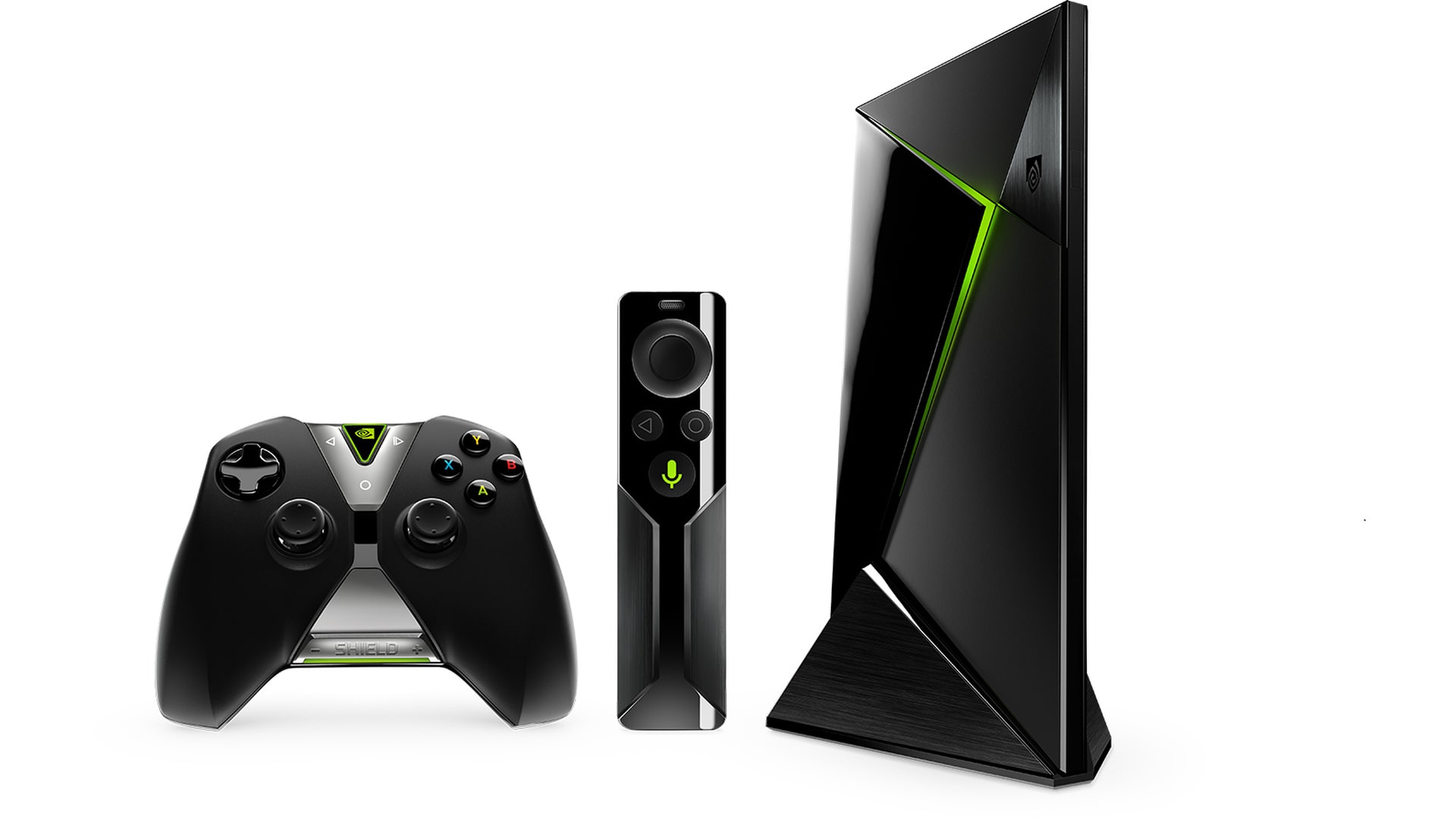
And you don’t have to play only Android games. With a powerful chip, you can easily run cool games from the nVidia service. And that’s a different level. Choosing a player is easy, both in price and functionality. On our site, there are current reviews for many TV-BOX models – choose via the link.
Which TV is Better to Buy — Specifications
Equipment is purchased for 7-10 years, so it’s better to focus on image quality. Definitely, it should be an IPS matrix at least. Cool options are OLED and QLED displays. More vivid colors and excellent dynamics in scenes of movies of any genre. That’s where you should invest money — in image quality.
Secondary criteria are functionality. For watching terrestrial and satellite channels, a suitable tuner in the TV is needed. All other technologies, like Bluetooth, NFC, DLNA, Wi-Fi, Miracast, etc., are generally not interesting if you plan to connect a TV-BOX. Because the TV will operate as a monitor with a set-top box. The same functionality is available in the set-top box — there’s no point in overpaying.
It’s better to pay attention to such characteristics as refresh rate and support for different video playback modes. The feature of these criteria is that the set-top box will output the picture in the best quality — resolution and frame rate. And it’s very important that the TV supports all these formats. Otherwise, there will be frame skipping — when the picture on the screen appears jerky and slow.
And it’s good when the TV has up-to-date interfaces for connecting equipment. This includes HDMI 2.0 (or higher), analog and digital audio outputs, and support for power management via HDMI. You can also add the ability to adjust HDR, brightness, contrast, and color temperature. The more settings for sound and picture, the better.