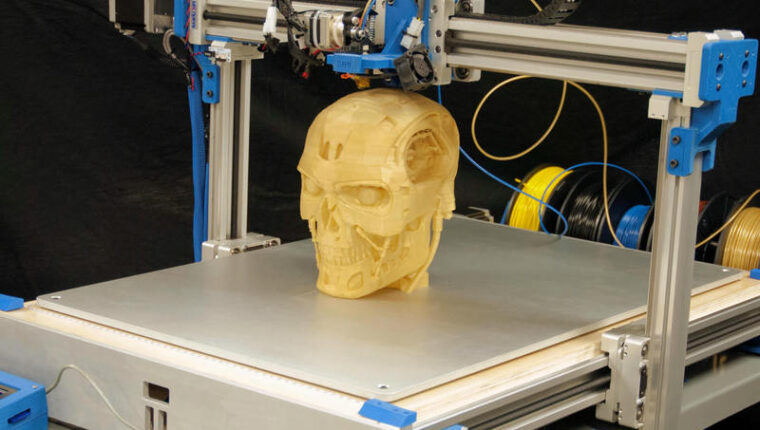
3D printer is a mechanical device for printing three-dimensional objects (parts). The device works by layer-by-layer application of composite materials and bonding agents in a specific order programmed into it.
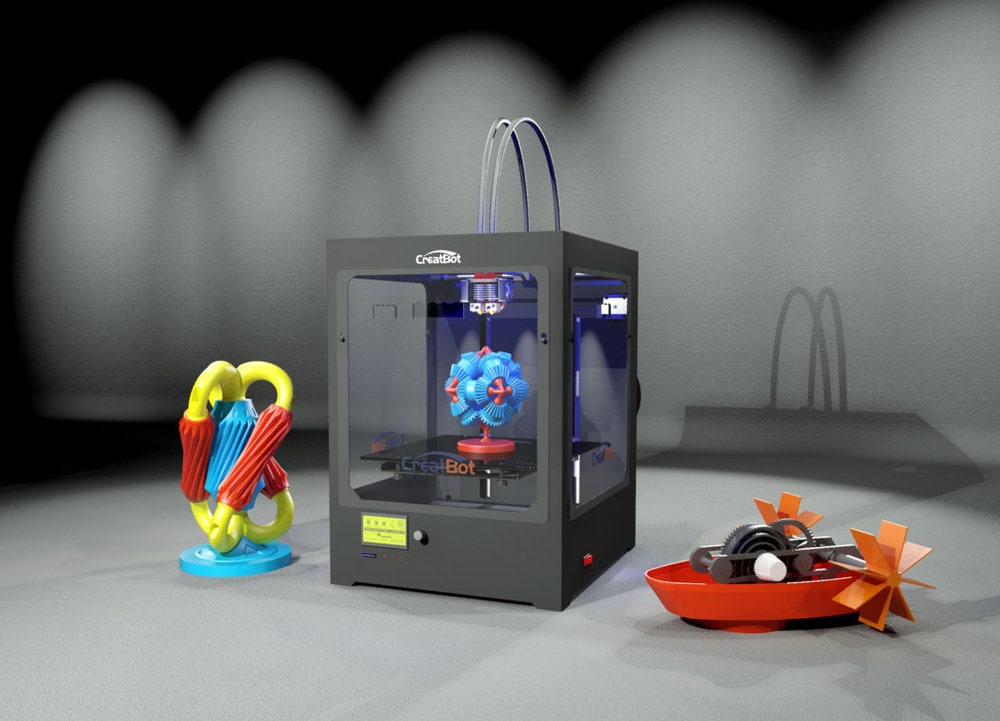
3D printers are used in manufacturing and at home for creating complex parts, molds, or prototypes. Devices come in professional and hobbyist versions. The difference lies in price, functionality, and durability of the finished products.
3D Printer for Manufacturing Needs
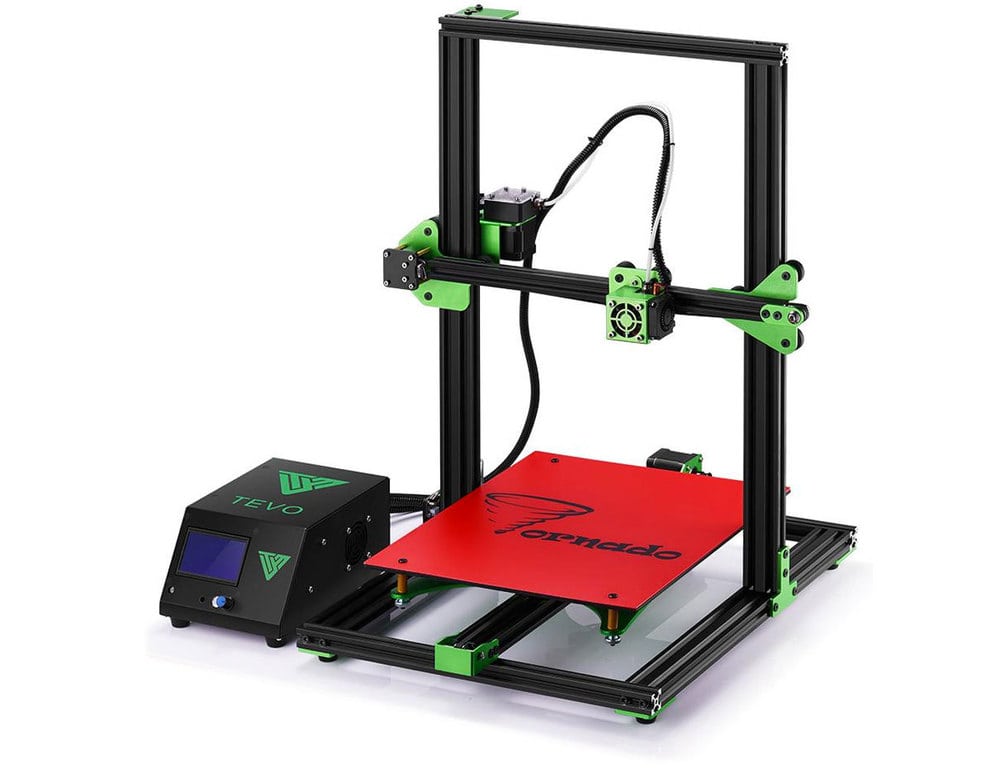
Producing oversized, quickly wearing spare parts for machines and mechanisms is a basic application. With the proper selection of composites, the final products match the strength and reliability of original components. At the same cost, there is a time-saving advantage in replacing parts.
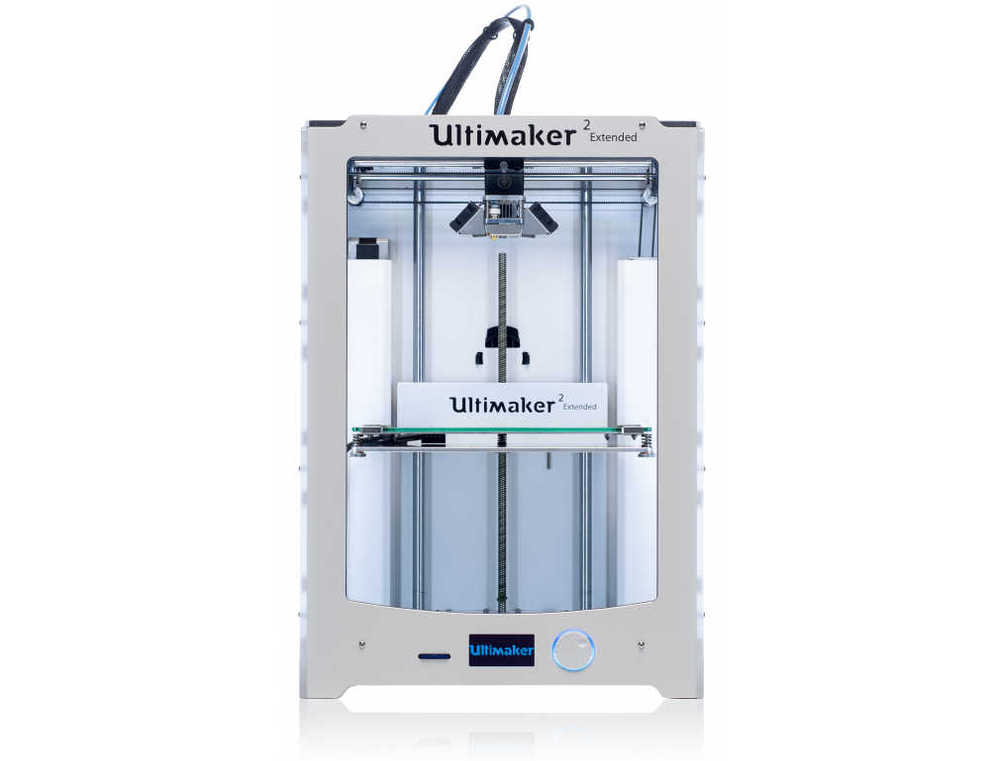
Creating prototypes from composites is in demand in the food industry. Manufacturers of alcoholic and non-alcoholic beverages create prototypes of bottles and other containers. 3D printers are used to print samples of souvenirs for small and medium-sized businesses.
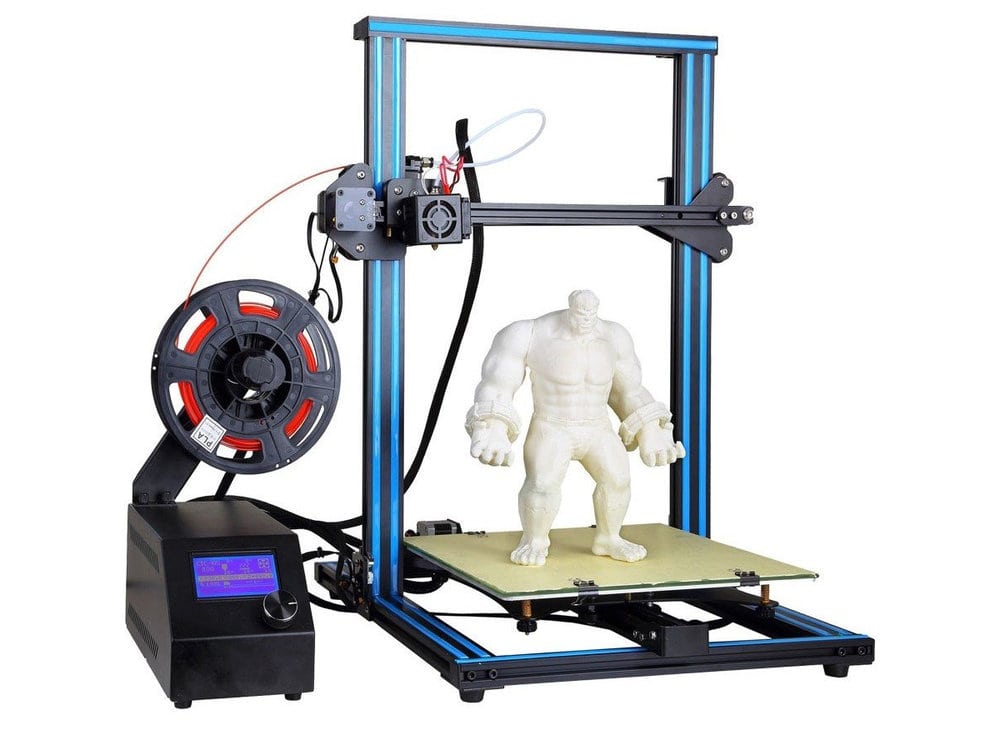
In the automotive industry, devices are used to create tuning elements before serial production.

Recently, medical centers and universities have also started using 3D printers. The technology is excellent for printing educational aids, helping students and schoolchildren visualize the structure of the human body.
3D Printer at Home
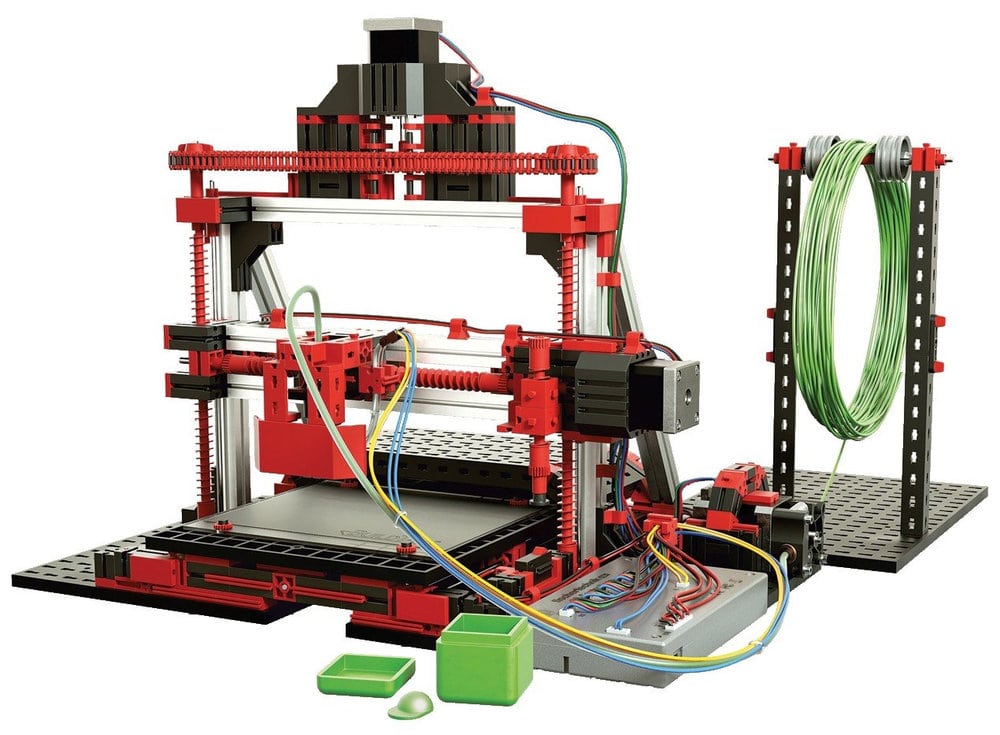
Creating three-dimensional objects has attracted hobbyists of 3D modeling. Cars, airplanes, helicopters, quadcopters, boats – these are common hobbies. Enthusiasts quickly learned how to operate the device and started printing spare parts. Buying components individually takes time, and finding the necessary element can be difficult.
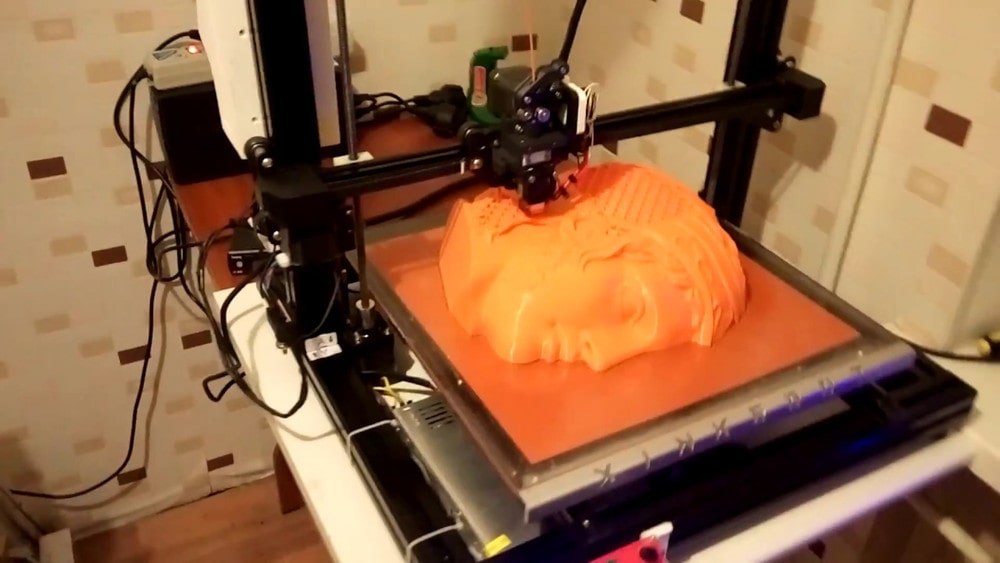
The same AliExpress does not always meet demand. Here, an inexpensive device quickly makes a part according to specified parameters. Toys, spare parts for mobile devices, transport – no restrictions. A 3D printer is an indispensable home device.
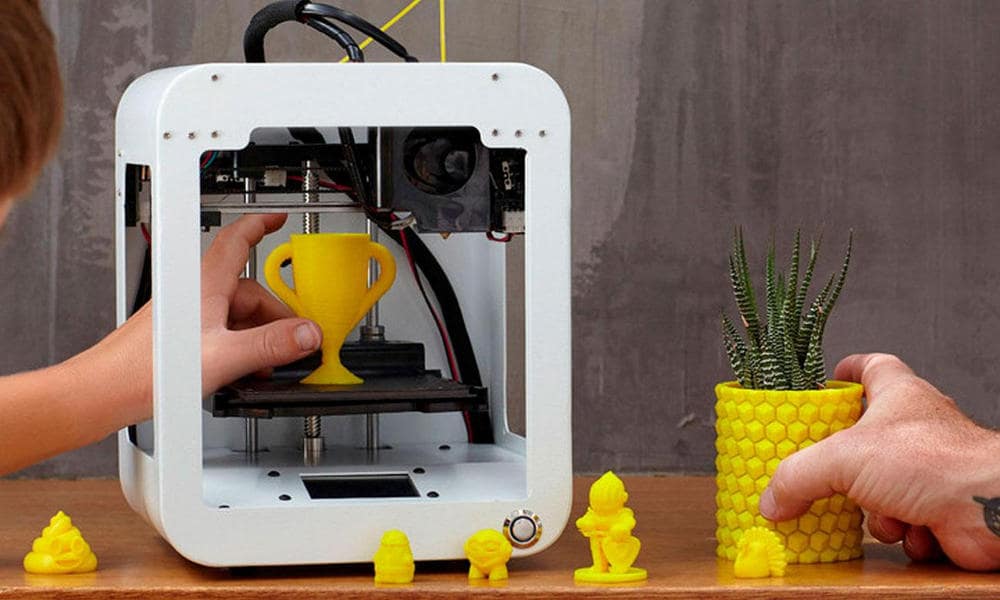
Which device should you prefer? Professionals recommend starting with your budget. Once you determine the maximum cost of a printer, ask the seller about the availability and cost of consumables. Often, inexpensive printers are costly to operate. Also, find out about warranty periods and whether there is a service center nearby. As for brands, the choice is up to the buyer (such devices are made conscientiously – this is a business where nobody wants to lose sales).
![[Exclusive] Noise Master Series: Review of flagship headphones](https://teranews.net/wp-content/uploads/2025/09/frame_19522-360x220.webp "[Exclusive] Noise Master Series: Review of flagship headphones")