
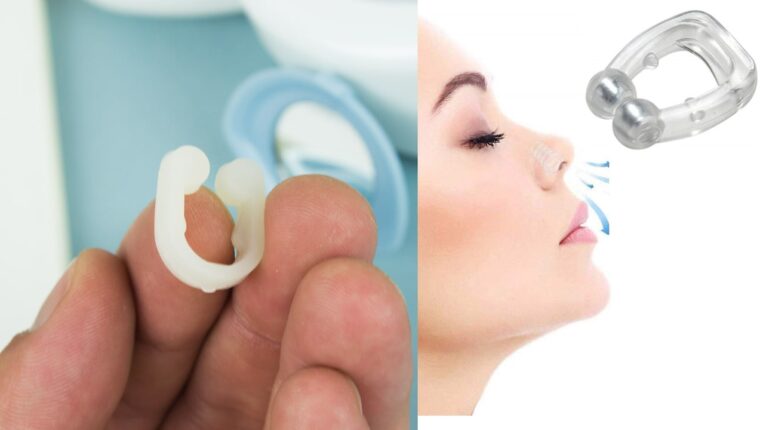
The “Anti-Snoring” snoring clip is a bulky device made of plastic or silicone designed to eliminate snoring during sleep. The clip is worn on the inner septum of the nose. Built-in magnets on the edges of the clip attract each other, thereby improving fixation.

Products from various brands have flooded the market. Prices range from $3 to $20. The designs differ in functionality. Some are simple clips, others have built-in filters. These items are classified as medical equipment and are recommended for snoring treatment. Naturally, consumers have questions about the advisability of purchasing and the effectiveness of inexpensive remedies.
Anti-Snoring Clip: Advertising Discrepancies
There is suspicion that the same product is advertised differently by different sellers. Some claim that the clip is a tool for treating snoring. The internet offers hundreds of listings with accompanying instructions. Sellers recommend treating snoring with specific methods, such as using the device for two months with weekly intervals, or for a month followed by a two-week break.

Such discrepancies lead to thoughts of deception. After all, all medical devices and medications should have a unified instruction. But that’s just the tip of the iceberg.
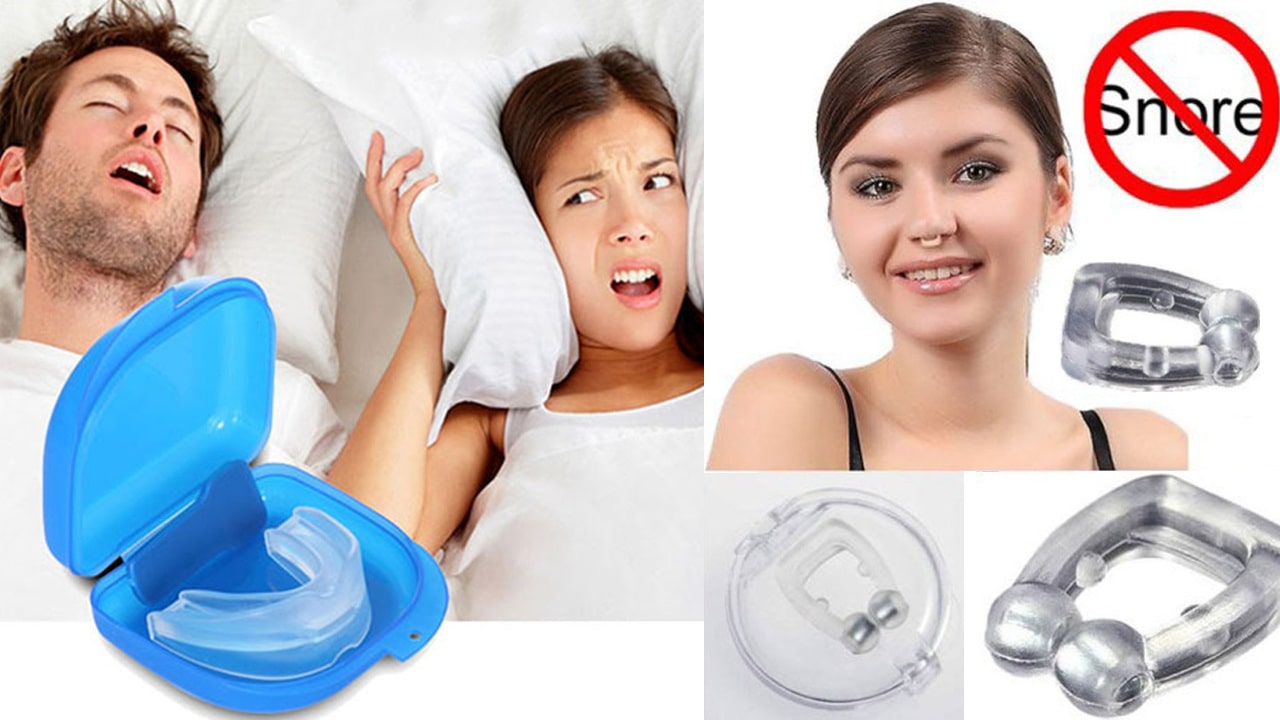
Online stores that position themselves as sellers of consumer goods claim that the healing effect is due to magnets. Allegedly, the magnetic field affects the septum, causing a massage of the tissue in the nasal cavity. The “vibromassage” effect during breathing reaches the back of the palate and helps eliminate a runny nose.
Anti-Snoring Clip: Reviews
Otolaryngologists (ENT specialists) strongly advise against using such snoring clips. The problem is that each person’s nasal septum varies in thickness. Devices with or without magnets can only harm during the night. The “Anti-Snoring” clip can constrict blood vessels and capillaries. It’s important to remember the nerve endings concentrated in the nasal cavity. Clips with filters impair oxygen intake and hinder carbon dioxide removal. Additionally, the bulky design interferes with sleep. Users often experience constant irritation of the mucous membrane.
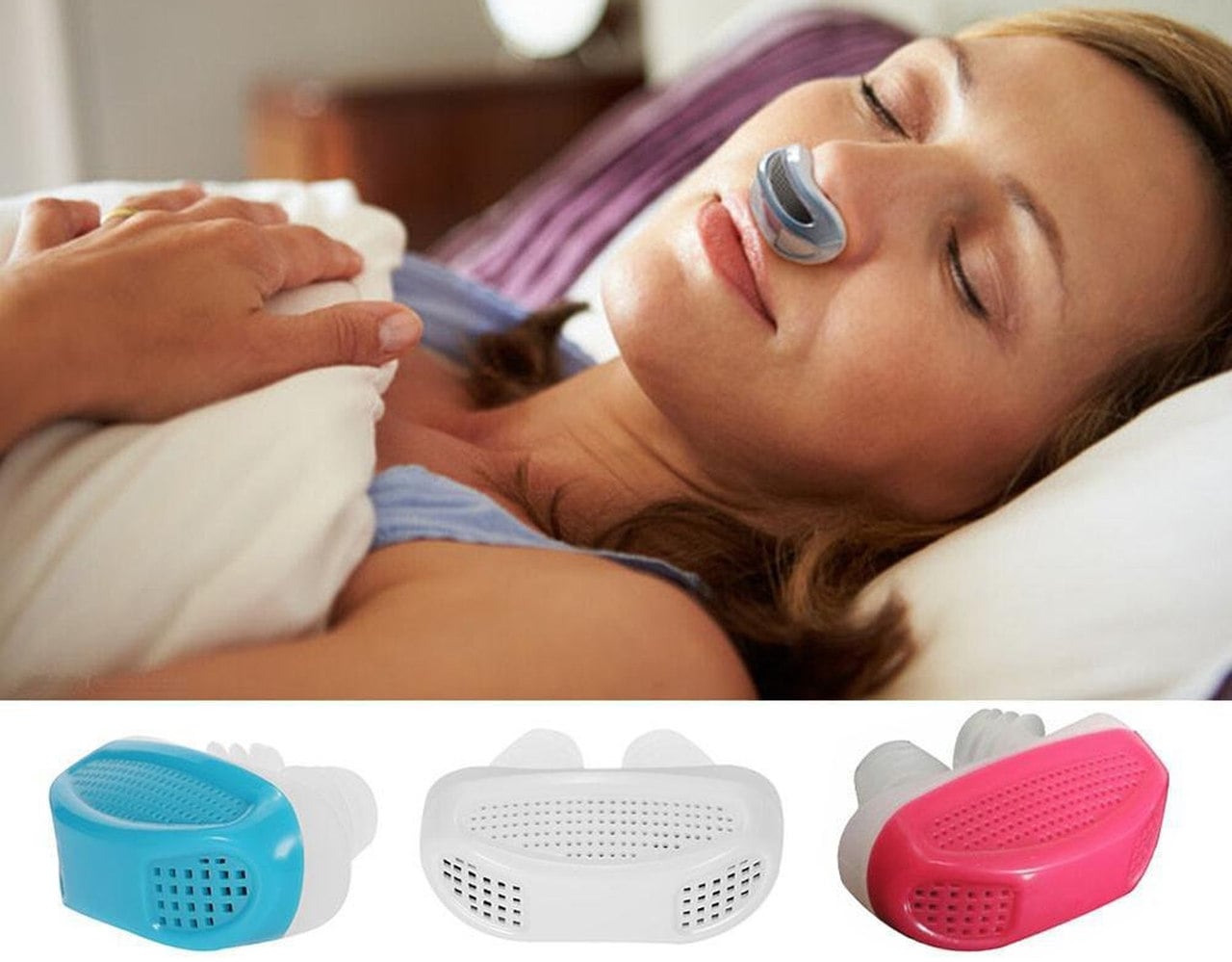
Many buyers note that snoring disappears when using the clip. But this is a placebo effect. A foreign object in the nose simply causes discomfort during sleep. It might be a relief for others around, but for the user, it disrupts sleep with all neurological consequences. For snoring issues, it’s better to consult a specialist. An ENT doctor can advise on medical methods to eliminate snoring. Although treatment may cost more, the effectiveness is guaranteed. Plus, the body won’t be harmed.