While pharmacists earn billions from drugs that extend the lives of cancer patients, biomedical engineers are developing innovative products. Researchers from the University of California have taught bacteria to fight cancerous tumors.
Cyborg Cells Assist in the Fight Against Cancer
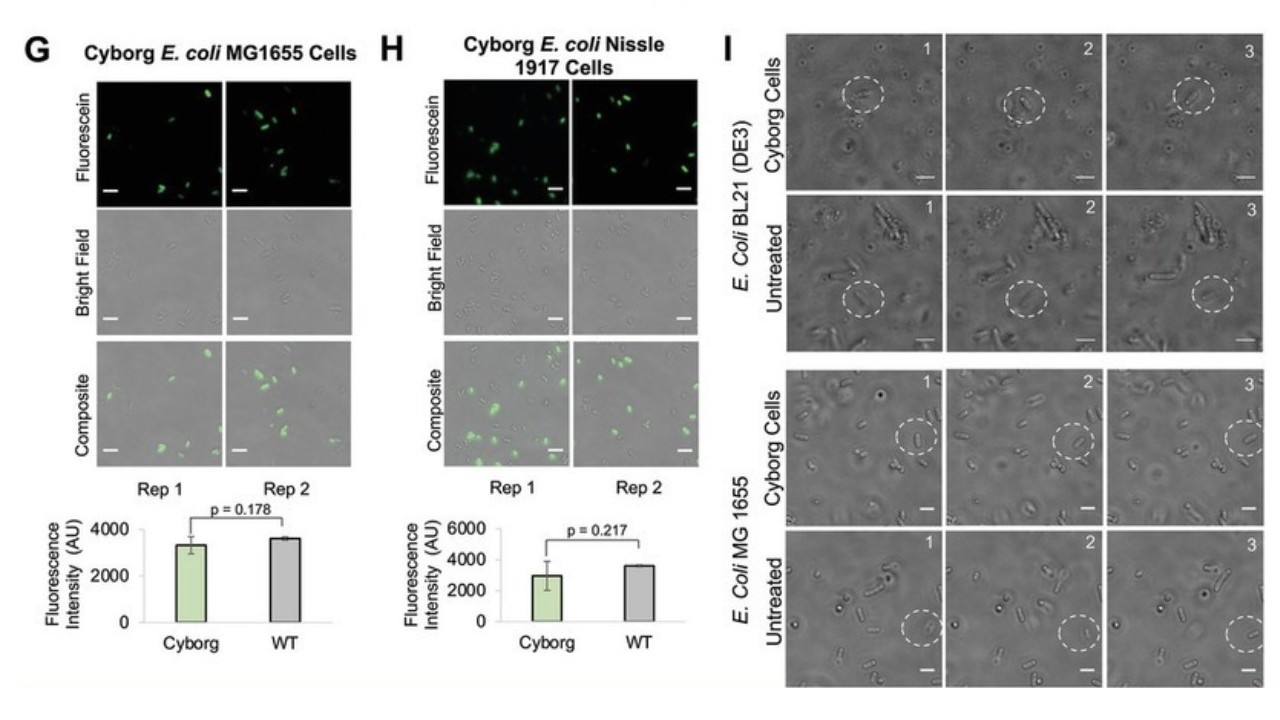
Scientists have managed to create cyborgs based on bacteria and polymers. Their feature is full participation in the metabolic process. More precisely, cyborg cells are involved in protein synthesis. After all, protein cells are susceptible to viral infection and capable of reproducing themselves.
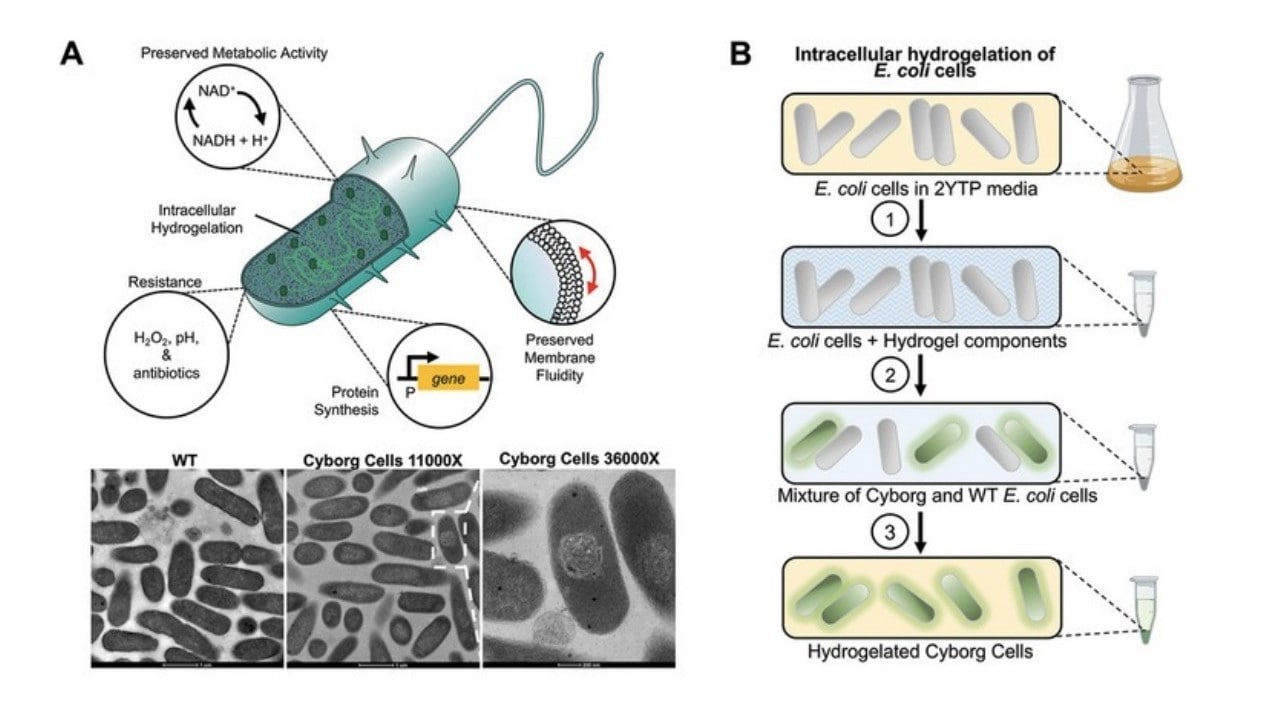
Someone might say that before entering the body, these cyborg cells will die, passing through the body’s complex defense mechanisms. But it’s not quite like that. Thanks to polymers, bacteria are temporarily protected. And their activation occurs under ultraviolet light. It is the irradiation that transforms the cyborg cells into a hydrogel matrix, mimicking the extracellular matrix.
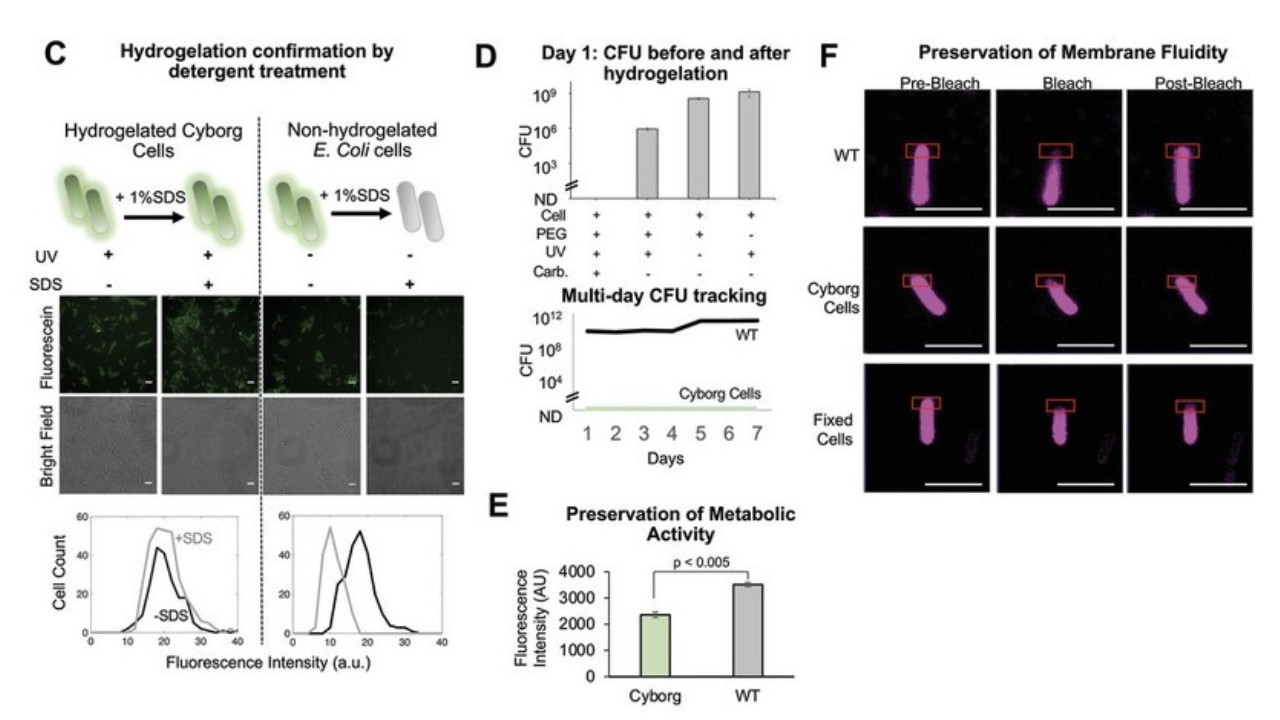
Interestingly, the stability of cyborg cells is very high. They are unaffected by antibiotics, pH changes, and the body’s protective “tools.” However, there is one drawback – cyborg cells cannot reproduce. This reduces their effectiveness in fighting self-developing cancer cells.
It is still too early to talk about mass implementation of cyborgs. This requires many years of clinical trials. Moreover, such an innovation is unlikely to be welcomed by the giants of the pharmaceutical industry. After all, if scientists succeed in curing cancer, the need for other medications will diminish.