
As the characters of a certain series said – «Winter is coming». And arguing about the scale of global warming can go on endlessly. In any case, not everyone has centralized heating. And air conditioners are too power-hungry and do not always start up in freezing weather.
Electric Heaters – What Types Are There
Let’s immediately limit ourselves to the list of tasks that heaters should handle. We are talking about heating a residential space – a house, apartment, office. Accordingly, we exclude equipment like heat curtains or blowers. These are devices for larger-scale tasks and are not suitable for us.
Electric heaters can be purchased in 5 types:
- Oil-filled.
- Ceramic.
- Infrared.
- Air-based.
- Convector.
Each type of heater has its own principle of operation, design features, and technical specifications. Before choosing a device, the buyer must be sure to answer 2 questions:
- Area of the heated room. Not just the room where it will be installed, but the space that will be warmed. This is important. The power of the heating device is calculated based on this criterion.
- Expected electricity consumption per month. The higher the power, the more you will pay on the bill. Here, you should roughly estimate how much you plan to spend on heating the living space.
Some might say that finding a compromise is impossible. And they would be wrong. There is always a golden mean, as there is another criterion – price. This is what primarily determines the buyer’s choice. Remember, there is a concept called “energy efficiency class of household appliances.” If the manufacturer did not specify the letter “A” or “B,” then the heater will, in any case, be power-hungry in terms of electricity. And there is nothing you can do about it.
Heat Fans – Simple and Convenient Heaters
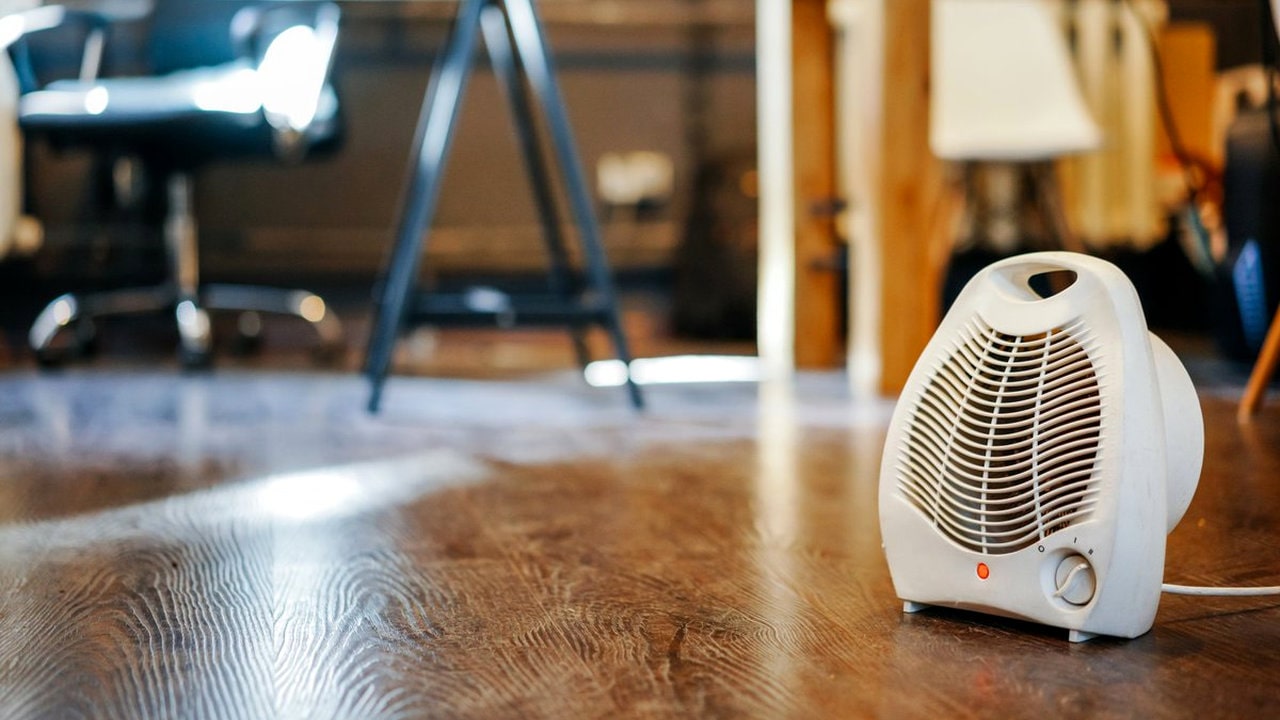
The feature of heat fans is their simple design, which guarantees the buyer a minimal price for equipment. Devices turn on quickly – they immediately start providing heat upon startup. Moreover, heat fans additionally ensure the circulation of heated air throughout the room.
In heat fans, the heating element is a metal spiral or ceramic plate. We are talking about devices relevant in 2021. The price of a heat fan depends on its power, design features, and brand. You can buy a regular fan with heating in a budget class or opt for something more advanced, such as a device resembling a speaker or a portable boombox on wheels.
When choosing heat fans, consider the basic criteria:
- Power consumption and heat dissipation.
- Noise level in different modes of operation.
- Availability of desired functions. For example, automatic rotation, overheat protection, remote control, etc.
Heat fans are generally budget class devices. Serious brands offering climate technology on the global market simply do not include such low-efficiency devices in their range. They have very low efficiency. But for a small room where you need to quickly raise the air temperature, this is a great device.
Oil Radiators – Keepers of the Family Hearth
Probably, oil radiators were invented as a counterpoint to heat fans. They take a long time to start working but can maintain warmth in the room for some time after being turned off. These heating devices are very safe for users, which attracts buyers with small children.
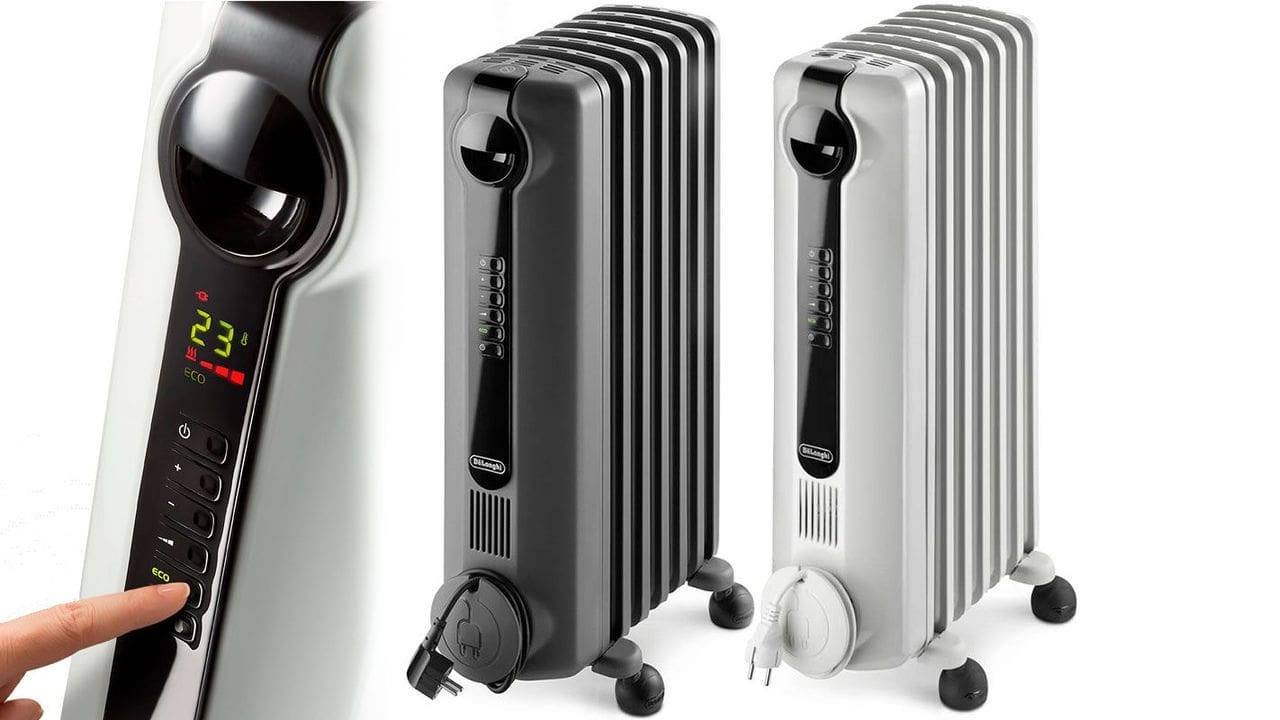
Oil radiators come in regular and fan-assisted versions. The latter is more effective at dispersing heat throughout the room. When choosing, consider the following criteria:
- Number of sections. The more, the more effective the air heating. But the larger the device itself. A compromise is needed.
- Convenient control. The heater may have not only an on/off button but also a thermostat for temperature regulation. An anti-tip protection, which automatically turns off the device if it falls, is also useful.
Ceramic Heaters – The Elite Representatives
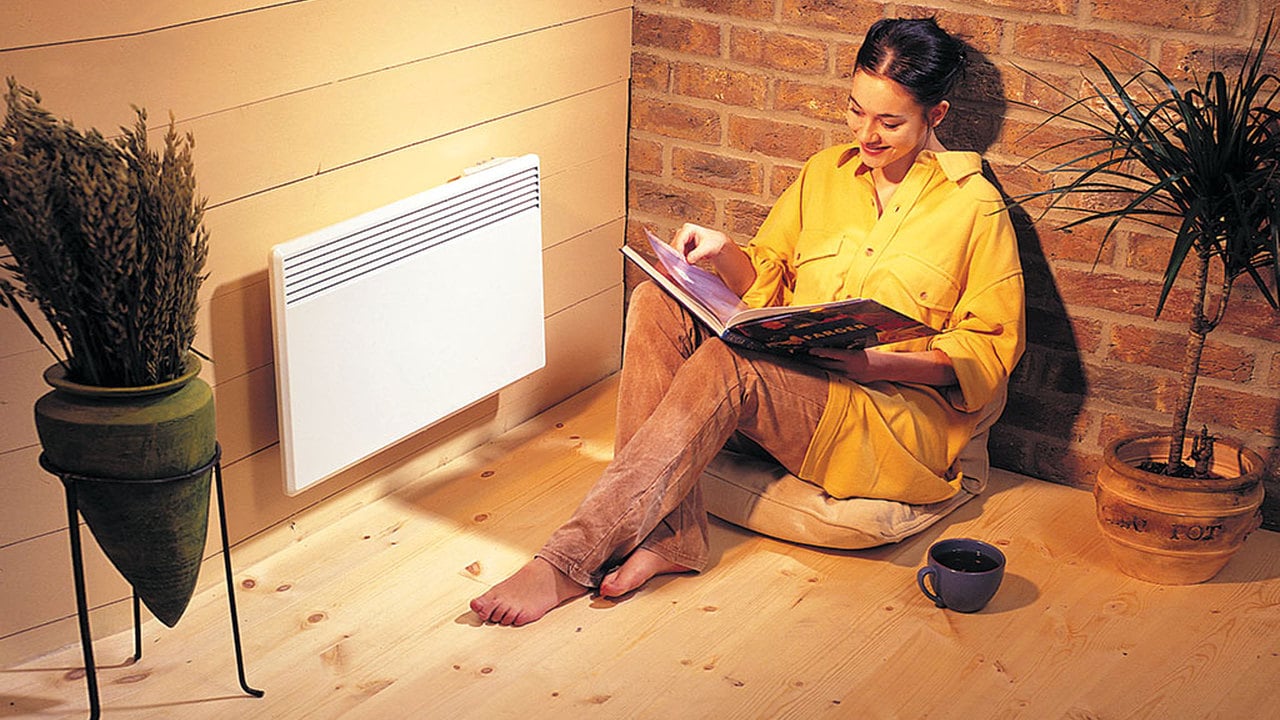
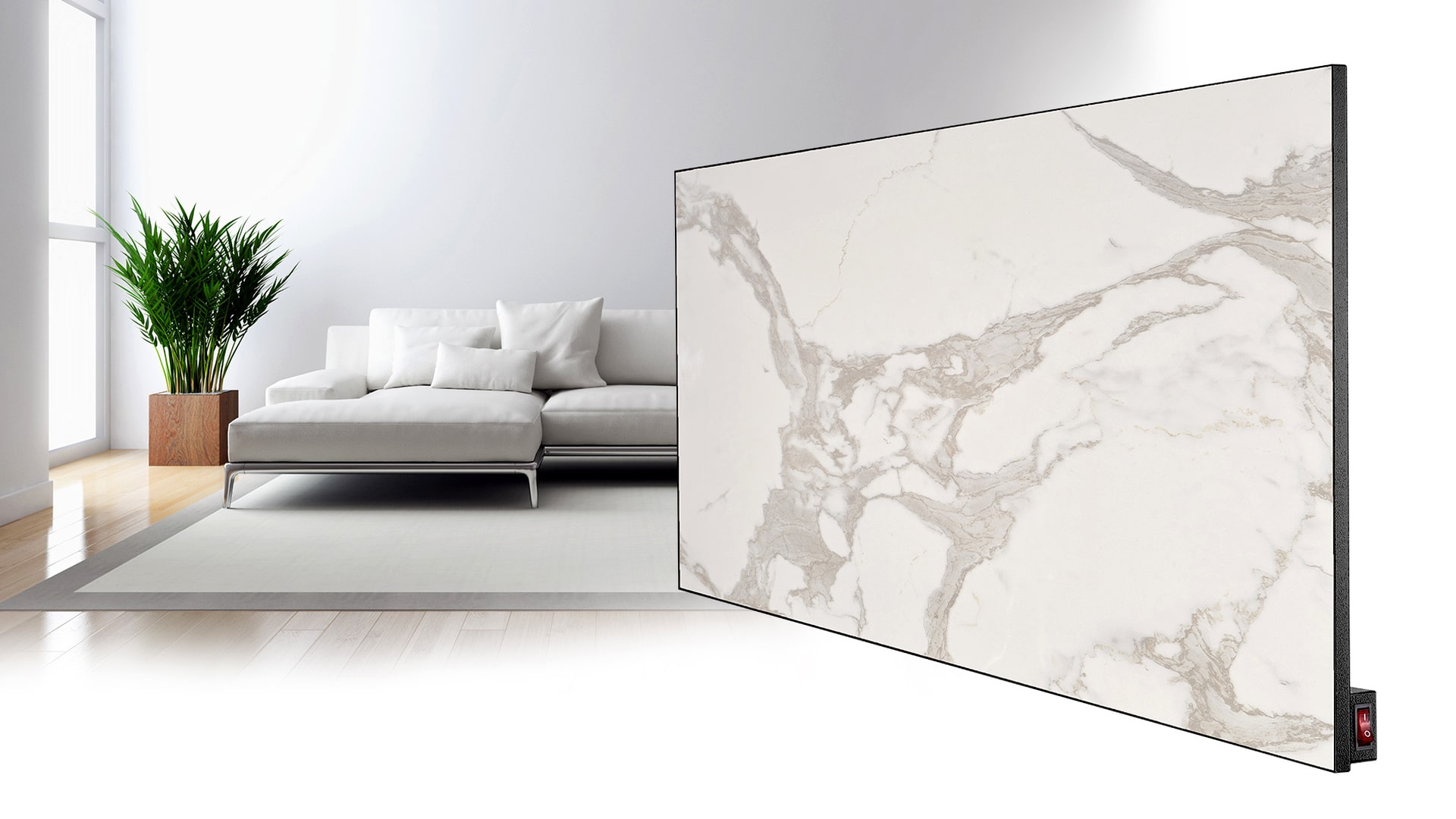
They are metal plates covered with a thick layer of ceramic on all sides. Ceramic heaters turn on quickly and demonstrate high heating efficiency. An attractive feature is that the heater does not take up space in the room – it can be wall-mounted. Manufacturers of ceramic devices offer excellent design solutions that fit perfectly into the interior of a living space.

Advantages of ceramic heaters include a high energy-saving rate. The device consumes much less energy than an iron or air conditioner. This applies to products from advanced brands. By the way, many manufacturers use granite instead of ceramic for cost savings. You can save on the purchase – granite is much cheaper than ceramic. But this material looks unattractive in a home or apartment and consumes more energy.
Infrared Heaters – Spot Heat Radiation
In terms of local heating effectiveness, infrared heaters are considered the most efficient solutions. The device heats not the air but objects capable of absorbing infrared radiation. Interestingly, the darker the surface in color, the better it heats. The price of infrared heaters is low, and they consume little energy – a cost-effective choice for buyers.
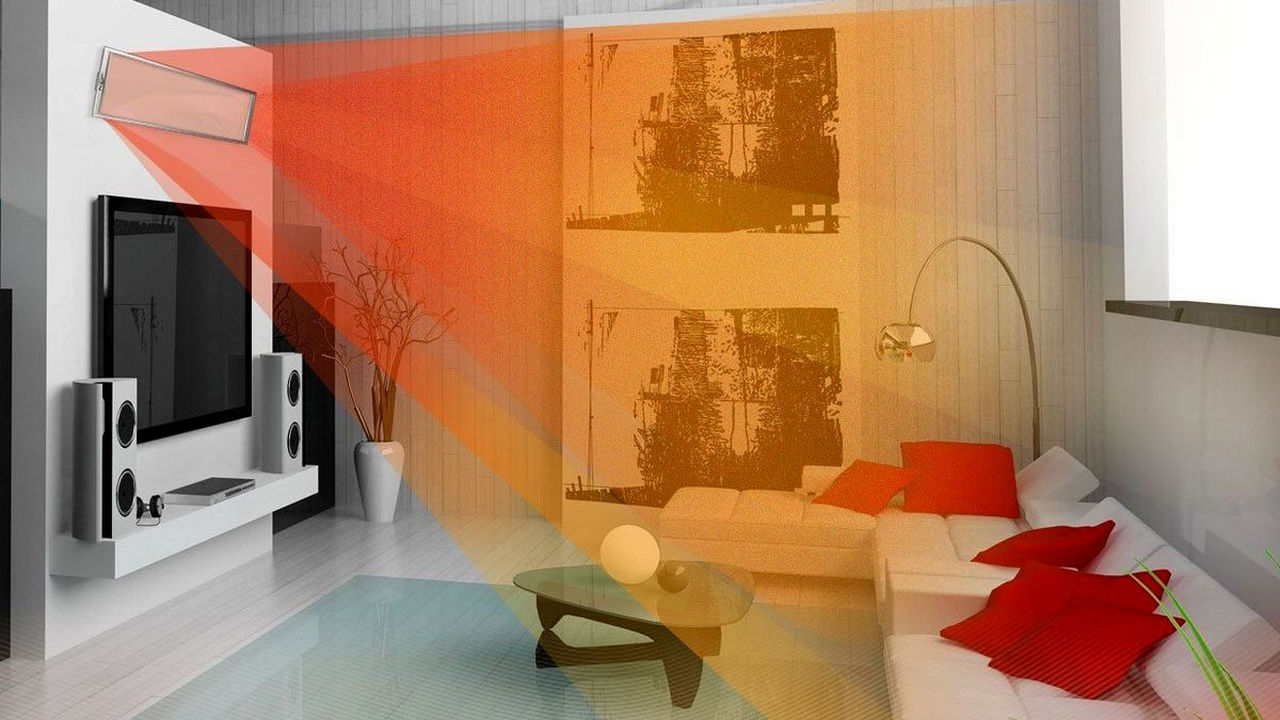
However, there is one unpleasant aspect – objects in direct line of sight of the emitter will heat up. All other corners, walls, objects, and people in the house will receive dispersed heat from heated objects. This is a significant drawback of infrared heaters.
Infrared heaters with basic functionality only have an on/off button. Rare models include a thermostat to regulate the radiation intensity. These devices are safe for humans, but their construction is very fragile. Proper installation or mounting is necessary for infrared heaters.
Convector Heaters – The Best Solution for Office Use
This type of heating device is considered the most efficient in terms of energy savings. Many users do not even turn off convectors at night. The device heats the room once and then simply maintains the warmth. They do not boast high heating efficiency but can create optimal conditions for people in the room. This explains the popularity of convectors with a convective principle in business.
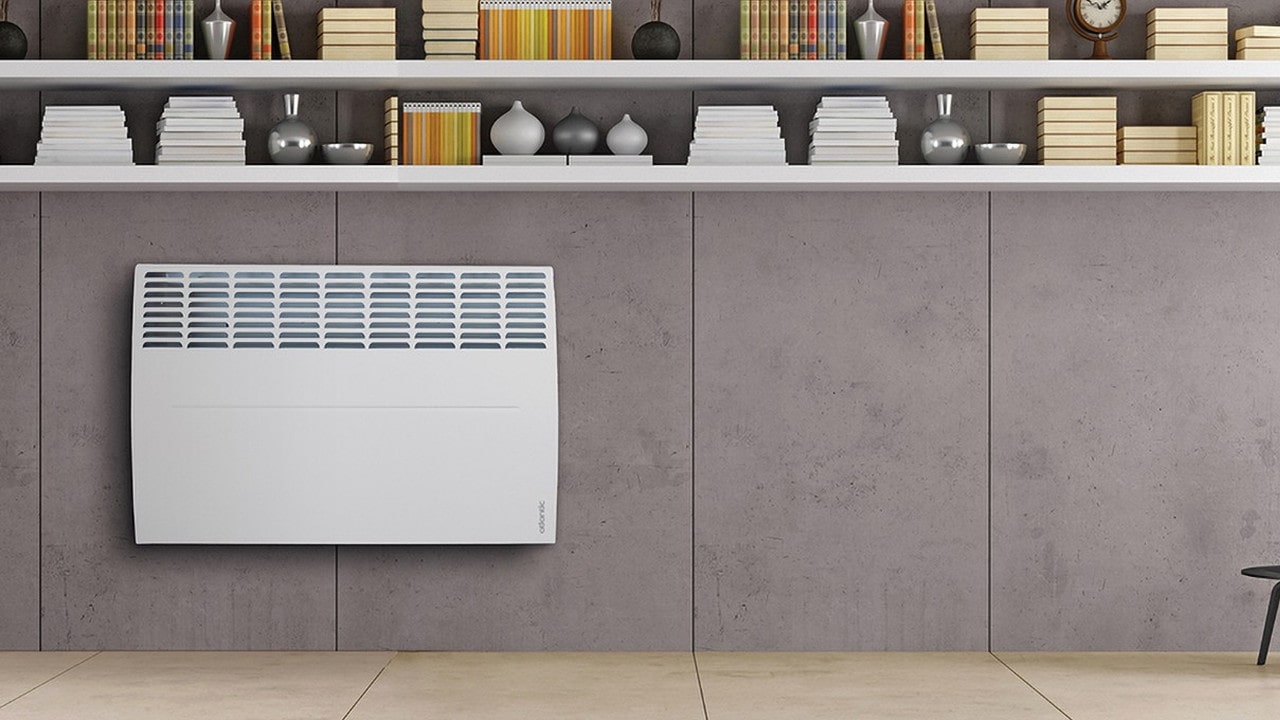
Convector heaters can be wall-mounted (stationary) or mobile on wheels. They differ in size, effective heating area, and energy-saving class. Some manufacturers offer floor-standing convectors or models for children. The latter are equipped with backlighting, attracting children and serving as night lights.

Myths About Electric Heaters and Reality
It’s unclear who started this fake first, but people accepted it as a basis and always discuss the issue with sellers. It concerns the supposed harm of electric heaters to human health:
- Electric heaters burn oxygen. Let’s think for a second – why does a match burn in the air? Because there is oxygen in the air, which provides an ideal environment for combustion (oxidation) of the match. That means, for an electric heater to burn oxygen, a combustion process would be necessary. Yes, in the 20th century, spiral heaters existed that burned a small amount (less than 0.01%) of oxygen during operation. But there was no actual combustion process, otherwise, the spiral would simply burn out. To compare, a hamster or a small kitten in a house consumes more oxygen in a day than an electric heater over its entire lifespan.
- Heaters dry the air. Another myth that contradicts the water cycle law. Heating the air does not change its humidity. During the heating season, hygrometers show lower humidity due to the decrease in outdoor humidity. And tightly closed windows and doors will not prevent humidity imbalance – only by a few percentage points. To create comfortable humidity conditions, buy a humidifier.

In conclusion, with a minimal budget, it is better to choose a heat fan. For spot instant heating, take an infrared heater. If you want to maintain a minimal cozy environment constantly, a convector is suitable. For households with children or if you need the most efficient temperature control, oil-filled or ceramic heaters are recommended. Among them, the choice depends on attractiveness and personal preference.
![[Exclusive] Noise Master Series: Review of flagship headphones](https://teranews.net/wp-content/uploads/2025/09/frame_19522-360x220.webp "[Exclusive] Noise Master Series: Review of flagship headphones")