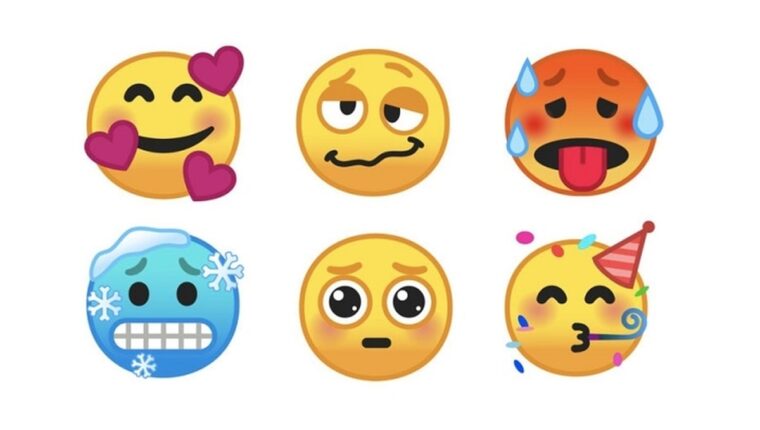
July 17, 2019, marks World Emoji Day. It refers to the smiley faces used in electronic messages. The graphic language first appeared in Japan and quickly spread worldwide. Before this, punctuation marks were used, which are still relevant to the older generation. As part of the celebration, Google introduced 65 new emojis that will be included with the Android 10 Q operating system.
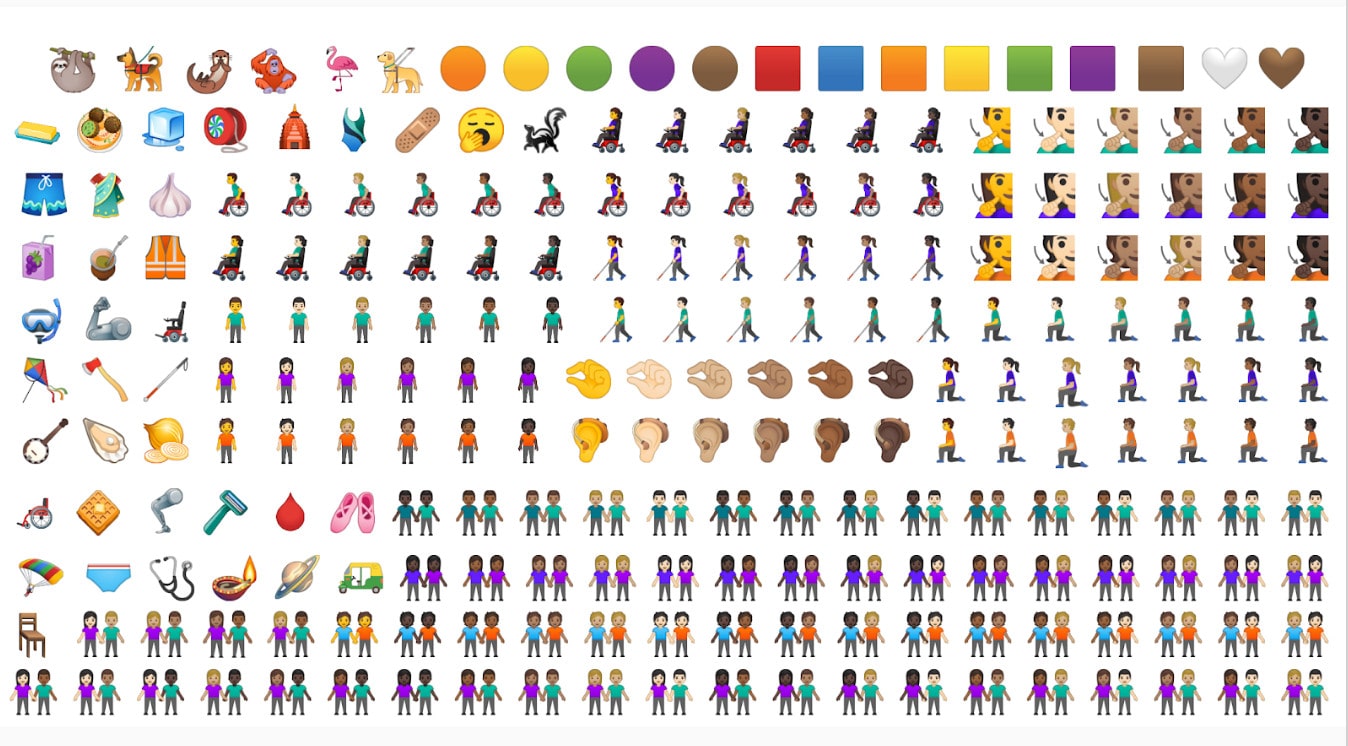
In addition to the list of new animals and products, the selection includes 53 gender-neutral emojis. In the press release, Google representatives explained that the emojis themselves will be without textual descriptions and without gender indicators. The gender-neutral emojis have been expanded from two to six skin tone shades.
Google Introduces 65 New Emojis
According to IT market experts, the gender issue with emojis has been raised multiple times by Europeans over several years. However, Google was not in a hurry to make any changes. Most likely, the decision to add new emojis is related to the launch of another Google product. It is about the Google Pixel smartphone. Devices praised for their build quality and functionality have low popularity in Europe. Therefore, the manufacturer decided to take this step.

It is known that an update to Android Q BETA version is already available for all compatible Google Pixel smartphones. However, users are not rushing to download and install the new firmware. The fact that Google introduced 65 new emojis is good. But the update is not functioning correctly. After installation, it is found that all applications on the smartphone gain access to the navigation chip, meaning they have unlimited access to the user’s location.
Perhaps this is not a bug at all. There is an opinion that Google intentionally made this innovation for its mobile devices. If the negative feedback does not receive publicity, it is quite possible that all subsequent smartphones will have the GPS module controlled programmatically.