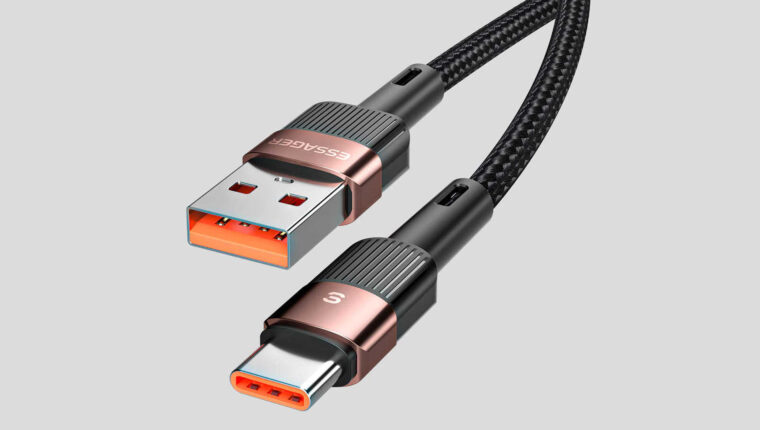
The European Commission has approved a new standard in the IT technology market. It concerns the type of connector for charging mobile devices. The USB Type-C format is recognized as the only and indispensable one. Micro-USB and Lightning connectors are banned. The exception applies only to miniature gadgets – headphones, watches, etc. For them, magnetic charging is used.
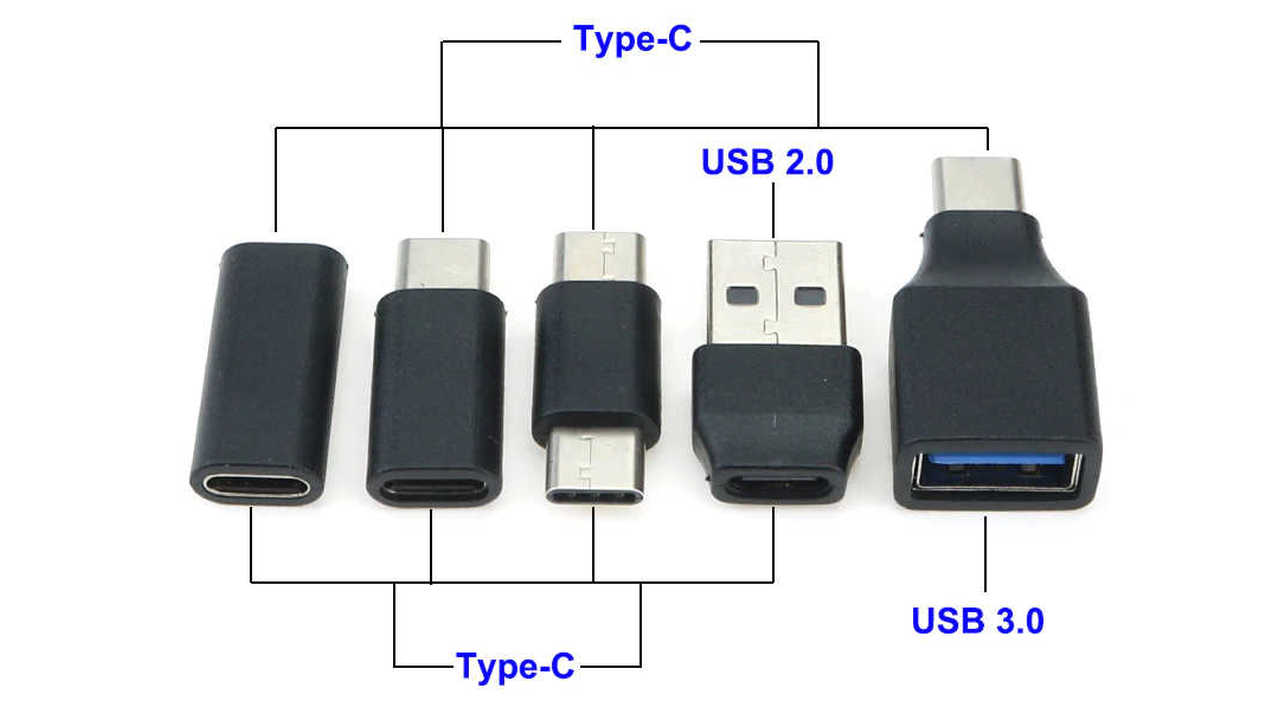
Advantages of the Unified USB Type-C Standard
After two decades, a consensus has finally been reached among manufacturers regarding power connectors for mobile devices. This is convenient. Having one power block and cable, you can charge many devices. Smartphones, tablets, cameras, flashlights, speakers, and so on.
Undoubtedly, this will solve the problem of waste disposal in the form of non-working chargers. According to the European Commission, this amounts to 12,000 tons of trash per year. Consequently, fewer resources will be needed to produce accessories, including rare earth metals used in electronics.
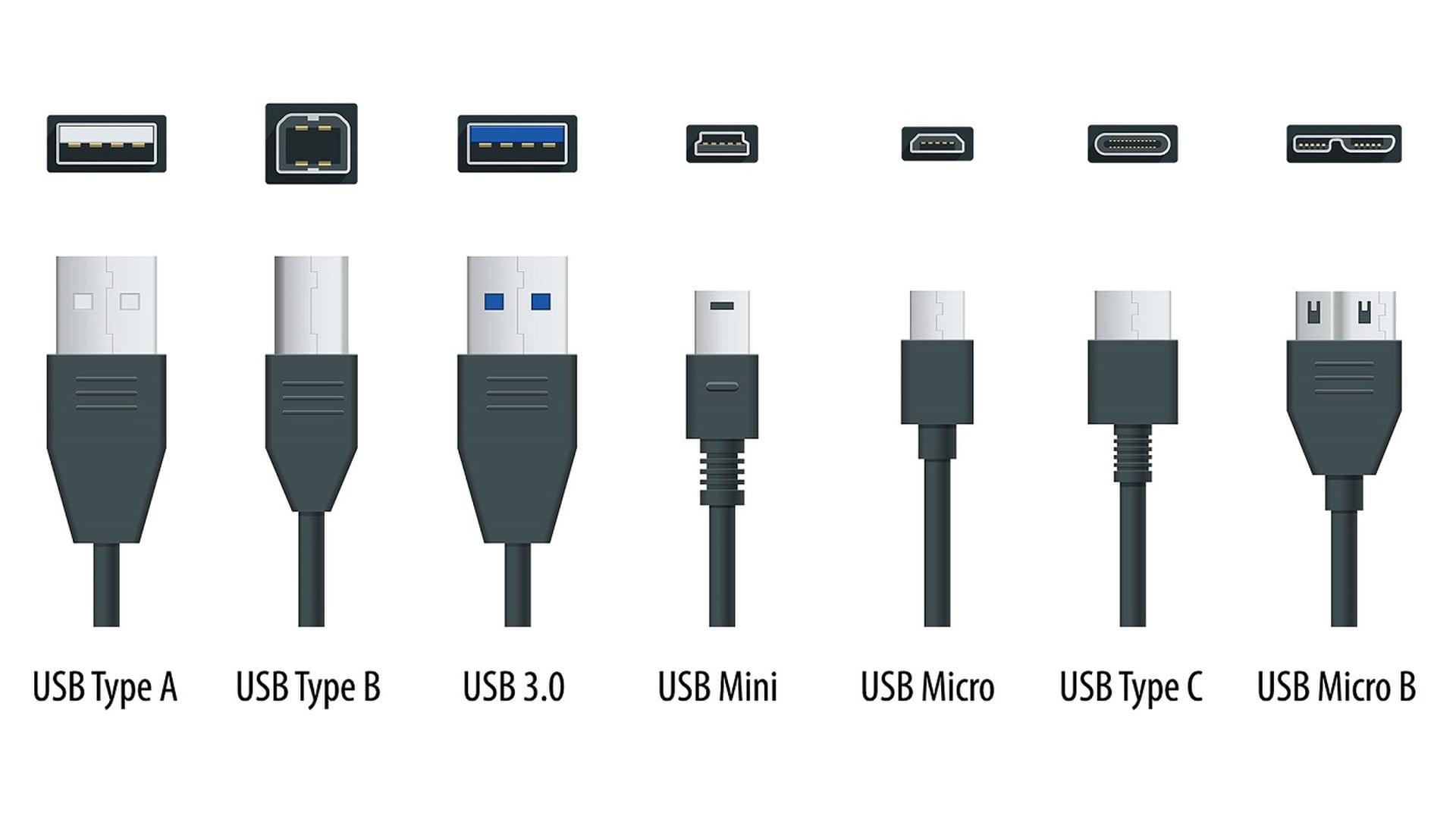
Of course, such a solution will benefit consumers by saving money. No need to spend on buying cables, power blocks, adapters, and other components for charging mobile devices. Versatility is convenient and practical.
Disadvantages of the Unified USB Type-C Standard
If you trace the evolution of all charging standards, you can notice differences in connectors. Year after year, manufacturers improved the shape, size, and device of the port. Besides user comfort, connectors differ in safety and charging power. The USB Type-C standard is just one stage of evolution. Scientific and technological progress cannot be stopped with a wave of the hand. What is happening now, in general. Tomorrow, USB Type-D (E, F, G) will appear. And they will work more efficiently. But they cannot be used because some European Commission approved the standard.
Already now, questions have arisen from Apple. The Lightning connector has been used since 2012 and demonstrates high efficiency. The Americans will definitely not allow Europe to destroy Apple’s creation by law.
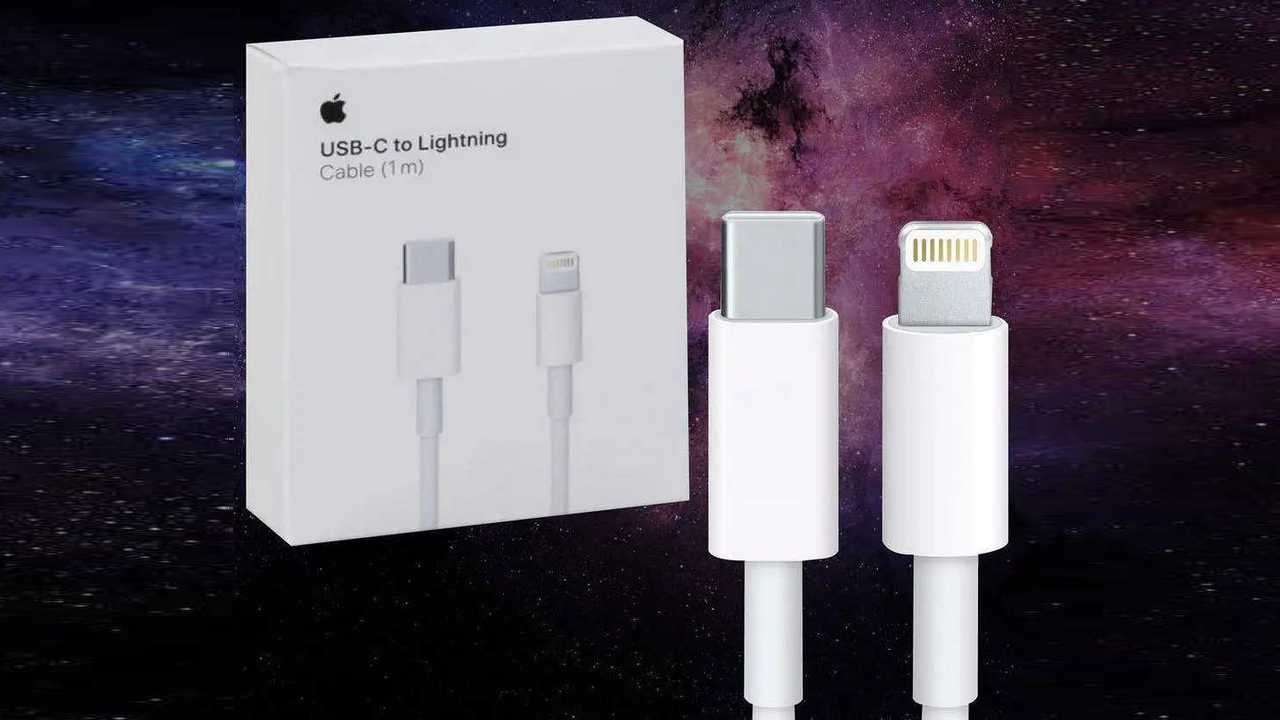
The law comes into force in 2024. Manufacturers have 2 years to resolve all issues. Which is good. Perhaps, engineers will come up with a new connector, and the European Commission’s decision will collapse like a house of cards. By the way, besides USB Type-C, wireless charging standards for mobile devices were also considered. But it’s very complex and unpredictable.
![[Exclusive] Noise Master Series: Review of flagship headphones](https://teranews.net/wp-content/uploads/2025/09/frame_19522-360x220.webp "[Exclusive] Noise Master Series: Review of flagship headphones")