
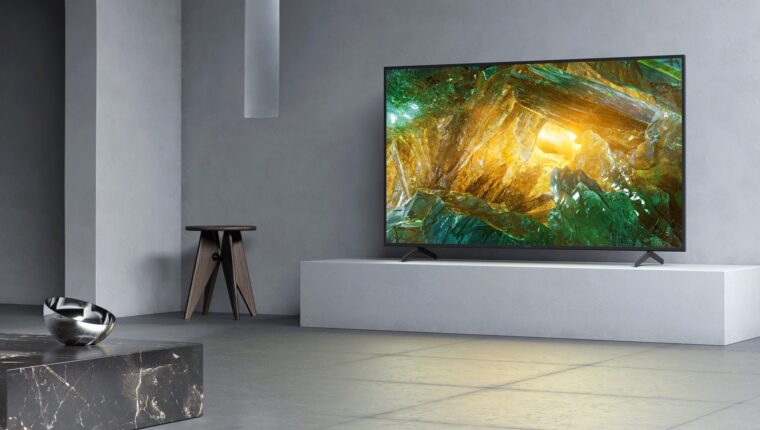
Due to the abundance of offers on the Smart TV market, the question of choosing between 4K and FullHD devices is asked more and more often. 2-3 years ago, the price gap was quite large – 50-100%. But due to the demand for 4K TVs, the cost has significantly decreased after dozens of brands entered the market. And the price difference is no longer so noticeable – 15-30%. Therefore, more questions have arisen – which TV is better to buy – 4K or FullHD.
Excluding marketing – look at the technical specifications
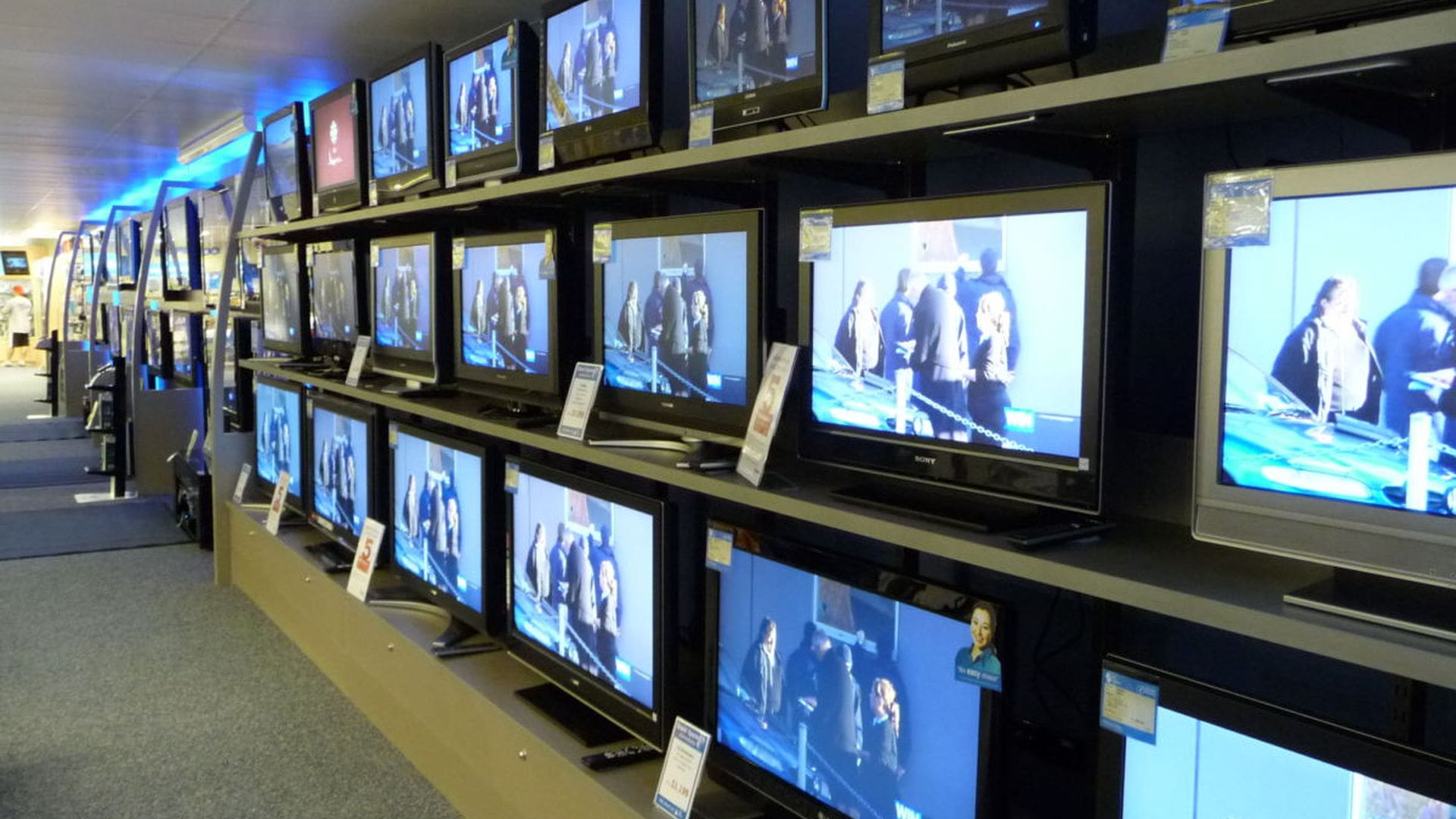
The point is that all manufacturers are interested in selling more expensive products. And inexpensive solutions are aimed at the budget segment. It cannot be simply closed off, as there is always a buyer with limited finances. Here he will buy that inexpensive but beautiful TV. Therefore, in all price segments, several options are offered immediately to facilitate budget-based selection.
4K or FullHD TV – which is better
It is better when a TV displays true colors. And it doesn’t matter what its resolution is. The buyer’s interest is to get decent picture quality on the screen. Resolution here is a secondary criterion, which depends on several factors:
- Screen size. 4K is 4096×3072 pixels per square inch. This is the standard. But TVs have a resolution of 3840×2160. FullHD is 1920×1080 pixels per square inch. For large screens (from 55 to 80 inches), the pixels on a FullHD matrix will be larger than on a 4K matrix. That is, there is no point in buying a 4K TV smaller than 55 inches. It’s money down the drain.
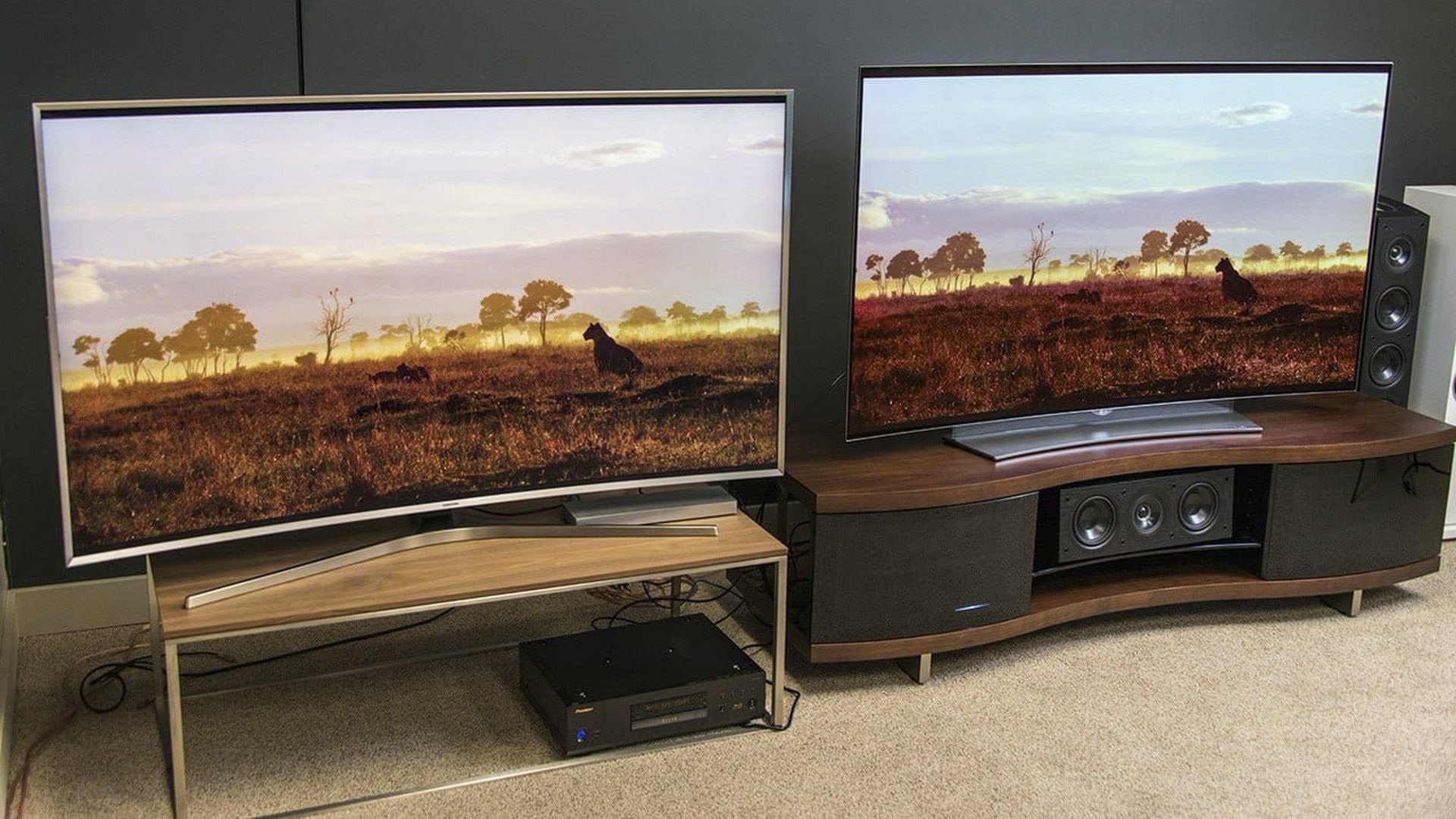
- TV processor performance. All manufacturers promote their equipment, but they often omit that the built-in decoder does not always correctly process 4K signals. To get a quality picture, a media player (TV-BOX) is required. And FullHD works perfectly on any TV.
- Matrix color processing capabilities. On cheap panels, even in 4K resolution, the user will not see the desired quality. On expensive displays, FullHD format can produce a more realistic image.
- Content. Naturally, a 4K TV requires a corresponding source. Again, this is a media player or videos from YouTube. Most movies and clips (more than 90%) are in HD or FullHD. If the user does not plan to buy Blu-Ray discs or download 4K movies, there is no point in paying extra for this functionality.
Which TV is better to buy – 4K or FullHD
So, we have identified marketing tricks. Now it’s time to discuss important and very useful technologies that ensure quality video transmission.
- HDR 10 (High Dynamic Range) – this displays video with high color depth. So to speak, an increased range of colors as intended by the filmmaker. 10 bits give us 1 billion shades. And 8 bits give 16 million shades. Very important, to achieve realism, buy a TV with HDR. In the budget segment, under the HDR 10 mark, 100% of devices provide 8+2FRC. These 2 FRC are a kind of deception, which performs smoothing between pixels from 16 million shades.
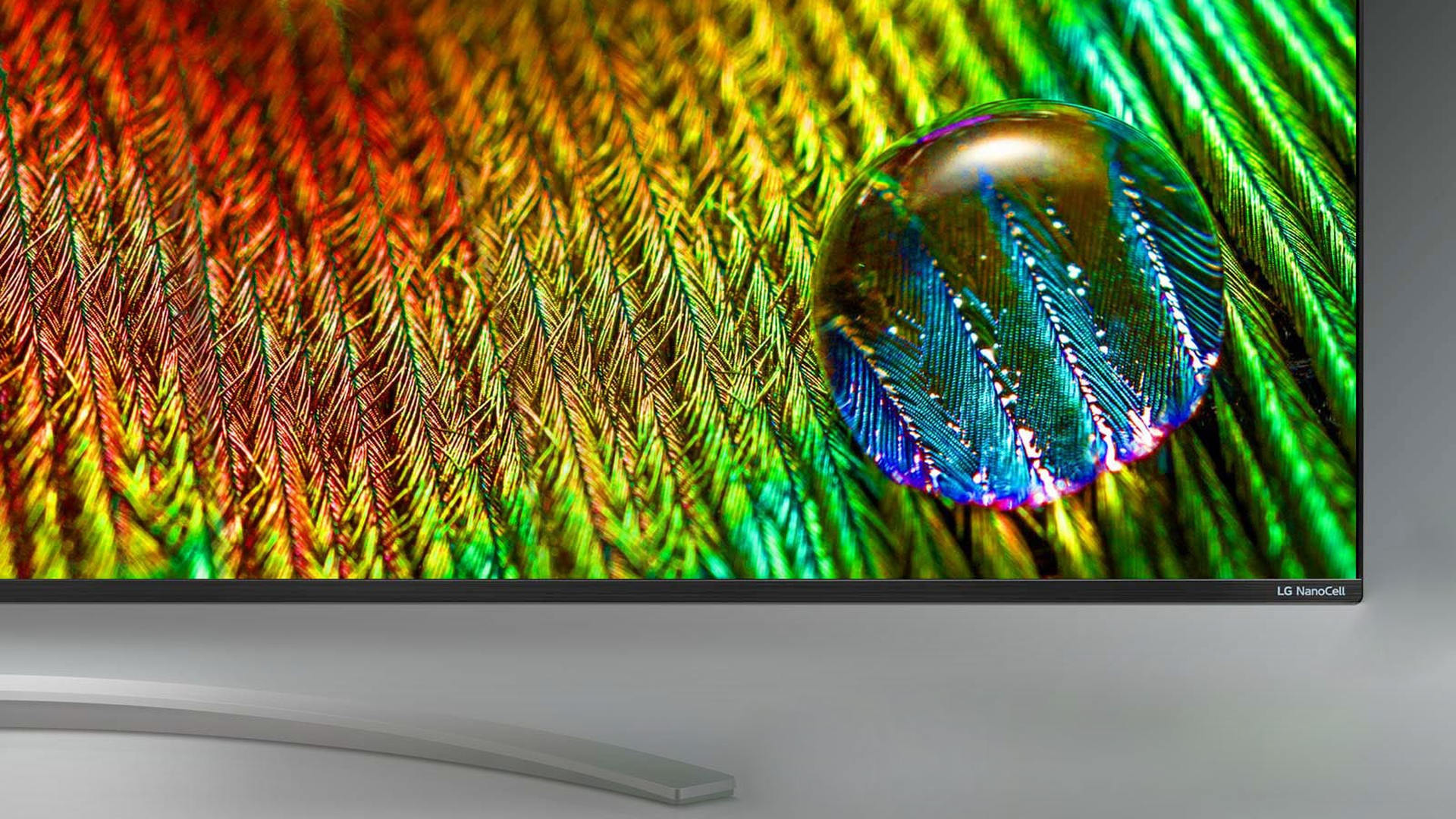
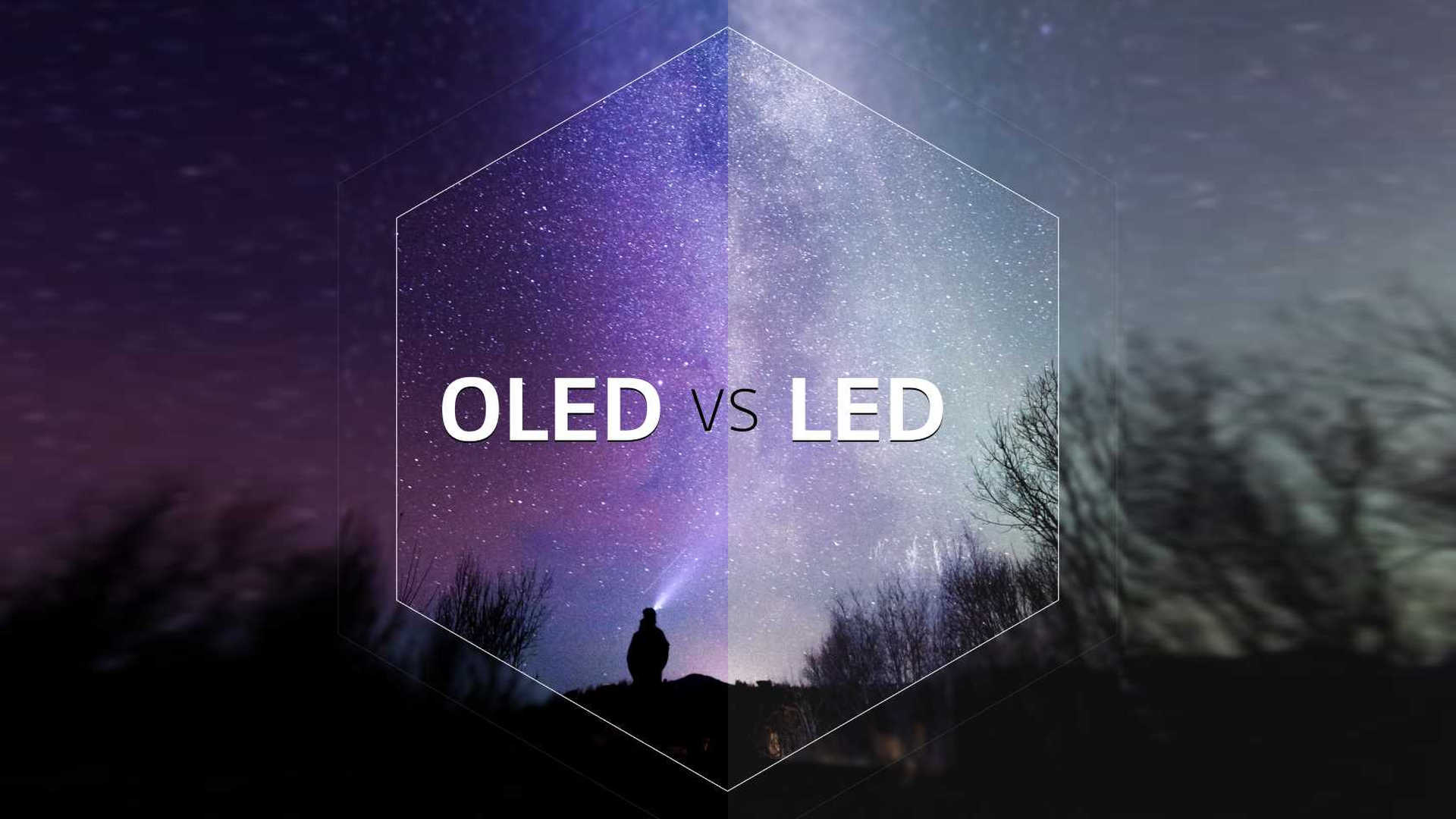
- LED and QLED (OLED). QLED matrix TVs demonstrate a more realistic picture. But they cost 1.5-2 times more. Quantum dot technology allows transmitting shades as the video creator intended. LED is software signal processing with adjustments for desired quality.
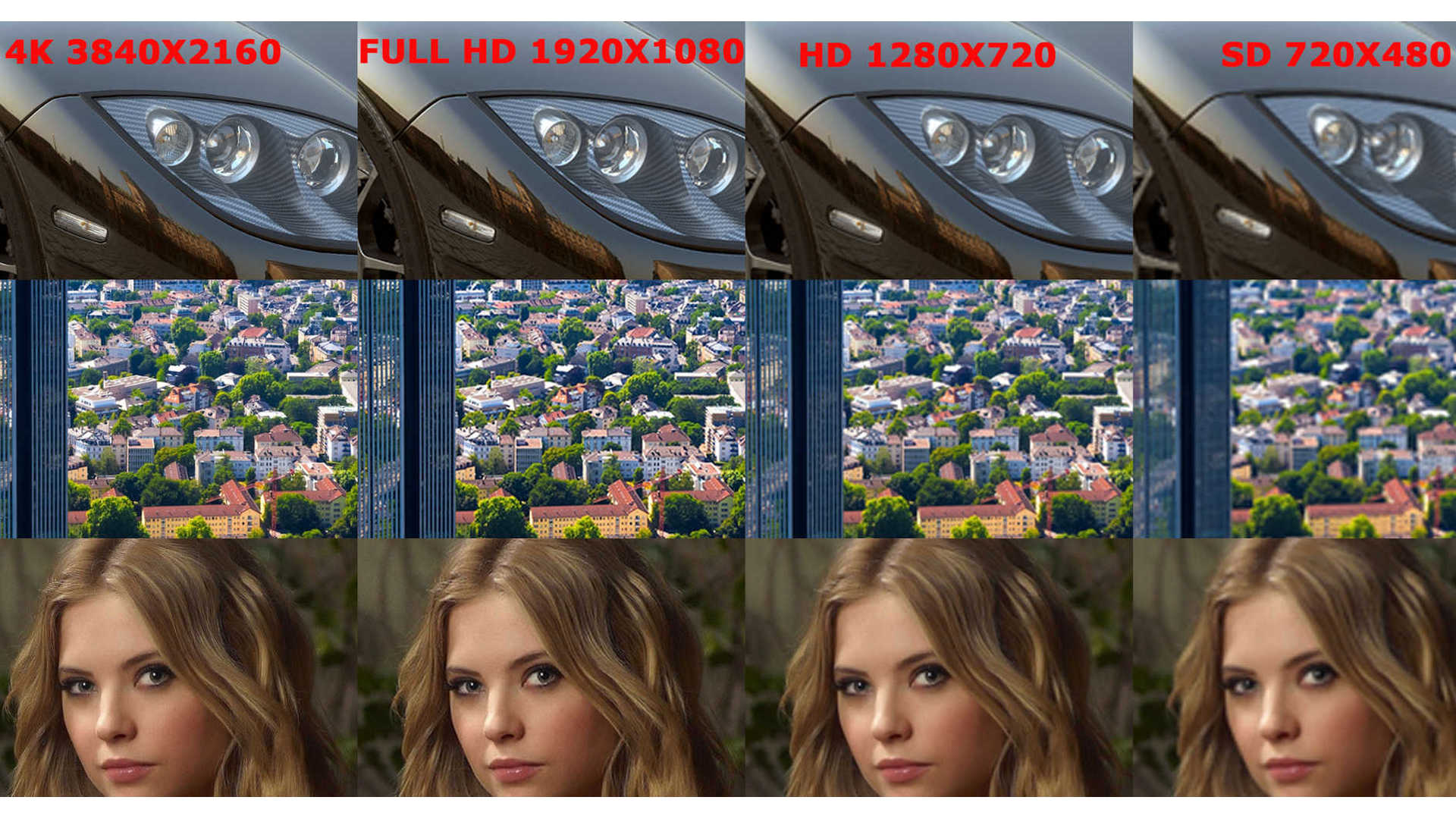
When choosing between price and quality, there is no room for compromise. Either quality but expensive, or affordable but at the expense of color quality. You need to decide this before going to the store.
How to choose a TV in a store – a guide for beginners
Decided to buy a large-screen TV and save money? Take any up to 60 inches FullHD. Better to look at the brand. For example, Samsung, LG, or Philips will last 10 years and delight with colorful images. Despite the technologies. Chinese brands (KIVI and Xiaomi) – 3-5 years, and the matrix needs to be replaced.
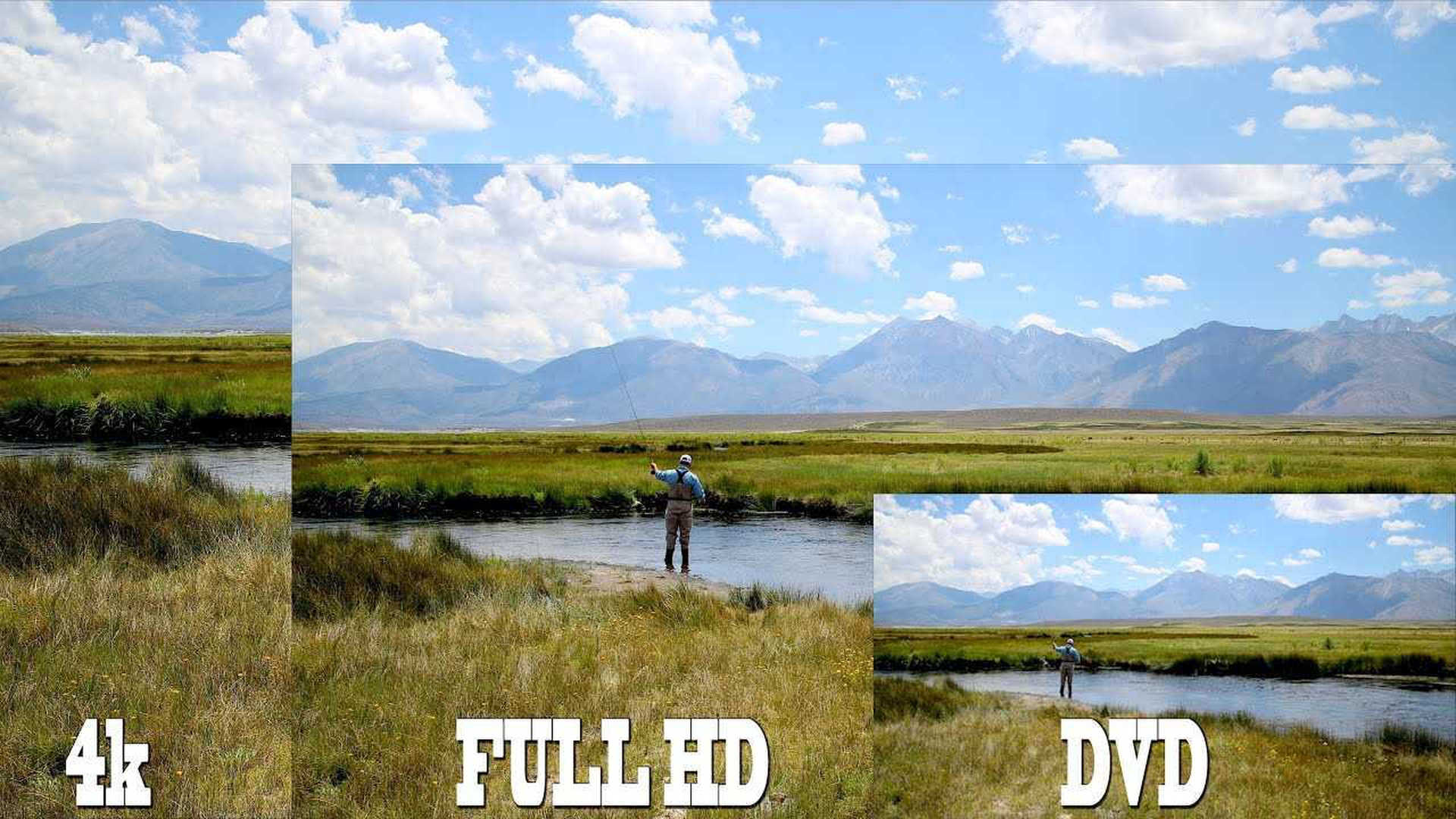
If you want truly high-quality picture – choose TVs from 55 inches with 4K resolution and HDR10. Preferably with QLED matrix. And of course, only well-known global brands like Sony, Samsung, LG. Expensive. But the color reproduction will be stunning and long-lasting.
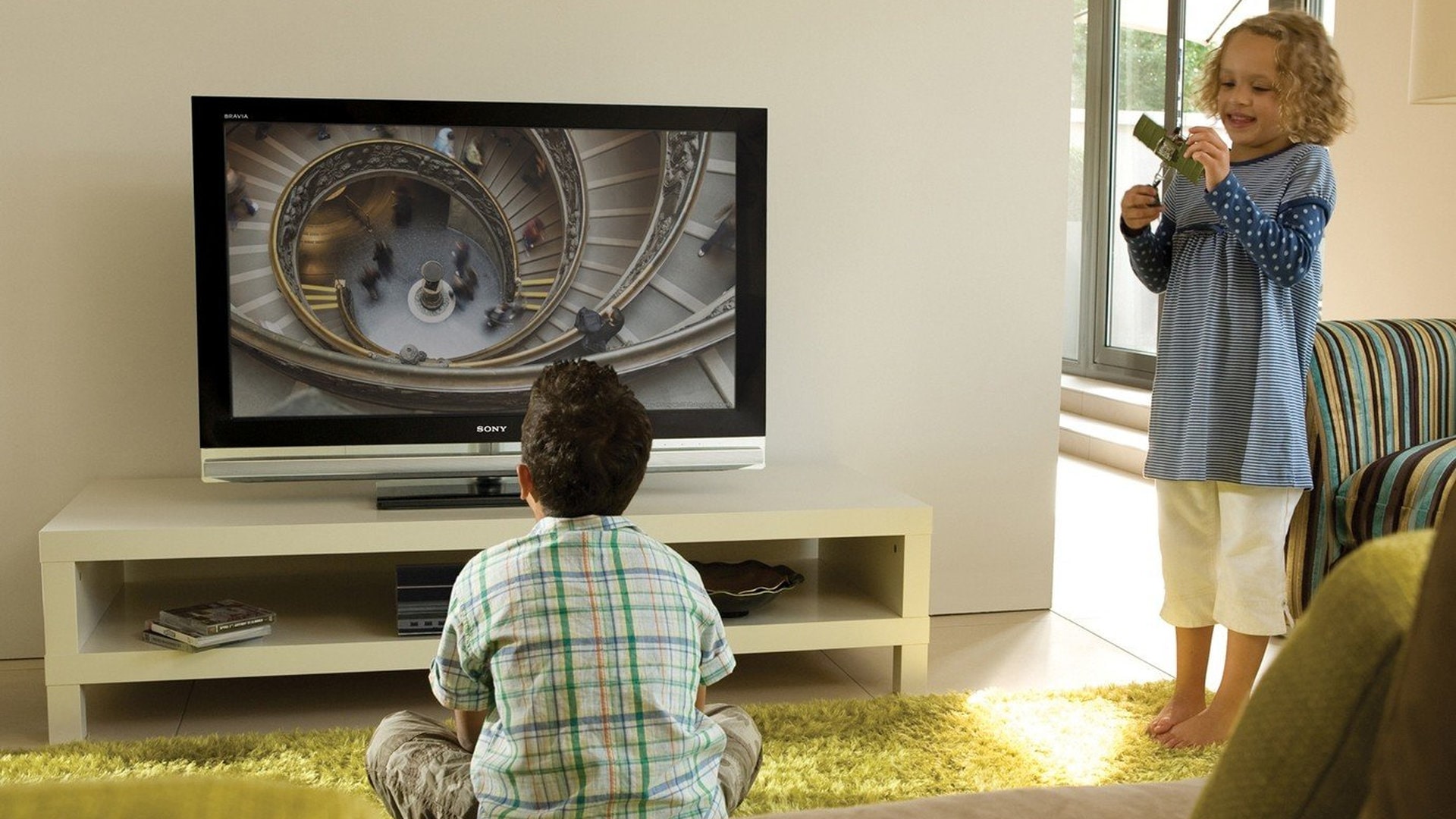
If you are buying a TV between 32-50 inches, then it’s better to take FullHD. Just an economical solution, where the difference compared to 4K is simply not noticeable. And don’t believe the store comparisons. They often use a deception – demo mode. Each TV has such a DEMO mode, where brightness and contrast are set to make the picture look more vivid. By the way, such TVs from the display window are better not to buy. It’s unknown how long they have been working at the limit of their capabilities.
LED and QLED – which to buy
If your budget allows, definitely go for QLED! Even relatively inexpensive Chinese brands have QLED matrices that outperform LED in terms of quality. This can be seen in the store, even without demo mode. For example, if you play movies with dark plots like “The Witcher” or “Game of Thrones.” On a poor matrix (with HDR enabled), there will be uniform gray or black spots on dark backgrounds like forests, buildings, or objects. On a decent matrix, these areas will show fine details without halos or blending into the background.
In general, you can do mathematical calculations. A budget TV lasts 3-5 years. Market leader TVs last 10 or more years. On average, a cheap 55-inch LED TV costs about $400, and QLED costs about $800. Considering the lifespan, the expenses are similar. Only QLED offers better picture quality than LED. Therefore, buying a TV with quantum dots is much more interesting than equipment with outdated matrices.
![[Exclusive] Noise Master Series: Review of flagship headphones](https://teranews.net/wp-content/uploads/2025/09/frame_19522-360x220.webp "[Exclusive] Noise Master Series: Review of flagship headphones")