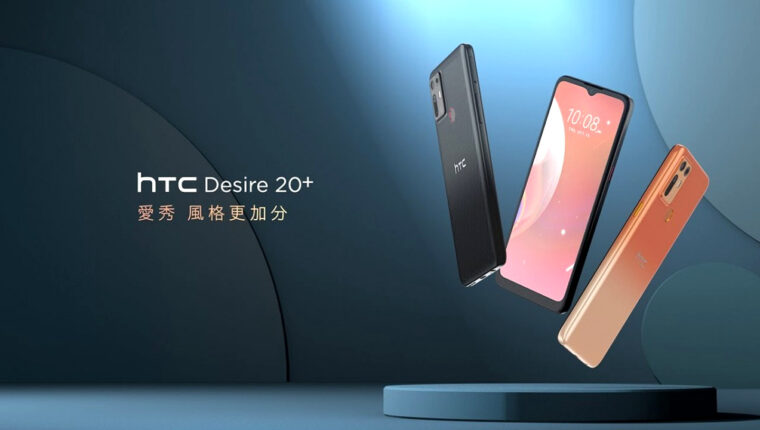
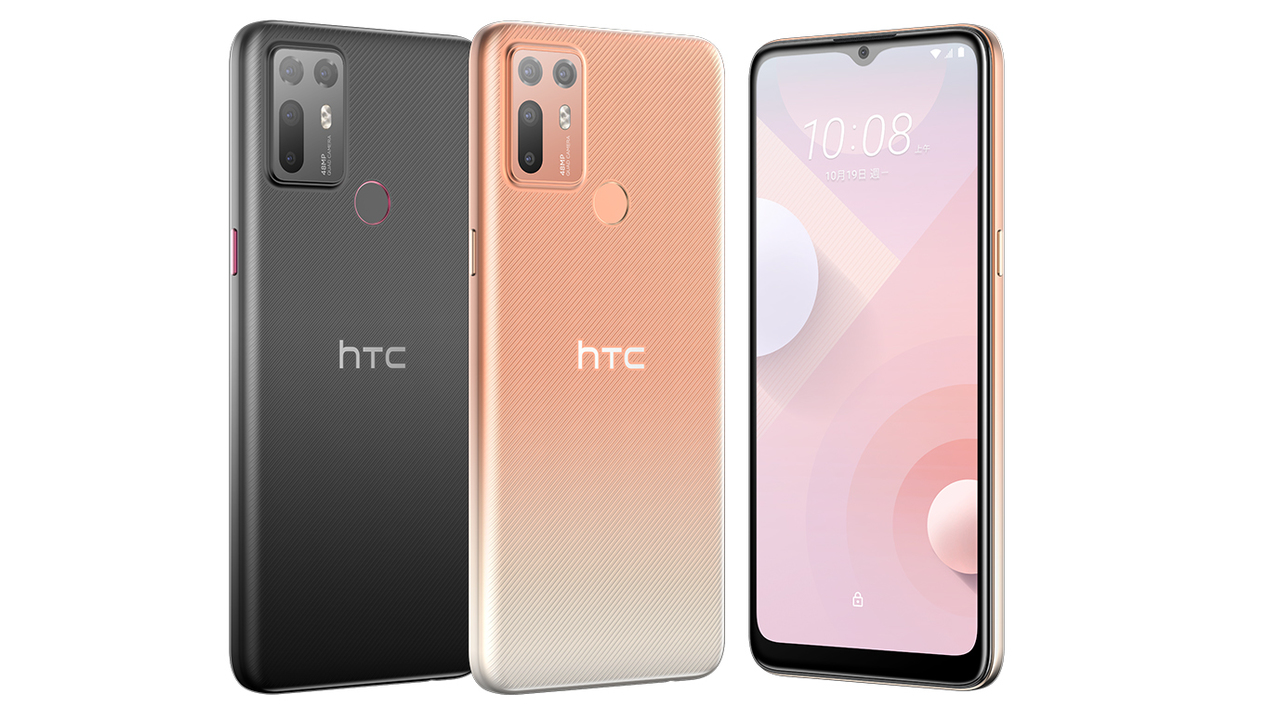
Just recently (5-6 years ago), the HTC (High Tech Computer) brand was well-known among many mobile device owners. HTC gadgets were associated with modern technologies and affordability for buyers. Something went wrong, and the company suddenly disappeared from the market. Now, after years, the “dead” brand has made itself known again with the announcement of the new smartphone HTC Desire 20+
The Fall of the King in the Smartphone Market
It’s quite simple – the owner of HTC sold the smartphone division in 2017 to Google for 1.1 billion dollars. The tech giant didn’t need the gadgets themselves, but rather the technologies. Soon after, the world saw the technologically advanced Google Pixel and Pixel 2 smartphones.
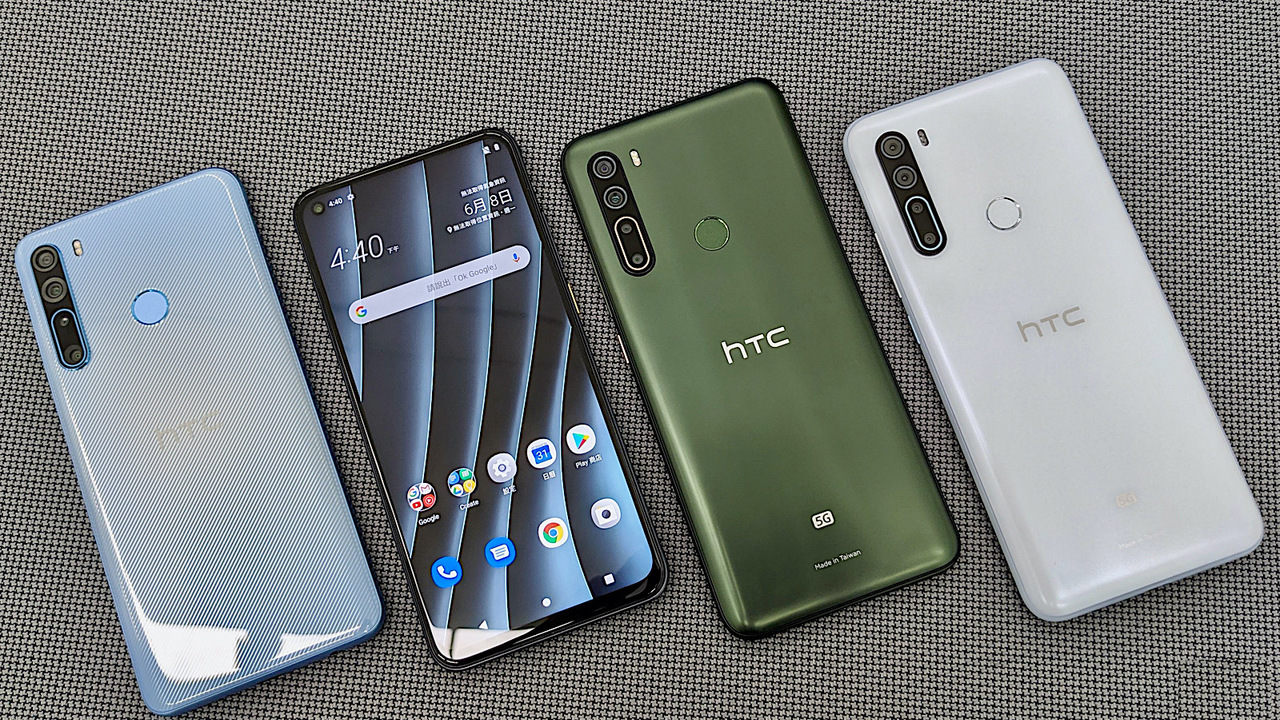
Then, strangely, the owner of HTC offered to buy the new Exodus, but only for cryptocurrency (Ethereum or Bitcoin). The exchange rate was set at 1000 US dollars. Everything then went quiet. Even the old HTC tech, which distributors tried to sell from warehouses at the initial price.
HTC Desire 20+ Announcement
Potential buyers completely forgot about the HTC brand, and many didn’t even know about it. Therefore, returning to the mobile device market proved to be a difficult task for the Chinese brand. The manufacturer had to significantly lower the price of their gadget and position their smartphone in the budget segment. Quite unsuccessfully. HTC Desire 20+ strangely positions itself as a competitor to Xiaomi Note 9 Pro smartphones. Yes, the one with the defective camera module that gets dust inside.
And another unpleasant aspect – HTC abandoned performance. It was precisely the power of the device that influenced buyers’ choices in favor of High Tech Computer products. But in reality, the HTC Desire 20+ turned into a phone for grandmothers. It would have been better not to enter the market at all and not to embarrass their old fans.
HTC Desire 20 Plus: Technical Specifications
| Hardware platform, OS | Snapdragon 720G, Android 10 |
| Processor, cores, frequencies | 2x 2.3 GHz – Kryo 465 Gold (Cortex-A76)
6x 1.8 GHz – Kryo 465 Silver (Cortex-A55) |
| Process technology | 8 nm |
| Video adapter, frequency (FLOPS) | Adreno 618, 500 MHz (386 GFLOPS) |
| RAM | 6 GB LPDDR4X 2133 MHz (2×16-bit bus) |
| Storage | 128 GB flash |
| Expandable storage | Yes, microSD cards |
| Display size and type | 6.5 inches, IPS |
| Screen resolution, aspect ratio | HD+ (1600×720), 20:9 |
| Wi-Fi | 802.11ac (though the chip supports Wi-Fi 6) |
| Bluetooth | Yes, version 5.0 (the chip can work with version 5.1) |
| 5G | No |
| 4G | Yes, LTE Cat.15 (up to 800 Mbps download) |
| Navigation | GPS, GLONASS, Beidou, Galileo, QZSS, SBAS |
| Camera | Qualcomm Hexagon 692 DSP controller (weak) |
| AnTuTu score | 290582 (AnTuTu V8) |
| Body, protection | Plastic, no |
| Dimensions | 75.7×164.9×9.0 mm |
| Weight | 203 grams |
| Recommended price | Up to $300 |
Advantages and Disadvantages of HTC Desire 20+
The budget chipset with energy-efficient cores and a 5000 mAh battery allow the smartphone to operate without charging for up to 2 days. A decent fingerprint scanner located on the back panel. It works flawlessly in 10 out of 10 cases, which is quite impressive. There is also a 3.5mm headphone jack, which delivers high and low frequencies well.
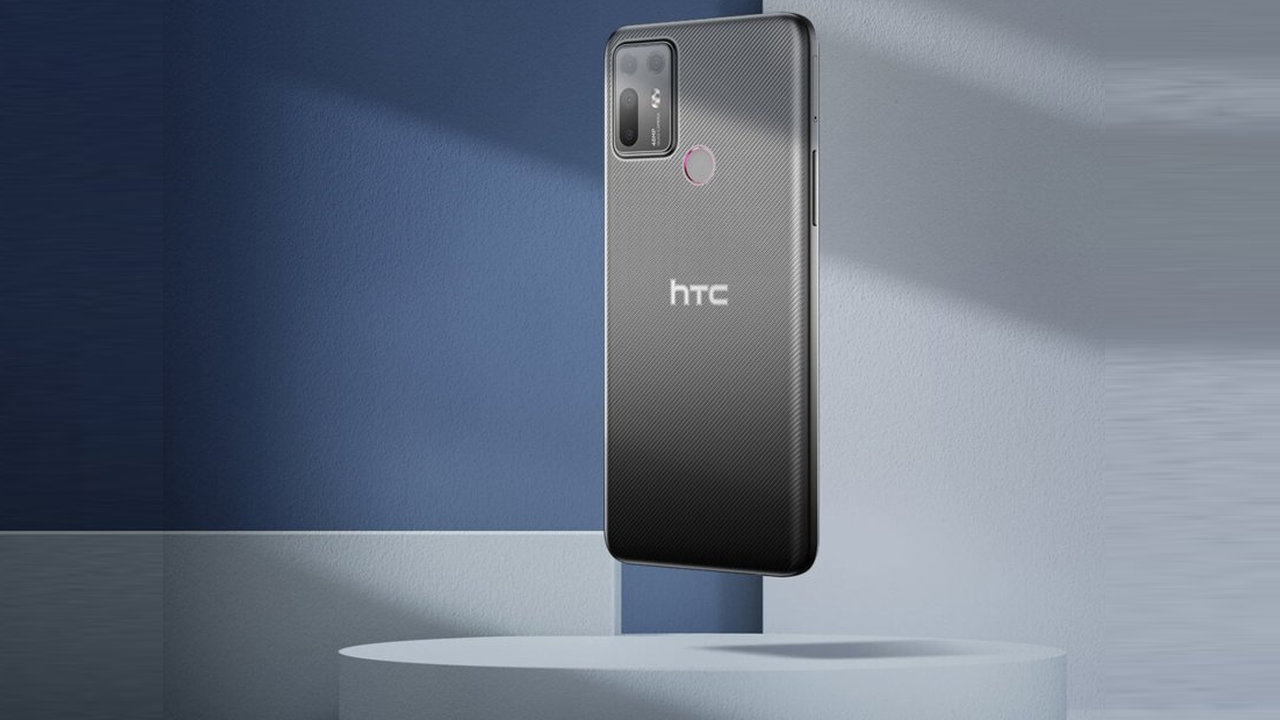
But the advantages end there, as the manufacturer chose not to unlock the potential of the Snapdragon 720G platform and released a cheap-looking phone:
- IPS display with low resolution at 6.5 inches. Forget about high-quality images – they will never be there.
- Cheap plastic body – even Chinese gadgets with unfamiliar names have more attractive bodies, and the phone feels better in the hand.
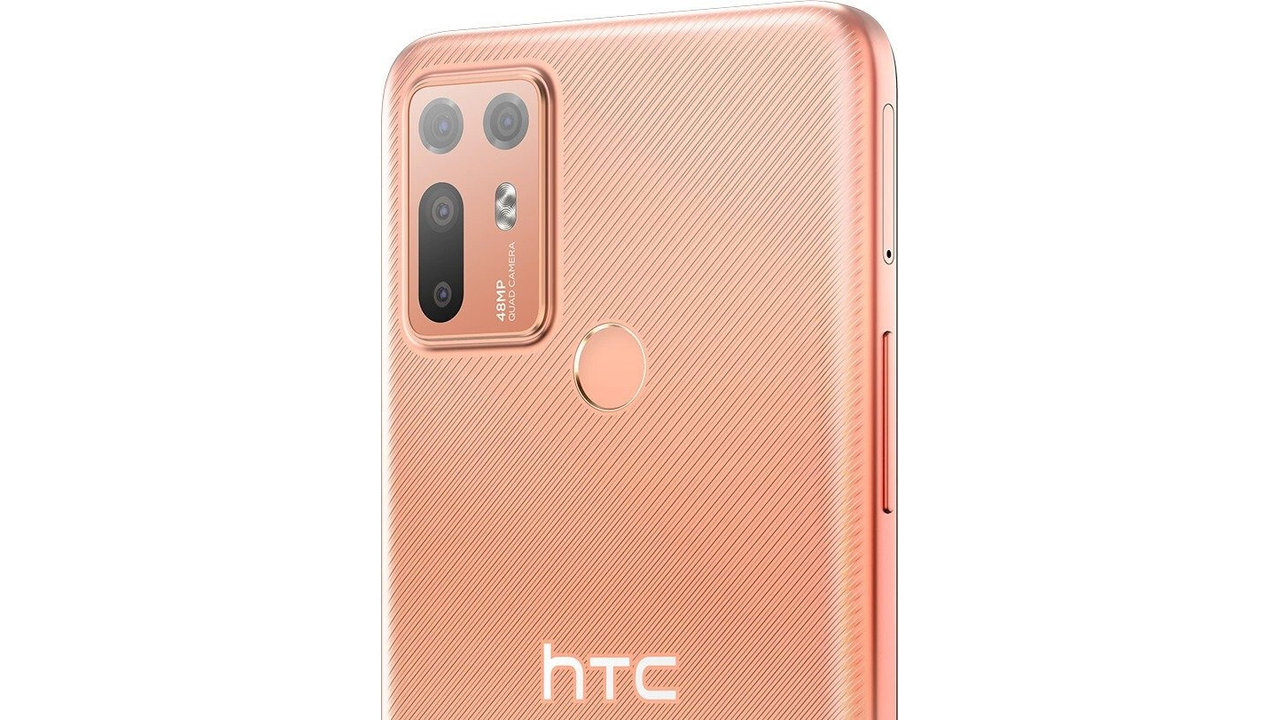
- 48-megapixel camera – really nothing special. The optics might be good, but the controller responsible for processing photos and videos is budget. Don’t believe the ads showing footage from the HTC Desire 20+. We guarantee it’s fake – shot with a DSLR or a higher-quality smartphone.
- Wireless interfaces are also questionable. The Snapdragon 720G chip supports Wi-Fi 6 (802.11ax) and Bluetooth v5.1. But the manufacturer installed older modules. The motivation is unclear, as it saves only 4-5 US dollars per device.
Buy HTC Desire 20+ or Choose Another Smartphone
At a price of 300 US dollars, the HTC Desire 20+ smartphone, in terms of technical specifications, has many more interesting competitors. And don’t even consider looking at Xiaomi Note 9 Pro. There are more advanced and higher-quality smartphones. The same HUAWEI nova 5T. The difference in quality and performance is huge. It’s unclear where HTC got such a price. Probably copied from Sony, which set prices through voting. But the Japanese at least make quality smartphones. And what does HTC offer us – a phone from 2018.
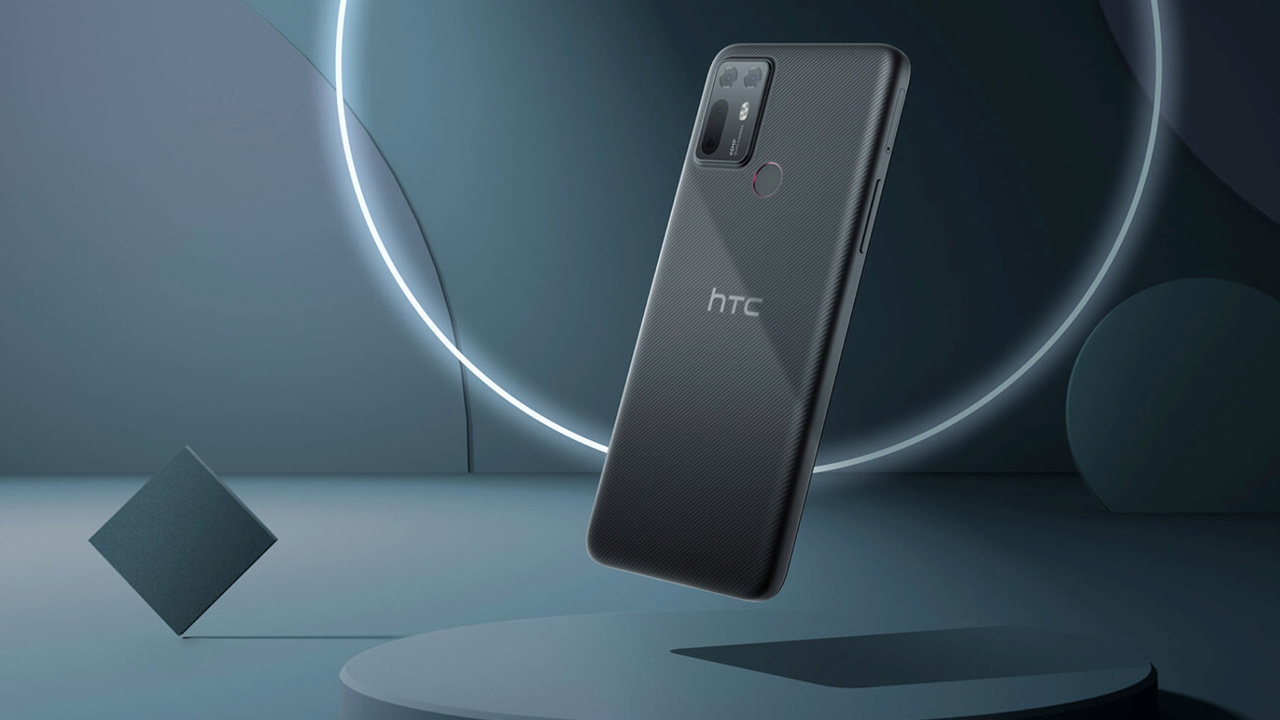
In general, the HTC Desire 20+ is not worth its $300 asking price. The same Samsung Galaxy M11 or LG Q31, priced at 160-200 dollars, are better for the buyer. Even with less memory, Korean gadgets outperform the Chinese High Tech Computer device in technical specifications.
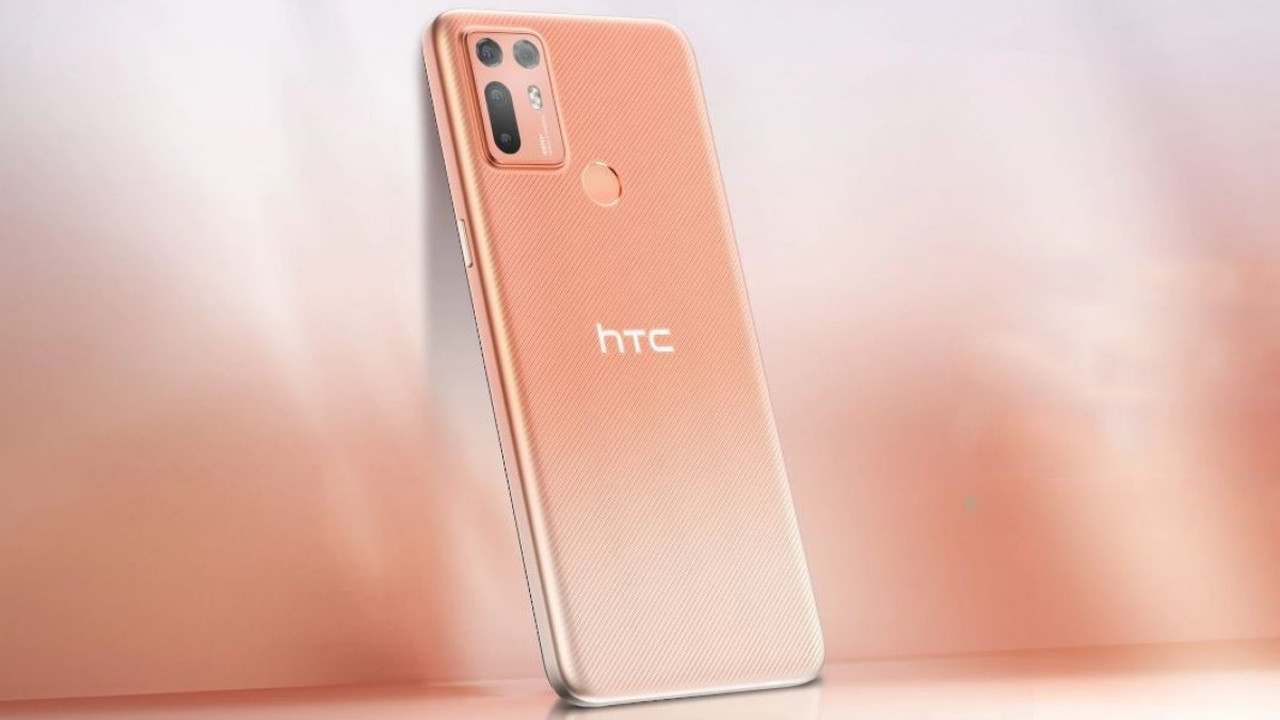
We love the HTC brand and actively used it back when it was still on Windows Mobile and early Android versions. But what they are offering us now is not a High Tech Computer product. It’s some sort of semi-finished product that has no place on the shelves of a store with gadgets priced over $160.