
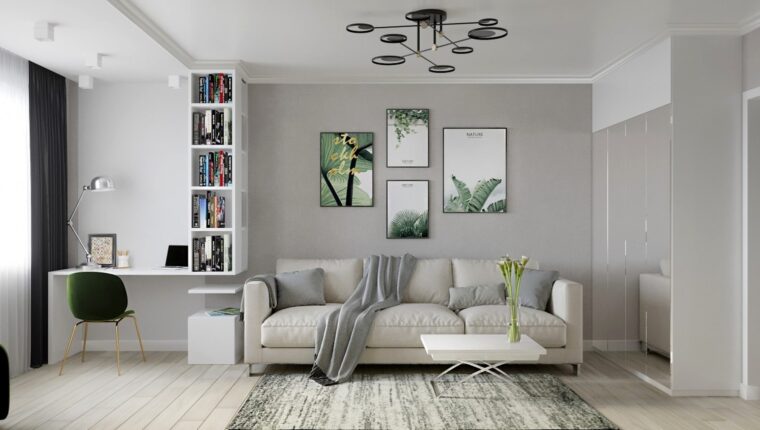
Renovating a space and interior design are two completely different concepts that many sellers promote as a single package, naturally charging extra for the magic word “design.” At the initial stage, it is essential to clearly distinguish these types of services, as the final result will differ significantly.
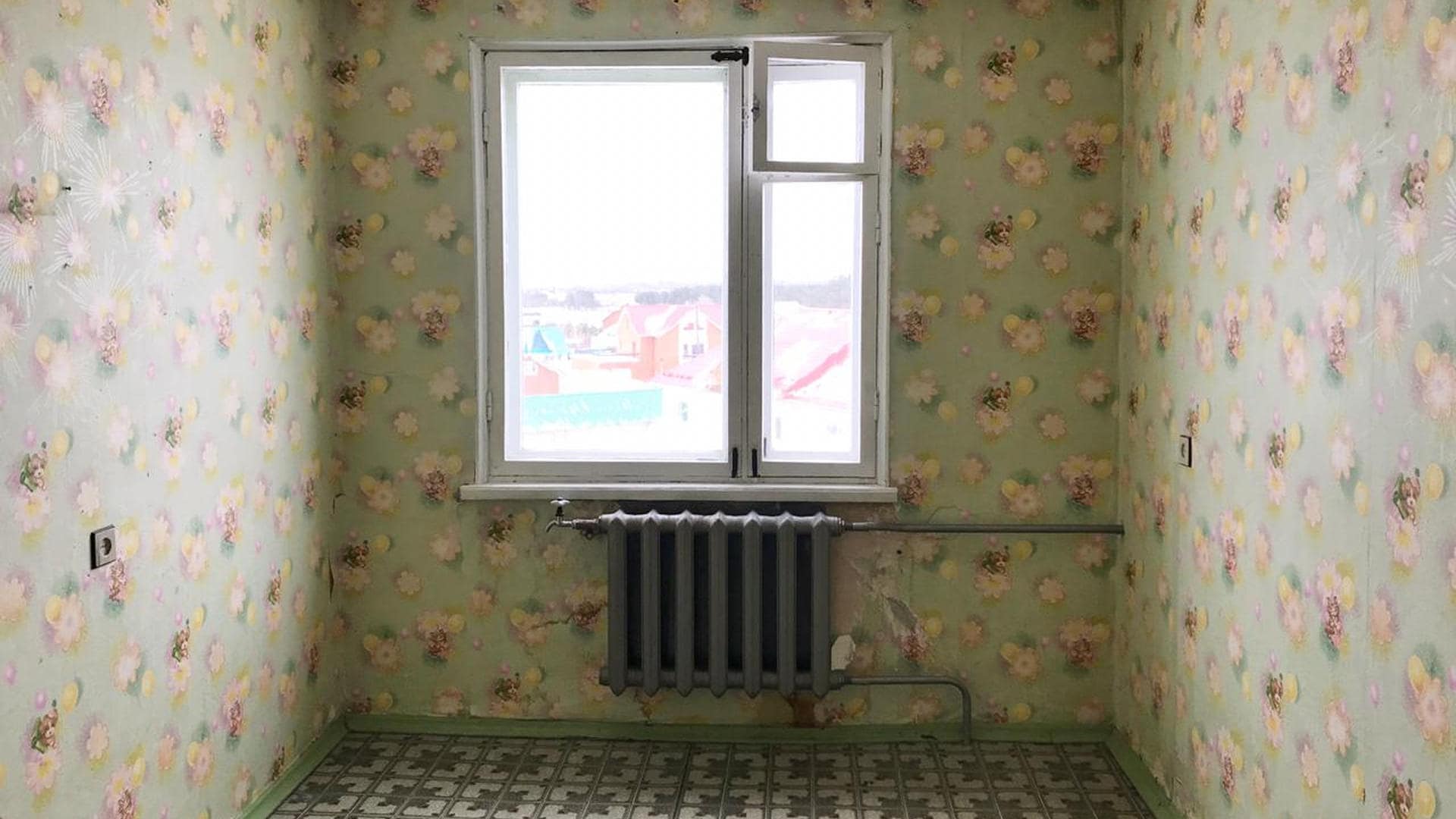
What is interior design during renovation work
Interior design is a set of activities in construction, finishing, and decorating a space aimed at combining comfort and aesthetics. The designer’s work is a combination of services from an architect, artist, and stylist. The most complex task is to achieve a flawless result in terms of space decoration tailored to the client’s needs.
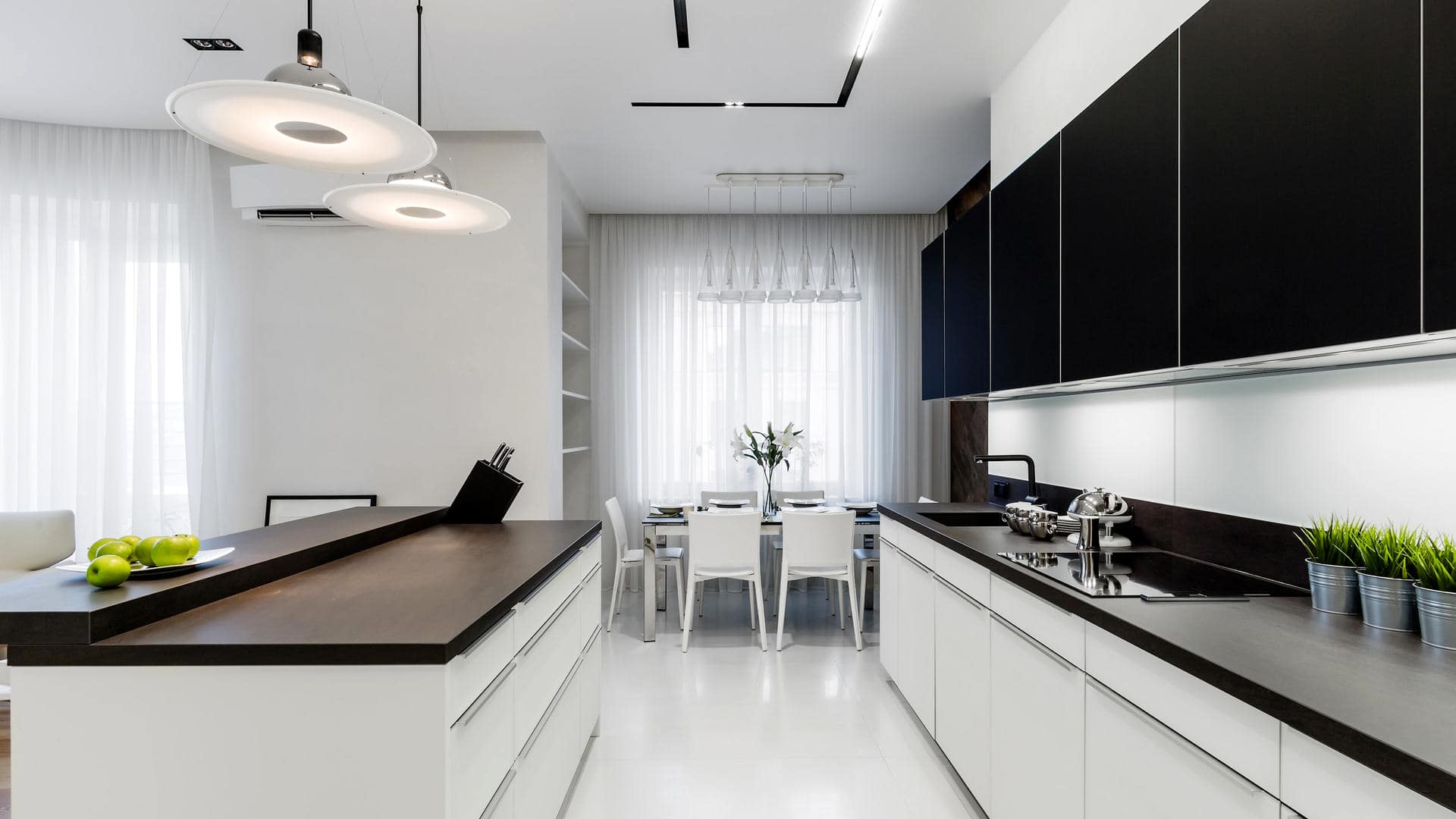
Design is not necessarily limited to residential rooms in apartments or houses. It can be an office, laboratory, hotel complex, or children’s room in a government institution. The designer’s task is to create an ambiance that matches the purpose of the space or fulfill an exclusive client request.
The specifics of interior design involve simultaneously using:
- Architectural design of the space. Placement of walls, doors, partitions, windows, ceiling height, and area.
- Lighting. Calculating the light coming through windows and the operation of interior lighting fixtures.
- Artistic decoration. Combining shades of finishing materials and linking them to furniture, appliances, and other elements planned for installation in the room.
- Style. Considering current fashion trends. Designers can create an ambiance of any era or style.
Interior design — Why you can’t do renovations without design
Any renovation requires a design solution. Visual perception of the space involves combining color shades with lighting at different times of the day. An exception is cosmetic repairs in white tones. Ceilings and walls are white, with light laminate or wood parquet flooring. This is a classic renovation style that harmonizes with furniture and appliances. It is often ordered for bedrooms with a minimal renovation budget.
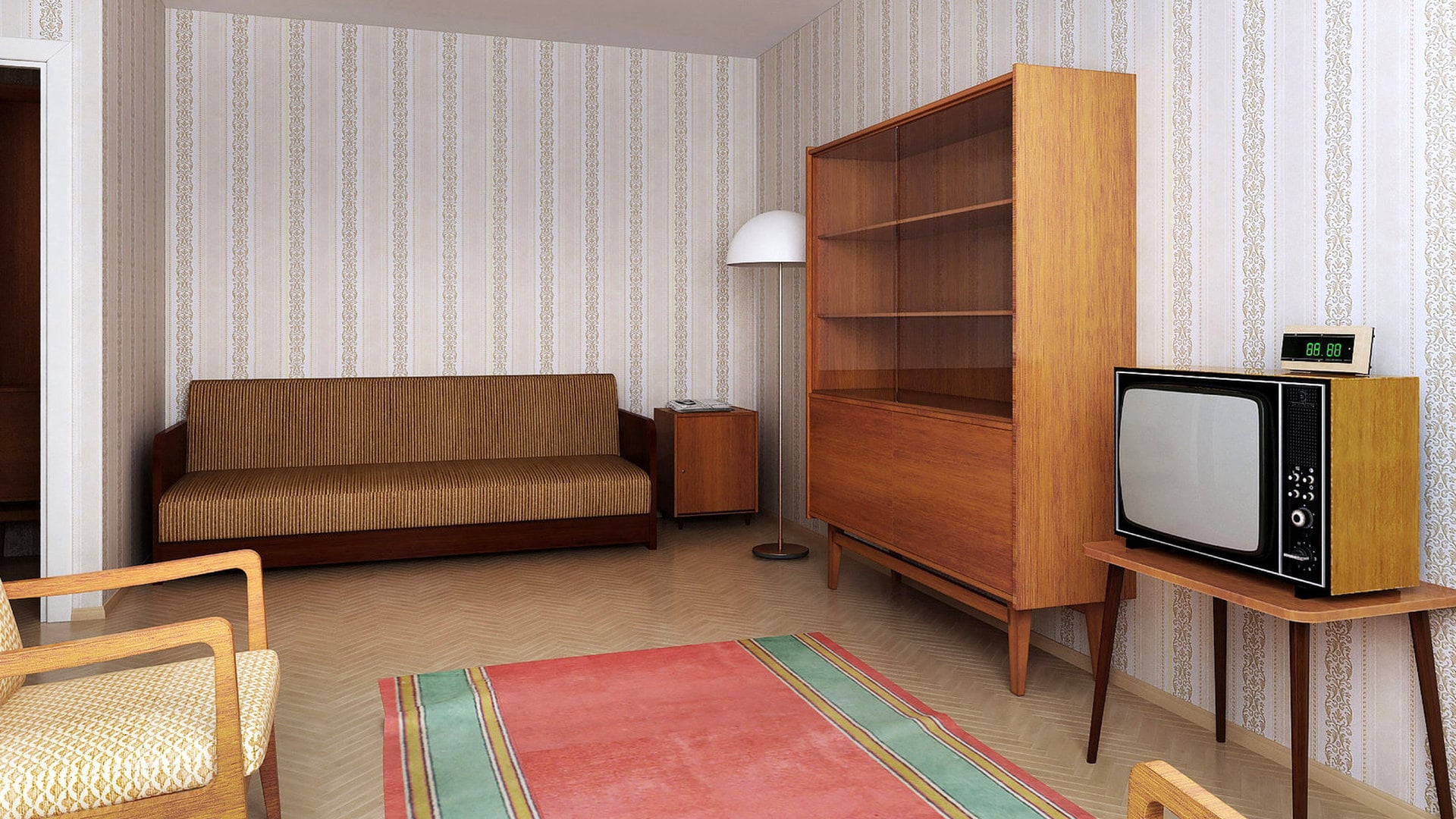
Design complexity affects kitchens, living rooms, office spaces, and bathrooms. These require more lighting. The designer’s task is to select finishing materials correctly and arrange them so they not only match furniture and appliances but also do not shadow the space.
Renovation without a designer (DIY) is called refreshing the space—removing defects or changing the color scheme. Achieving attractiveness and ambiance without a specialist is impossible. Interior design should be performed by a professional.
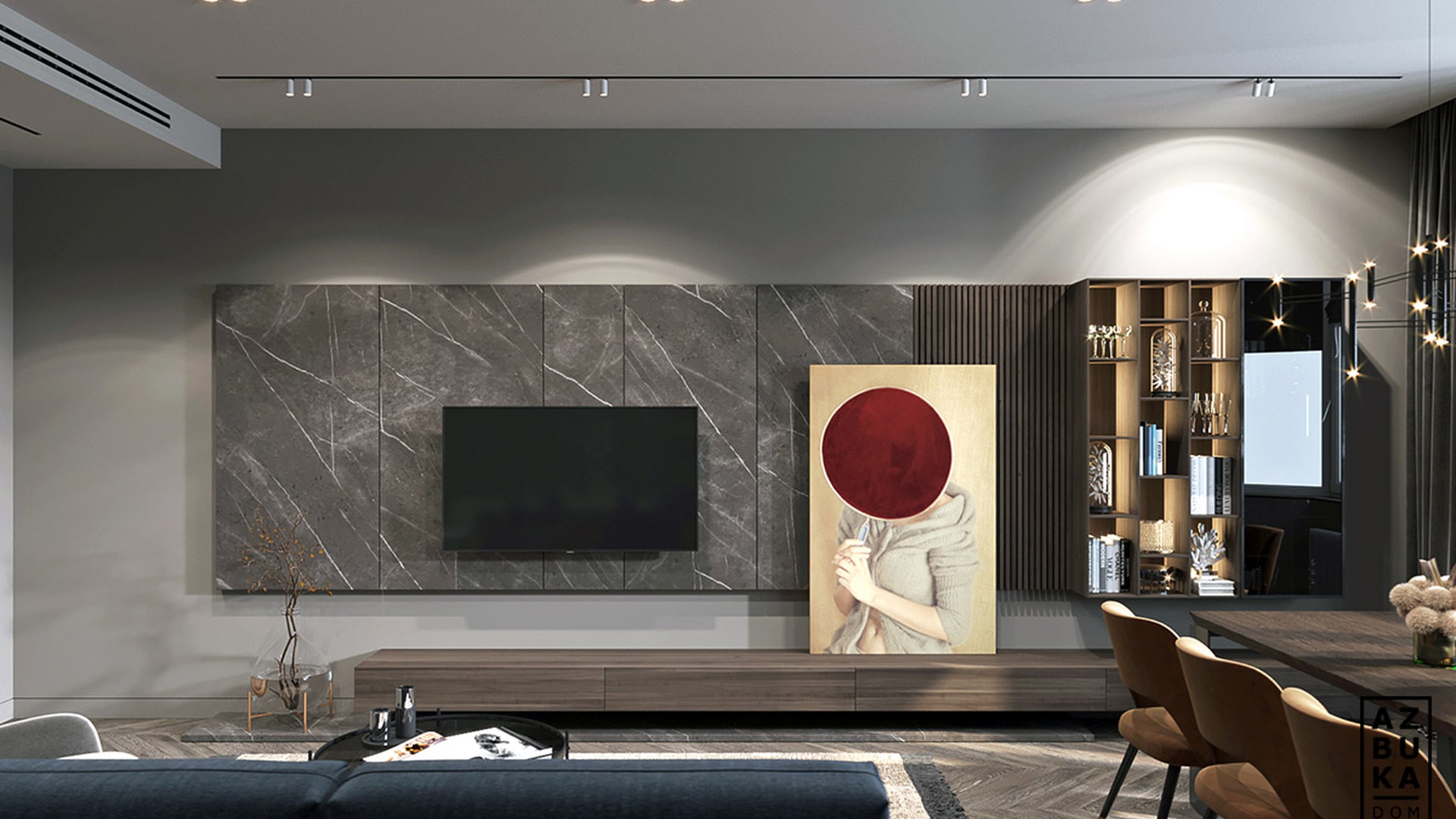
Renovations typically last about a decade. The cost of the service is not as high as the expenses for building materials. The result is the owner’s pride, as they will see this space daily. Whether it looks beautiful or mediocre depends solely on the client.