
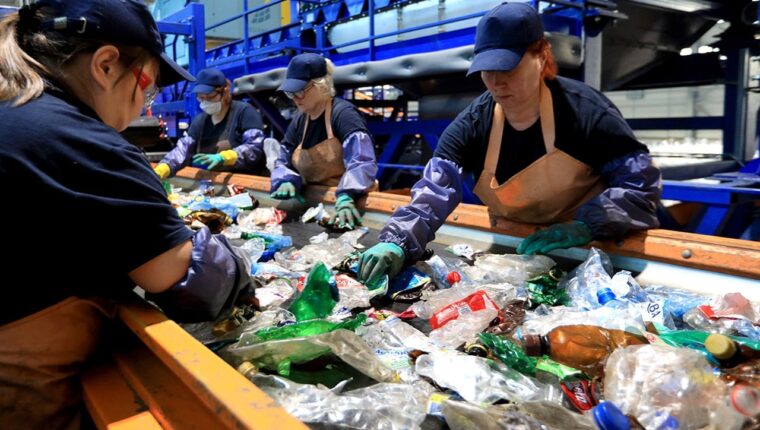
Plastic waste is a headache for any country on planet Earth. Some nations burn polymers, others collect them at landfills. There are countries that have mastered secondary recycling after complex sorting by plastic type. A good aid in waste destruction has become polymer granulation technology, for further production of road surfaces. Each country has its own waste processing methods.
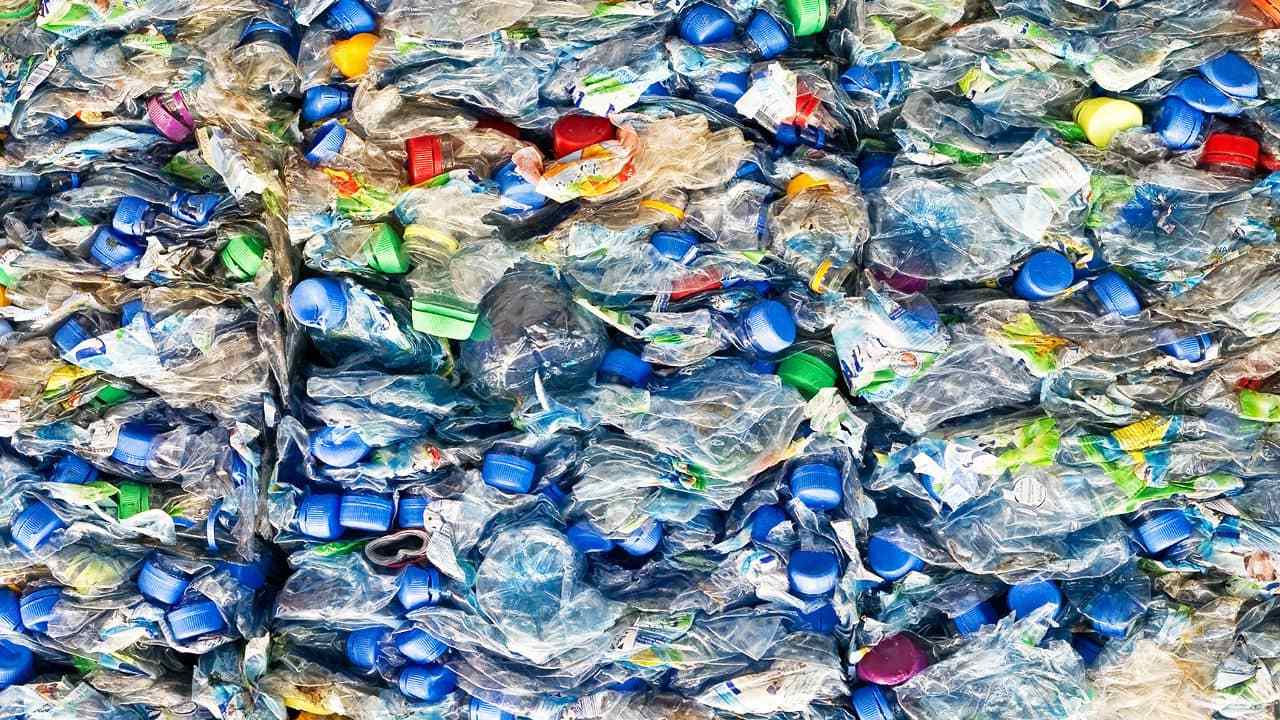
Americans propose changing the plastic recycling situation. Researchers at the Massachusetts Institute of Technology have found a unique method. Scientists suggest breaking down plastic masses using catalysts. The result should be propane gas. Moreover, the useful yield is as high as 80%. The catalyst used is a cobalt-based zeolite.
Recycling Plastic Waste into Propane – 21st Century Technologies
The idea is interesting. At least because producing propane does not require sorting time. Moreover, in the era of energy crisis in Europe, this is a great way to compensate for the shortage of natural gas. This economical solution addresses several issues at once:
- Waste disposal.
- The possibility of further using cheap plastic in manufacturing without harming the environment.
- Saving on wood. Due to the ban on plastic bags, many countries have switched to paper.
- Obtaining a useful energy gas (propane).
Against the background of all these advantages, there is one significant drawback. Cobalt. This heavy metal is mined in about twenty countries. Therefore, for other countries where it is not mined, it will have a certain value. Naturally, from an economic point of view, questions arise – how effective is this recycling method.
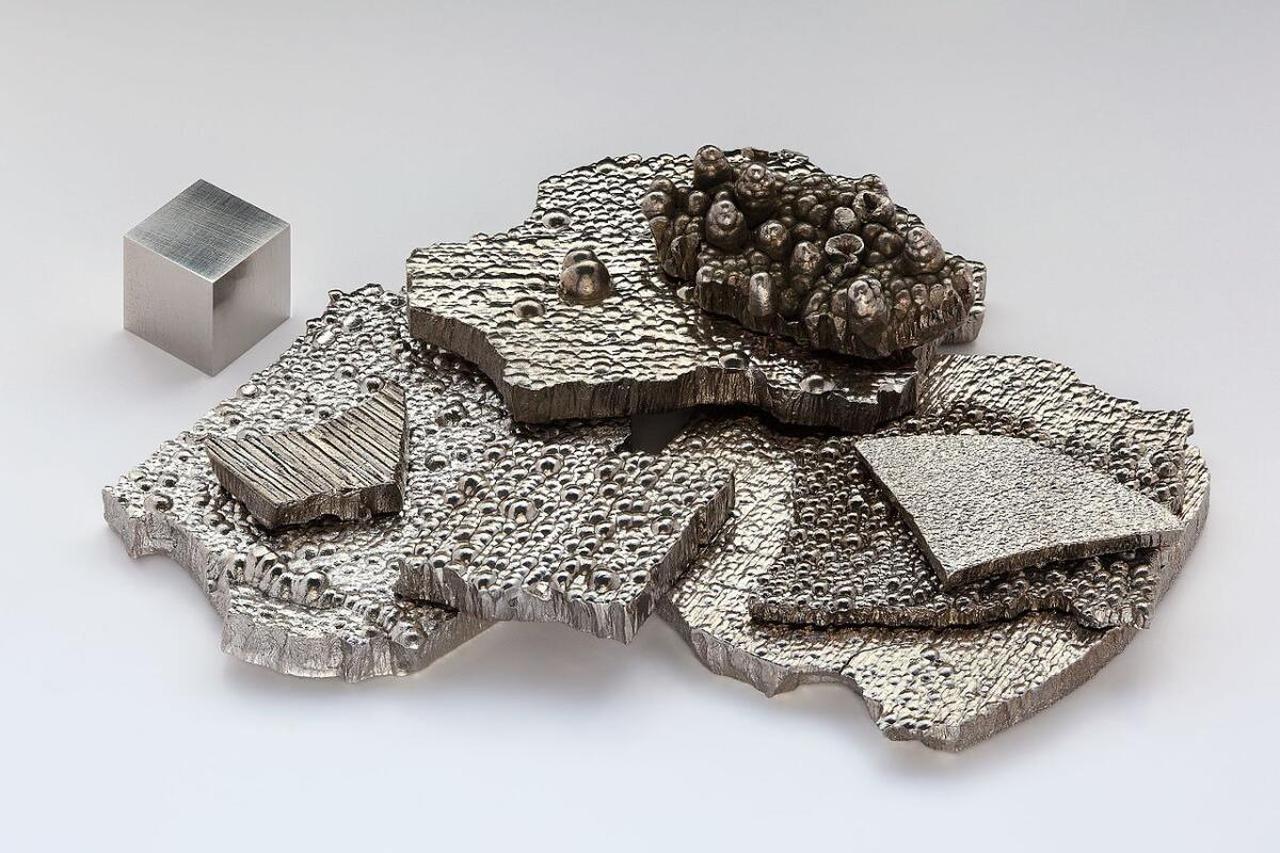
Considering the fact that large deposits of cobalt are found in Africa, China, Australia, Canada, and Russia, plastic to propane recycling will be interesting only for these countries. Others will have to calculate income and expenses to find a consensus on this issue.
![[Exclusive] Noise Master Series: Review of flagship headphones](https://teranews.net/wp-content/uploads/2025/09/frame_19522-360x220.webp "[Exclusive] Noise Master Series: Review of flagship headphones")