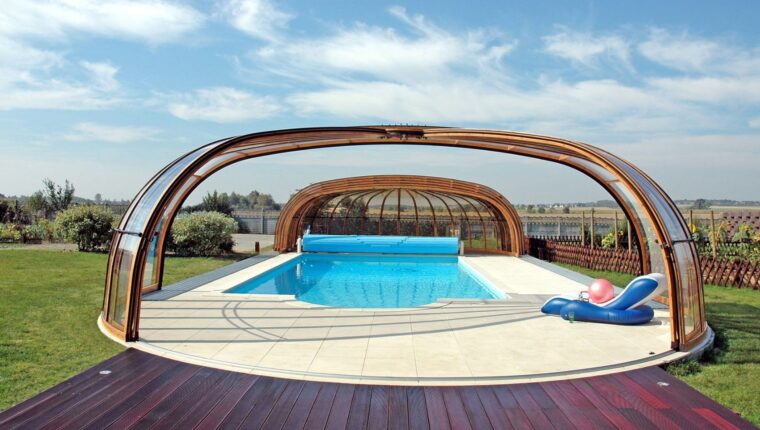
A swimming pool is a hydraulic engineering structure designed for specific consumer tasks. Pools can be swimming, agro-technical, or for fish farming. The latter two types are used in business. A swimming pool, on the other hand, is a center of entertainment for people of all ages. Our article will cover pool construction, their types, differences, and features. We will try to provide detailed answers to all questions of interest.
Stationary, mobile, and collapsible pools
Initially, all structures are categorized by installation method. When choosing, the buyer decides how, where, and when they will use the pool. Usually, pool manufacturers claim that nothing is better than stationary structures. This is a debatable point. Mobile and collapsible tanks have their advantages.
- A stationary pool is durable. Its minimum service life starts from 10 years. Depending on the material, durability can range from 25 to 100 years. It is a full-fledged real estate object.
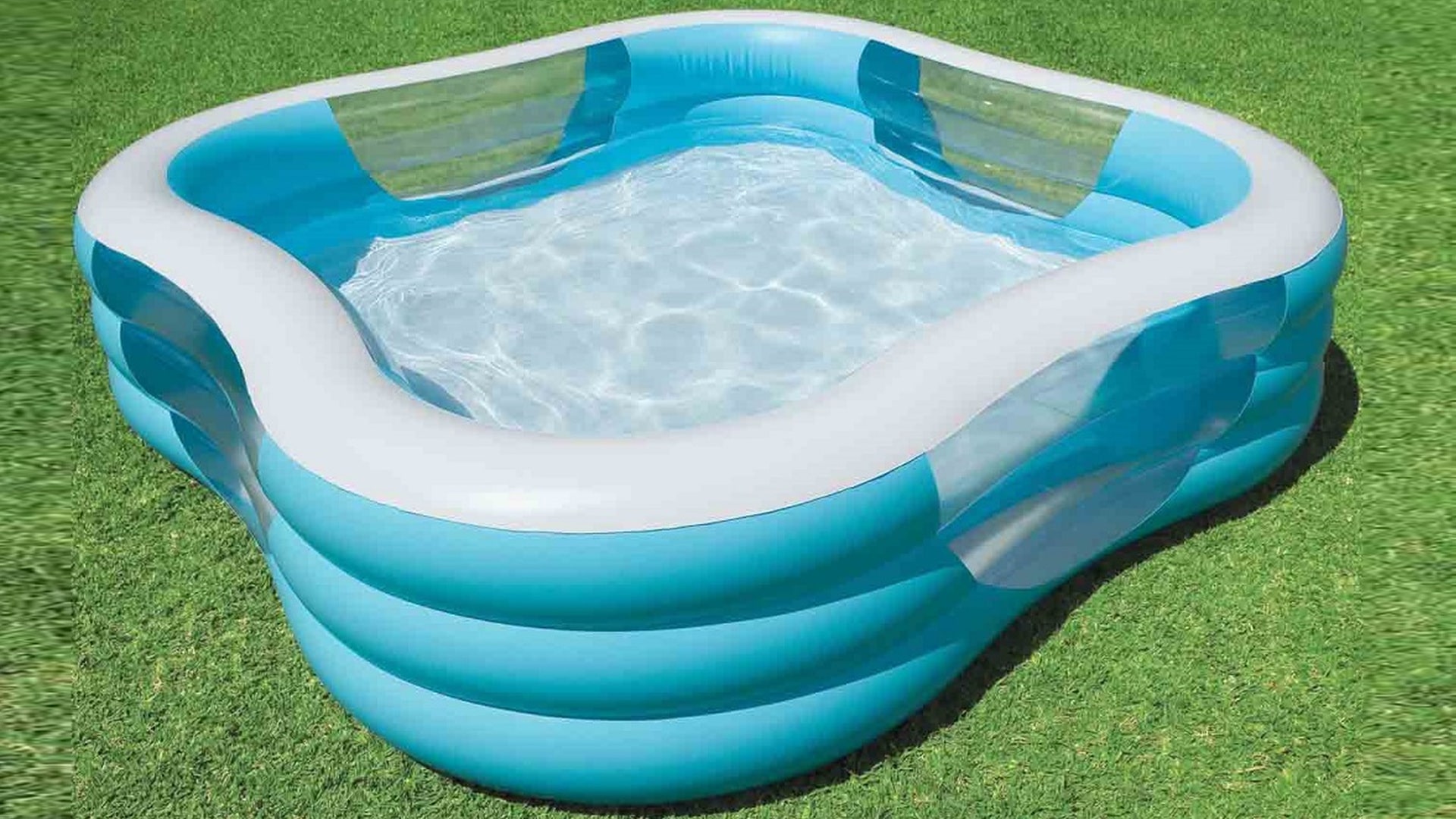
- A mobile pool is a non-bulky bowl for 1-2 people. For example, a plunge pool (like in a bathhouse), a simplified SPA option, or a children’s swimming pool. The feature of such a structure is that it can always be quickly installed anywhere and removed. This is convenient for country plots where things and equipment are usually stored indoors rather than outside. Mobile pools are low-cost, durable, but take up space indoors where they are stored.
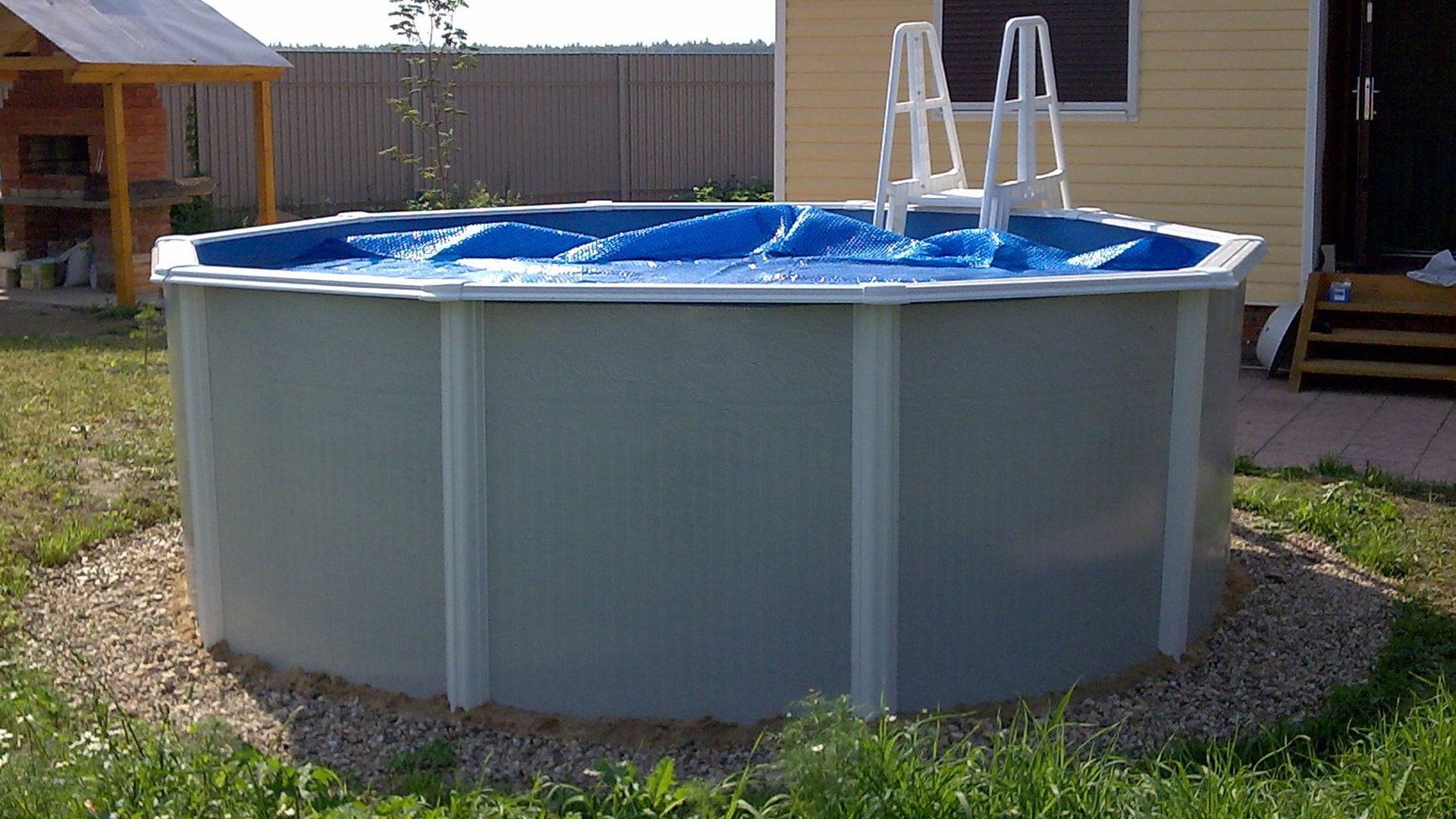
- A collapsible pool is interesting for seasonal swimming. The range of products allows you to buy bowls of different sizes (even for free swimming). When not needed, the pool can be quickly dismantled, folded, and does not take up much space for storage. The weak point of such structures is durability. No matter what manufacturers and sellers promise, a prefabricated structure is prone to rapid wear. The integrity of the pool will last a maximum of 5 years, after which leaks may appear at the bends. The tank will become unusable.
Pool construction – features
The operation “construction” involves manufacturing and installation of a stationary structure. This includes ready-made bowls cast at the factory, as well as pools assembled on-site by builders. The key feature of both types of operations is adherence to the technological process during manufacturing and installation – they are interconnected. Of course, they can be separated, but then no official guarantee on the integrity of the pool can be provided.

Stationary pools differ in size, shape, finishing types, and the material used. The choice of construction material affects the strength of the bowl and its price. Pools are made from polymers, composite materials, concrete, and metal.
Plastic pools – the lowest price on the market
Polypropylene, acrylic, PVC, and polyethylene are used in manufacturing bowls. In terms of strength and durability, polypropylene pools are considered the best solution. The feature of plastic is that it welds well at the molecular level without seams. This allows manufacturing pools of any size and shape. This is actively used by entertainment business owners. Polypropylene is used in making structures for water parks, children’s centers, and seasonal swimming zones.
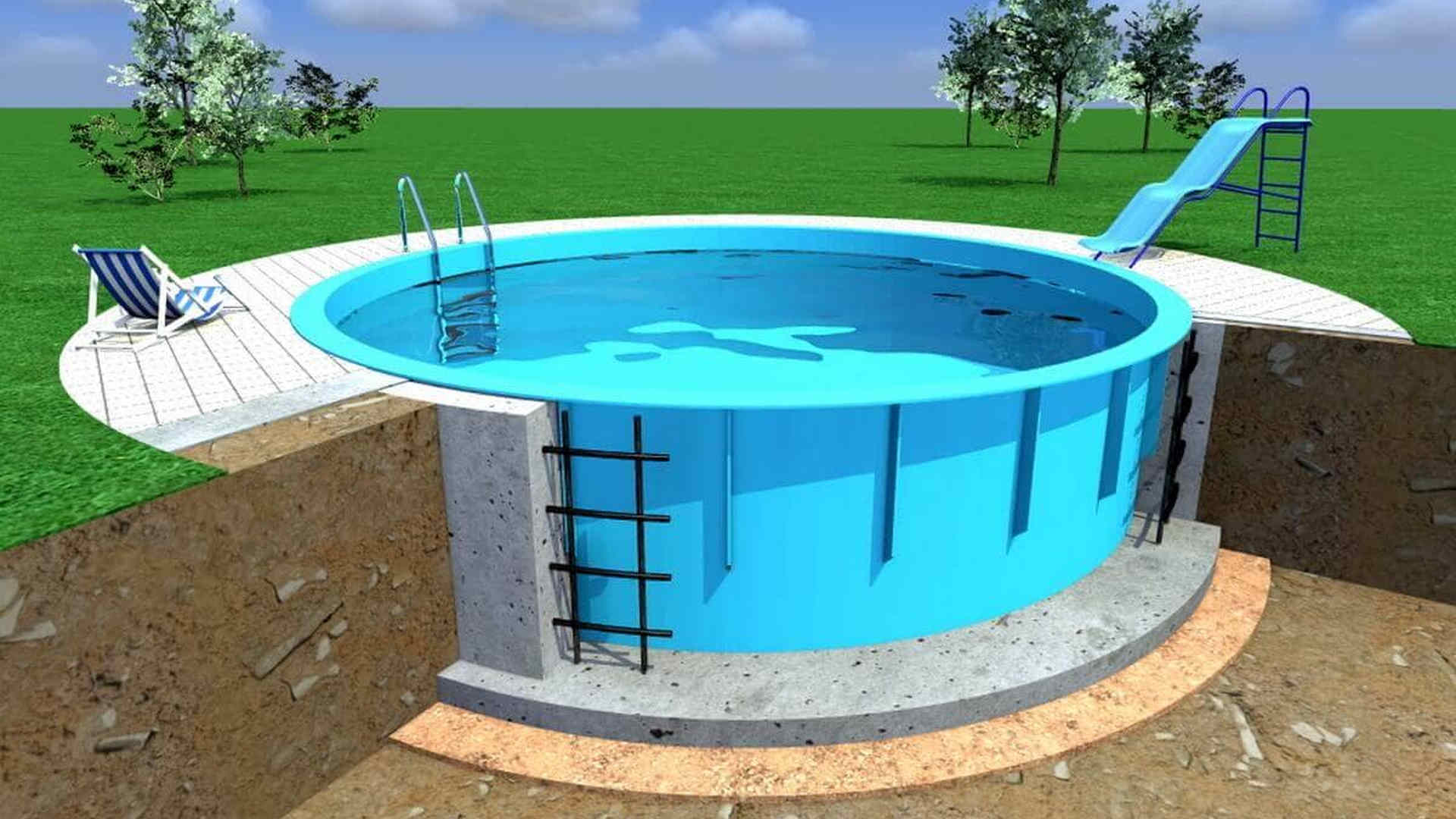
The drawback of polypropylene is low resistance to impacts and deformation. The plastic sheets used are 5-15 mm thick. However, this is not enough to withstand ice expansion, for example, when water freezes. Also, accidental impacts from inside can damage the integrity. Repairing a pool is simple, but many buyers dislike the low strength.
Concrete pools – a unique solution in size and price
Concrete pools can be built in two ways – from on-site mortar or assembled from prefabricated slabs. The second option is considered better because it fully adheres to the technological process of manufacturing concrete structures, including temperature, humidity, mixture uniformity, and drying times. Although more expensive, it is built faster and results in a very durable pool.
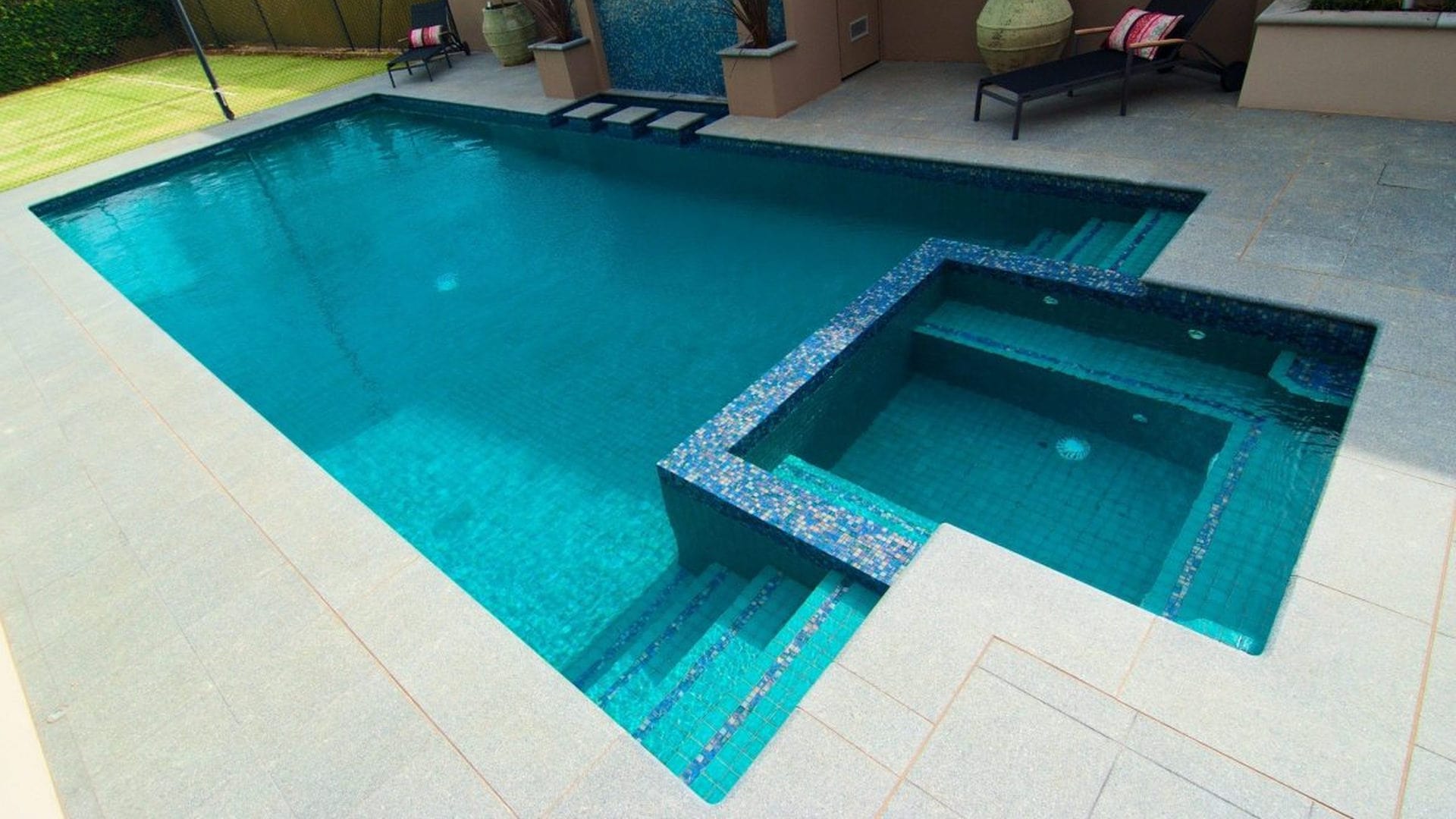
The feature of concrete pools is that they are advisable for sizes from 10 meters in length. Much time is spent on preparation and installation. For the same money, it is easier to buy a composite bowl and quickly install it in a pit. Ordering concrete pool construction is profitable when you need to build a large structure or an irregularly shaped bowl. In this regard, there are no restrictions – 50-250 meters, provided the buyer has the budget for the project.
Composite material pools
Considered the best solution in terms of price, quality, and durability. There are budget options (based on fiberglass), mid-range (composites), and elite solutions (ceramic-composite). The difference lies in strength. The more expensive, the stiffer the structure and the higher the pool’s functionality.
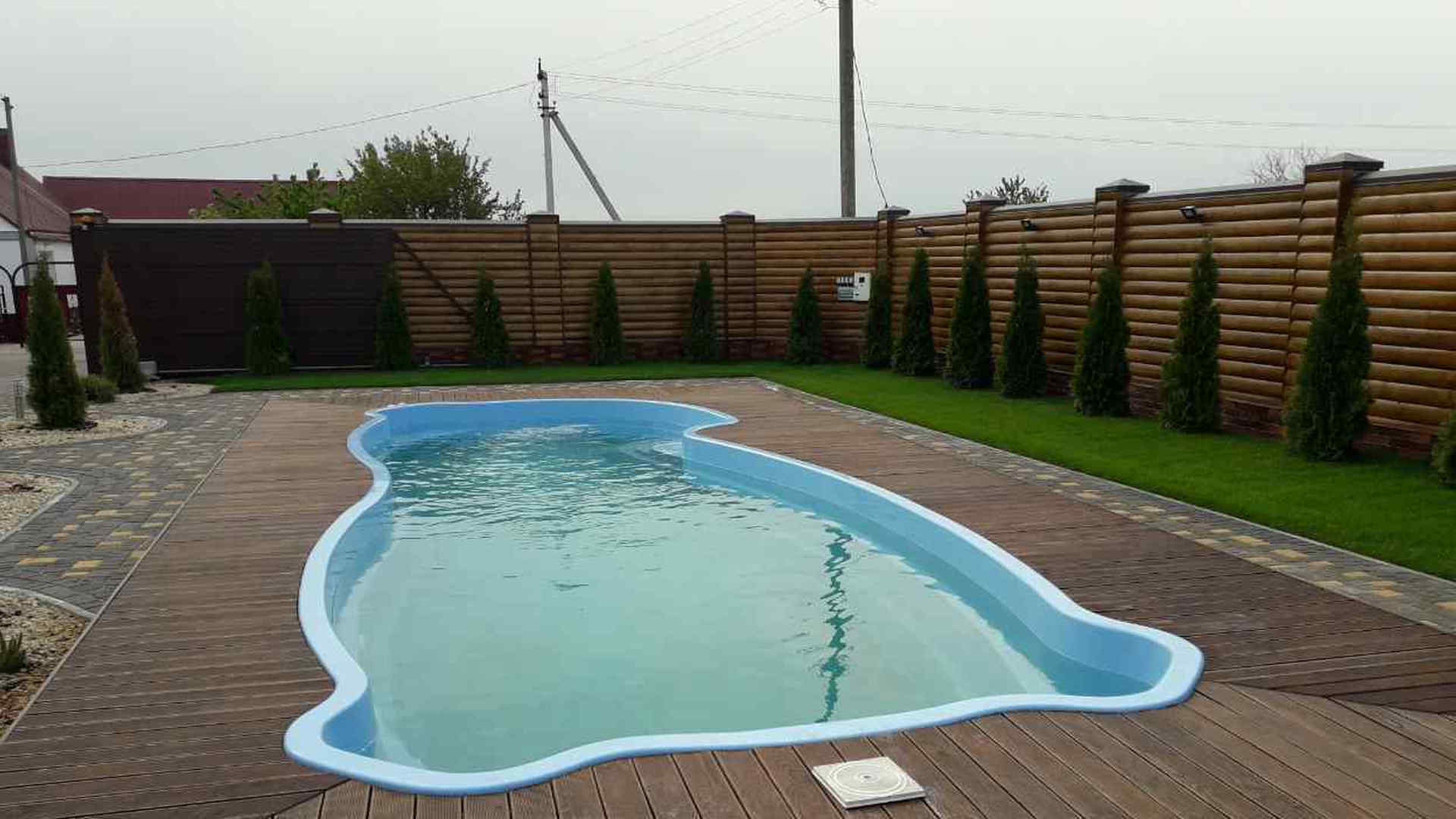
Many manufacturers often deceive buyers by selling polymer products under the guise of composite structures. The difference is easy to identify – composites are much heavier than plastic. Even a small ceramic children’s pool without a tap cannot be lifted easily. A 5-meter polypropylene bowl can be carried out of the store on your own.

- Fiberglass pools are made from composites in the form of fiberglass, binding polymers, and resins. The bowls are quite durable to withstand even ice expansion when water inside freezes. Although, manufacturers recommend draining water or hanging empty plastic bottles around the bowl perimeter.
- Composite pools are a middle ground between price, strength, and durability. Designed for a 50-year lifespan. In summer, they serve as swimming pools, and in winter, as ice rinks (if the region has severe frosts).
- Ceramic pools are essentially composite structures with a thin layer of ceramic crumb with binding fillers. These pools are suitable for seismic regions. Soil shifts, underground currents, earthquakes, and other natural disasters are not threatening for such pools. To justify the high price, manufacturers make ceramic pools more attractive in design. The inner layer is made from colored ceramic-composite crumb that never washes away or wears out. The result is a shimmering texture of a specific color that looks very luxurious.
Metal pools – a relic of the 20th century
Stainless steel was actively used in pool construction until 2000. Then, the price of metal sharply increased, and demand for such pools fell significantly. Stainless steel structures are durable, strong, and very attractive. Moreover, pools can be built in any shape and size (with a concrete base). But in terms of technical characteristics and cost, it is now more advantageous to buy a composite or fiberglass pool.
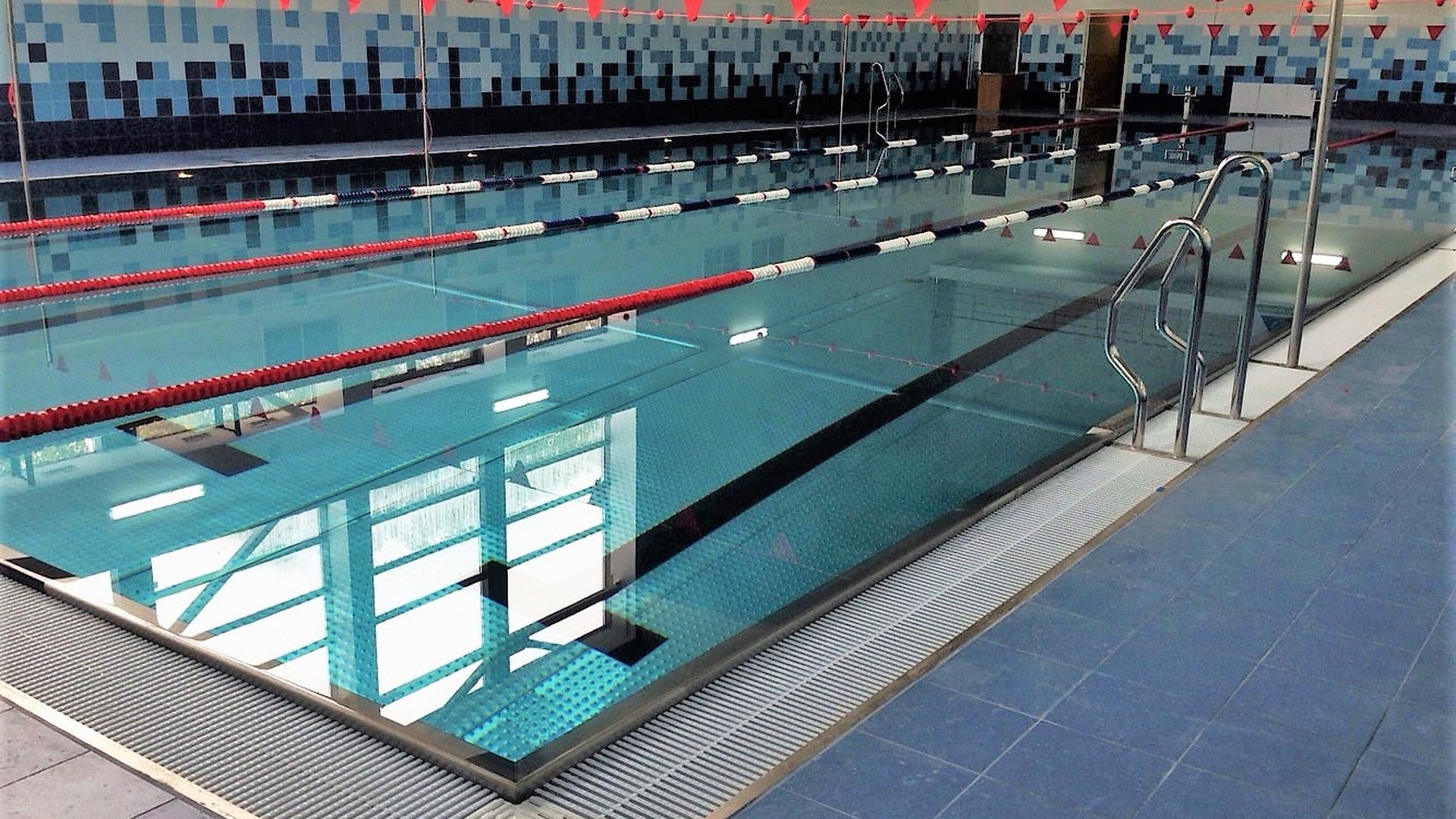
There are also galvanized steel solutions, but they should be approached with caution. Quality galvanized sheets are very expensive. Budget solutions with rolled metal lack durability in operation of the swimming pool.