The relevance of VPN services increased in 2022 to such an extent that it is simply impossible to ignore this topic. Users see in this technology the maximum hidden capabilities. But only a small percentage understands their risks. Let’s delve into the issue to understand how effective this technology is.
What is VPN – the main purpose
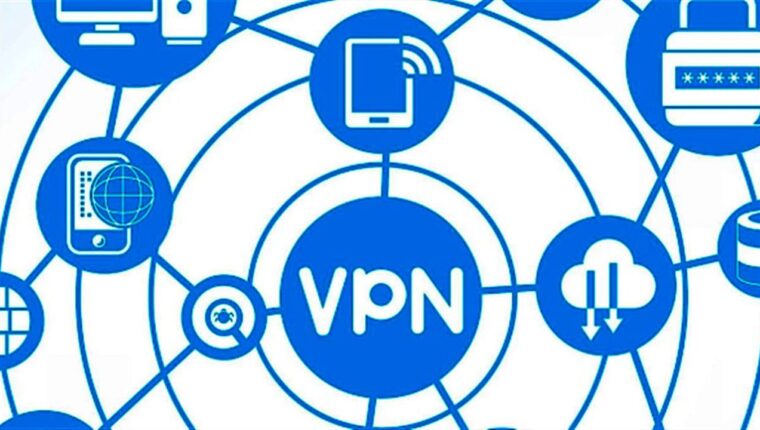
VPN stands for Virtual Private Network. It is implemented on a server (powerful computer) as a virtual environment based on software. Essentially, it is a “cloud” where the user receives network settings of equipment located in a “convenient” place for them.
The main purpose of VPN is to provide employees of a company access to existing resources. That is, for enterprise personnel where outsiders are not welcome. A virtual private network allows access to such benefits as:
- Access to payment systems. Salaries and tariffs.
- Internal company documentation (orders and memos).
- Service documentation (instructions, recommendations, etc.)
- Trade turnover. Orders, prices, process status.
In other words, VPN, in its original conception, is aimed at a trusted group of people who need access to company secrets. In practice, all enterprises worldwide use VPN connections to protect themselves from hacker attacks. And it works perfectly, provided there is a competent administrator.
How VPN works – technical components
You have a computer or a laptop. Imagine that you have allocated some resources to a certain program:
- Processor time. Part of the system’s capacity for processing requests.
- RAM. Or rather, its part for connecting users and their operations in the system.
- Persistent storage. Part of the drive for storing information about connected users and their data.
And the VPN server, built on a computer, provides all these resources to users. The more users connected to the VPN, the more resources are needed. Some are already starting to guess where this is heading. These are just the beginning; the real challenges are yet to come.

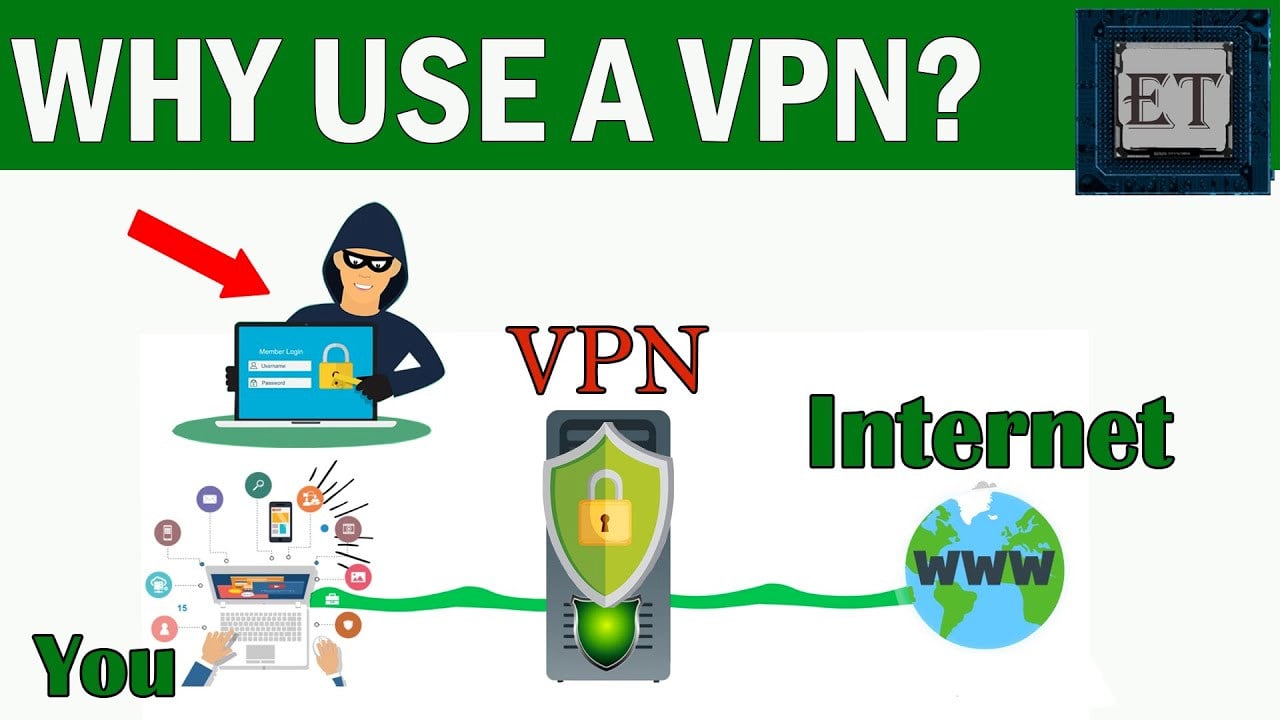
The trick of VPN is that when a user connects to it, they agree to transmit any information to the server. And this includes:
- Personal data. Login, password, IP and MAC address of the network, system characteristics of the connected device.
- Transmitted data. Even if encrypted, the entire flow of information in both directions.
Still not awake?
It’s good when a VPN service works strictly within one company. Where employees genuinely exchange information that allows them to earn money. But third-party company services are questionable.
Paid and free VPN – advantages and disadvantages
Imagine for a moment that you have given your computer to unknown persons online. To anyone who knows its IP address. Just like that, for free. Does that already sound risky? Well, no one will give you a free VPN server just to use. All data is filtered, decrypted, and stored somewhere. How the owner will use it is unknown.
A free VPN is a step into the unknown. Yes, there are services like Opera that bombard users with paid advertising. But again, the service has all user data – logins, passwords, correspondence, interests. Today they may not be interested, but tomorrow – who knows.
A paid VPN promises anonymity and high speed. But no one guarantees that the information passing through them will not be used by anyone. Paid virtual servers operate faster – that’s a fact. But protection of personal information is zero.
How to properly use a VPN service
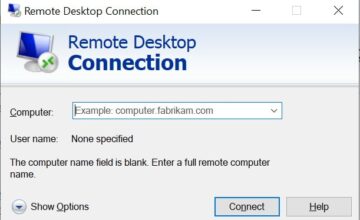
In fact, working with VPN is possible. And quite effective if there is a need for it. To work with the service, a client is required. This can be a classic “remote desktop connection” or a browser. The user’s task is to minimize all risks:
- Use VPN for narrowly focused tasks. For one or two applications that are not accessible in the regular network. Yes, login and password may be compromised, but this risk is justified. It’s better to consider multiple identification methods (3D code or SMS).
- Use secondary accounts. So-called fake accounts. Losing them will not lead to the destruction of the entire user system. Relevant for business – selling goods or services.
It cannot be said that paid VPN is better than free VPN. It’s the same in terms of security. Just paid VPNs work faster. Overall, it’s better to focus on the bandwidth of the VPN network and server response time. There are many resources to check the quality of remote VPNs.

It’s important to remember that no one will ever let you use their resources to the maximum and for free. Would you give it? No. So, VPNs involve significant financial costs that require compensation. Not that the Teranews team is against “virtual private networks”. On the contrary, we actively use VPNs for work. But for ourselves. And those offering free or paid VPNs clearly have some intentions.
So, purely mathematically – renting a medium-sized VPN server for 100 users costs about $30 per month. With an average VPN connection price of $3, net profit is $10 per server. With scale of 1,000 or 100,000, income grows proportionally. And not every renter sees this as their financial benefit. If you sell a couple of “login + password” to third parties, the income can triple per month. Are you really ready to trust your life to a VPN?
![[Exclusive] Noise Master Series: Review of flagship headphones](https://teranews.net/wp-content/uploads/2025/09/frame_19522-360x220.webp "[Exclusive] Noise Master Series: Review of flagship headphones")