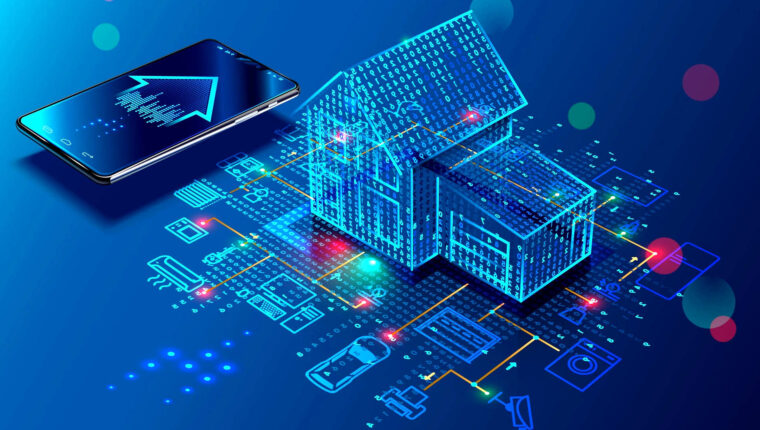
All technological processes occurring in the world are aimed at minimizing human physical labor. Cars with autopilot, robot vacuum cleaners, automatic conveyors, even regular smartphones. Everything is focused on simplifying people’s lives. All this together has led manufacturers to the idea of creating a “smart home”.
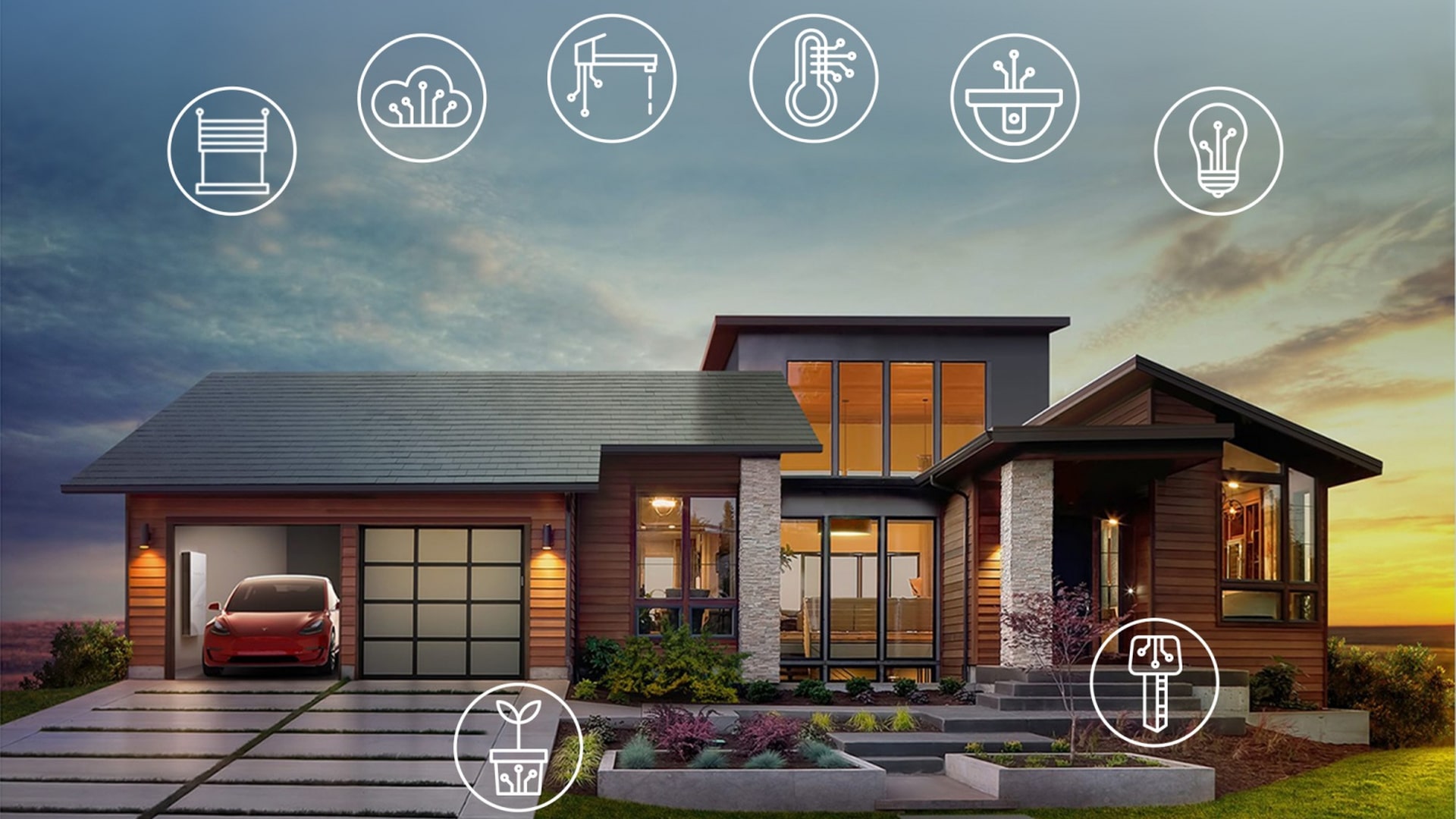
A smart home is a set of automated equipment capable of performing its direct functions without user intervention. The system’s task is to perform everyday tasks with minimal human participation.
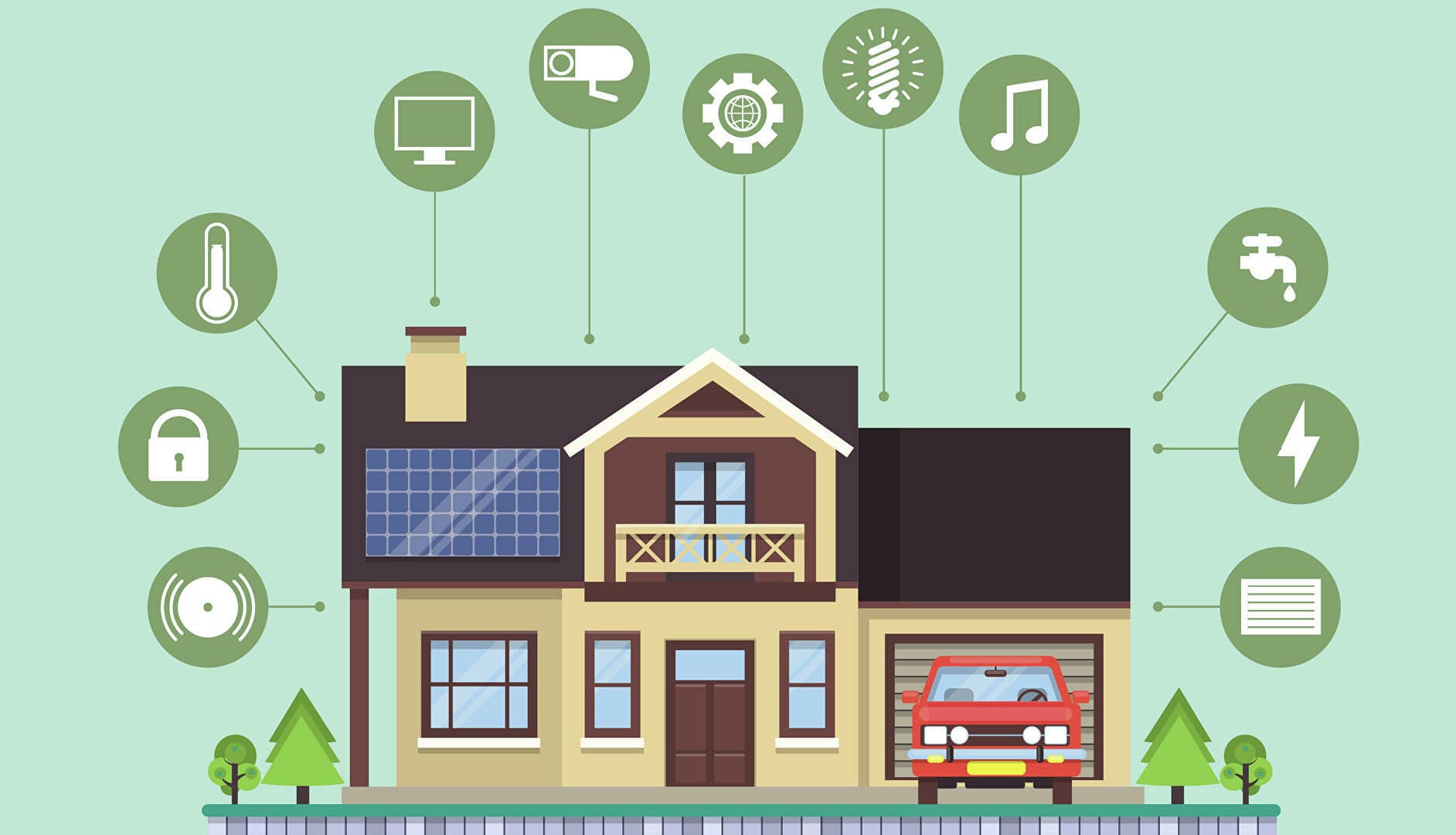
What is included in the “Smart Home” package
All equipment and electronics that can be controlled by a computer fall into the category of automated systems. In the context of a private house, this includes:
- Systems equipped with electronic locks – doors, windows, gates, pool covers, attic hatches.
- Engineering networks and equipment – heating, water supply, sewage.
- Power supply systems – solar panels and wind stations, lighting.
- Electrical appliances – air conditioners, TVs, vacuum cleaners, refrigerators, stoves, and other devices.
The list of electronics and equipment is much larger and constantly supplemented with new items. Starting from smart sockets to alert systems for emergency situations.
How does a “smart home” work — what is needed for this
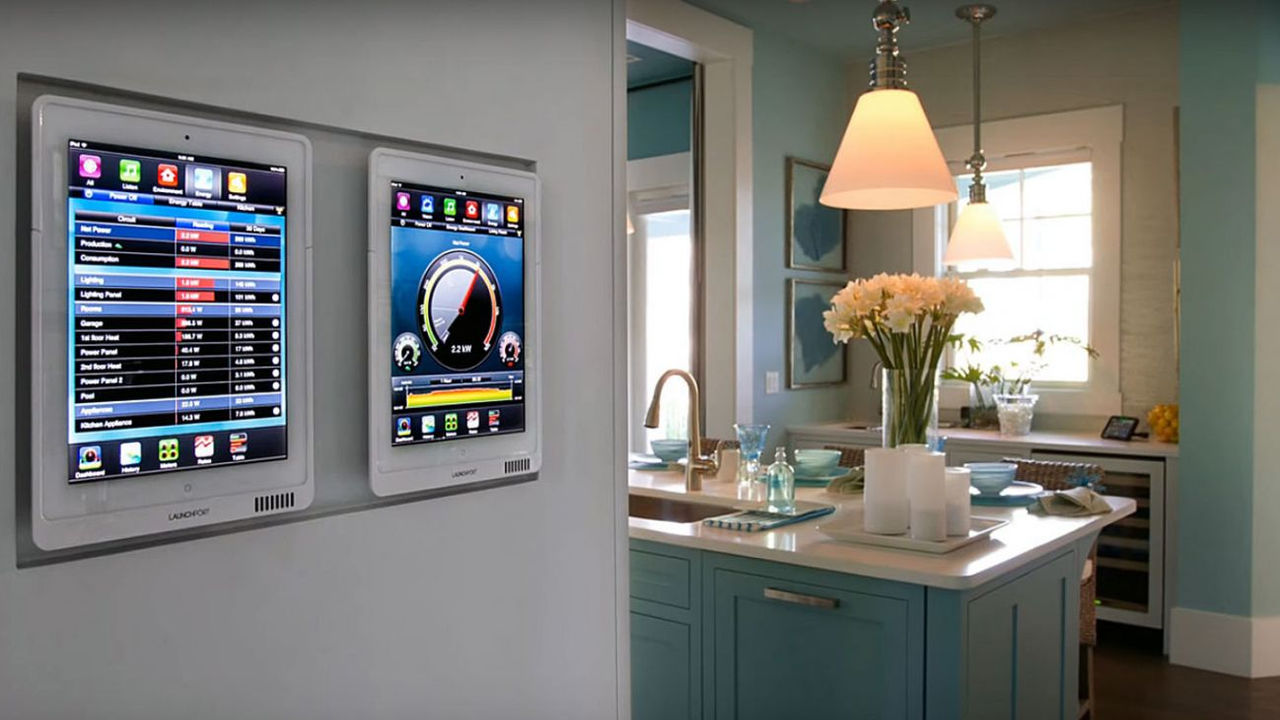
The brain of the entire automated system is the “smart home” hub. It is called the main computer or controller. The hub’s tasks include:
- Access management for all devices via wired and wireless communication channels.
- Systematizing all equipment, creating a convenient functionality for the owner.
- Creating seamless access for the user to control and diagnose from anywhere in the world.
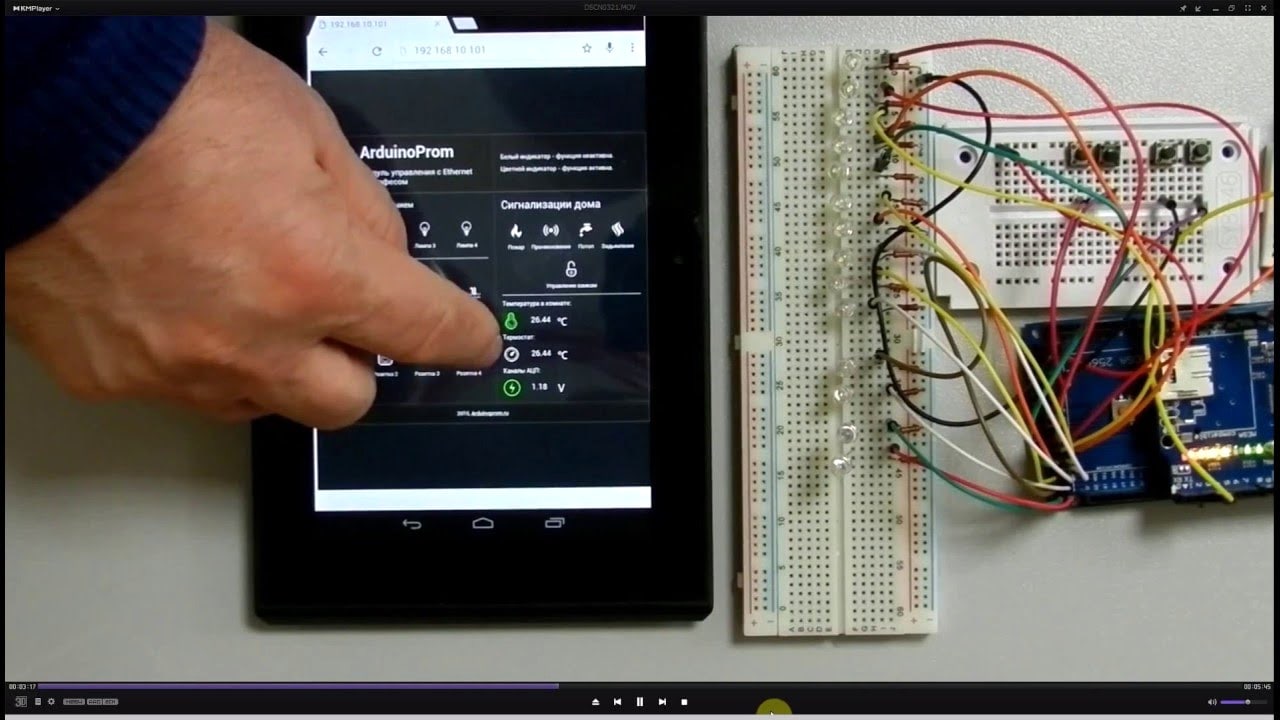
Many manufacturers of such equipment promise extensive functionality and ease of setup. At the purchase stage, it is important to consider the security of the entire system. The feature of a “smart home” is that a successful intrusion into the hub by intruders can cause significant problems for the homeowner. The equipment and software must be protected.
This is why “smart home” systems are so expensive for buyers who turn to specialized professionals. Setting up cheap Chinese equipment offered on relevant trading platforms is easy. But security should always be kept in mind.
Which “smart home” systems are most popular – climate control
Among the equipment list, climate control is the most popular. The system includes:
- Ventilation. Supply and exhaust. They work together. Convenient for kitchens, basement rooms, garages, saunas.
- Air conditioners. Heating or cooling the entire room or zones.
- Humidifiers, purifiers, and ozone generators. They monitor air quality and humidity inside residential and non-residential premises.
- Underfloor heating. Bathrooms, bedrooms.
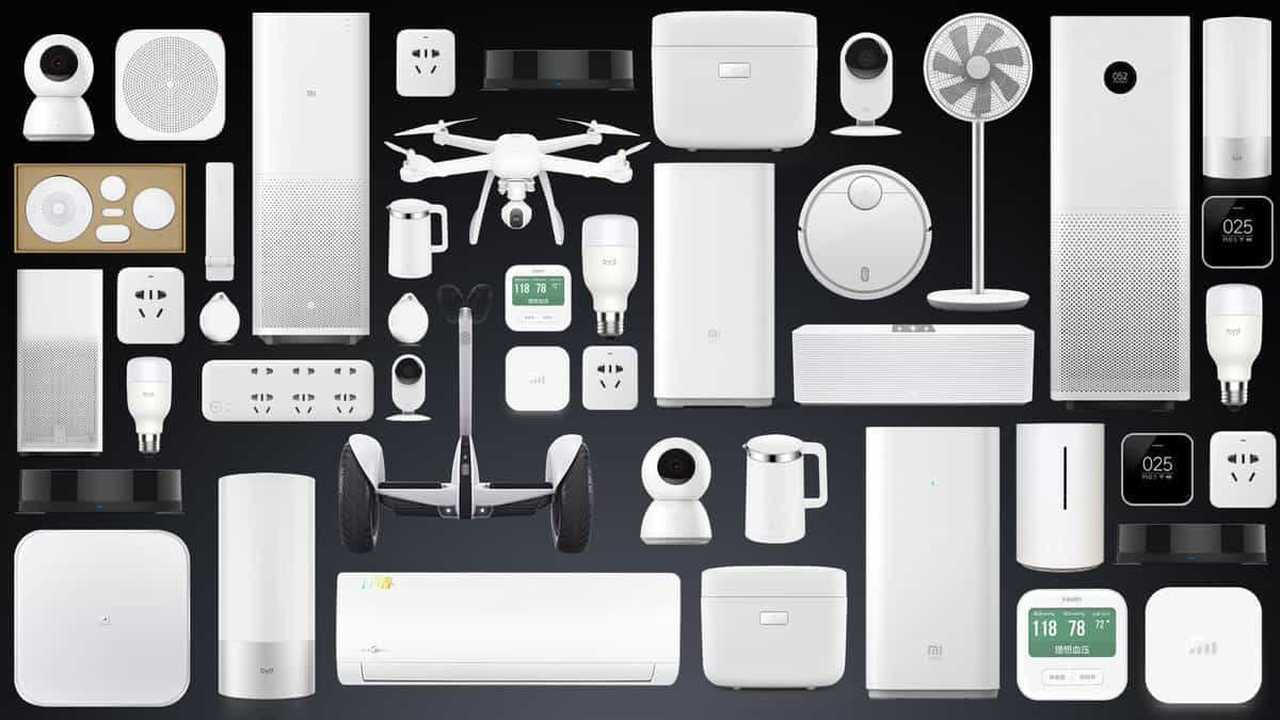
Climate control systems are considered the most complex to manage and configure. To achieve the desired results, it is necessary to install special sensors throughout the house.
Security system for a smart home
Protection against unauthorized entry is an excellent solution for all homeowners. But, considering security, it is better to entrust the installation and setup of such specialized equipment to professionals. Companies that specialize in protecting private properties. Even if a break-in occurs, the responsibility for property loss will fall on the contractor. This is an important point that many people simply ignore.
Yes. You will have to pay monthly fees to the security agency for home security. But it’s worth it. You can immediately install sensors for gas, smoke, flooding. You can even install fire suppression systems inside the living space. As well as automatic water shut-off valves and electrical disconnect panels.
Video surveillance system
Video cameras are often installed by parents to monitor their children or people raising pets. This is a convenient solution that can also record intruders who entered the house. The main thing is to organize the recording and storage system properly. You will need to buy a server with an autonomous power supply system and hide it away from living spaces.
Security system installation companies often offer such solutions. It is not always attractive because the alarm system is connected to the main system. And then it’s a gamble — whether the security company will monitor your actions or not. It’s better when things like surveillance and security work separately (but within the “smart home” hub).
Lighting and smart sockets
With smart lamps, everything is clear – it’s convenient, beautiful, and economical. If you are going to install LED lamps, it’s better to buy ones with RGB backlighting. You can create an ambiance for any task in any room. Party, office, relaxation, family – hundreds of options.

Smart sockets are different. These are ordinary electrical or internet sockets with a built-in relay switch. The convenience is only in turning on and off. In practice, this is a useless thing that few will use. It’s not cheap — the buyer has to decide.
Smart home for multimedia and household appliances
No innovations for multimedia are better than the standard DLNA so far. You can spend hours listening or reading about the convenience of control. But you still have to configure the equipment separately. It’s better to buy a TV, speakers, home theater, tablet right away. Phones, webcams, and other gadgets with DLNA support. All of this can be connected to one network and controlled from a smartphone. There’s no point in spending extra.
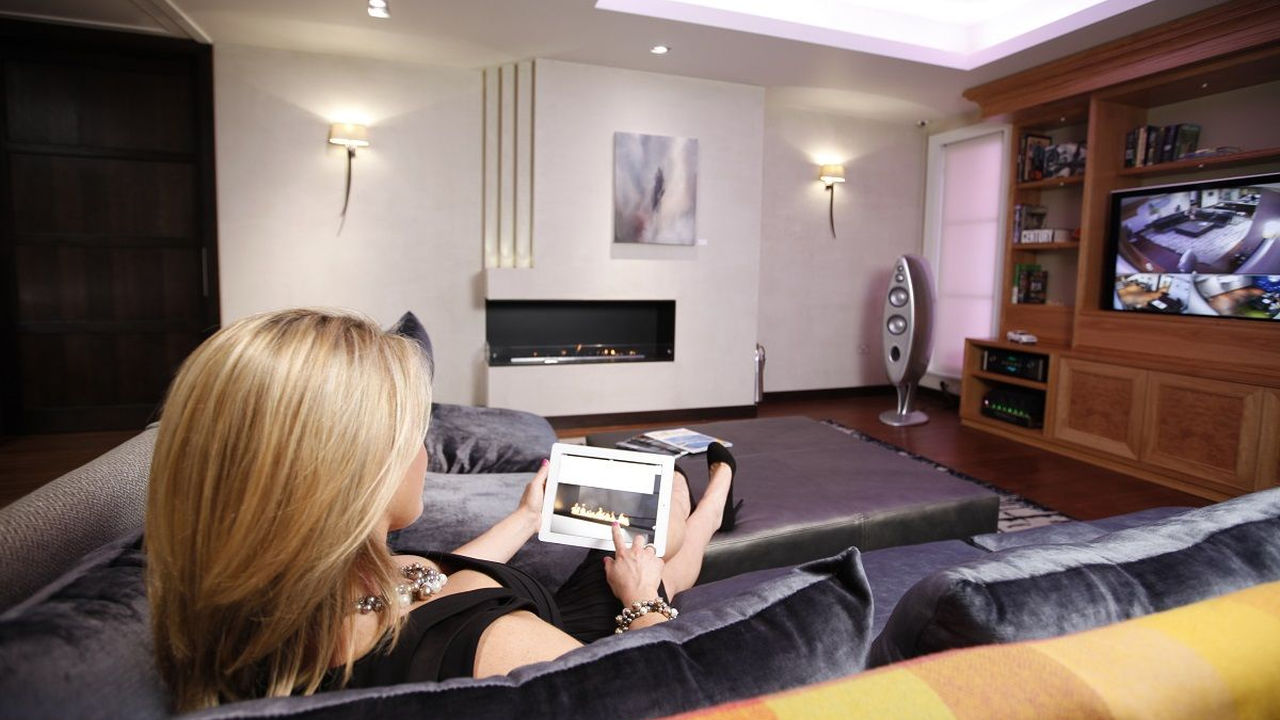
Another thing is household appliances. The “smart home” system in this area has advanced significantly. By connecting household appliances and kitchen utensils to the hub, you can relax and enjoy. Remote control, task monitoring, notifications about completion — no need to run around. You can monitor the process from start to finish on your smartphone screen. Very convenient.
![[Exclusive] Noise Master Series: Review of flagship headphones](https://teranews.net/wp-content/uploads/2025/09/frame_19522-360x220.webp "[Exclusive] Noise Master Series: Review of flagship headphones")