

Outsourcing is a new type of activity offered by people in business suits on TV screens, social networks, or on various websites on the internet. They speak beautifully, but it’s hard to grasp the essence. Let’s try to explain clearly what outsourcing is, along with its advantages and disadvantages.
Outsourcing (literally translated from English as “outsourcing“) is an external service provider. Simply put, outsourcing is assisting an individual or legal entity with something for a certain fee.

Compared to regular enterprises that provide various services, outsourcing companies fully adapt to the work of the hirer. This is an important point because most firms, when declaring outsourcing, operate autonomously, not performing the entire range of services agreed upon in advance.
What is Outsourcing: Examples
Companies need an employee for a one-time task, such as conducting a marketing survey or purchasing computers with subsequent software setup. Expanding staff makes no sense. After all, you need to create a vacancy, assign a salary, pay taxes to the state. It’s easier to attract an outsourcing company. Define the scope of responsibility, sign a contract, and get the expected result.
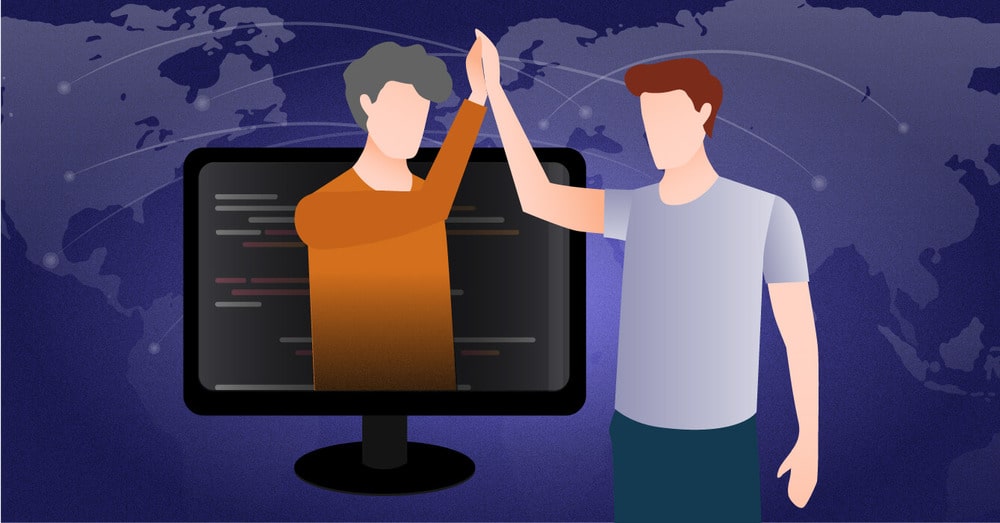
In small and medium-sized businesses, this way, they attract lawyers and accountants. They study and fill out documentation, submit it to government agencies, report, receive payment, and say goodbye.
Advantages and Disadvantages of Outsourcing
Time and money savings – any businessman will agree that this is a great motivation for a company. Especially when outsourcing provides professionals who know their work. Considering that the hirer has the right to select performers independently, the effectiveness of task execution is guaranteed.

The disadvantage of outsourcing is the inconsistency of actions between the performer and the employer. If the hirer correctly formulates the list of tasks and signs the appropriate contract, no problems will arise. Reputable outsourcing companies insist on clear conditions in the contract. Privacy, candidate requirements, scope of work and deadlines, measures of responsibility and fines.
After understanding what outsourcing is and why it interests business, an entrepreneur will inevitably conclude that the service is attractive. All that remains is to choose a company and hold negotiations. Study a standard contract, define the scope of tasks, and wait for the results.

Business owners recommend never closing deals over the phone or with video communication. Only full contact – a face-to-face meeting with a business partner. An outsourcing company without an office in the city of the hirer’s residence is a fake. When it comes to confidentiality and money, you cannot trust strangers, even if they are shown on TV in advertisements.