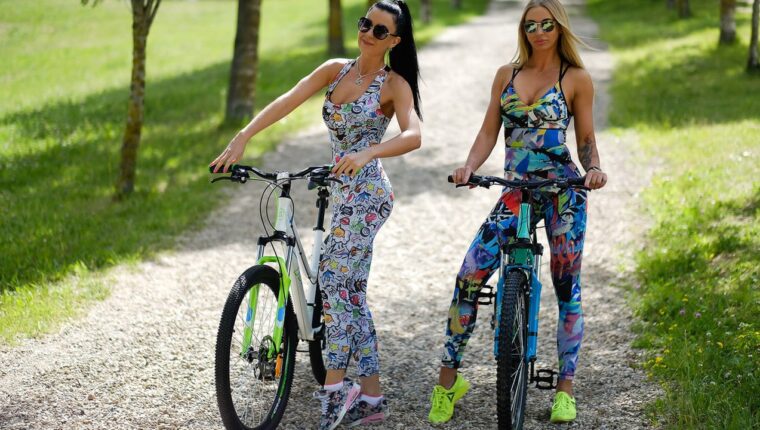
A bicycle is not just a means of transportation; it is a tool for maintaining a healthy lifestyle. Annually, interest in cycling only increases. People deliberately buy bicycles to keep their bodies in shape. After all, it is a real trainer for maintaining muscle tone, heart performance, and burning excess calories. The relevant question asked by buyers is – which bicycle is better – 26-inch or 29-inch wheels.
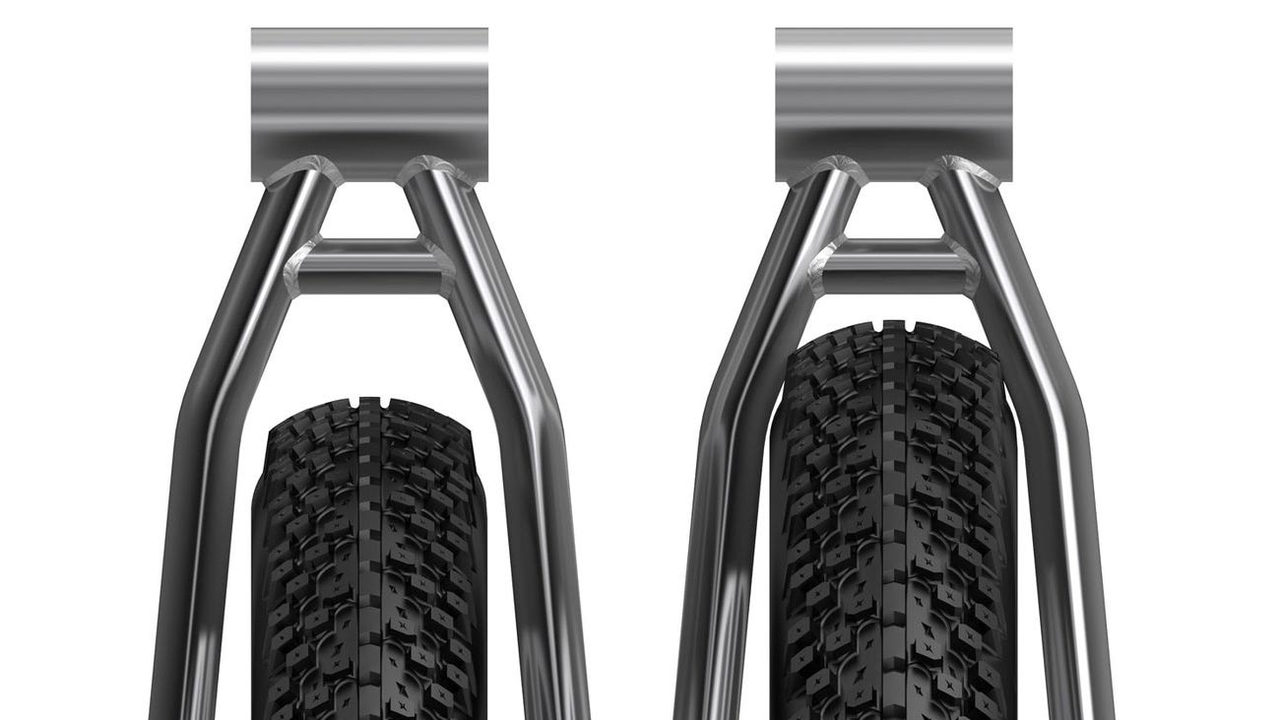
Of course, bicycles also come in intermediate sizes (24, 27.5, 28 inches). But the majority of offers are focused on 26-inch and 29-inch wheels. And we will briefly explain the difference between them and what is better to buy.
Which bicycle is better – 26-inch or 29-inch wheels
There is no clear answer as to which is more effective. It’s like asking which sneakers are better – thin-soled “sneakers” or those with a thick, shock-absorbing sole. It all depends on the conditions of use. Therefore, it’s better to start from the end – identify the conditions in which the bicycle will be used:
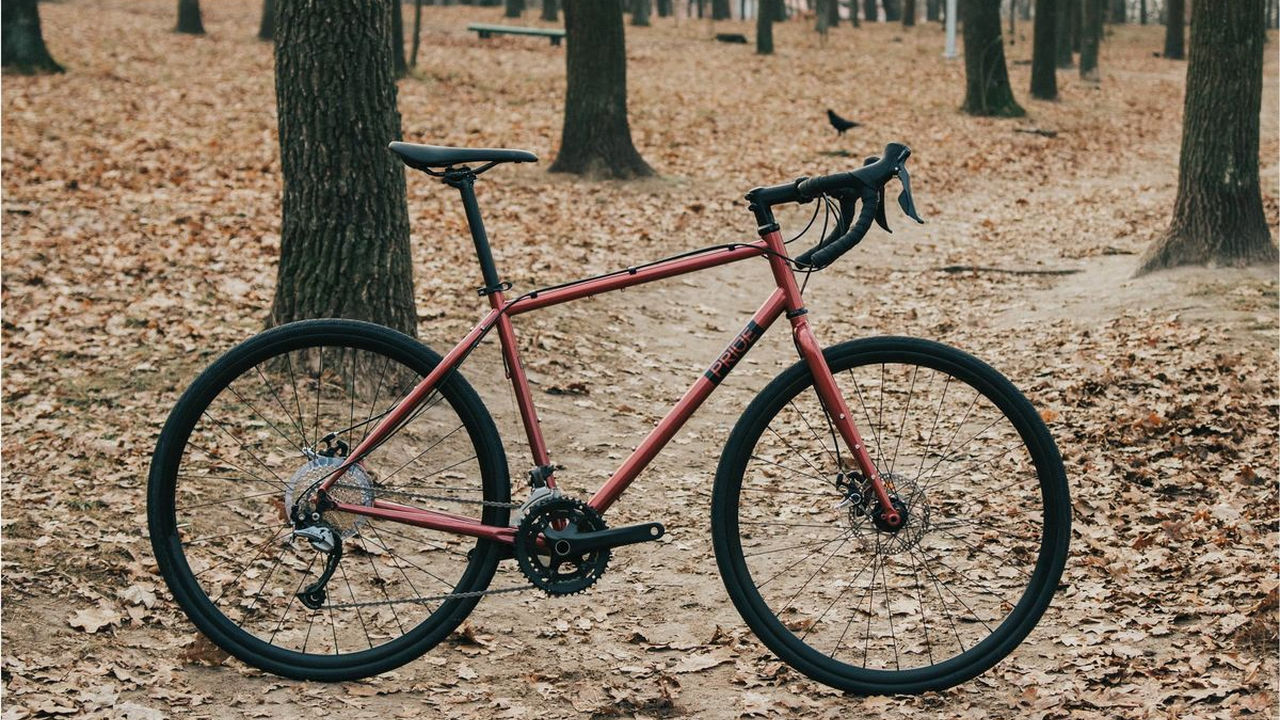
- 26 inches – this is a lower gear ratio between pedal rotation and wheel rotation. It provides explosive power, quick starts, and the ability to more effectively overcome obstacles. Accordingly, 26-inch wheels perform better off-road – sand, mud, vegetation.
- 29 inches – this is a higher gear ratio between pedal rotation and wheels. With minimal physical effort, it is easier to gain speed and achieve better rolling (free movement of the bicycle due to inertia). Wheels with a diameter of 29 inches are better for riding on hard, flat surfaces.

Passability of a bicycle is determined not by wheel diameter but by tire type
Partially, this statement is true. The better the grip (higher tread), the easier the bicycle passes through terrain. But there are limitations. Without going into the full list of tire types, highlighting three basic types can help understand what is better and choose the right wheel diameter for the bicycle.
- Slicks. These are extremely smooth tire surfaces with a small tread pattern. Due to high hardness, such wheels have the best rolling on asphalt roads. Sliks can be purchased for both 26- and 29-inch wheels. Both types have their limitations, such as no passability on sand or problems riding on wet roads. Not suitable for winter riding either – slicks are not designed for that.
- Standard tires. Width up to 2 inches, tread pattern – design, without studs. An intermediate option for riding on paved (concrete) roads and off-road terrain. In the latter case, it includes grass, hard layers of chernozem, clay, small sandy dunes. Standard wheels are used on all mid-range and higher bicycles.
- High-passability wheels. Wide rim, presence of rubber or metal ground spikes. These wheels are used for riding off-road, mud, snow, and sand dunes. Studded tires are usually sold separately as tires. Many budget bicycle manufacturers install these “jeeps” on their products. It’s better not to buy them. Such “beautiful” bicycles have low-quality parts and won’t last long in operation.
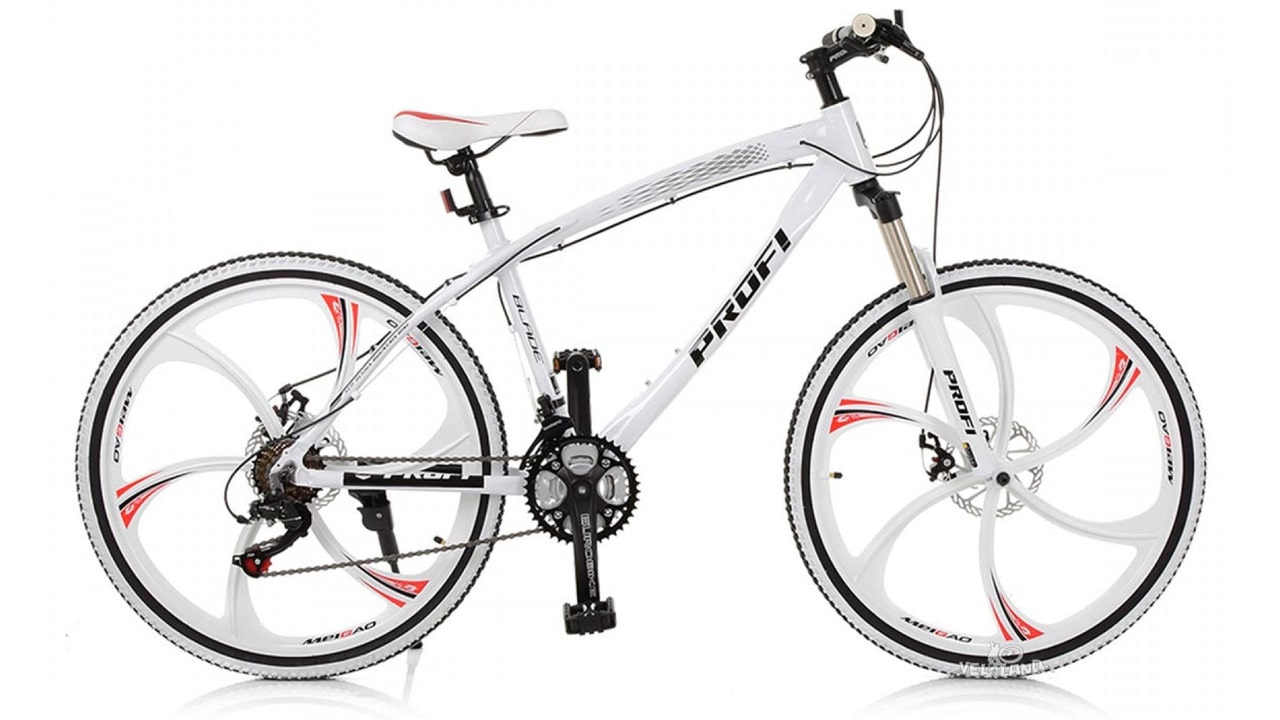
Conclusion – what is better to buy: a bicycle with 26 or 29 wheels
Focus on offers from sellers in your region. Both types of bicycles come in different sizes – suitable for both children and adults. Don’t forget that there is a fashion for certain types of bicycles. From 2000 to 2016, it was trendy to ride on 26-inch wheels. Now, 29-inch wheels are in trend. It’s uncertain what will come next. Don’t follow fashion. Find a bicycle that suits your needs. The price difference is not significant, but there are differences in components, which greatly affect the price.
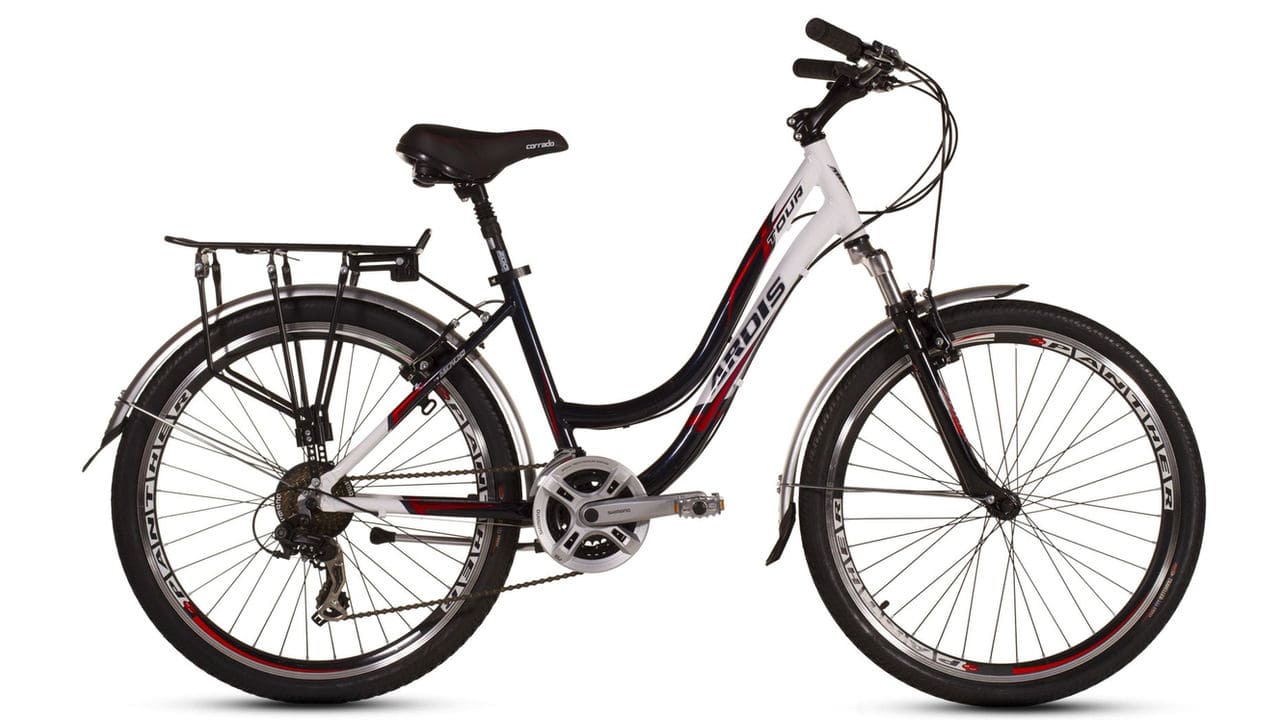
The classic on the market remains bicycles with 26-inch wheels. They are lighter, smaller, and demonstrate better passability. Spare parts are always available, and there are many offers from well-known brands. But if you plan to ride long distances on the road (over 30 km one way), it’s better to choose a bicycle with 29-inch wheels. Less physical effort is required for the trip. And don’t forget about tire type. The lower the tread, the more rolling resistance, which is a plus for saving your energy.