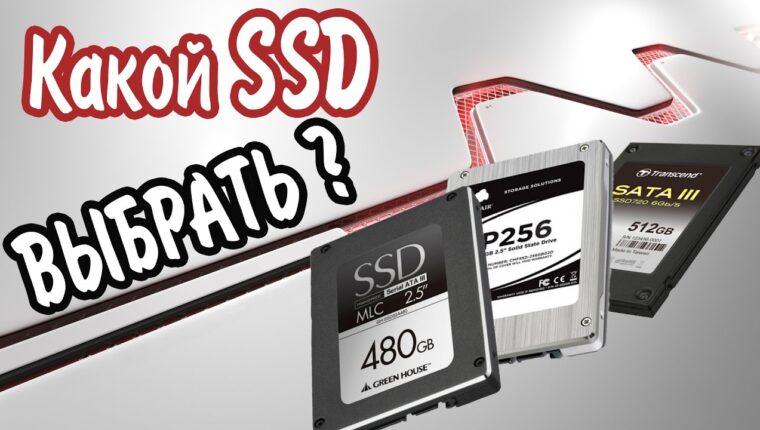
It has been less than three years since PC and laptop users believed in the miracle of SSD drives. Now every schoolchild knows that a solid-state drive, even on a very old computer, demonstrates unprecedented performance. Naturally, the question arose: which SSD to choose for a desktop PC or laptop.
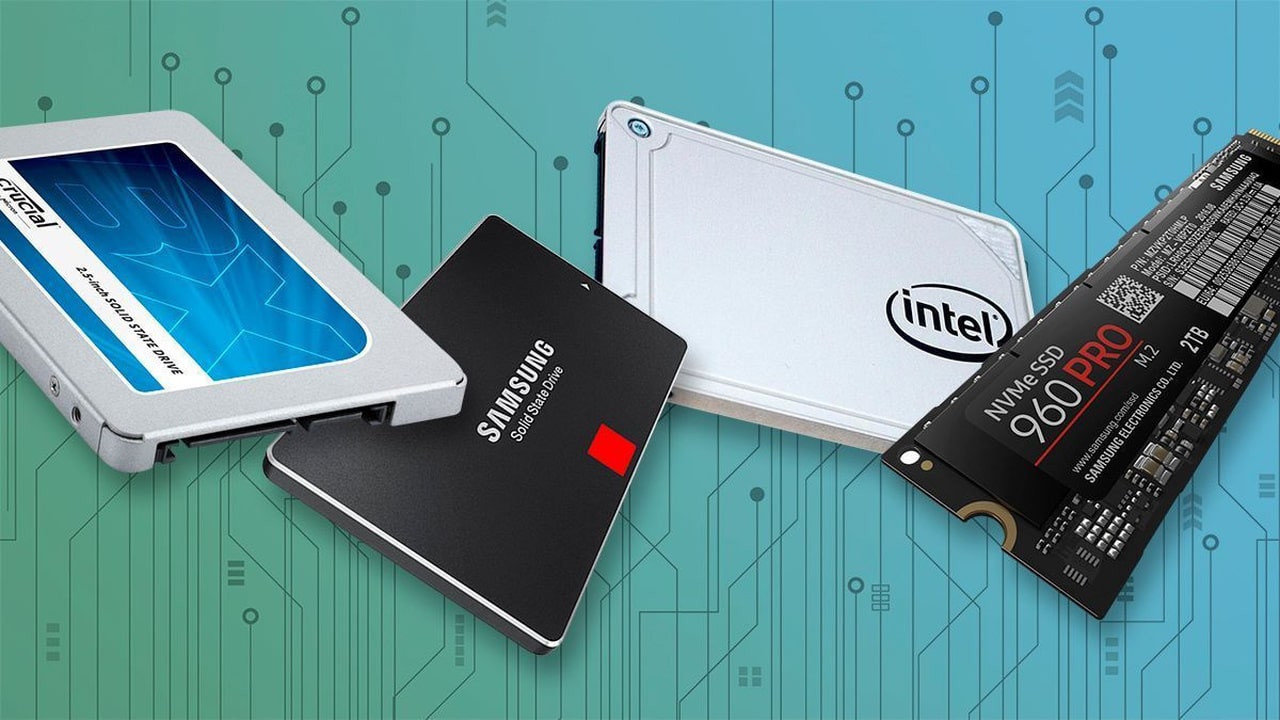
Here, buyers are faced with pitfalls that are difficult to find information about. Moreover, manufacturers of low-quality products have launched a “hoax” online, which appears to be a compelling argument for buyers. And this concerns the properties of solid-state drives, which supposedly retain all recorded data after failure. That’s a lie!
Which SSD to choose for a desktop PC or laptop
The brand name decides everything — only this rule applies to SSD drives. Neither price, nor capacity, nor technology. If you need a durable drive, you will have to compromise principles and choose a reputable manufacturer. Fortunately, the options are limited. Among all global brands, based on reliability, the list of durable SSDs includes only three trademarks.
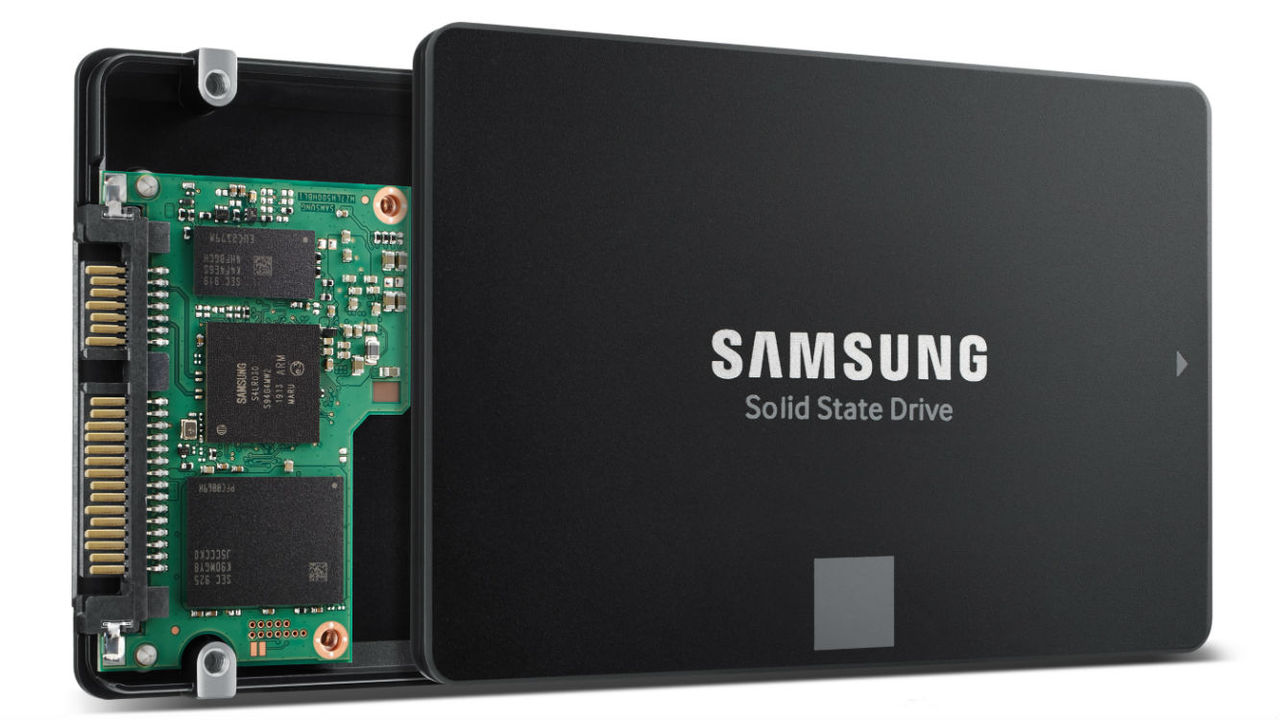
First place goes to Samsung. This applies to all types of drives (MLC, TLC, V-NAND, 3D). And it’s understandable — the company has its own factories in South Korea and China for chip manufacturing from scratch. The only mystery is the cost. Because Samsung sells its chips to other SSD manufacturers. Perhaps we don’t know everything about manufacturing technologies and software. But if you plan for longevity in using a solid-state drive, Samsung is the best choice.
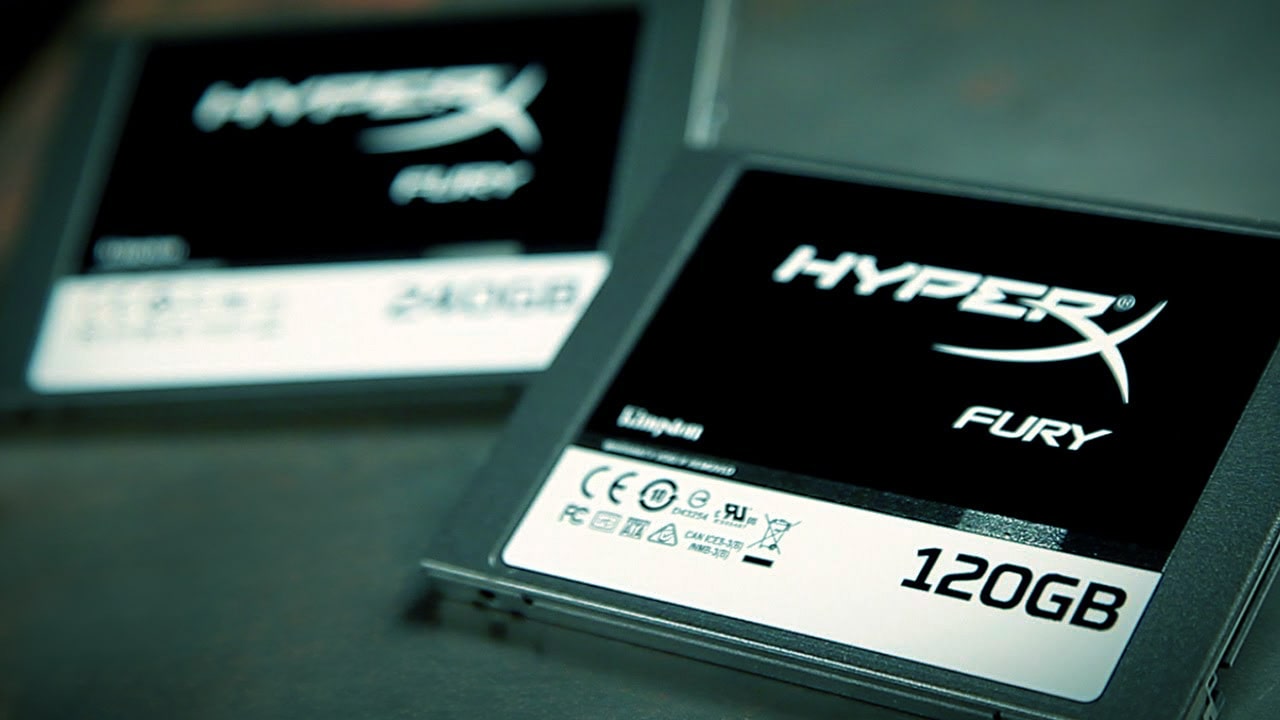
Second place goes to Kingston. The brand is quite well-known for manufacturing RAM that guarantees a lifespan of 10-20 years. The same story applies to SSD drives. Own chip manufacturing plants and an impeccable reputation keep the brand at the top of the list. What hinders Kingston from surpassing Samsung is one detail. In 2018, resource-intensive storage devices sold by a very reputable company failed earlier than expected. Although they should have lasted much longer. This development error was the reason Samsung became the top brand. Overall, Kingston shows excellent speed performance — even Samsung can only dream of that. But luck has not been on the brand’s side.
Goodram holds firmly in third place. The company also has its own factory, which, at one point, acquired several patents from the well-known Micron brand. This explains the modern technologies used in manufacturing solid-state drives. Goodram made a significant breakthrough with SSDs in 2018. However, due to financial greed, it lost its position in 2019. In terms of price and durability, these drives significantly lag behind Samsung and Kingston.
SSD Drives: Characteristics
In any online store, using standard filters, buyers will inevitably choose brands like Liteon, Apacer, Patriot, Leven, etc. The same applies to MLC or V-NAND, 500 MB per write or read, and millions of hours before failure.
Oops!
There is a parameter that manufacturers of cheap SSDs often omit. Because this parameter directly affects durability. And by the way, Samsung, Goodram, and Kingston print this parameter boldly on the SSD packaging. It’s called the write resource. Measured in terabytes (TBW). And only this parameter determines the lifespan of all solid-state drives.

In short, all cells have a write-erase limit. No matter how many hours the manufacturer claims, technology cannot be deceived. Only the TBW indicator determines how long the SSD will last. If an online store does not have such a filter or indicator, run away. You are being deceived.
Using an SSD Drive
A drive is not designed for long-term data storage. If a cell is not supplied with voltage (access) for 60 days, it dies. This phenomenon is described in all scientific works, which are not available on Wikipedia but can be found on the Internet. Accordingly, as a storage medium, SSD is not intended. Therefore, when choosing which SSD to buy for a desktop PC or laptop, you must consider everything!
Frequent access to cells also wears out the drive. So, torrents, file managers, and servers are prohibited. What remains? Operating systems, applications, and games. Users have unlimited possibilities here. Yes, manufacturers are working on memory durability for long-term data storage. The same V-NAND MLC 3-bit from Samsung already demonstrates over 365 days of endurance. But that’s not enough. We look forward to what surprises 2020 will bring.