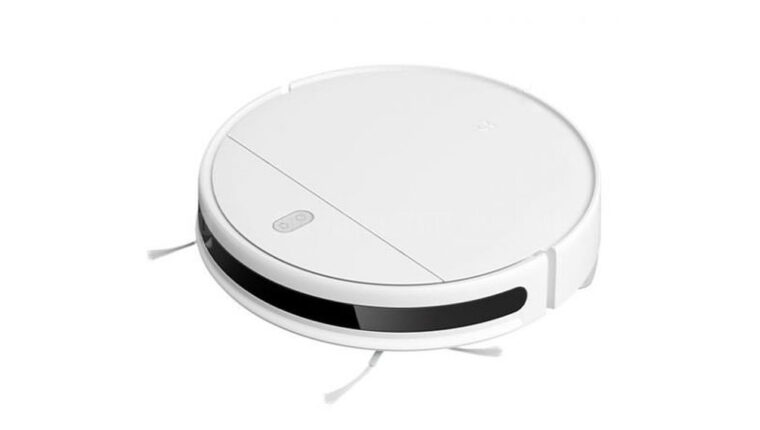
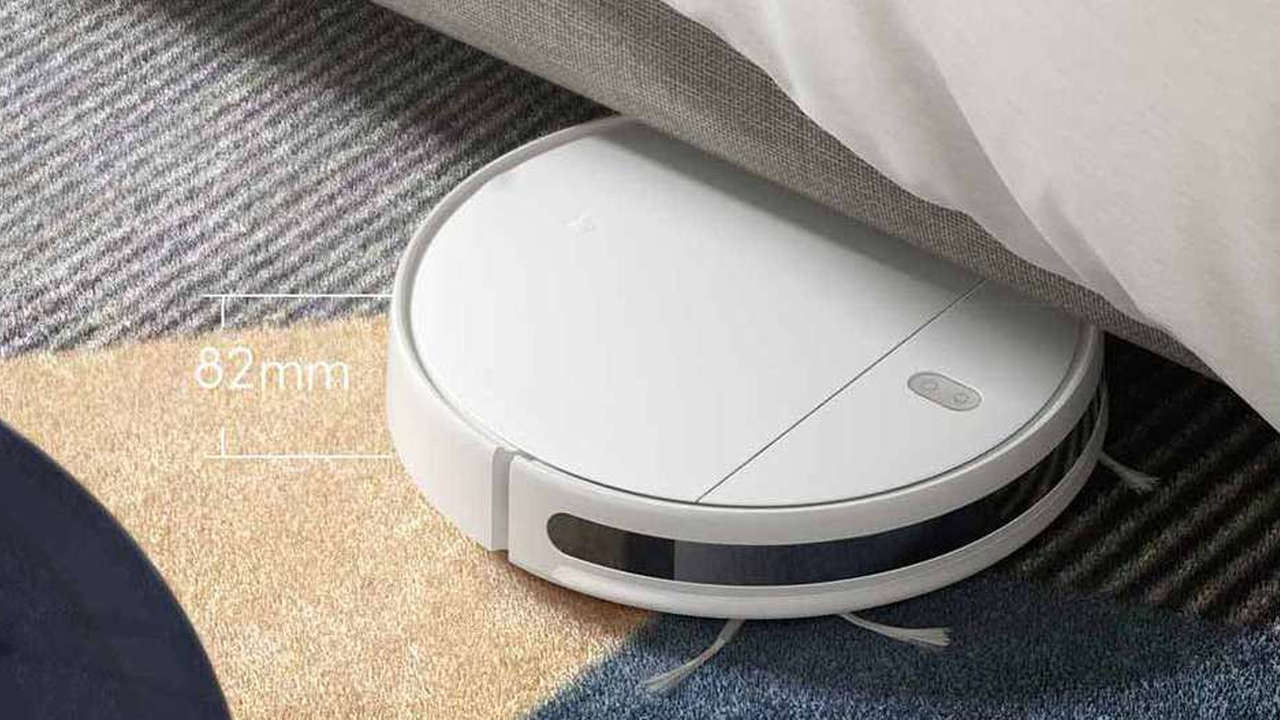
The Xiaomi Mijia G1 robot vacuum cleaner was released back in April 2020. It initially went unnoticed because the Chinese set its price at $400 in their homeland. However, in November, just in time for Black Friday, the price dropped to $200. Naturally, interest piqued. This is a mopping vacuum cleaner with a suction power of up to 2200 Pa (0.02 Bar). And what’s most interesting about it is its height. Only 82 mm – it easily slips under beds or cabinets to clean dust in places where a manual mop can’t reach.
Xiaomi Mijia G1 Robot Vacuum Cleaner: Specifications
| Cleaning Type | Dry and Wet |
| Control | Remote (Mi Home and Voice Assistant) |
| Dustbin Capacity | 600 ml |
| Wet Cleaning Reservoir | 200 ml |
| Battery Capacity, Runtime | 2500 mAh, up to 90 minutes |
| Product Material | ABS body, metal – rotating mechanisms |
| Impact and Drop Protection | Bumper, 17 mm |
| Price | According to our link (banner below) $179.99 |
Apparently, Xiaomi has moved into the 22nd century – the era of digital mega-technologies. Once again, we notice that obtaining detailed information and technical specifications on the official website is problematic. However, there are videos where everything is explained in detail. Let’s try to briefly summarize this for the reader.
Xiaomi Mijia G1 Technical Capabilities
The only thing it lacks is an ultraviolet lamp capable of eliminating mold and microbes inside the room. This is the only drawback we found in the Xiaomi Mijia G1 robot vacuum cleaner. Otherwise, it has many advantages:
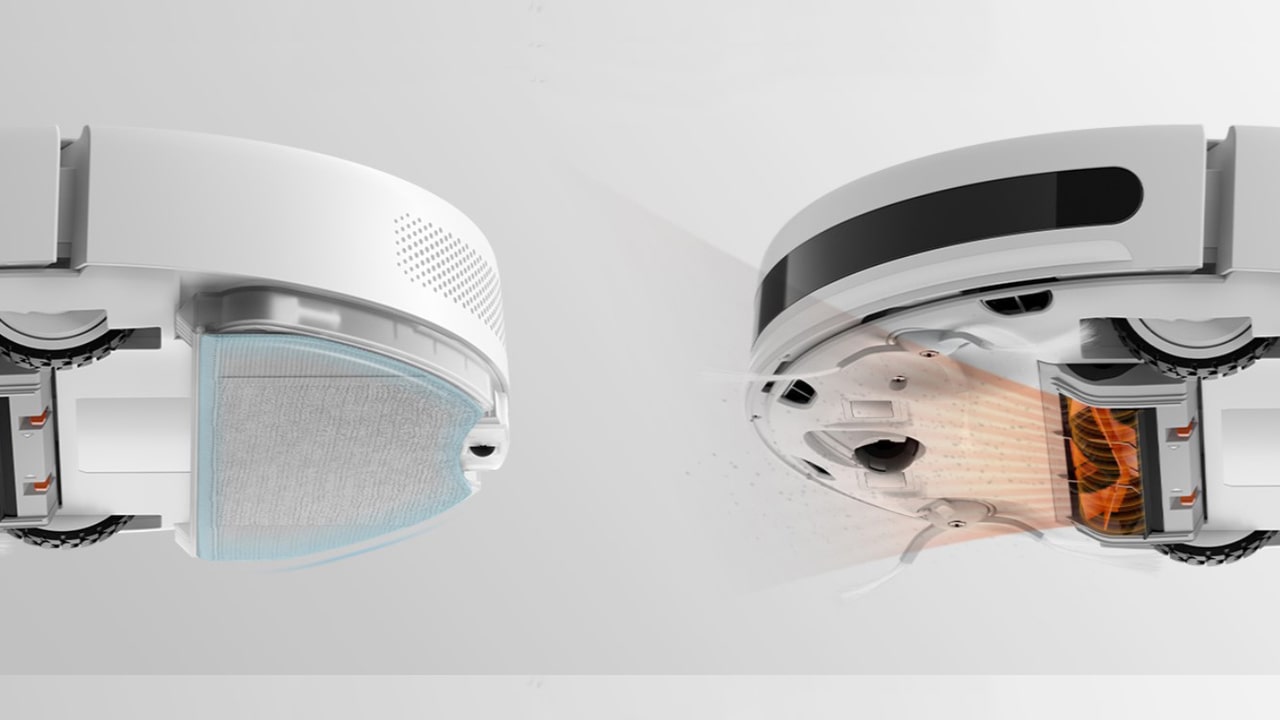
- Rotating brushes. Note, not just one, like more expensive competitors, but two. And these are capable of reaching into corners and pulling out dust. After using the robot vacuum, you won’t need to run around with a wet cloth to wipe those corners.
- Built-in pump for liquid transfer during wet cleaning. The manufacturer proudly calls it a 3-stage liquid supply. Essentially, it’s a pump that controls the humidity of the microfiber for different floor types. For example, Samsung has issues with matte-finish tiles – the robot creates puddles. Xiaomi has solved this problem.
- Adjustable suction power. The fact that the device can suck with a power of 2200 Pa is impressive. To help the reader understand – Xiaomi Mijia G1 can easily suck in all the balls from roller skate bearings. But it makes noise like a Boeing 747 before takeoff. If you just want to collect dust, you can select a quiet mode. There are four modes in total.
- Good air filter. When a powerful vacuum cleaner sucks in air, it needs to release it somewhere, passing it through the dust collector. Cheaper devices release dust in clouds through special grilles. The Xiaomi Mijia G1 has a HEPA filter. Yes, it can trap bacteria, but the manufacturer did not specify its lifespan. We also couldn’t find these filters for sale in the store.
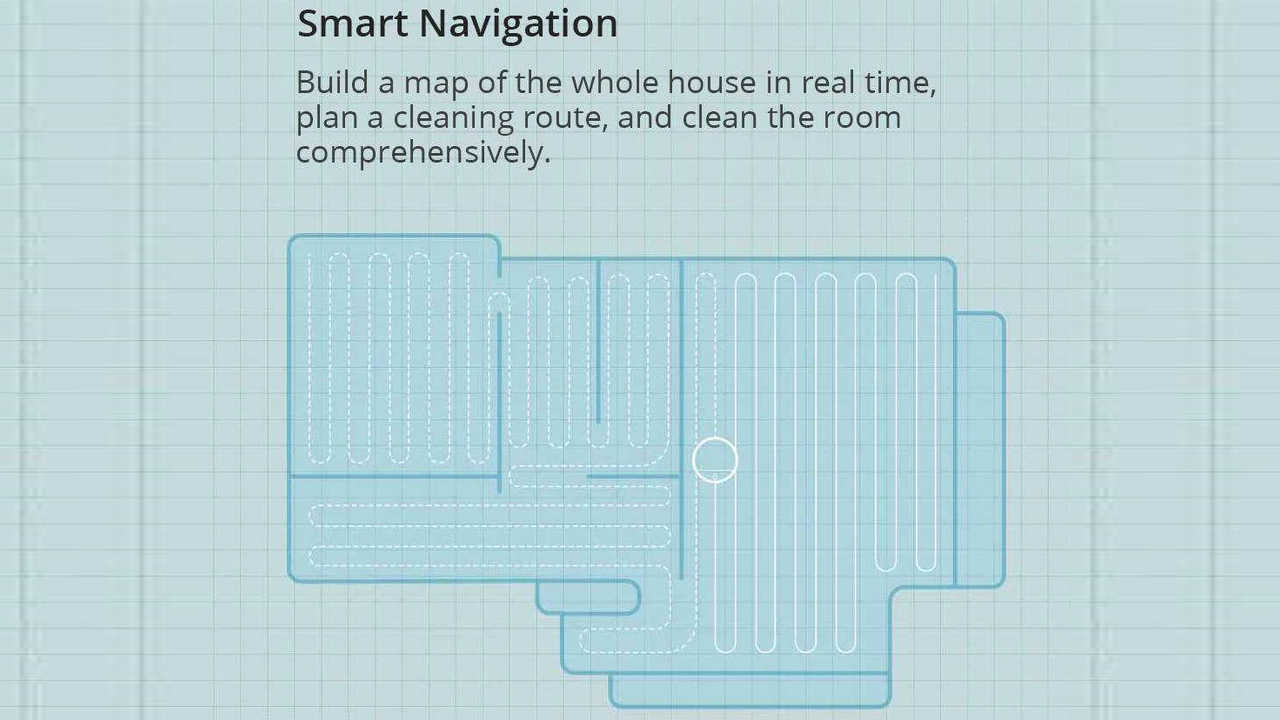
- Smart automation system. It’s not that the Xiaomi Mijia G1 robot vacuum is very smart, but it can avoid falling down stairs, not break fragile vases, and during cleaning, it doesn’t waste time re-cleaning already clean areas.
- Ergonomics. Hooray! The Chinese didn’t bother with that silly bump on the body with sensors. Its height is only 82 mm. It can even slip under a sofa.
Advantages of Buying the Xiaomi Mijia G1 Robot Vacuum Cleaner
At a price of $180, this is the first smart vacuum cleaner you can get for experiments. Rest assured, after using it, all those expensive Samsung, Ecovacs, iRobot, Rowenta solutions will start to irritate you. The Xiaomi Mijia G1 robot vacuum is unique in its kind. Compact, works on any surfaces, doesn’t fall from heights, sucks everything in its path, reaches internal corners. Economical, convenient, fast, and unobtrusive.
The only downside is the very low-quality service from the manufacturer. There is a 12-month warranty. Rest assured, the Xiaomi Mijia G1 robot vacuum will meet all your needs. But the manufacturer has no spare parts or consumables for it. Or they exist, but we don’t know about them. And why – it’s unclear. What will happen to the gadget after 2 years – no one knows. This situation is unpleasant. Take Samsung, for example – they have a 5-year plan: replace spare part #1 then, put in a repair kit. Expensive, but the robot has a future. Xiaomi, on the other hand, is a gamble. It might break after a year or last five years.
To learn how to choose a robot vacuum cleaner, visit – here. And you can buy with a discount by clicking on the banner:

![[Exclusive] Noise Master Series: Review of flagship headphones](https://teranews.net/wp-content/uploads/2025/09/frame_19522-360x220.webp "[Exclusive] Noise Master Series: Review of flagship headphones")