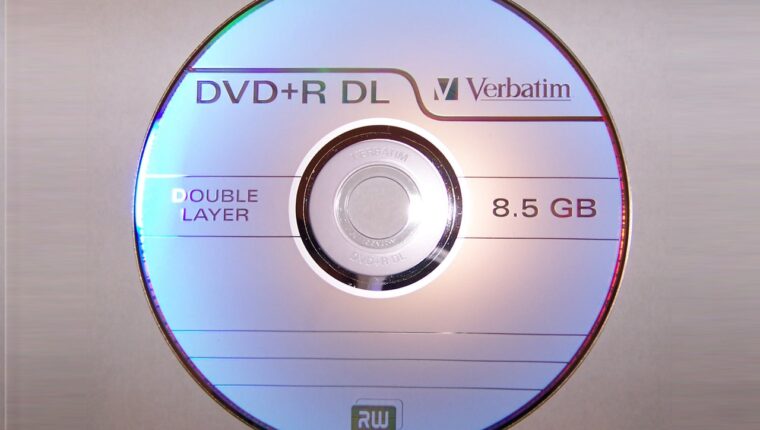
Forty years ago, on August 17, 1982, the era of optical media began. The very first CD became a music carrier for the then-popular band Abba with The Visitors. Besides audio data, compact discs found applications in the computer industry. They were an excellent source of data storage that met the highest requirements, particularly in terms of durability. According to manufacturers, data could be stored for up to 100 years, naturally with proper care of the discs.
After 40 Years, Compact Discs CD and DVD Are Again Popular
Strangely enough, the popularity of CD and DVD discs has been driven by the loss of information stored on digital media. By the way, IT experts discussed this issue twenty years ago. But no one listened. People firmly believed that Flash and SSD could provide proper data storage. But something went wrong:
- When storing data long-term on digital drives, information is lost due to lack of power for the cells.
- Digital drives, due to poor connection via USB or SATA, burn out, taking the information with them forever.
- During transportation, flash drives and discs break, becoming unusable.
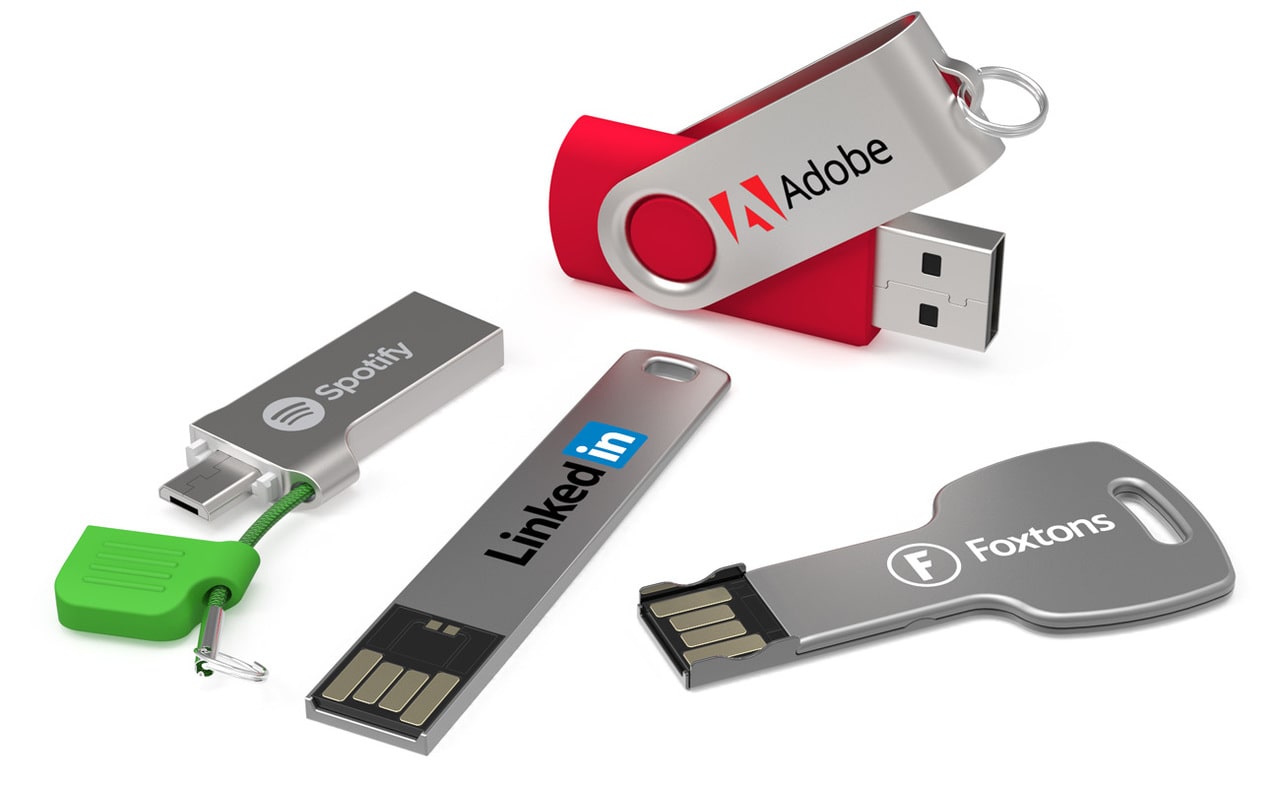
Only data recorded on optical discs preserves its original integrity. Many people have already realized this based on their mistakes—losing important photos, videos, and documents.
How to Preserve Important Information Forever
The cost is minimal, but it requires time, which users often neglect. You need to buy a writing drive for CD/DVD and discs for it, as well as spend a couple of hours recording. Of course, it’s easier to transfer data to an external digital storage device and spend free time on social networks. But this self-deception quickly fades after the first loss of important information. Typically, owners of laptops, smartphones, and tablets suffer the most because a broken device permanently takes away photos and videos stored for years.
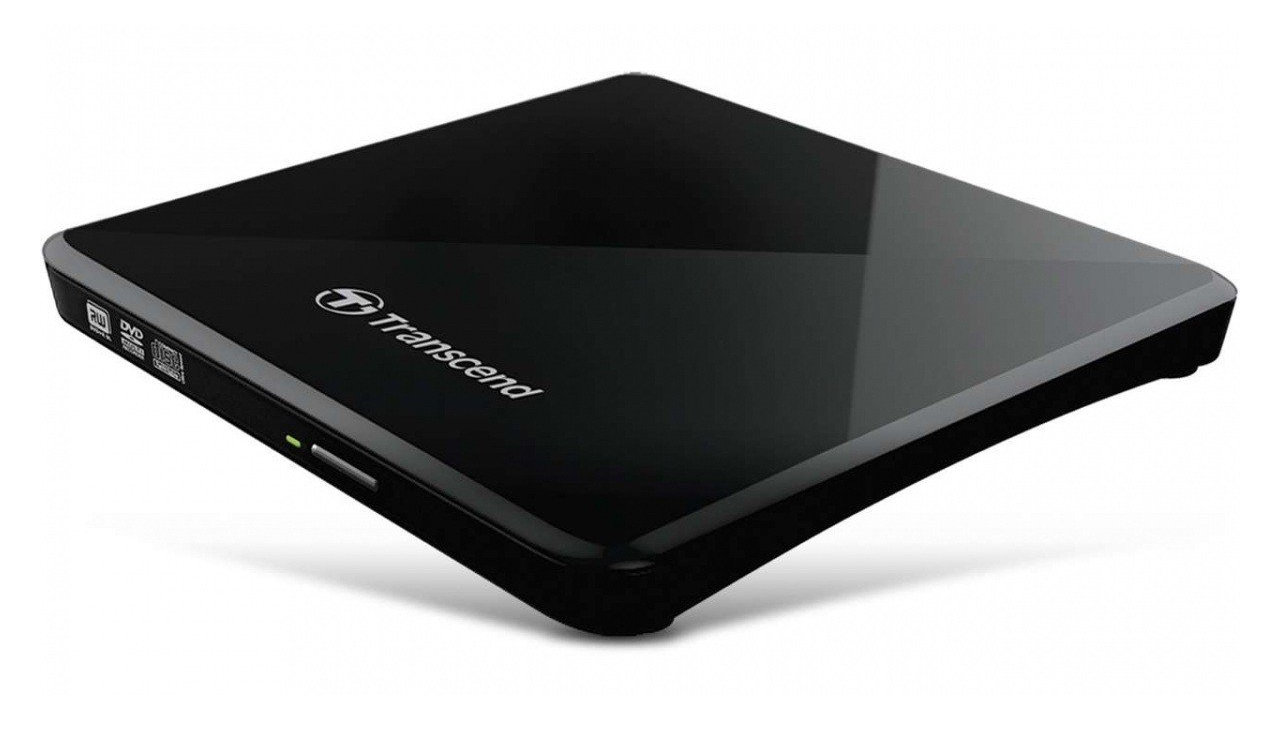
For those wishing to leave a legacy, it is recommended to acquire an external writing DVD drive and a dozen optical discs. Additionally, a recording program is needed. You can use the free creation by Russian developers called ImgBurn or take advantage of free services available on Windows, Linux, or Mac. Fortunately, built-in applications provided by OS manufacturers are not removed.
![[Exclusive] Noise Master Series: Review of flagship headphones](https://teranews.net/wp-content/uploads/2025/09/frame_19522-360x220.webp "[Exclusive] Noise Master Series: Review of flagship headphones")