

Black Friday is a single fixed day in the year for selling off non-liquid goods at attractive prices for the buyer. The event is scheduled between November 23 and 29 and occurs only once a year.
Black Friday was invented by American entrepreneurs to attract maximum attention to the sale. Knowing about the upcoming event in advance gives consumers time to prepare: save money, allocate time for shopping.
Initially, in the 20th century, non-liquid goods were sold at cost price or even at a lower price satisfying the seller. However, due to some tax difficulties, entrepreneurs try to keep minimal markups during sales to avoid losses.
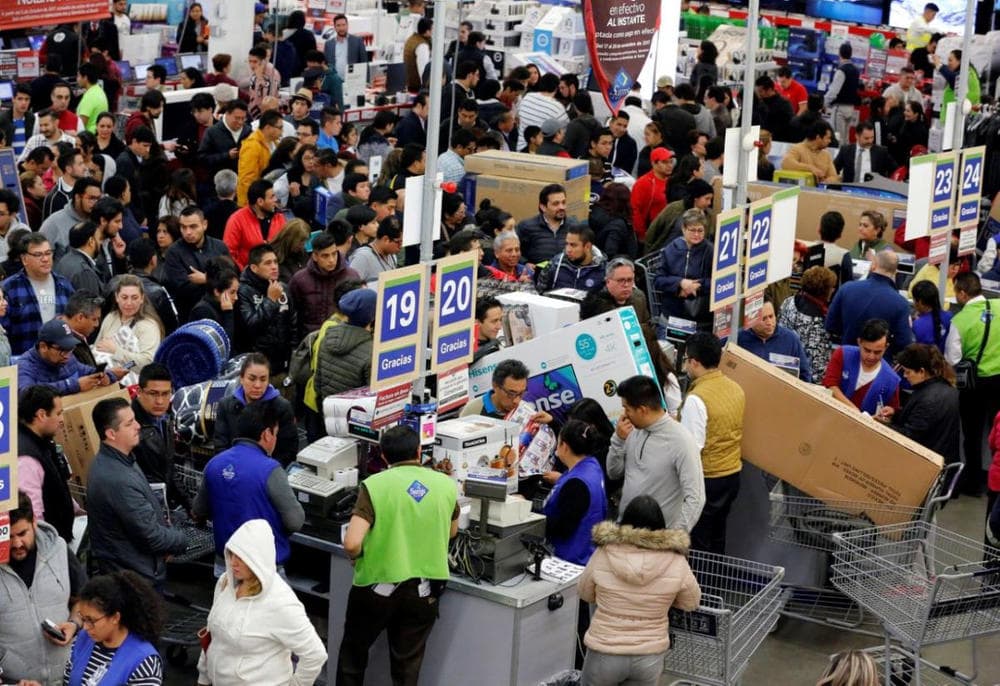
Black Friday: advantages and disadvantages
Storing non-liquid goods in the warehouse definitely hampers business development. It is easier for the owner to get rid of such stock by converting it into money and purchasing fresh products. Considering a markup of 20-30% for small businesses and 40-50% for chains, sales are expected in similar proportions. The exception includes the sale of expensive equipment, cars, jewelry, pools, and other items priced over $1,000.

Advantages for the buyer include saving money on the desired purchase.
For the seller, Black Friday offers more “bonuses.” Following the example of American businessmen, a sale can easily generate more revenue than on a regular day.

- Elimination of non-liquid stock. The goods are sold, money is received, and immediately put back into circulation.
- Sale of related products. Marketers analyze customer needs and suggest additional purchases. For smartphones — cases, memory cards, speakers. For TVs — media players. For a stroller — diapers. For a down jacket — hat and scarf. Customers, happy with the discount, easily agree to buy related items. Such products often stay within the discount range, so related items are perceived as store gifts.
- Attracting new customers. The seller’s attitude towards the customer plays a role here. The psychological aspect. Customers are “pampered from head to toe,” leaving only positive emotions. Naturally, after Black Friday, if they need to buy something, the consumer will definitely return to the store.

Disadvantages of such companies include unscrupulous sellers. Trying to “make money,” stores inflate the prices of their goods a week before the sale. Then they offer huge discounts — 50, 60, 70, and even 80%. This approach harms the business; unfortunately, sellers do not realize this and dig their own graves, ending up on customers’ blacklists forever.