
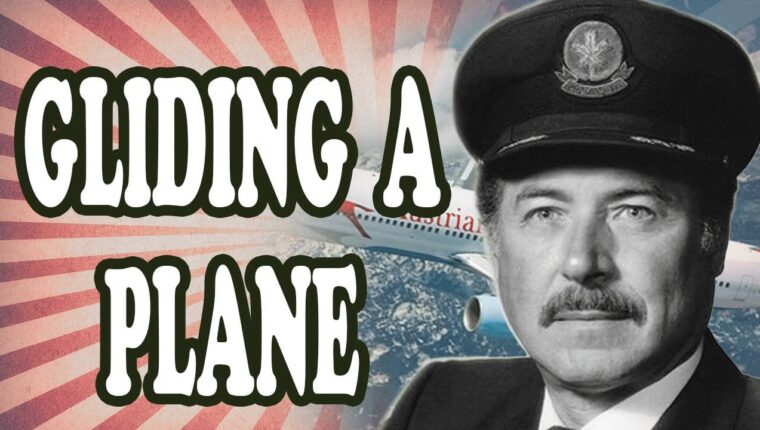
Expanding on the topic successful emergency landings of passenger aircraft, one cannot forget the meticulous work of the Boeing-767 pilots. On July 23, 1983, an event occurred that the media dubbed the Gimli Glider.
The passenger plane of Air Canada with registration number 604 was on a scheduled flight from Montreal to Ottawa to Edmonton. Before takeoff, technicians checked the equipment and refueled the plane. They only overlooked one small detail. In 1983, Canada decided to switch to the metric system. Changing calculations from gallons to liters. Due to incorrect calculations by ground engineers, instead of 20,000 liters, the tanks were filled with only 5,000 liters. This mistake could have been fatal for the 69 people onboard.
Gimli Glider: Emergency Landing
During the flight at an altitude of 8,500 meters, the engines shut down. The pilots quickly identified the cause using the still operational onboard equipment. Notably, most instruments in the Boeing-767 are powered from the operating engine. Therefore, some equipment immediately failed. The 132-ton aircraft turned into a huge metal wagon, simply moving by inertia.
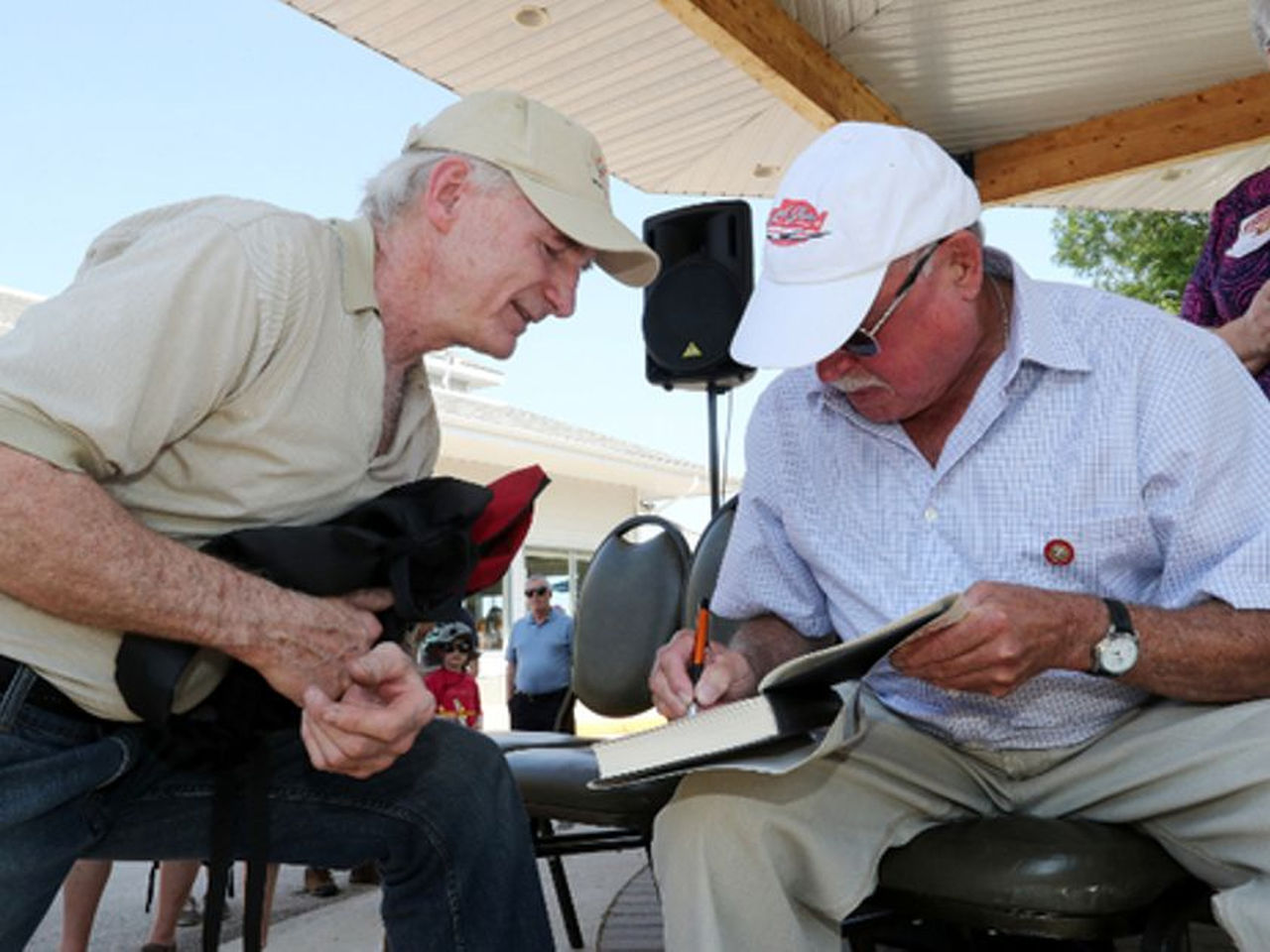
The aircraft commander, Robert Pearson, and the co-pilot – Maurice Quintal, decided on an emergency landing in Winnipeg. However, during negotiations with the ground, the commander realized that the plane would not reach the planned runway. Moreover, the Boeing manufacturer’s instructions did not include procedures for managing the aircraft with engines shut down.
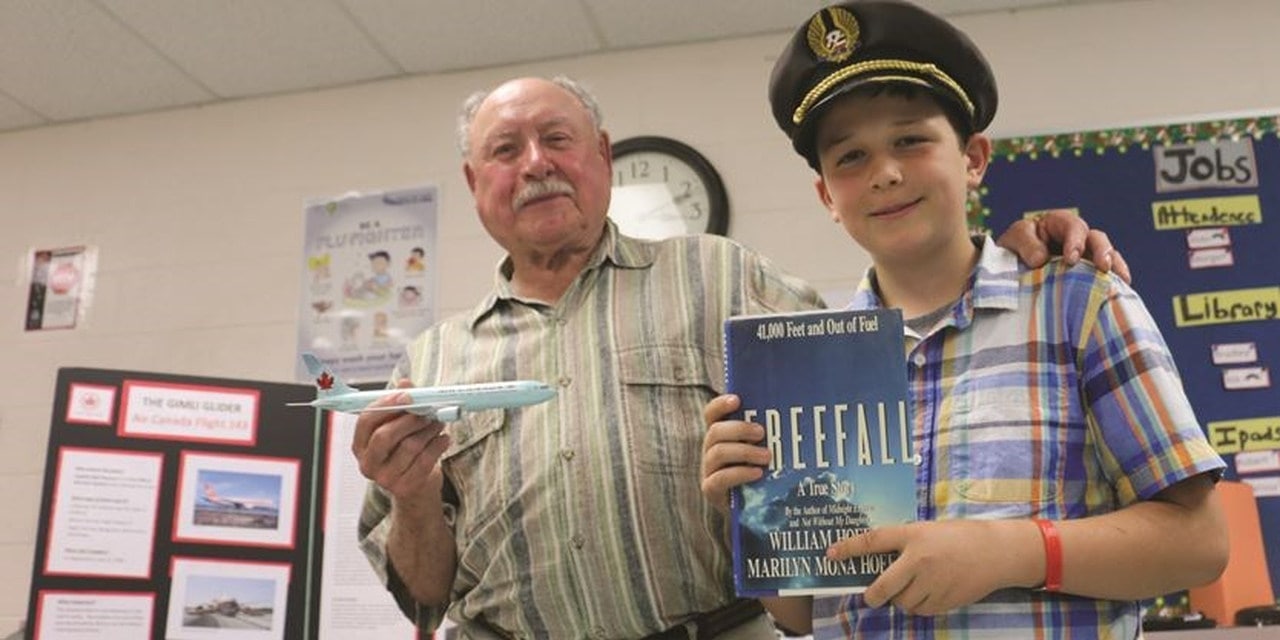
The solution came quite by chance when the co-pilot remembered an abandoned military base called Gimli, where he had served. The runway was in perfect condition, as it was used by a local car club for competitions. The race track was an ideal place for landing a passenger airliner.
The passengers were very lucky that the aircraft commander had experience in gliding in his youth. Not on such a steel bird, but his skills in calculating altitude and speed were excellent. The plane only had a speedometer, and altitude was estimated visually. After rough calculations, the pilots determined the descent rate. All that remained was to reduce speed and land carefully on the strip.
Masterclass from the Pilots
The passengers had no idea until the plane released its landing gear. The aircraft jolted, and panic began in the cabin. To quickly reduce speed, Bob Pearson decided to use a glider technique called “wing sliding.” This involves tilting the plane to one side to perform a quick turn. This trick allows passengers to see the ground through the windows.
After reducing speed, just before reaching the ground, the plane sharply leveled out and touched the runway with all its landing gear seconds later. Traveling at 320 kilometers per hour, the iron bird screeched to a halt with a skid due to the brakes.
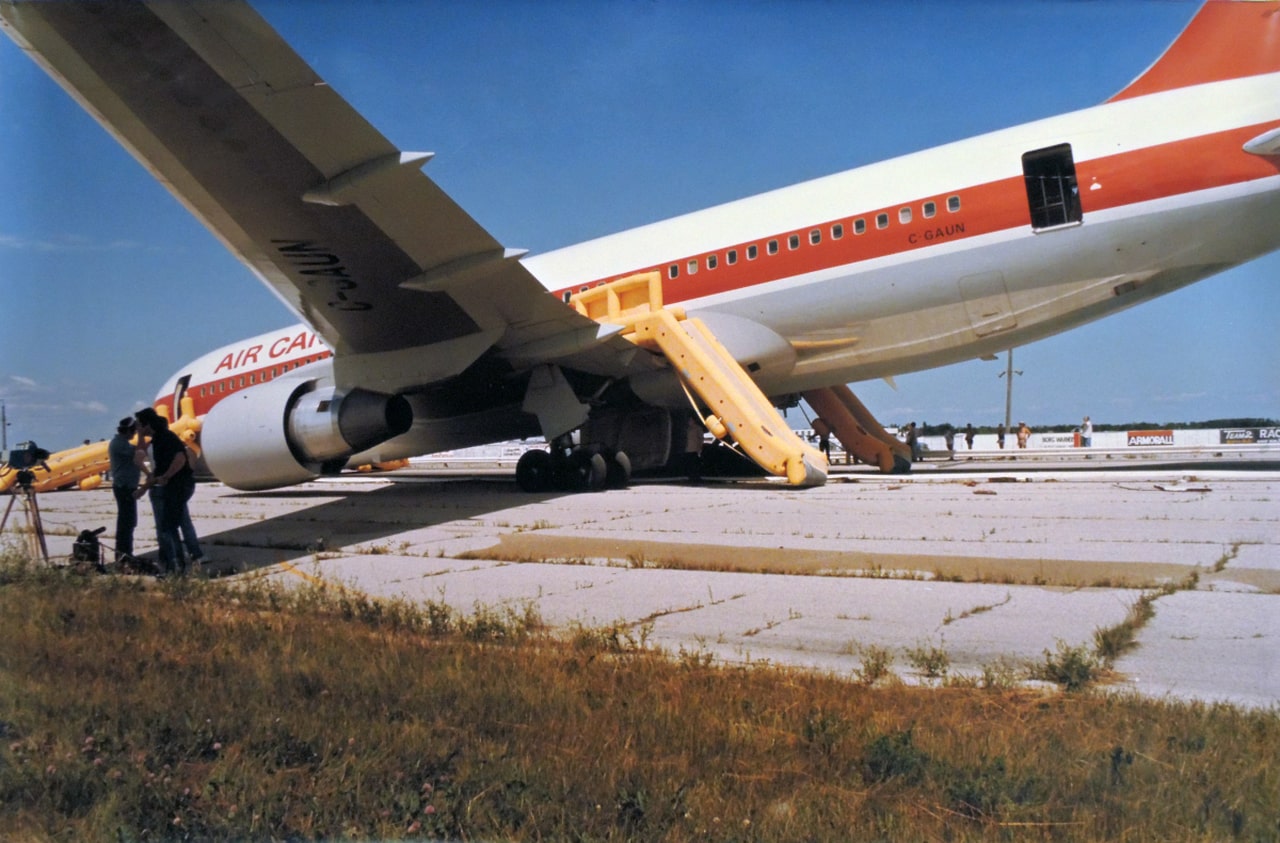
All 69 people onboard (8 crew members and 61 passengers) survived. Only 10 people sustained minor injuries, mostly due to hurried evacuation through the rear emergency exit. The tail of the plane was heavily raised, and the emergency ramp was not long enough for a full contact with the ground. The Boeing was repaired in 2 days and left Gimli base on its own. The full repair cost $1 million. Afterward, the plane continued operating flights for the airline until January 2008.
Miracle on the Horizon: Gimli Glider
The gathering on the former airbase was in full swing. People enjoyed life: beer, meat, family recreation. No one expected a 132-ton steel machine to fall from the sky. And it would have been one thing if the plane had approached on a normal course with a gentle descent. The Gimli Glider appeared unexpectedly in a strange position. Its wings were perpendicular to the ground, and the nose of the plane was almost pointing downward.
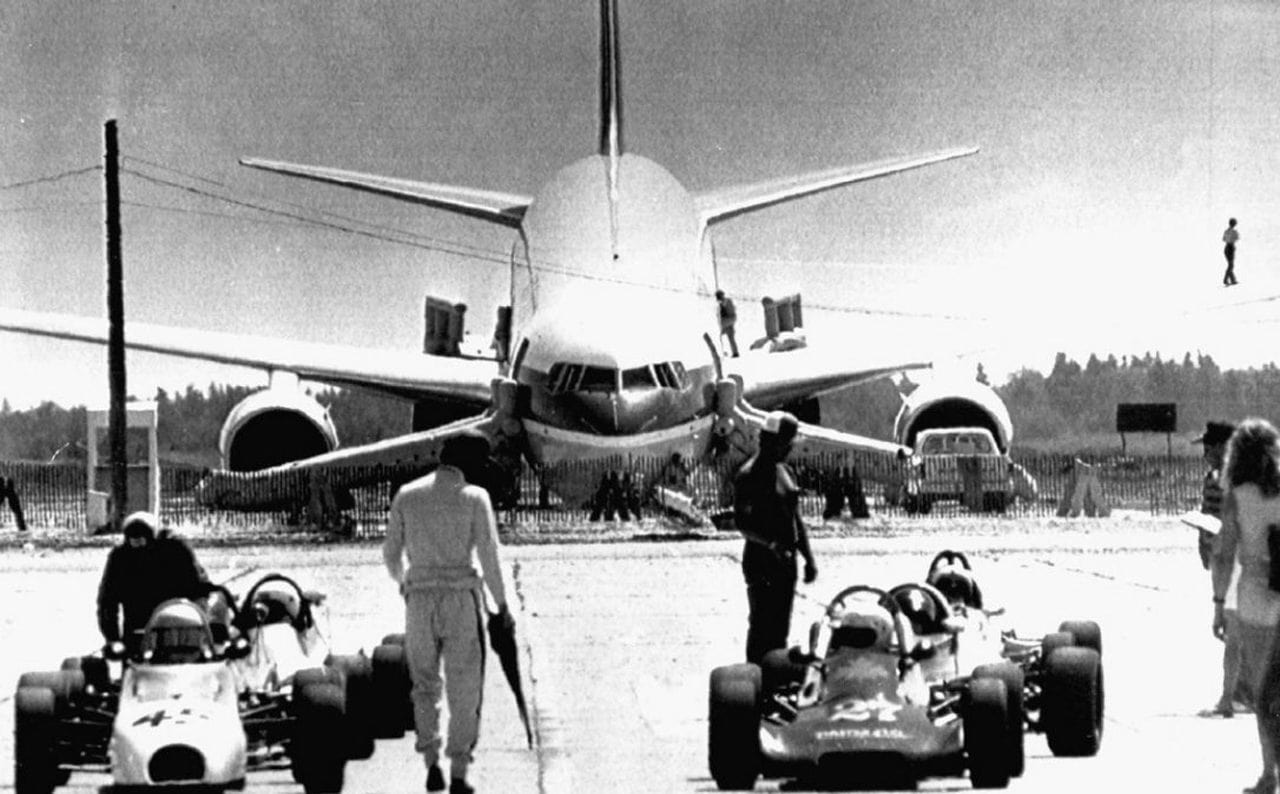
In an instant, the Boeing returned to the correct position and, at high speed, touched the edge of the runway. Due to braking, the plane’s tires burst, and smoke and sparks appeared. No one expected such effects, and the frightened crowd quickly cleared the runway. The plane, stopped 30 meters from people, caused a lively reaction among the spectators, who applauded the pilots standing.