Electrostatic discharge on the case of a computer, TV, or audio-visual equipment is known to all users, but no one thinks about the consequences. Especially when an HDMI cable sparks an electric shock. And this is a direct threat to the equipment.
One unlucky electrostatic discharge onto a powered circuit board can burn out the port. Or even the motherboard if the manufacturer did not take care of proper circuit layout.
HDMI Cable Sparks Electric Shock: How to Protect Yourself
Connecting cables only to equipment that is unplugged from the power supply is a classic advice on the internet. Do not believe the nonsense of “professionals.” Thunderstorms, power surges, power supply failures — there are many reasons for static buildup. Not to mention the urgent need to connect an HDMI cable “hot” to another device. Will anyone really shut down the PC or disconnect the equipment?
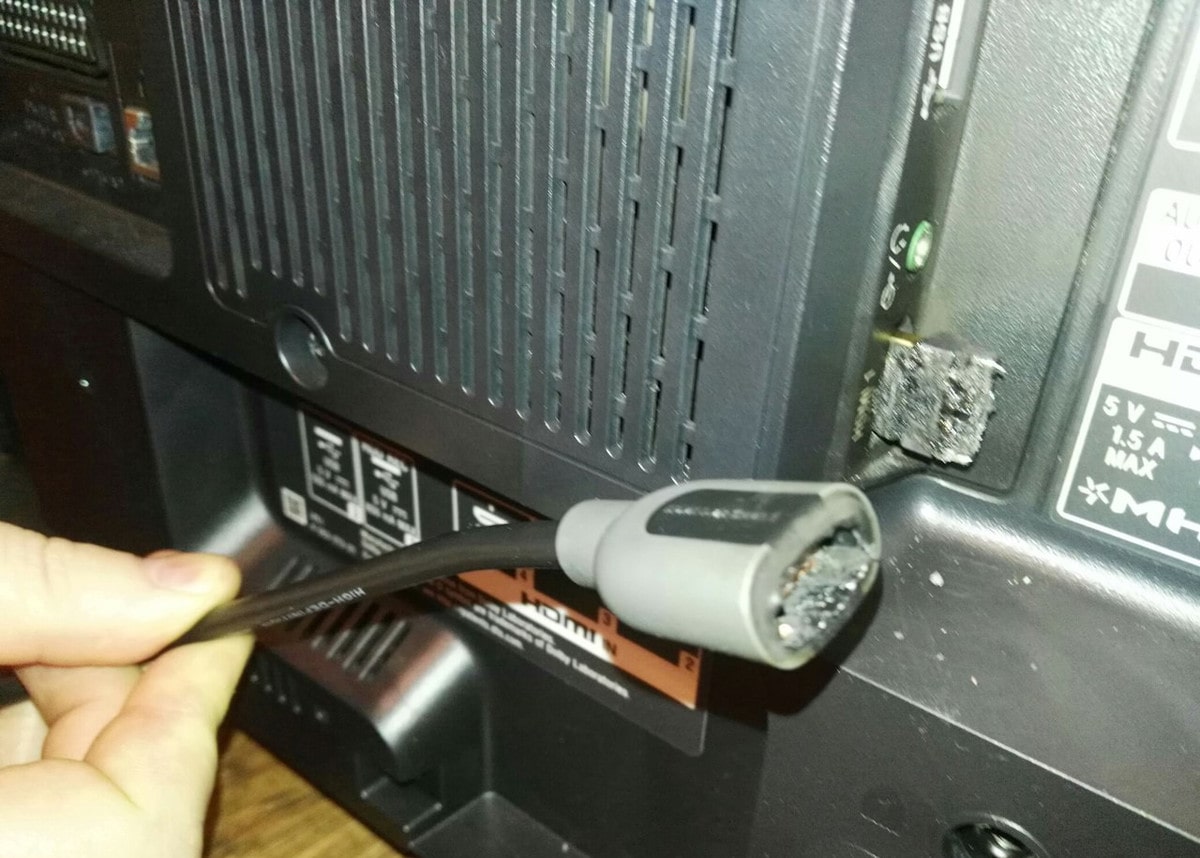
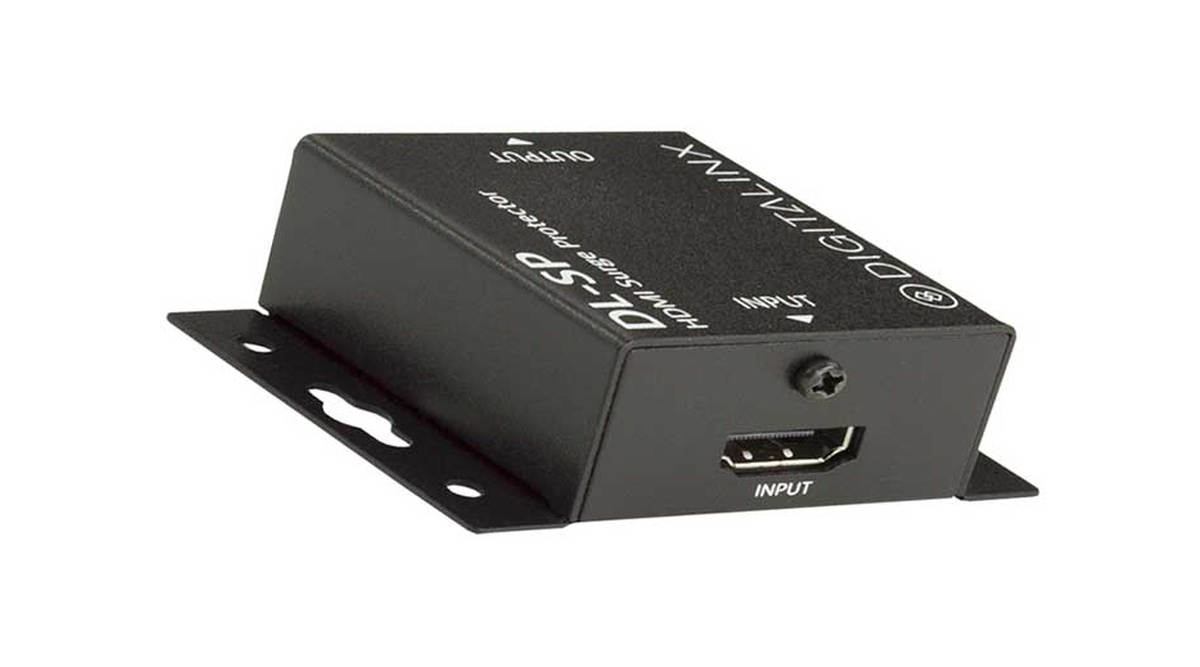
A simple solution is to buy a fuse for HDMI ports. An inexpensive and portable device that absorbs electrostatic discharge. Yes, the fuse is more likely to burn out, but the equipment will never be damaged.
The Dr.HD HDMI Protector fuse is designed to protect any equipment working with audio or video signals. Moreover, the device is intended for “hot” connection of HDMI cables — that is, to equipment powered from the mains.
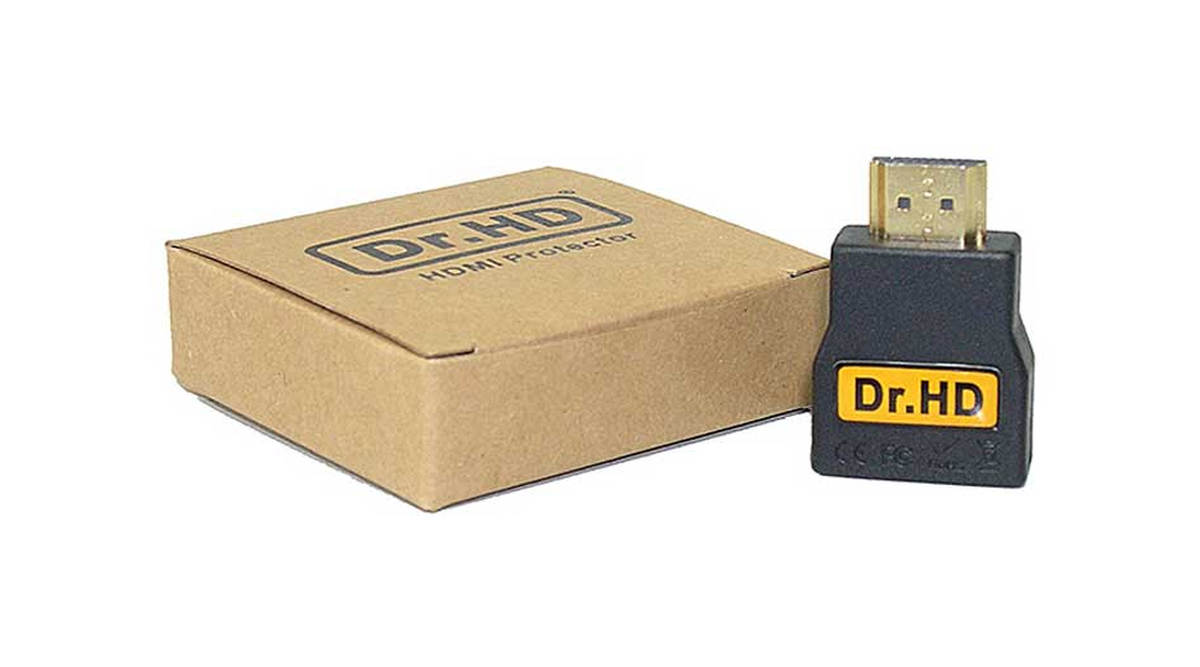
And it doesn’t matter who the manufacturer of the PC, media player, or TV is — full compatibility. The transmitted signal is duplicated between the input and output ports, and the filter only captures conducting current. If an HDMI cable sparks an electric shock — this is the first warning for the user, prompting immediate action. Better not to wait for “D-day” and buy a fuse right away.
Looking at HDMI cables of various versions, it is better to prefer trusted brands on the market. Even if the price exceeds the budget options. But the quality of the transmitted signal and safety are more important. Incorrect cable wiring and circuit board layout, non-compliance with standards, wire thickness, and low-quality terminals are also causes for concern. Screen interference is trivial. Voltage through a cheap cable can also damage the equipment.