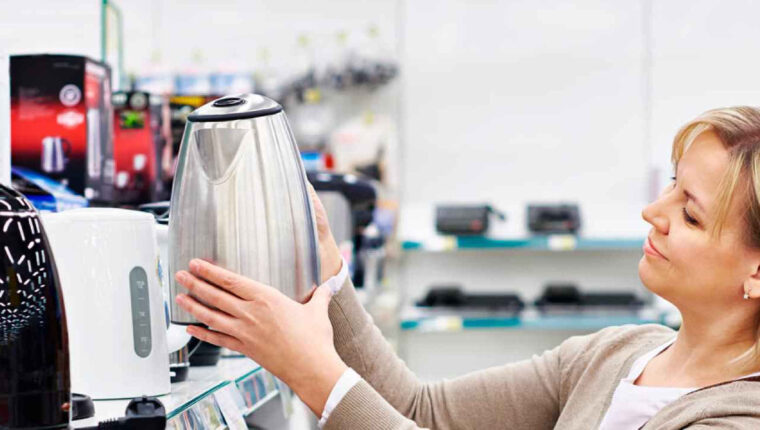
An electric kettle is the simplest kitchen appliance used daily by millions of people worldwide. According to statistics, a kettle can last longer than all other kitchen appliances. Even refrigerators are less durable than water heaters. Considering that many years have passed since the last purchase, the market has slightly changed. New technologies have contributed. Therefore, the question “How to choose an electric water kettle” is very relevant among buyers.
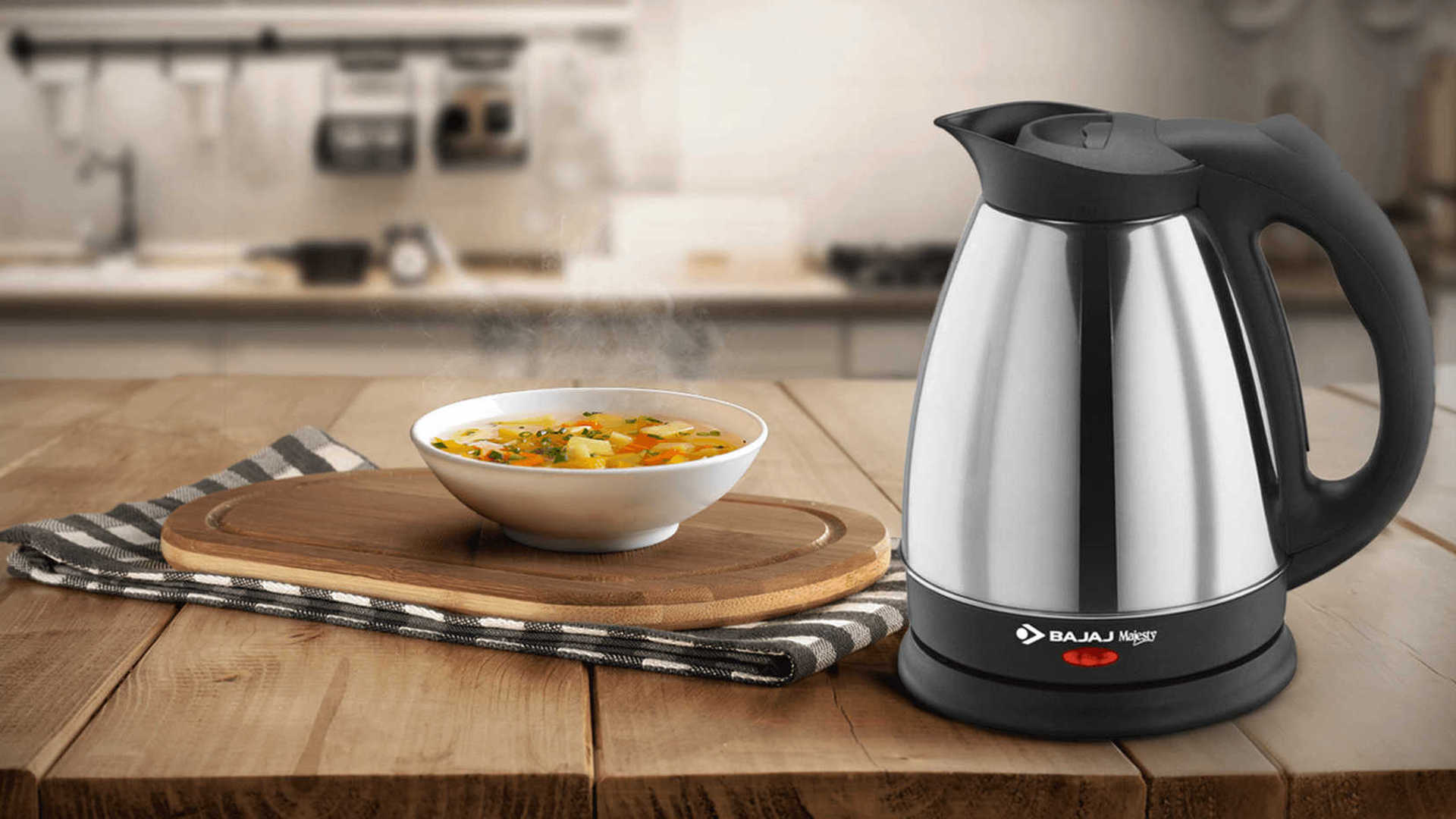
First, it is essential to understand that we are talking about a standard kitchen kettle that should quickly boil water within 2-5 minutes. Its volume should exceed that of a large mug – 0.5 liters. Thermoses and travel electric kettles are not considered.
How to choose an electric water kettle
The main and primary task is to match your preferences with your budget. You need to find a compromise among three basic criteria:
- Power of the heating element. The higher the power, the faster the heating. High efficiency is always good, but it will cost significantly more than lower-powered models. Therefore, it’s better to focus on intended use. For example, if you need to quickly boil water for porridge or tea before work, you should buy a device with a power of 2kW or higher. Also, consider your home’s electrical wiring capabilities.
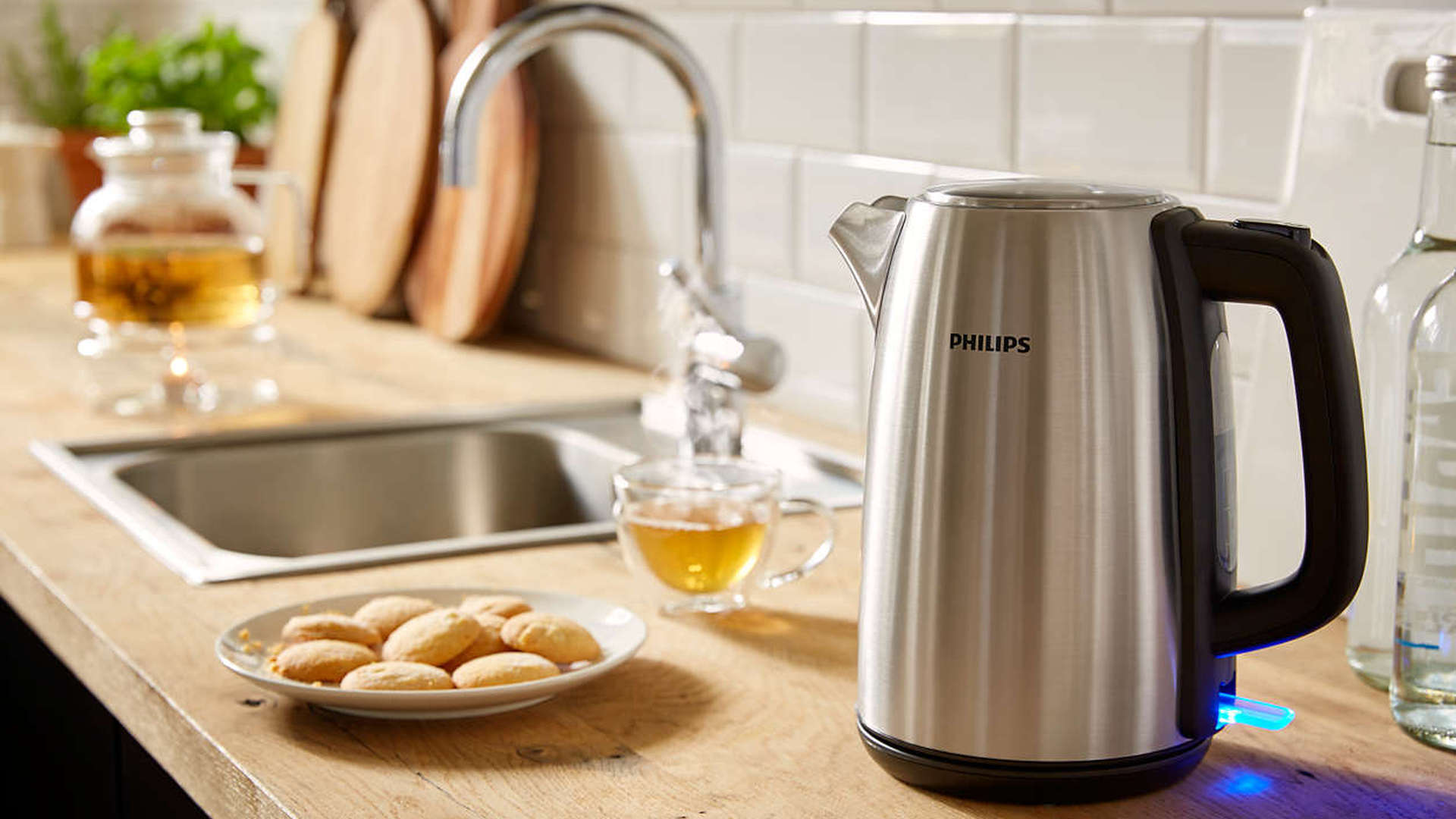
- Kettle volume. The choice is up to the buyer, but avoid purchasing equipment with less than 1 liter capacity. In practice, hot water is consumed faster, especially when guests arrive. It’s better to aim for 1.7-2.2 liters.
- Type of heating element. It can be spiral or disc-shaped. Spiral kettles often consume less electricity but take longer to heat. Plus, water must be poured above the minimum mark. Disc-shaped electric kettles are more practical. They heat quickly, can be placed at any angle on a flat “plate” of the heater, and last longer.

Which material is better for the body of the electric kettle
There are plenty of options – plastic, glass, metal, ceramic. The first option (plastic) is considered a budget solution that has outlived itself. There are even “witnesses” claiming that plastic poisons water when boiling. This is nonsense. Manufacturers of expensive ceramic or glass products promote this idea. Plastic is very practical. An electric kettle with a plastic body is resistant to physical impacts, such as hitting the sink or faucet when filling. Also, a plastic body does not cause burns if accidentally touched.
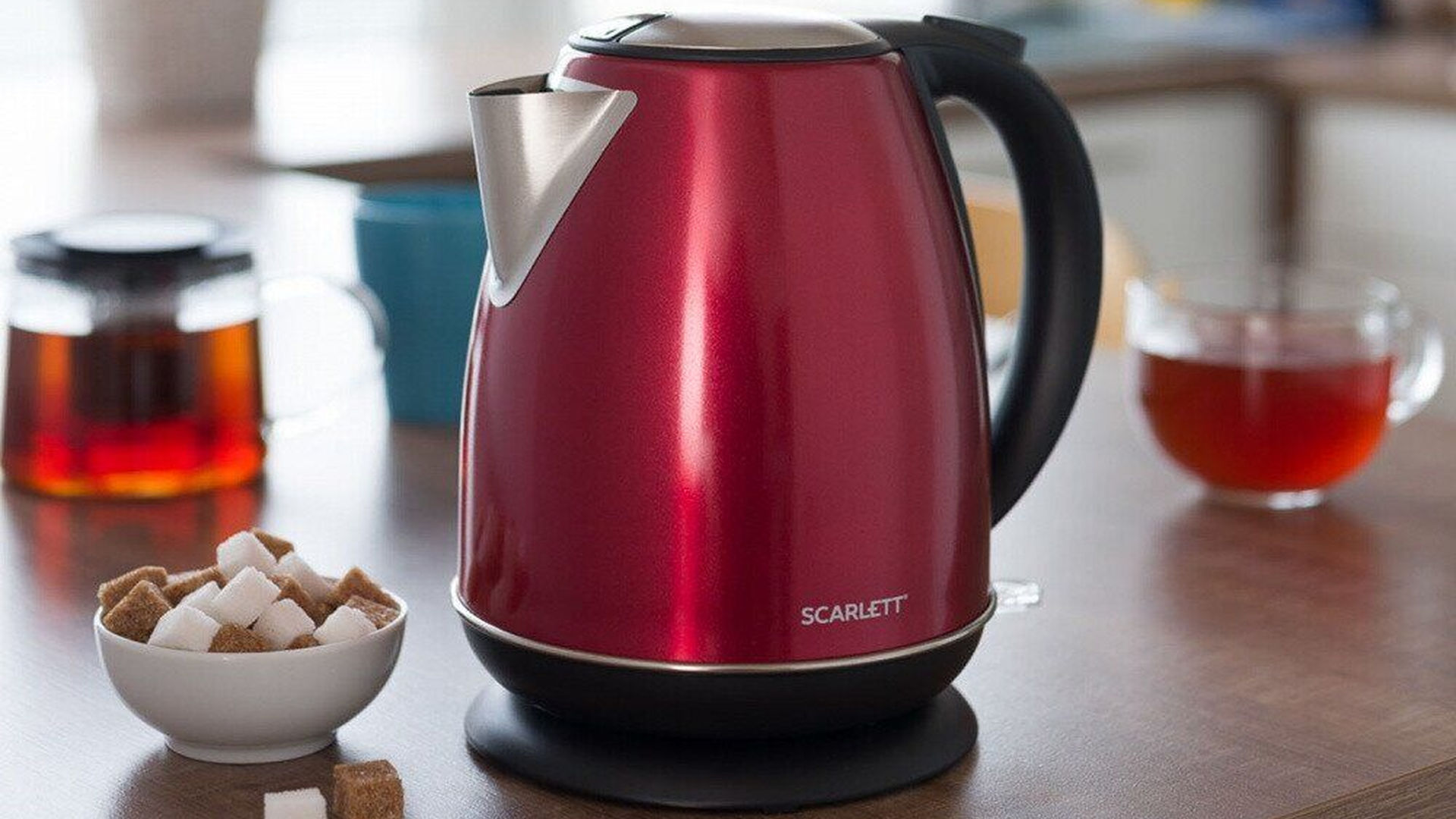
Metal electric kettles are practical and highly durable. They can cause burns upon contact. Budget models may also give an electric shock. If you decide to buy a metal kettle, it’s better to choose reputable brands like Bosch, Braun, Delonghi.
Glass and ceramic kettles look stunning. Even the most budget-friendly models can evoke envy. They are very attractive. However, in operation, you must be extremely careful with these kitchen appliances. According to statistics, glass and ceramic electric kettles are more prone to failure. The reason is simple – the integrity of the body is compromised.

Additional features or how to extract money from the buyer
The most useless accessory in an electric kettle is a tea infuser. It looks cool in the store, but in practice, it’s useless. Owners of such devices often regret their purchase. Sellers don’t tell buyers that the kettle must be constantly washed after brewing tea, or it will quickly lose its appearance.
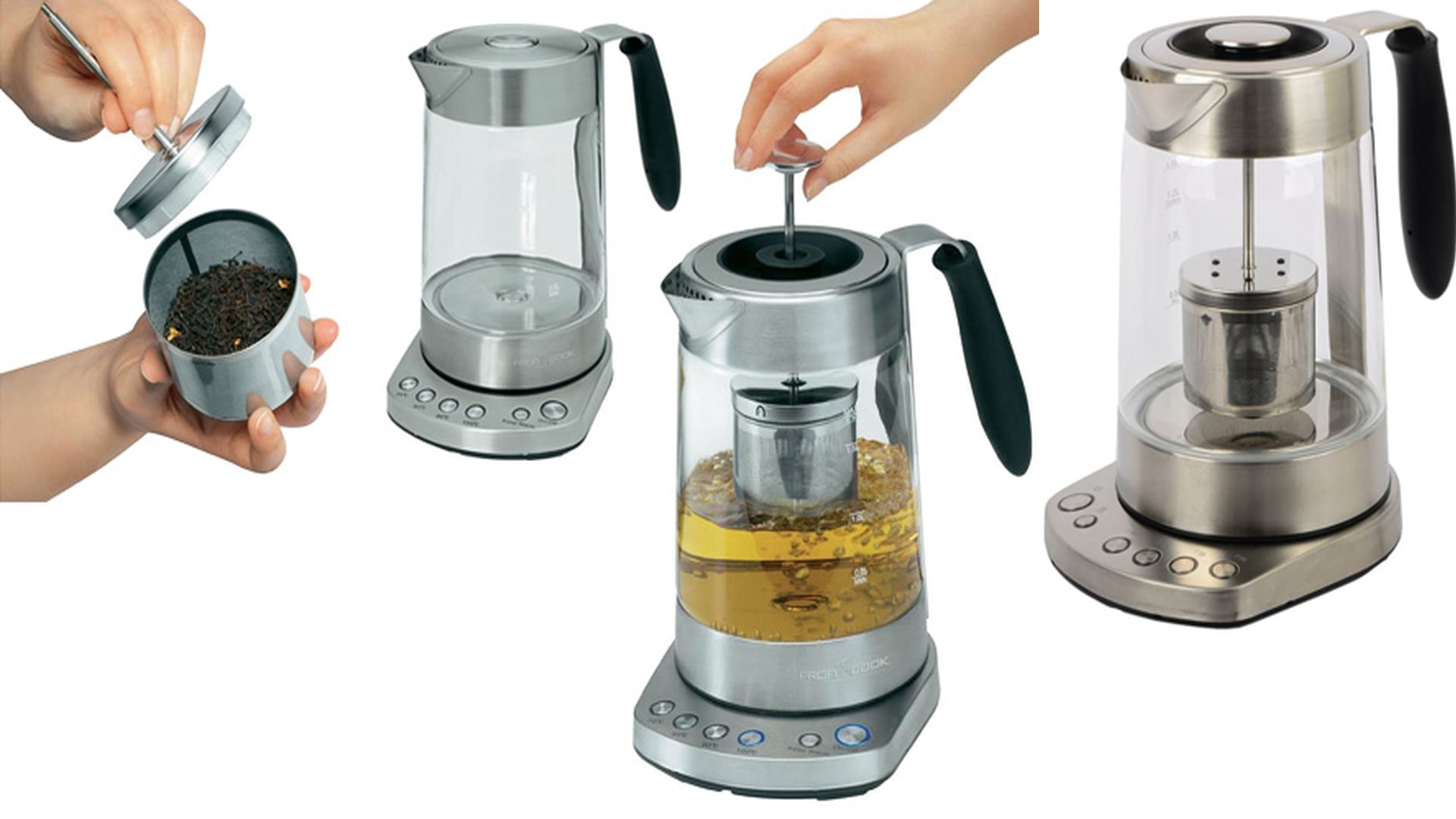
It’s better to pay attention to the presence of a water level indicator (with markings in liters) and a limescale filter. This is a small mesh located in the spout of the kettle. It’s used to keep limescale inside the container.
Many budget electric kettle manufacturers boast about their protection against overheating. All reputable brands have this feature by default. Just check the description for thermal and electrical protection.
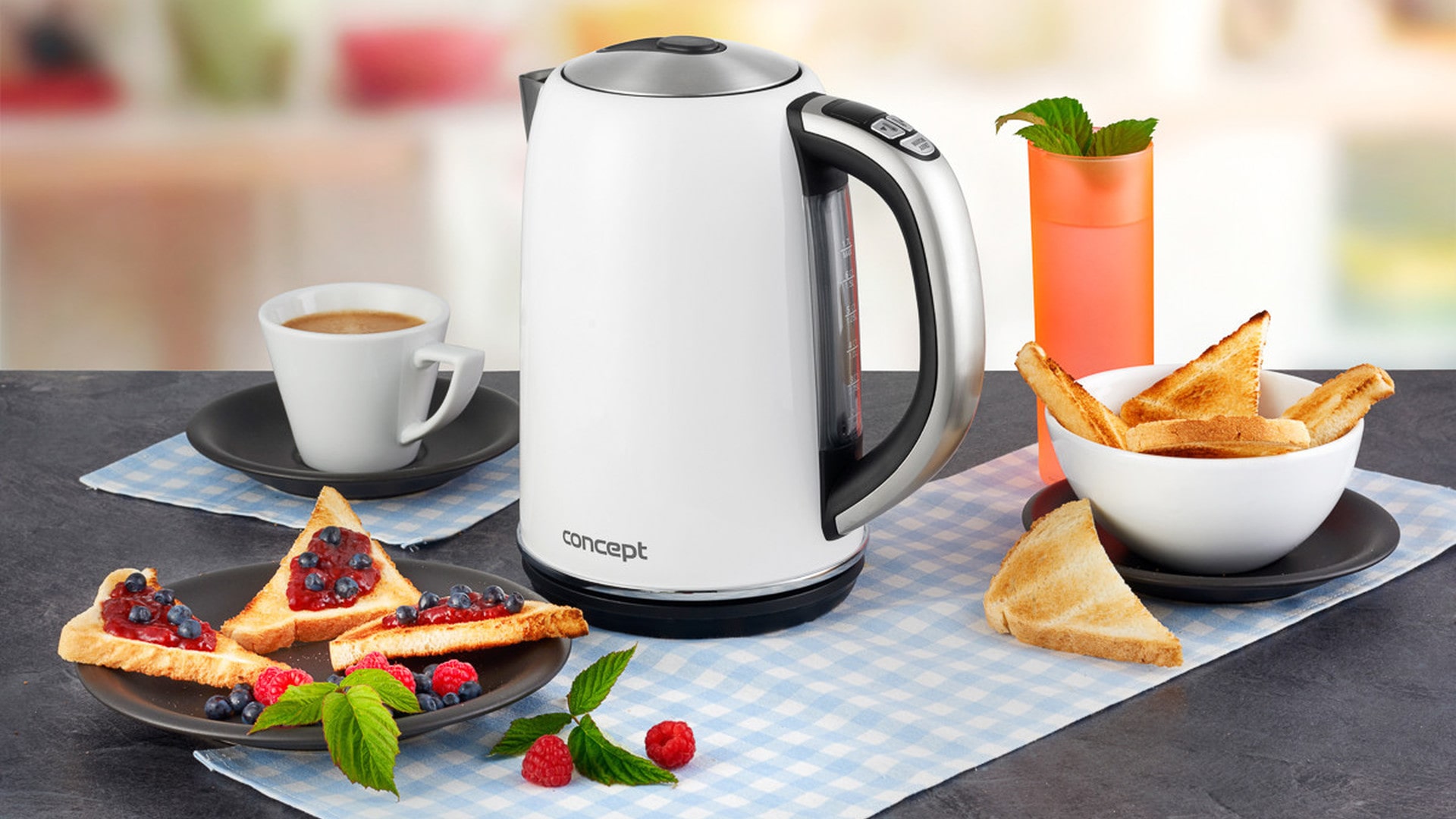
Another useless feature that costs a lot is a double-layer body of the electric kettle. Manufacturers try to protect users from burns during accidental contact. However, the price of an electric kettle with such a design is twice as high. The choice always remains with the buyer.