
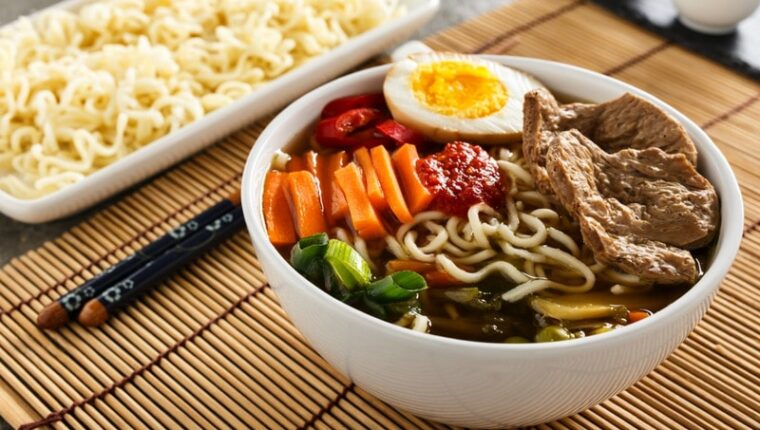
Japanese cuisine dishes are considered some of the healthiest, most balanced, and delicious among other world culinary masterpieces known to modern humans. They are also distinguished by authentic ingredients and vibrant presentation when served at the table. Ramen soup is a world-famous dish, thanks to a successful combination of traditional components and new revolutionary products. The first include fresh vegetables, seafood, and noodles. The second — eggs and meat.
It is about this delicious dish, combining the traditions of samurai and modern Japan, that this article will discuss.
Ramen Soup: A Brief History of Cuisine…
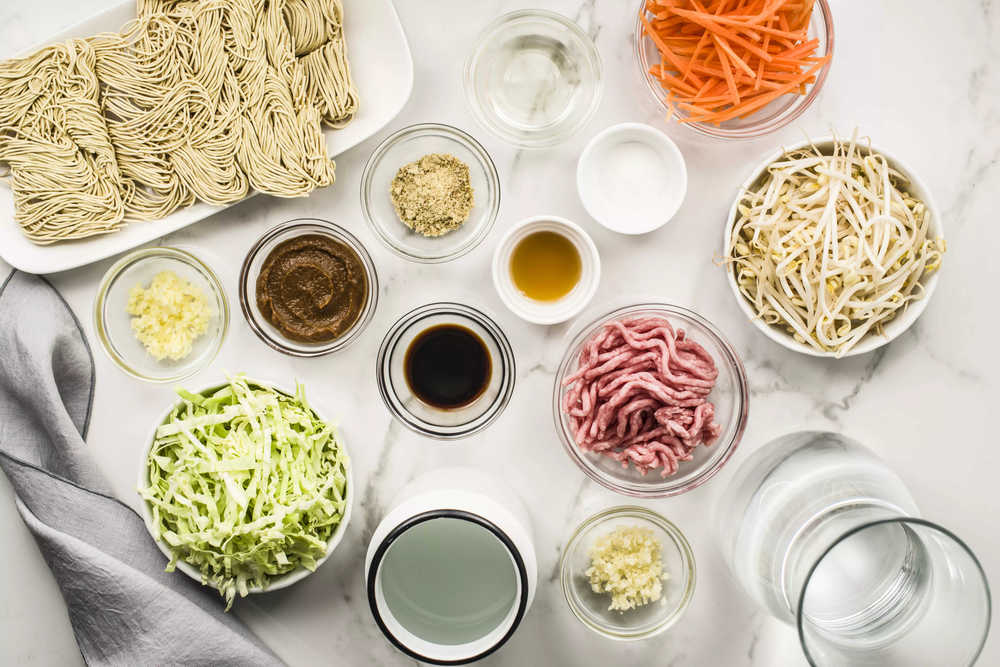
Due to the country’s geographical location on islands, fish and seafood are central components of Japanese cuisine. Also, rice, seaweed, soy, and beans are used.
The main feature is the high skill of chefs. It is widely known that Japanese culinary experts with special permits have long been authorized to prepare fugu fish.
The healthiness of dishes from this cuisine also lies in the freshness of the ingredients. Some are subjected to short-term thermal processing, while others are consumed raw.
Information about Ramen Soup…
Over the past 10-15 years, the popularity of Japanese dishes such as rolls and sushi has increased. But few know that besides these dishes, there are others, including Japanese ramen soup.
It is known that in the country itself, this first dish is part of non-elite Japanese cuisine. That is, the soup is served exclusively in establishments for budget-conscious consumers.
Nevertheless, due to its caloric content, it energizes the body for the whole day. Vegetables enrich it with useful vitamins.
The literal translation of the name “Ramen” consists of the characters “Ra” and “Men,” which freely translate as “pulling noodles.”
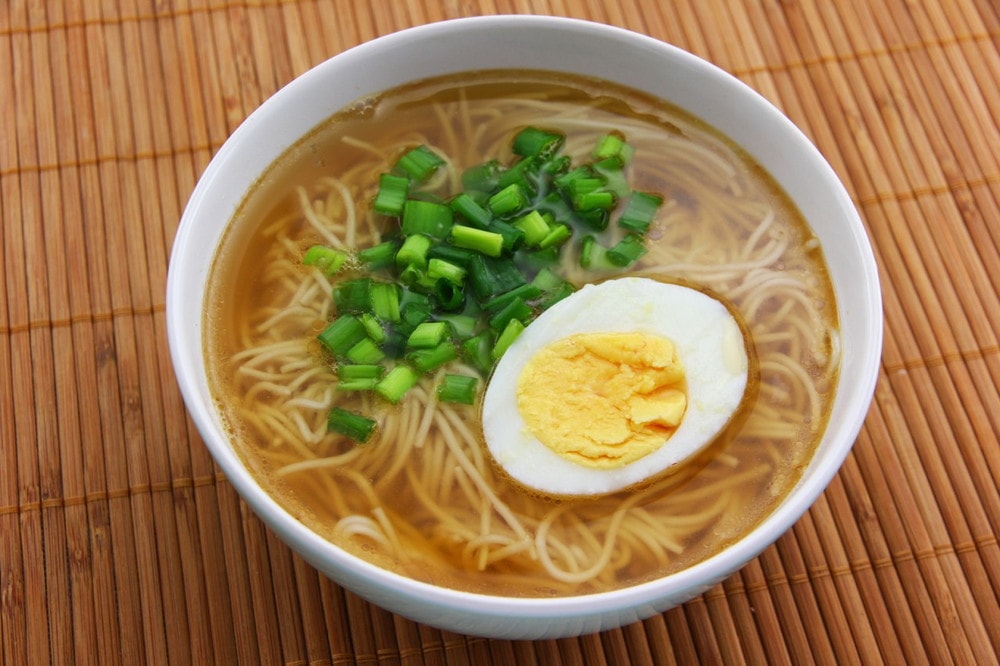
The fundamental component of the dish is instant noodles, which, combined with other ingredients (meat, vegetables, pickles, boiled eggs, cabbage, and others), gives the dish a unique Japanese flavor.
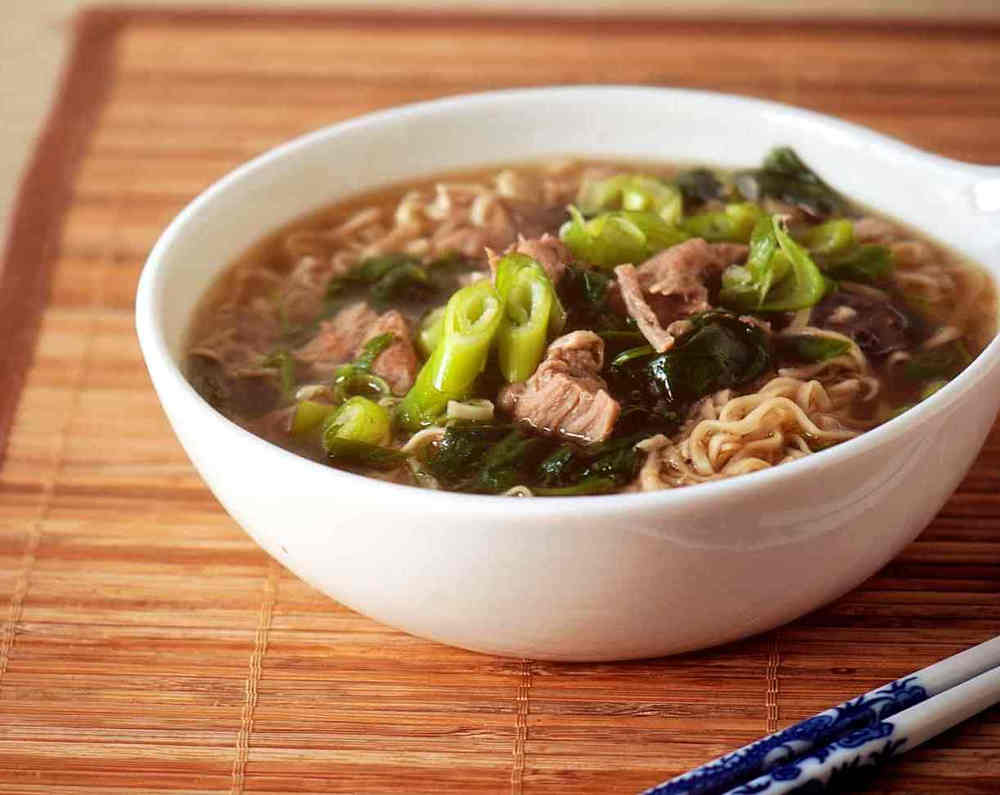
It should also be noted that if a chef masters the technique of preparing ramen soup and has the necessary ingredients, then with a good understanding of traditional Japanese cuisine, they can cook the dish at home.
Although it is considered that making authentic ramen soup is quite challenging. This is because it is prepared relatively long due to the products that need to be thermally processed separately in a specific, clear sequence. This concerns the meat component.
How to prepare traditional ramen…
One option for preparing the dish is Japanese pork ramen soup. It should be considered that this recipe is traditional.
For five servings, you will need:
- 1 kilogram of pork tenderloin;
- 0.7 kilograms of egg noodles;
- a pinch of salt and sugar;
- a glass of soy sauce;
- 30 grams of lard and ginger each;
- Cinnamon;
- Herbs.
Cook the meat separately, then the noodles. Next, place spices and the meat ingredient at the bottom of the container, add broth and soy sauce (to fully cover the ingredients). Simmer on low heat for about 4 hours.
Serve with noodles and herbs.
Other varieties of the dish
If you replace pork with beef or chicken, you can make “Ramen” in Korean style.
Consider the chicken soup recipe, also known as “Tori.”
Ingredients include:
- chicken wings;
- noodles;
- soy sauce;
- ginger;
- herbs.
The preparation method is almost the same as described above. The cooking time is slightly shorter because chicken meat cooks much faster.
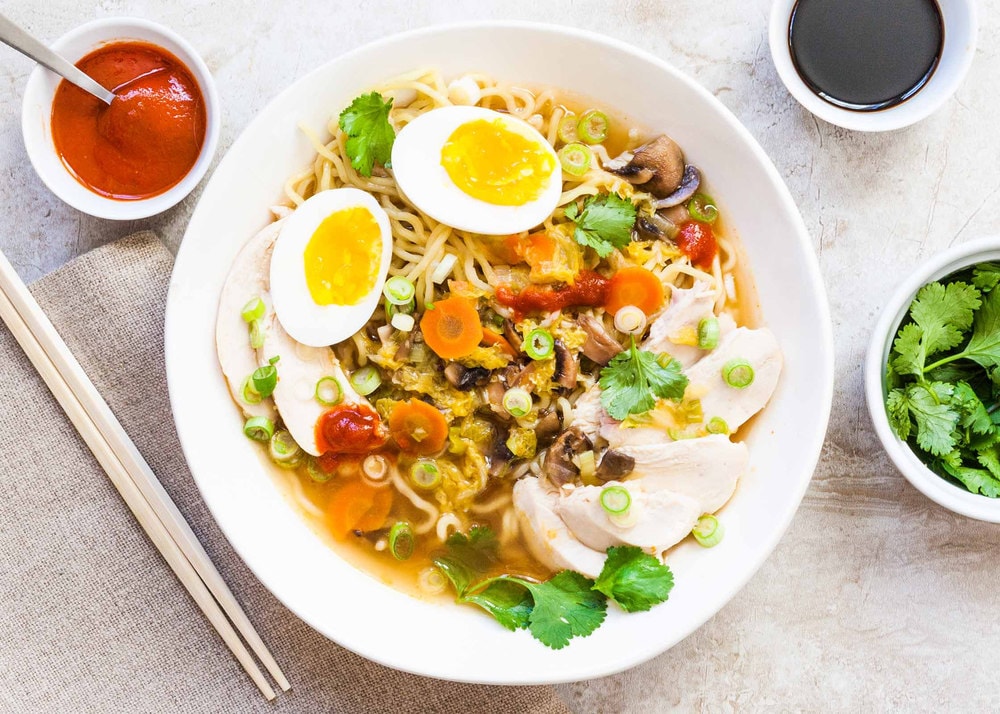
Additionally, the following ingredients can be used for this variation of the dish:
- dried fennel;
- mushrooms;
- garlic;
- cloves;
- eggs;
- vinegar and others.
Thanks to the variety of components, the finished soup looks incredibly bright and appetizing.
Japanese seafood ramen soup
What Japanese dish is complete without the use of seafood? Of course, there is a recipe for this seafood ramen soup.
Main ingredients include:
- ginger;
- garlic;
- carrots;
- Pekin cabbage;
- bell pepper;
- soy sauce;
- sugar;
- vegetable broth;
- noodles;
- egg;
- seafood.
Preparation: boil the egg and noodles in separate containers. Sauté seafood in a pan. Combine everything with vegetables and broth, add soy sauce and sugar to taste.
Conclusion
In the modern world of integration and globalization, all borders, including culinary ones, have long been erased. Those who travel frequently to different countries notice this very clearly. Since gastronomic establishments of various cuisines are present in almost every developed country. It is sometimes difficult to determine where traditional Japanese dishes (like ramen) are prepared better than Chinese or Italian ones.
There are several reasons for this: geography, chef skills, local demand, and foreign tourists. Hundreds of recipes, preparation variations, and ingredient lists — every gourmet will find the best dish for themselves — there are no restrictions.