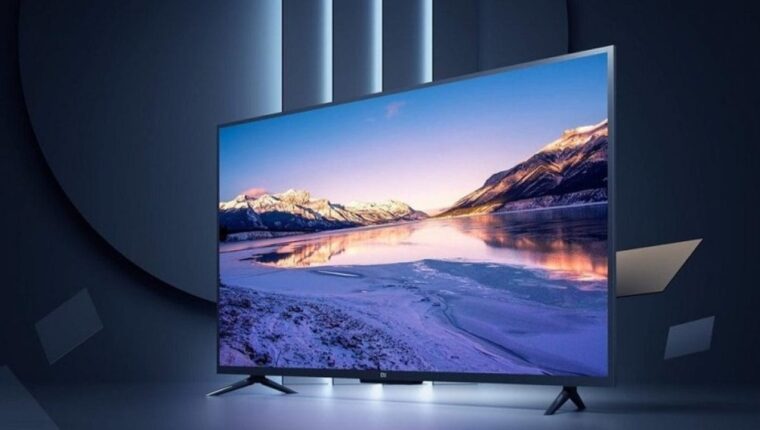
Company Xiaomi, which continues to release new gadgets to the market daily, has taken on the niche of UHD televisions. Many products are already familiar to consumers. These include budget solutions with TFT matrices and TVs with Samsung LCD panels based on QLED technology. The manufacturer found this insufficient and announced the release of Xiaomi OLED TVs.

By the way, there is a common belief that QLED and OLED are the same. It is unknown who introduced this idea into users’ minds. But the difference in technologies is significant:
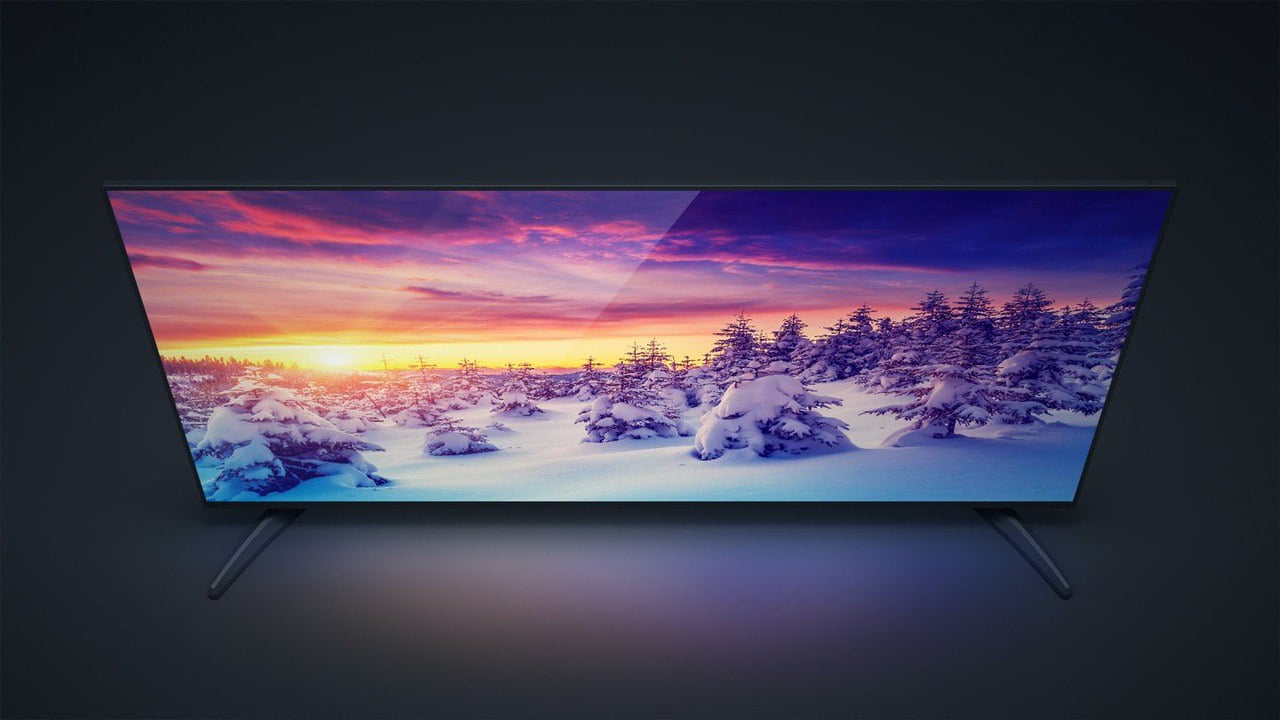
- QLED is a display built on quantum dots, using a special backlight substrate. This substrate controls the pixel array, causing it to emit a specific color.
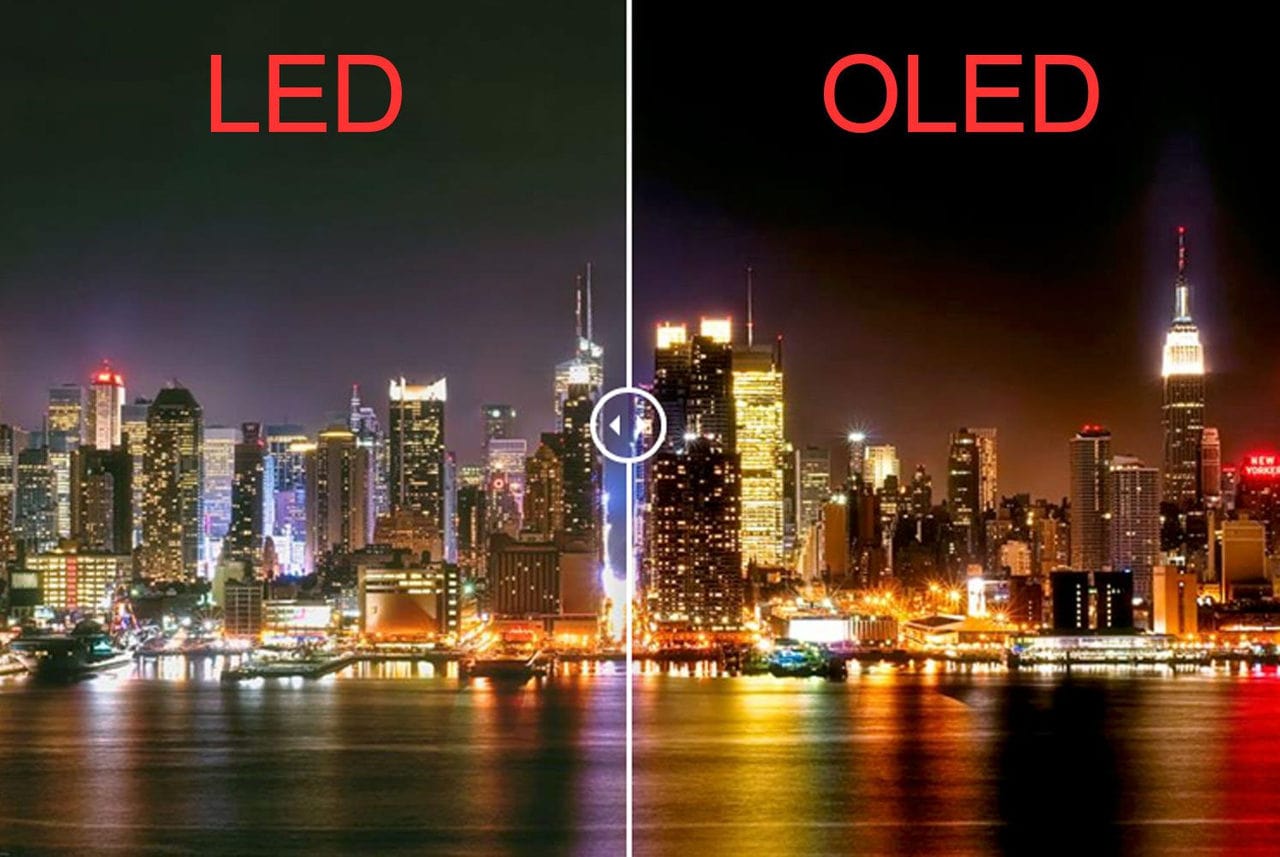
- OLED is a technology based on LED pixels. Each pixel (small square) receives a signal. It can change color and turn off completely. For the user, this means perfect black on the screen, not a shadow play with an array of pixels.
Xiaomi: OLED TV – a step into the future
The OLED matrix technology itself belongs to LG. It has been on the market for quite some time (about 2 years). The feature of the display is that it is not designed for long-term use. On average, 5-7 years. After that, organic pixels burn out, and the picture on the screen loses color accuracy.
Of course, questions arise regarding whether Xiaomi will use the same manufacturing process for the matrices as LG or if the Chinese will develop their own solutions. Additionally, the price also sparks interest. If the “Chinese” costs as much as the “Korean,” is there any point in buying? LG always produces a finished product that does not require firmware updates or modifications. Xiaomi, on the other hand, often releases raw products to the market and then floods users with firmware updates monthly, not always successful.

Regarding the OLED TV, it is announced that the first model will feature a 65-inch display. If all goes well, the lineup will include 80 and 100-inch TVs. It is encouraging that all TV models will support HDR10 and have their own operating system for easier control, including a media player.
![[Exclusive] Noise Master Series: Review of flagship headphones](https://teranews.net/wp-content/uploads/2025/09/frame_19522-360x220.webp "[Exclusive] Noise Master Series: Review of flagship headphones")