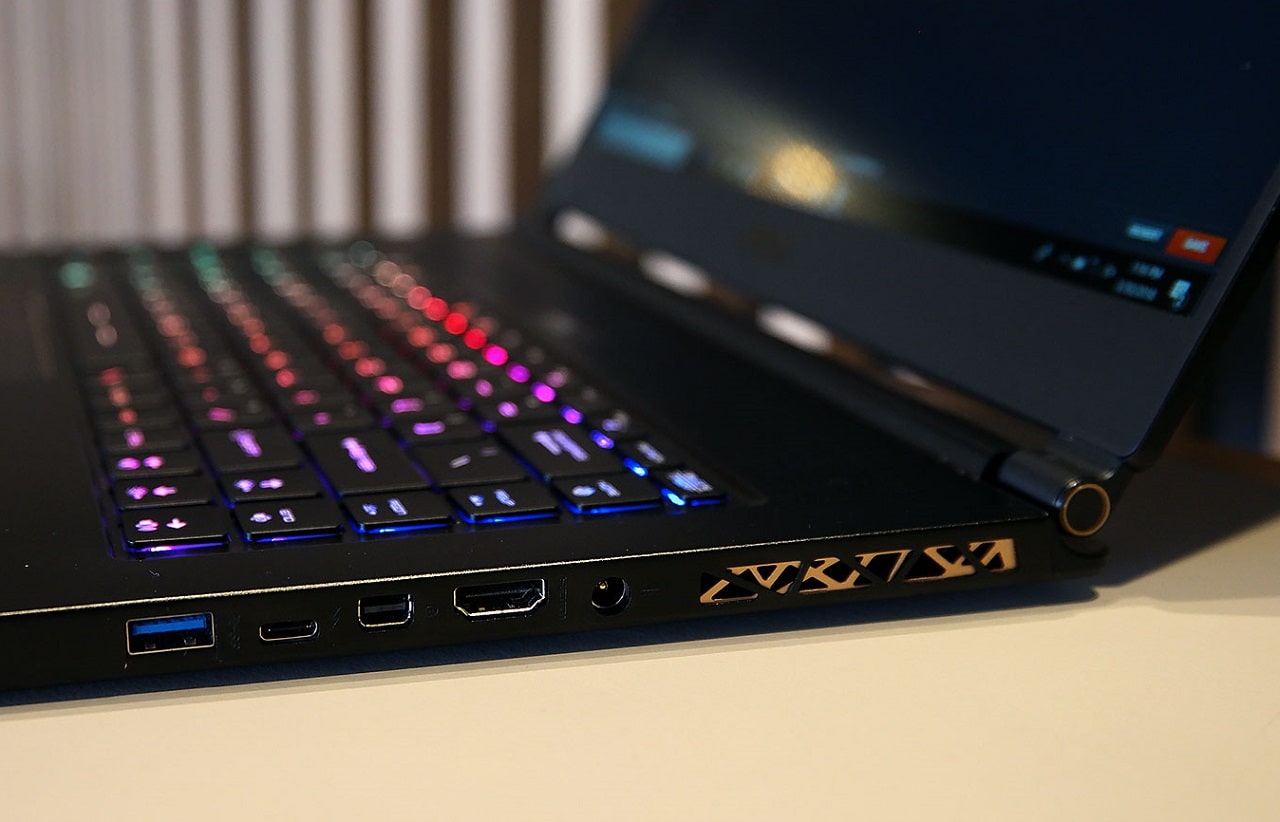
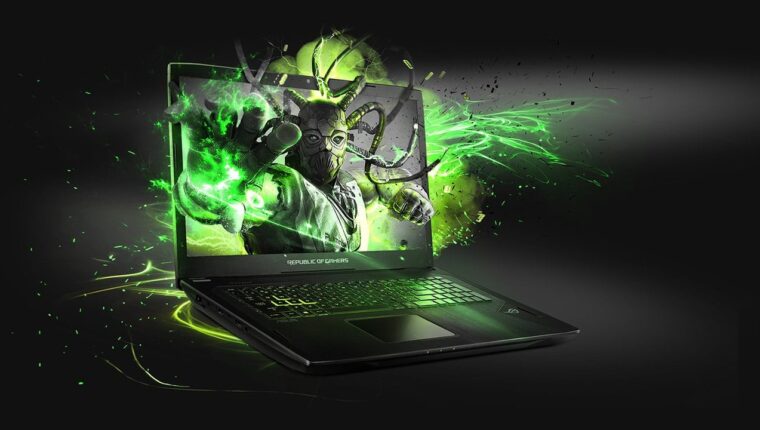
The concept of a “Gaming Laptop” implies a portable device designed to run high-performance games. Moreover, the equipment should create maximum comfort for the user. Therefore, when visiting a store for a gaming laptop, do not be surprised at the price. A worthy product that meets all the requirements of a gaming enthusiast simply cannot be cheap.
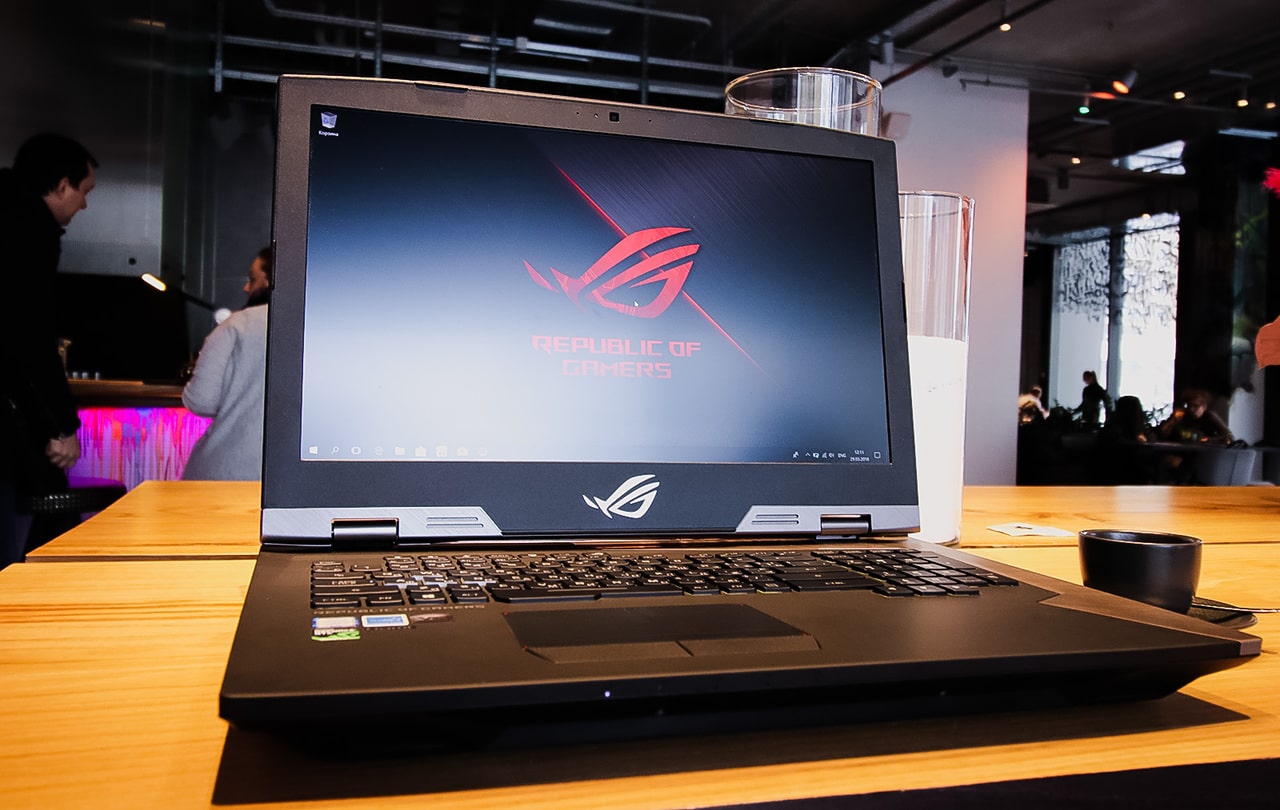
Gaming Laptop: Price Categories
Surprisingly, even in this highly specialized niche, there is a division into premium, mid-range, and budget segments. Only two components influence the price of a laptop – the processor and the graphics card. The efficiency of the device in terms of performance-to-cost ratio directly depends on the correct configuration of these chips.
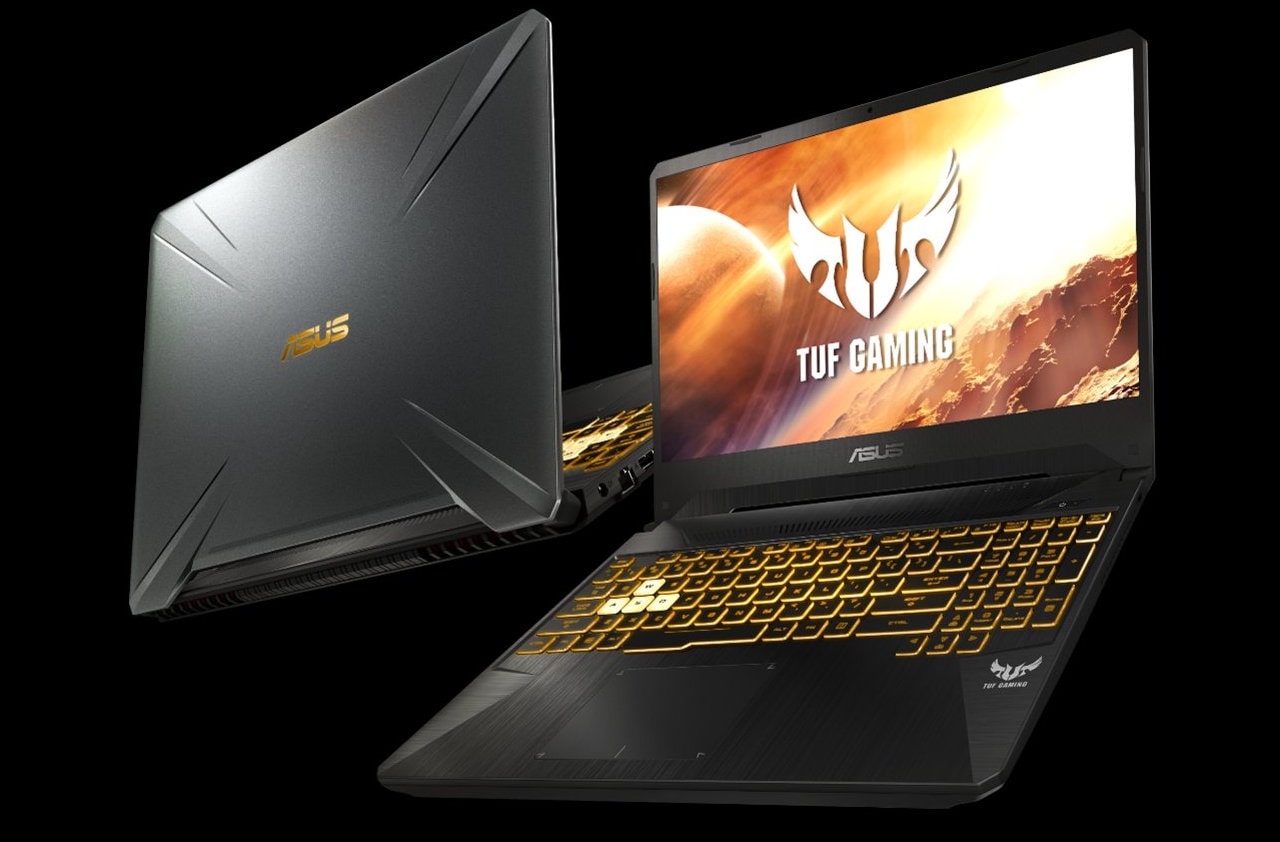
- Premium segment. Laptops are equipped only with TOP hardware. This includes both the graphics card and the processor. No cut-down versions or simplified modifications. To clarify – processors like Core i9 and Core i7 (8th, 9th, and 10th generations). Graphics cards – nVidia GTX 1080, RTX 2080, and 2070.
- Mid-range segment. Usually, the graphics card is downgraded, less often the processor. The focus in such laptops is on the proper selection of hardware to improve overall system performance. For processors – Intel Core i5, i7. Graphics cards – nVidia GTX 1070, RTX 2060, and 2070.
- Budget segment. This is a regular laptop for work, equipped with a discrete graphics card. It’s hard to call it a gaming device, as it runs high-performance games on minimal settings. However, compared to office and multimedia laptops, the budget model performs better. Again, everything depends on the correct configuration of the system. Processor – Intel Core i5 or i3 (not recommended). Graphics card – nVidia GTX 1050ti, 1060, 1660ti.
What Affects Performance in a Gaming Laptop
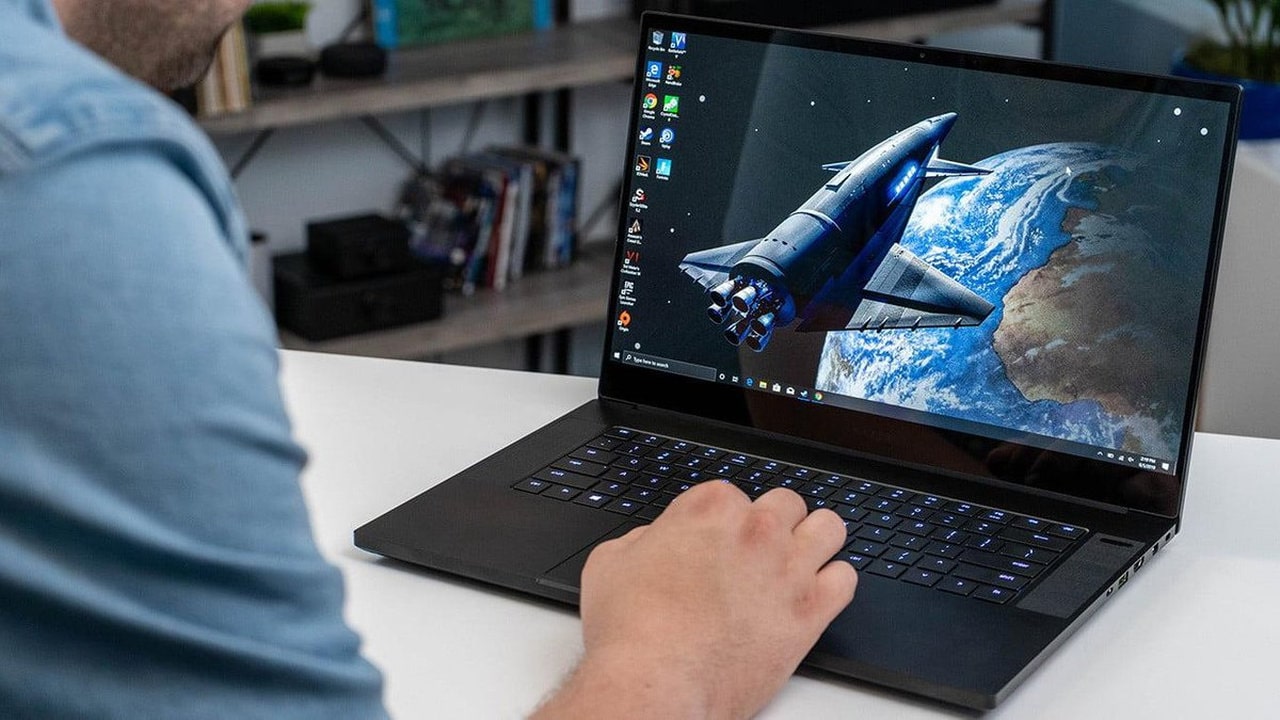
Besides the processor and graphics card, the speed is influenced by RAM (type and volume), chipset (motherboard and its technologies), and storage (hard drive). The combination of all components should be ideal. Manufacturers of gaming laptops know this and strive to install only high-performance hardware.
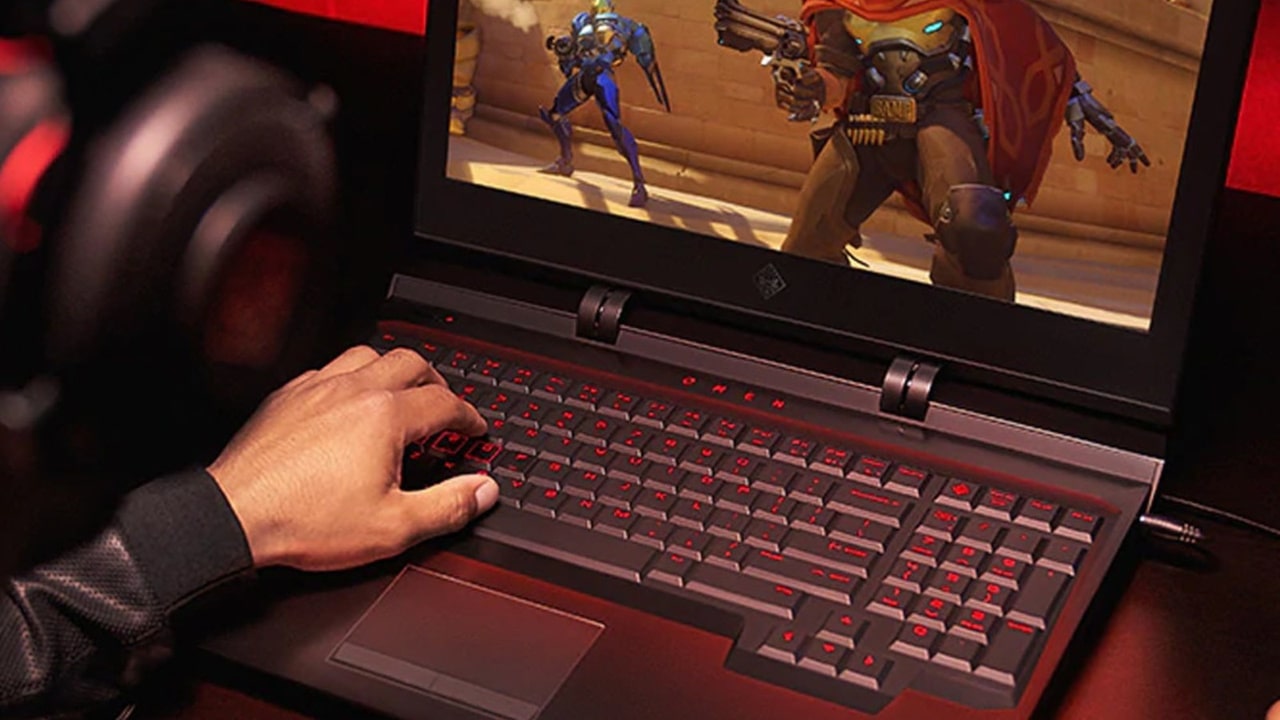
- RAM. Minimum volume – 8 GB. Norm – 16 GB. The more RAM, the better. In this case, game resources will not be cleared to cache on the hard drive. This provides faster access to files for applications. This indicator is critical for games in high resolutions, with large landscapes and vegetation. It is ideal when RAM operates in Dual channel and at the same frequency as the processor.
- Motherboard. Or more precisely, the chipset used by the motherboard. It must support all processor and graphics card technologies at the hardware level. For overclocking enthusiasts, support for non-standard memory and processor frequencies, and the ability to quickly restore to optimal settings, is necessary.
- Storage. A gaming laptop must be equipped with an SSD drive. And definitely of large capacity. The combination of SSD+HDD is an incorrect approach. The system and games should be installed only on the solid-state drive. Forget about spinning disks – they are a weak link in overall system performance. A better setup is SSD M2+SSD SATA. This is a gaming laptop. If there is an HDD, it is not a gaming laptop.
What Else to Consider When Buying a Gaming Laptop
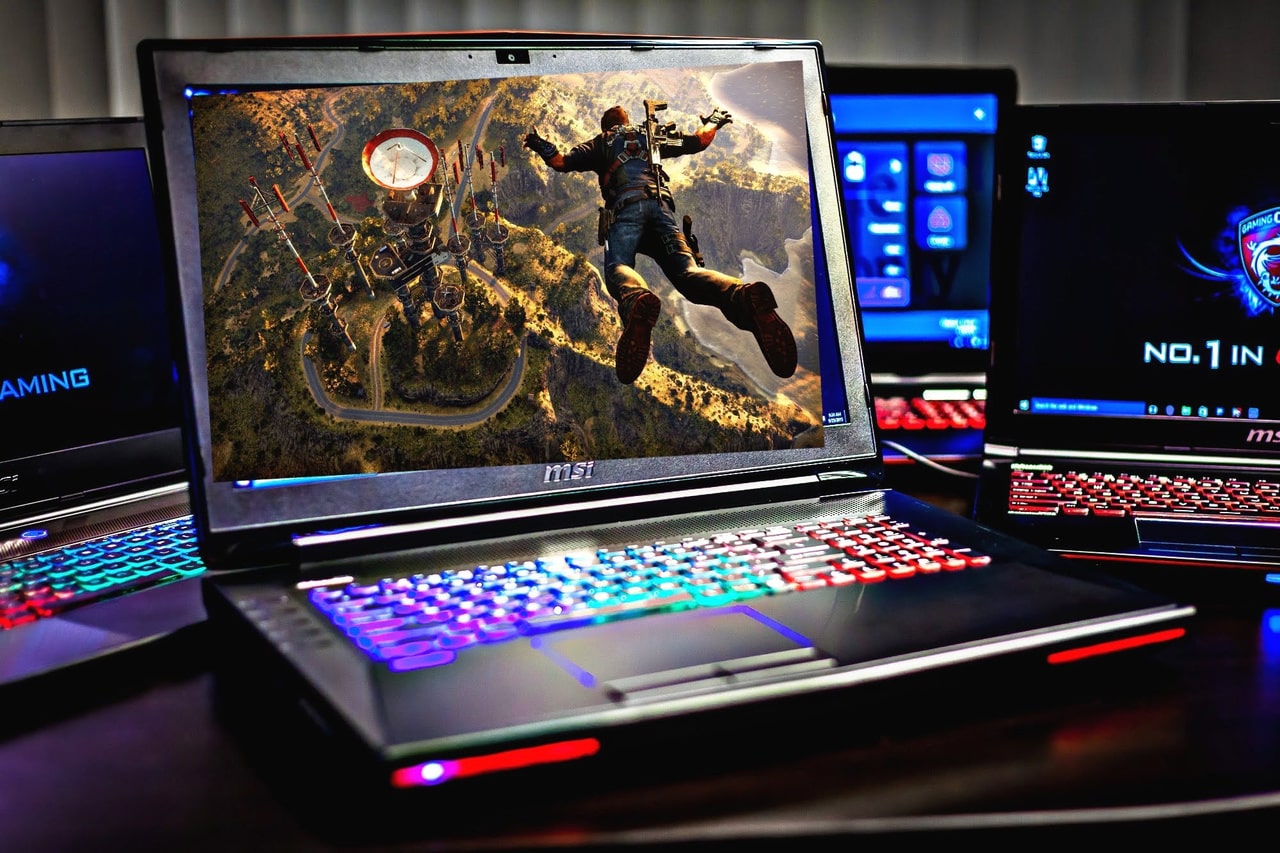
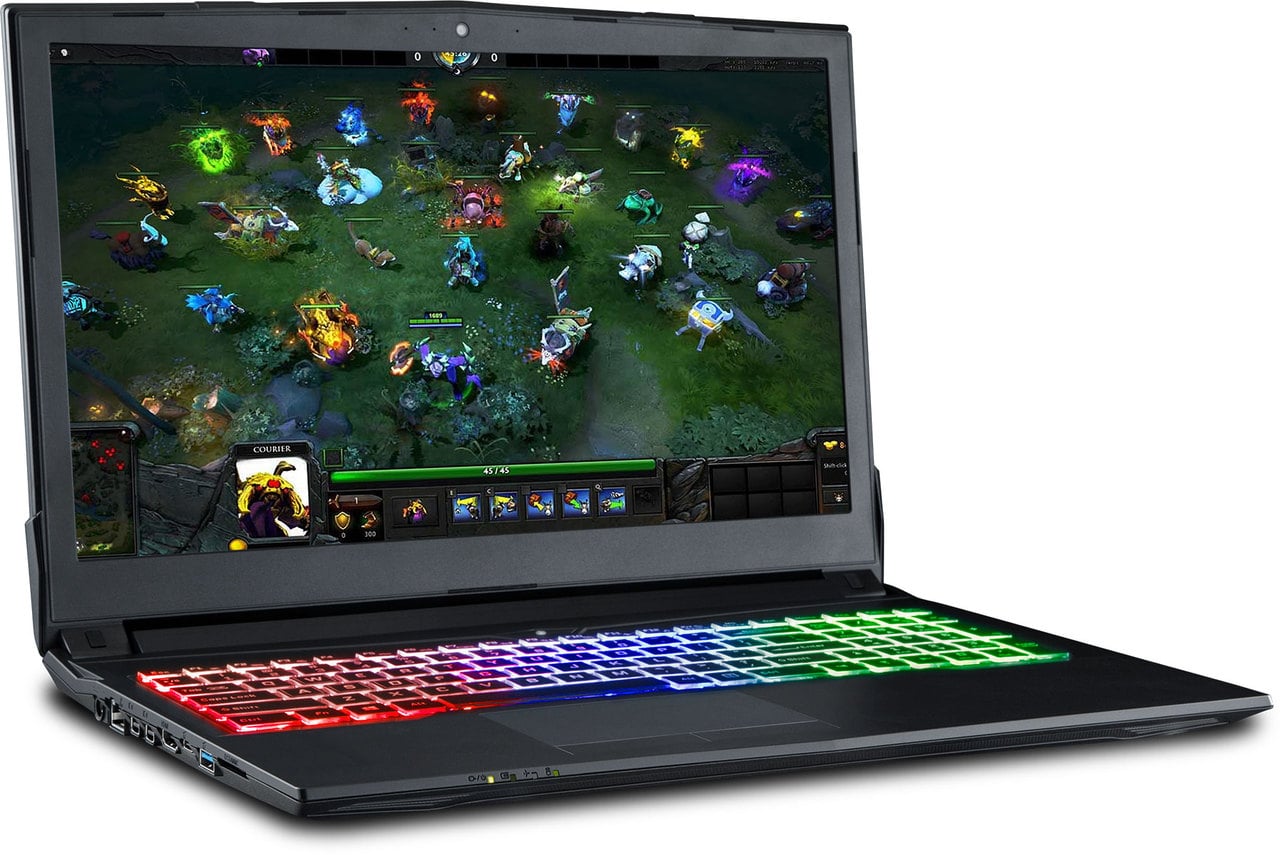
Comfort is one of the criteria that enthusiasts remember after purchasing. Keep in mind that a gaming laptop is a complete construction. For gaming convenience, a good screen, a soft keyboard, and decent battery life are necessary. Ideally, the screen should be IPS with a classic resolution of 4K or Full HD. Diagonal 17, 16, or 15 inches. The larger, the better, but also more expensive. The keyboard should have backlighting, no numeric keypad, and multimedia buttons. The shorter the key travel, the more comfortable it is for most users. Battery life depends on a high-capacity battery.
We are not ardent opponents of AMD products, but we consider it a great sacrilege to install AMD processors and graphics cards in gaming laptops. If the Ryzen 7 processor has resolved overheating issues, there are no such improvements with Radeon graphics cards. We strongly do not recommend buying a gaming laptop with AMD graphics cards. Performance drops due to overheating are unavoidable. Buying a stand with a fan is a foolish idea, especially for those who like to run games on a laptop while lying in a chair or on their knees.