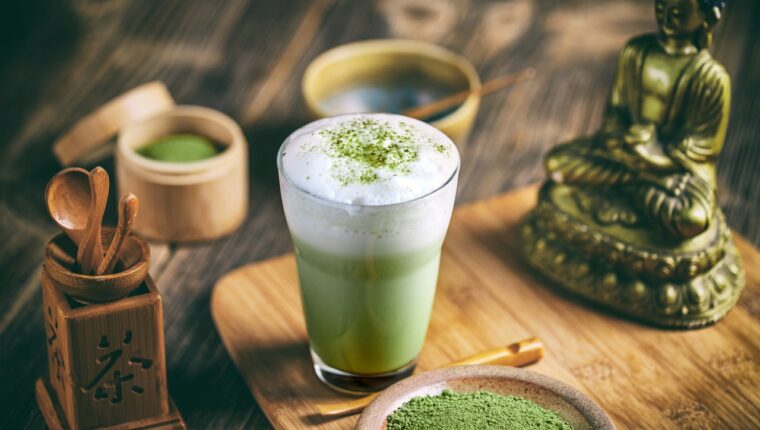
The new trend of the 21st century – Matcha tea. The beverage is steadily gaining popularity worldwide, competing with coffee. Hollywood stars, businessmen, and models post photos with Matcha tea on social media. The drink quickly finds new fans, bringing changes to the global order.

What is Matcha Tea
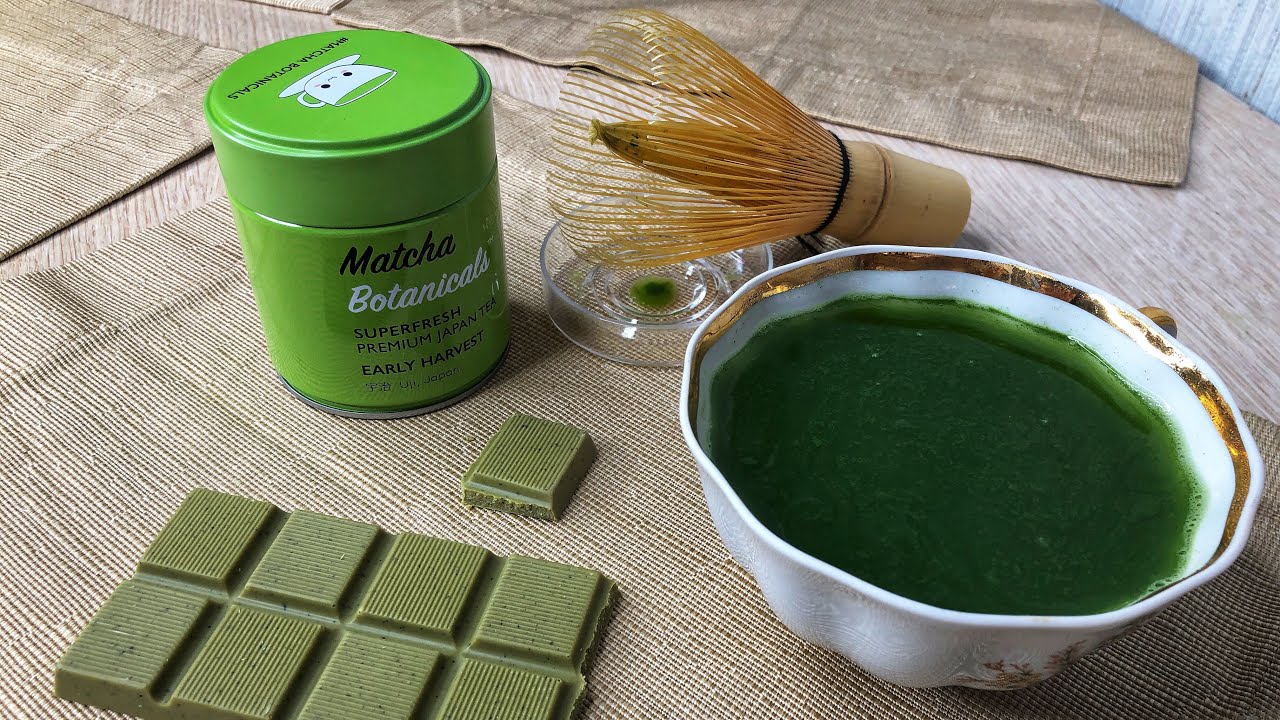
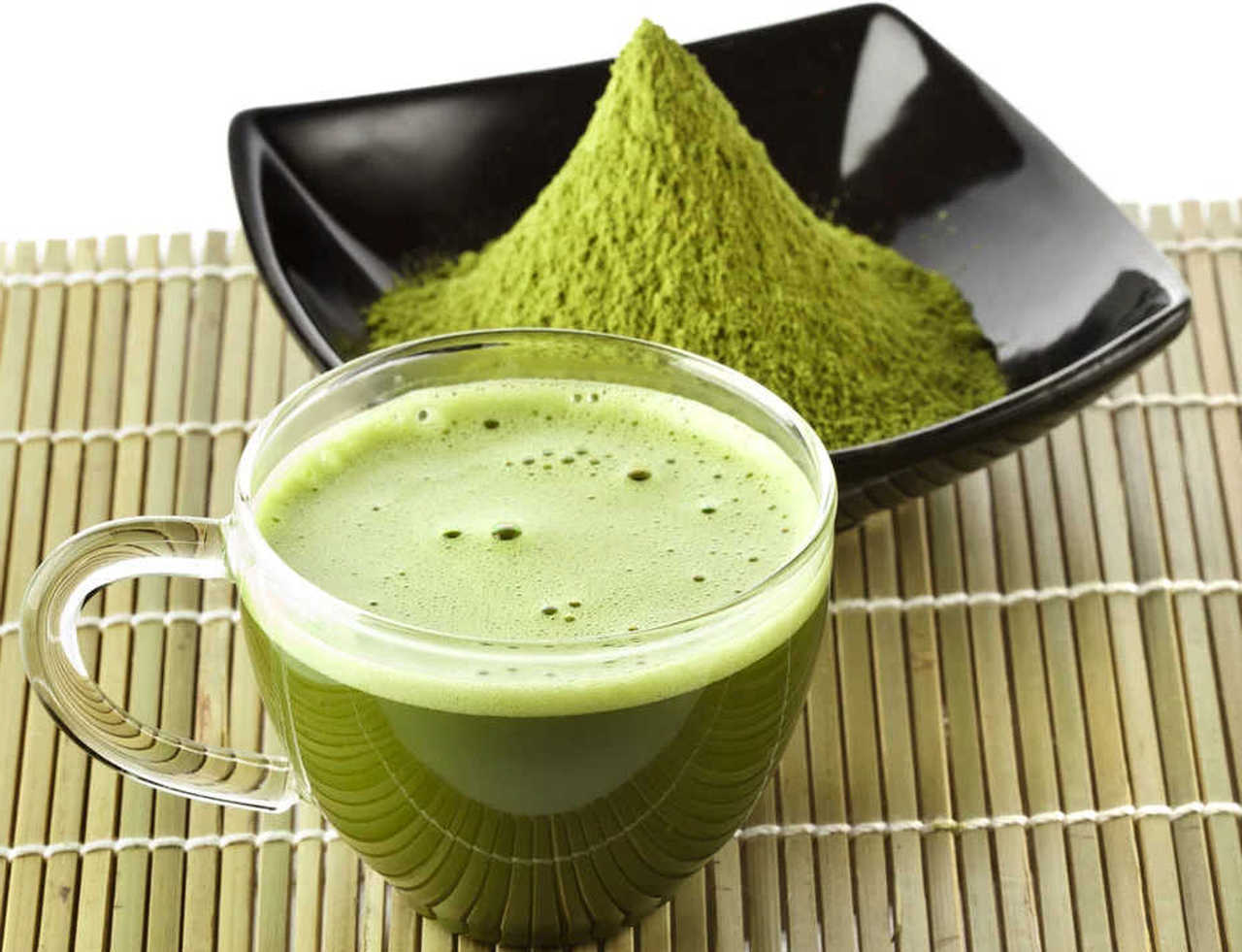
Matcha is a traditional Japanese tea that originated in China. Visually, it is a green dry powder obtained by processing the top leaves of tea trees. The leaves are cut, dried, and ground into powder.
Considering that the upper layers of tea trees contain more caffeine, the drink of matcha turns out to be quite invigorating. Therefore, it is compared to coffee, although it looks nothing like it. An additional difference from coffee is the presence of an amino acid called L-theanine in matcha tea. This substance slows down the absorption of caffeine by the body, creating a stimulating effect that attracts enthusiasts.
Matcha Tea: Benefits and Harms
Caffeine energizes and causes a feeling of mental clarity. Drinking a cup of the beverage on an empty stomach in the morning quickly mobilizes the body and prepares it for any stresses at work and in daily life. When prepared correctly, matcha sets the stage for deep concentration, which helps creative individuals in their work. Athletes find that the drink helps relax after training – matcha effectively relieves muscle pain.
Given the high dose of caffeine in the drink, even with the slowing effect of L-theanine, not everyone’s body can control blood pressure. A slight excitability will definitely be present. The invigorating effect in the morning is beneficial, but drinking matcha tea in the second half of the day may lead to insomnia.
How to Prepare Matcha Tea
If following Japanese tradition, you need 2 grams of matcha, 150 ml of hot water (up to 80°C – otherwise bitterness will develop), and 5 ml of cream. Before drinking, the mixture should be well stirred with a whisk.

To simplify the process, you can buy a ready-made set for brewing matcha tea. It includes a bowl, a measuring bamboo spoon, and a whisk for mixing. The price of such a set is approximately 20-25 US dollars. Therefore, for economy, people often make the drink by eye, creating their own recipes through trial and error.

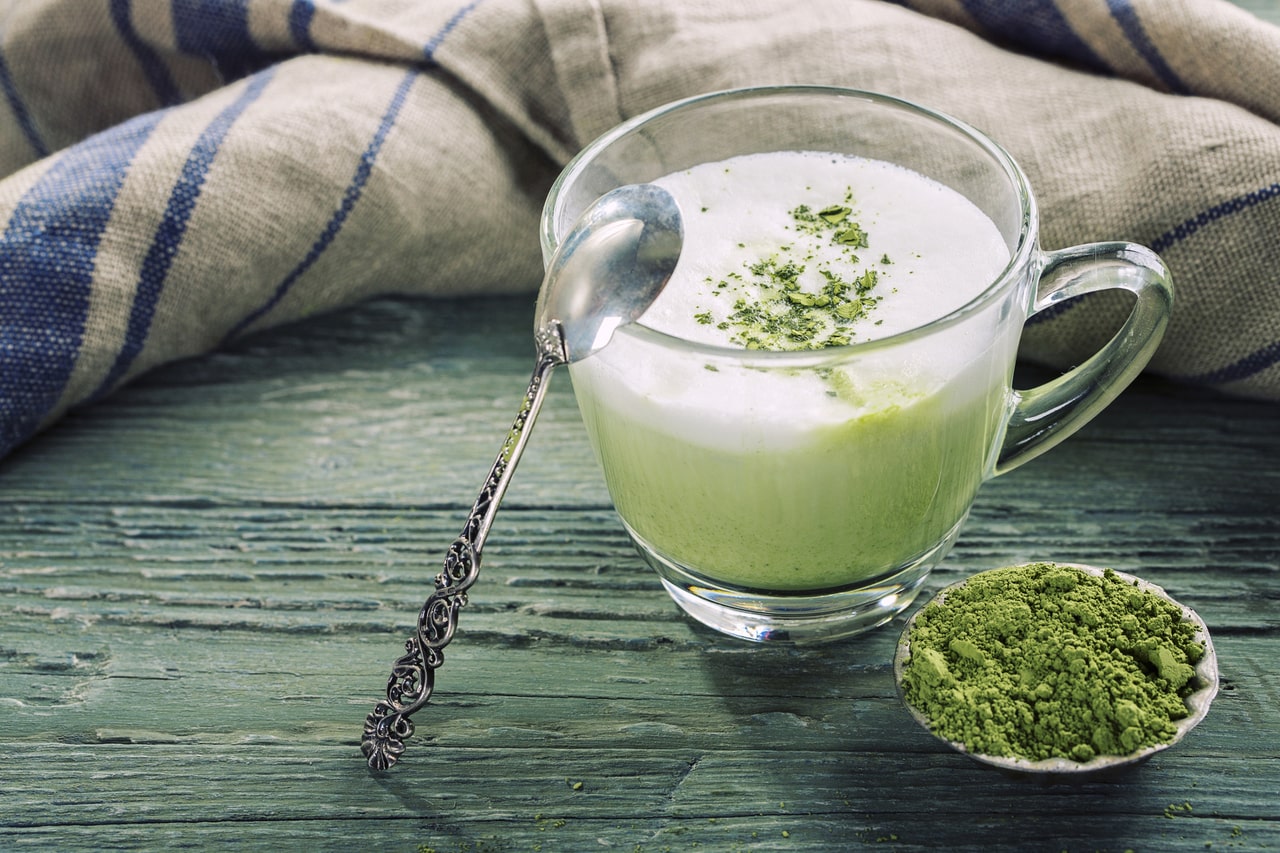
In cafes, matcha tea is prepared differently, offering the customer a matcha latte. The feature is that 2 grams of tea are used with 50 ml of hot water and 150 ml of cream (or milk). It turns out to be a cappuccino with an invigorating effect and very appealing taste. Fans of sweet drinks add sugar, honey, syrup, and other sweeteners to matcha tea.
How to Drink Matcha Tea
The beverage can be consumed hot, warm, or cold – there are no restrictions on temperature. But it is important to remember that matcha is a derivative of leaf tea, which tends to settle at the bottom. Therefore, any version should be consumed immediately or stirred with a whisk if the drink has been untouched for more than a minute. Otherwise, the taste of matcha tea will be lost.
If sediment appears in the drink, it can be consumed, but the taste of matcha will be lost. The main thing to remember is that when preparing the drink, boiling water should not be used – the tea will turn out very bitter and impossible to drink, even with sugar.