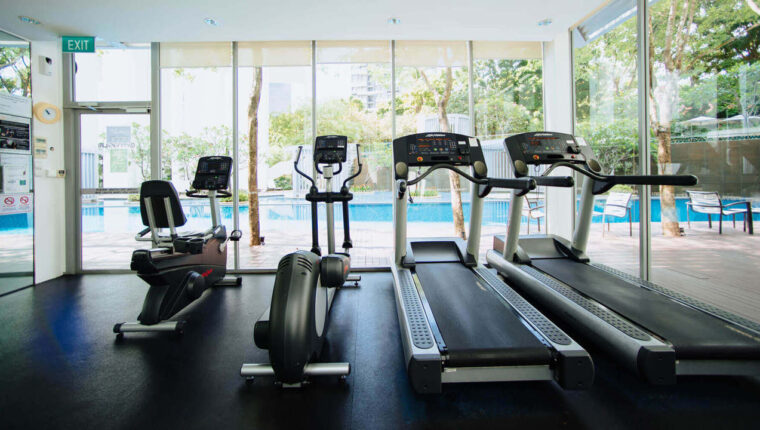
The treadmill is sports equipment for running or walking in place. Designed for indoor use (gym, home, or apartment). The equipment is in demand among athletes who, for various reasons, cannot (or do not want to) engage in traditional outdoor running.

Historical Background of the Treadmill
The first mention in literature of exercise equipment dates back to 1875. The device was used in industry to power rotating mechanisms. For example, water wheels, spinning wheels, or oil press machines. The treadmill was driven by people or animals.

Only in 1952 did engineers from the University of Washington come up with the idea to use a conveyor belt for studying cardiovascular diseases. The treadmill was used to create stress tests. But, within 2-3 years, physiotherapists discovered that the equipment helps restore joints and muscles for people with various illnesses or after injuries.
Advantages of Treadmills
- Convenient to run without leaving the comfort of home. No irritating natural factors (dust, rain, wind) and no onlookers.
- Personalized settings for running (set speed, route difficulty, simulate natural terrain features such as incline changes).
- The ability to distract oneself from running – turn on the TV or music.
- Progress tracking (distance, pulse, calories, speed).
- Maintaining a steady pace – very convenient when running in a set mode without distractions if there are no obstacles ahead.
Disadvantages of Treadmills
- The most unpleasant aspect for any runner is the danger lurking when distracted from the equipment. Any careless movement, step to the side, or stop can lead to a fall. Even if a quick stop key is used.
- Thousands of accidents in the USA involve adults and children sustaining various injuries.
- Large size of the equipment – takes up space in the living area.
- High energy consumption and expensive maintenance.
- After running on a treadmill, it is difficult to run outdoors on uneven terrain.
- Interest in the equipment quickly diminishes if desired quick results are not achieved.
- When using running programs, hands must always touch the pulse sensors on the handles. The exception is a wireless pulse monitor, which is only found on expensive devices.
How to Choose a Treadmill
- Despite similar mechanisms, equipment from different brands can vary significantly in functionality. To make it easier for buyers to choose, start with basic features:
- Motor. Responsible for rotating the belt. Measured in horsepower. Has three basic characteristics: maximum, intermediate, and continuous power. Always focus on continuous power – when the motor can keep rotating the belt under load for a long time.
- Deck. The frame that holds the running belt. Besides strength, it has an important technical feature – amortization. The better the shock absorber works, the longer the treadmill can operate under load without repairs. Decks can be single-sided or double-sided.
- Running belt. Selected by width and material quality. Considered a consumable part that needs replacement when visible delamination occurs. If not replaced in time, fuzz can enter the moving mechanisms of the motor and block the equipment’s operation.
- Control panel. Equipped with an integrated computer. With many buttons, it’s easy to select a training program or set running mode. For effective workouts, the panel should be complemented with handles with built-in pulse sensors. Speed and incline angle must be adjustable. The more programs in the control unit, the more flexible the training.
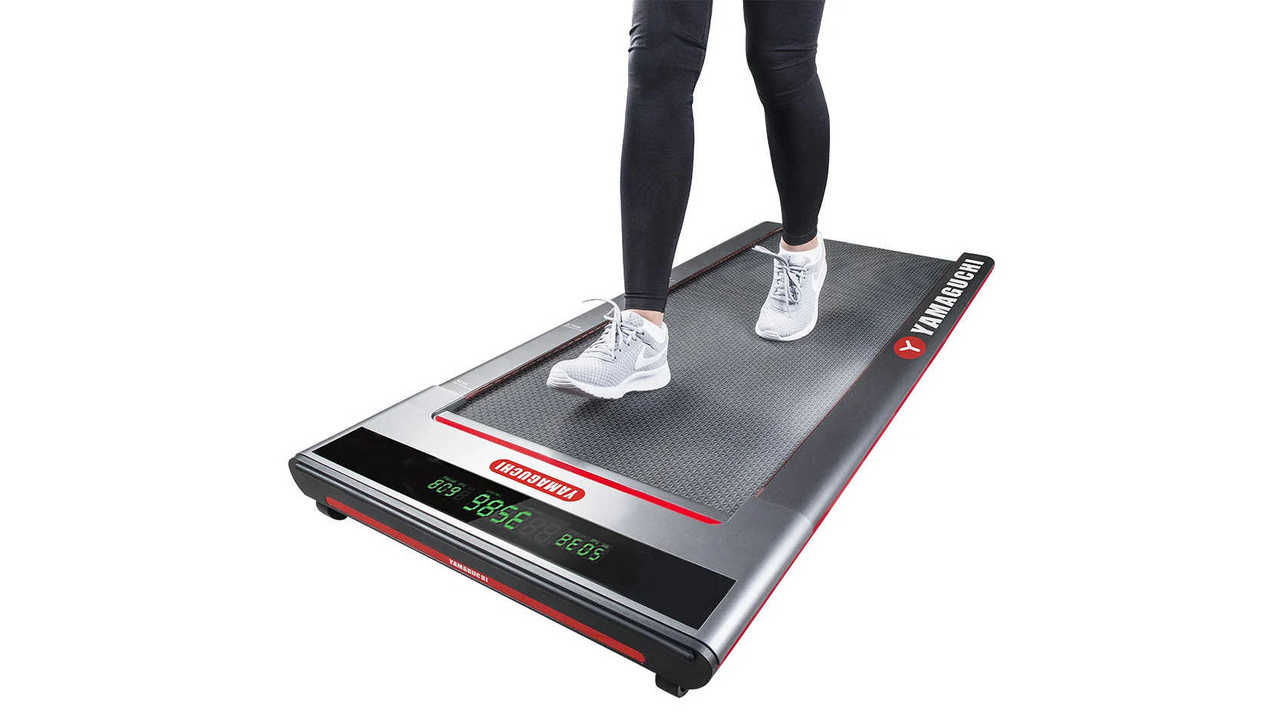
Choosing a Treadmill: What to Pay Attention To
- First of all, always choose a brand. Durability and other operational properties depend directly on the manufacturer. Since treadmills often break down, it’s better to buy a trainer from a nearby store that offers certified products. Technical specialists, consumables, and spare parts should be available from the seller.
- Smooth acceleration and deceleration of the belt are important criteria. They affect the lifespan of the motor. There should be no sudden jumps. Also, under load, the speed should not decrease – this is the first sign of a low-quality motor.
- The treadmill should not be very noisy. Besides being irritating, noise indicates poor assembly of the rubbing mechanisms.