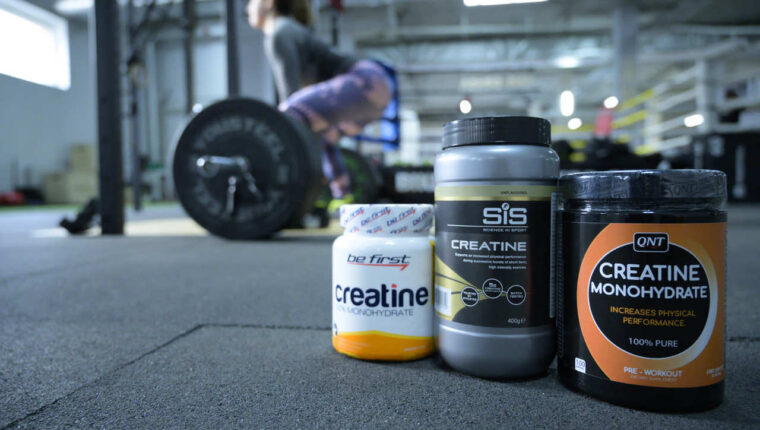
Sports supplement called “creatine” is so popular on the market that almost all athletes have switched to its use. Moreover, most athletes do not fully understand what it is and why. Most online resources simply copy text from Wikipedia onto their pages, probably hoping to attract buyers. Because, with the text, you can immediately go to purchase in an online store.
Creatine: what is it
Creatine is a nitrogen-containing carbamic acid that is produced by the human body in the necessary amount for vital functions. It is synthesized from amino acids and enzymes, which are also present in the body. That is, the human body, not experiencing extraordinary loads, does not need sports nutrition.
What does creatine do
The product of amino acid synthesis helps to accumulate glycogen in muscles, simultaneously retaining moisture in the body as the percentage content increases. As bodybuilders say – creatine provides mass gain. No, the nitrogen-containing carbamic acid increases muscle volume due to water. And thanks to this increase, an athlete can lift heavier weights. Whether the muscle size increases or not depends on the effectiveness of training, proper nutrition, and rest.
Is creatine safe for the body
Theoretically, yes. At least, there are no recorded cases of athletes dying from creatine use. Besides increasing body mass by attracting water into muscles, the sports supplement has an anabolic effect on tendons and ligaments. There is evidence from experiments on athletes. This cannot be disputed.
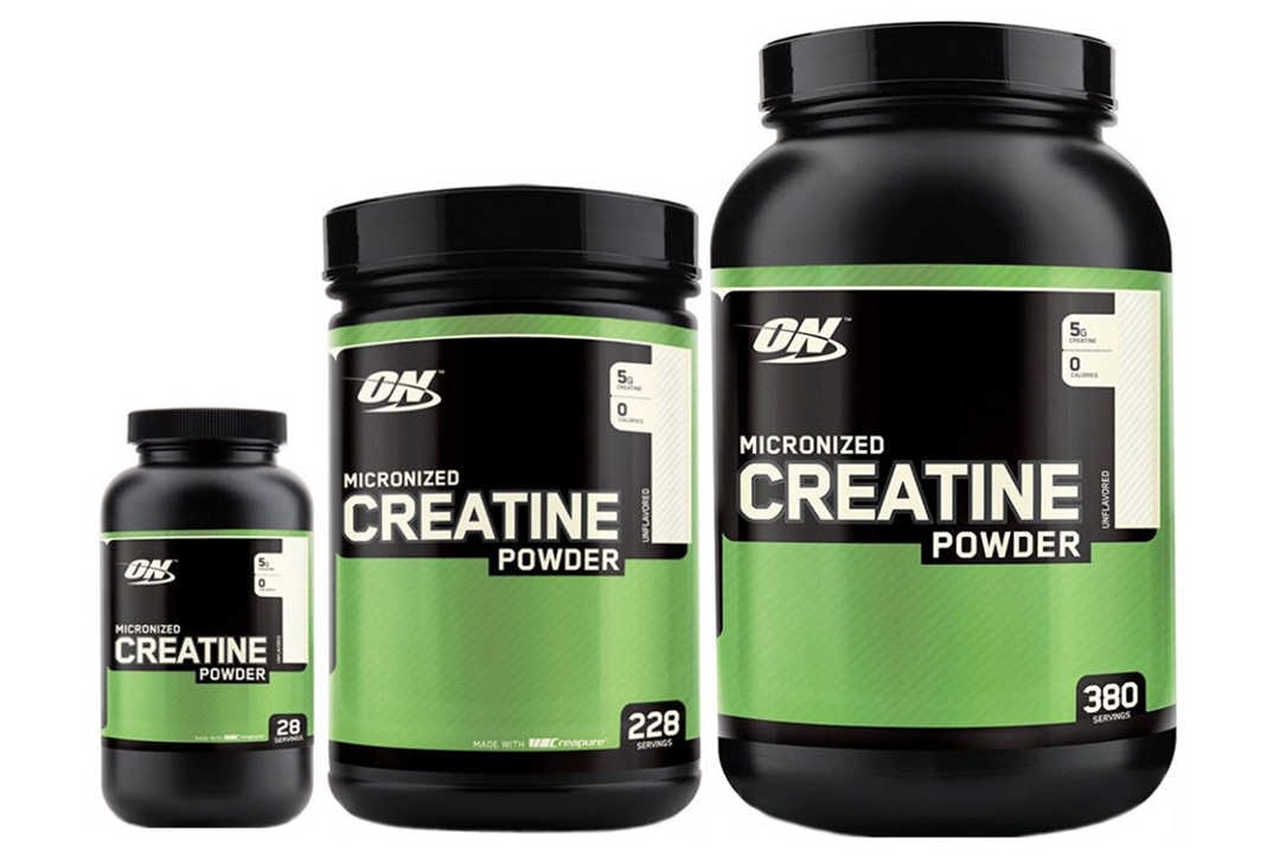
And here is an interesting fact. Studies reveal kidney stones in athletes consuming creatine (100% cases). Moreover, after stopping the supplement intake (after 14 days), the stones disappear without a trace. Since the experimental group includes young and middle-aged people (18-45 years), it is not certain that stones can dissolve in older athletes.
Which creatine to choose
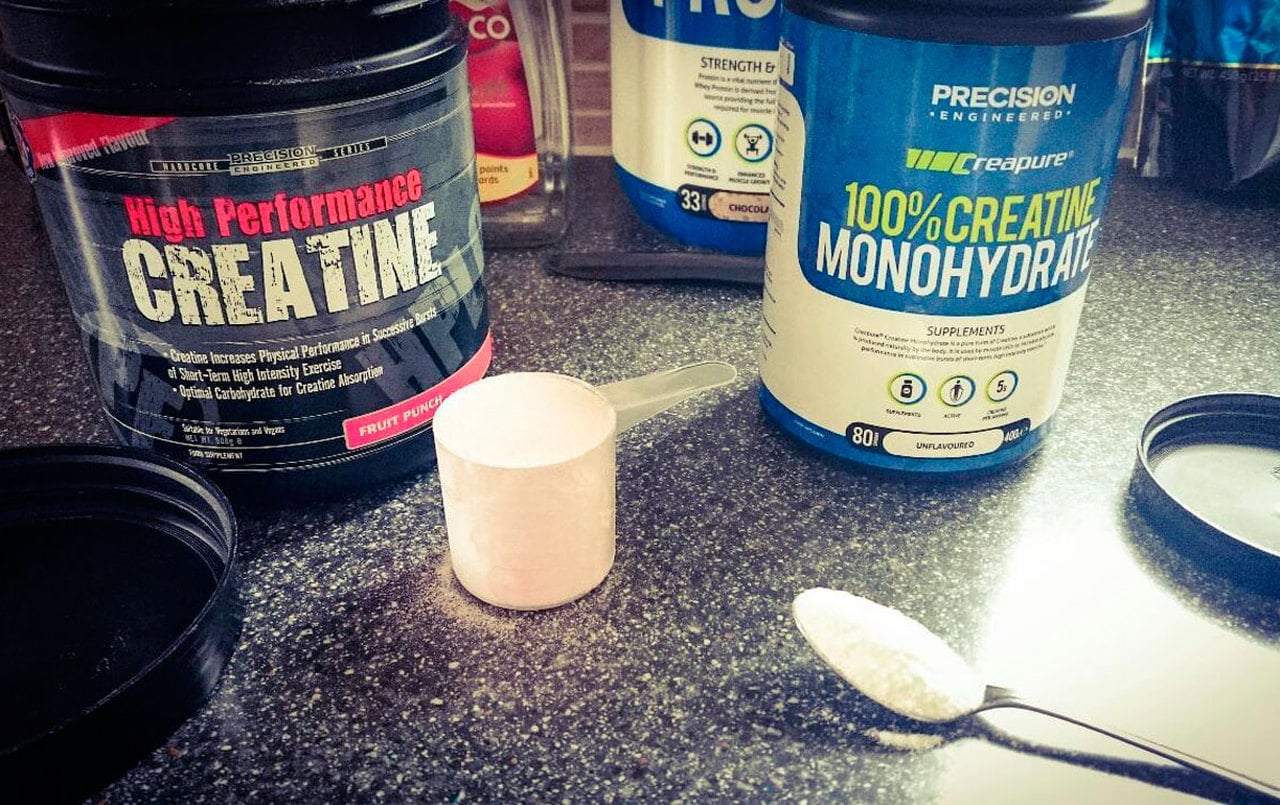
In the market, we are offered monohydrate and hydrochloride creatine. In the first case – it is a molecule of creatine with water, in the second – a mixture with hydrogen and chlorine. Monohydrate has low solubility, is poorly absorbed, but is quite inexpensive. Hydrochloride quickly enters the body, is economical in dosages, but is expensive. For an athlete faced with the choice of which creatine to choose, there is no definitive answer. If you translate everything into dosages and prices, differences are negligible. Therefore, it’s better to focus on convenience of intake.
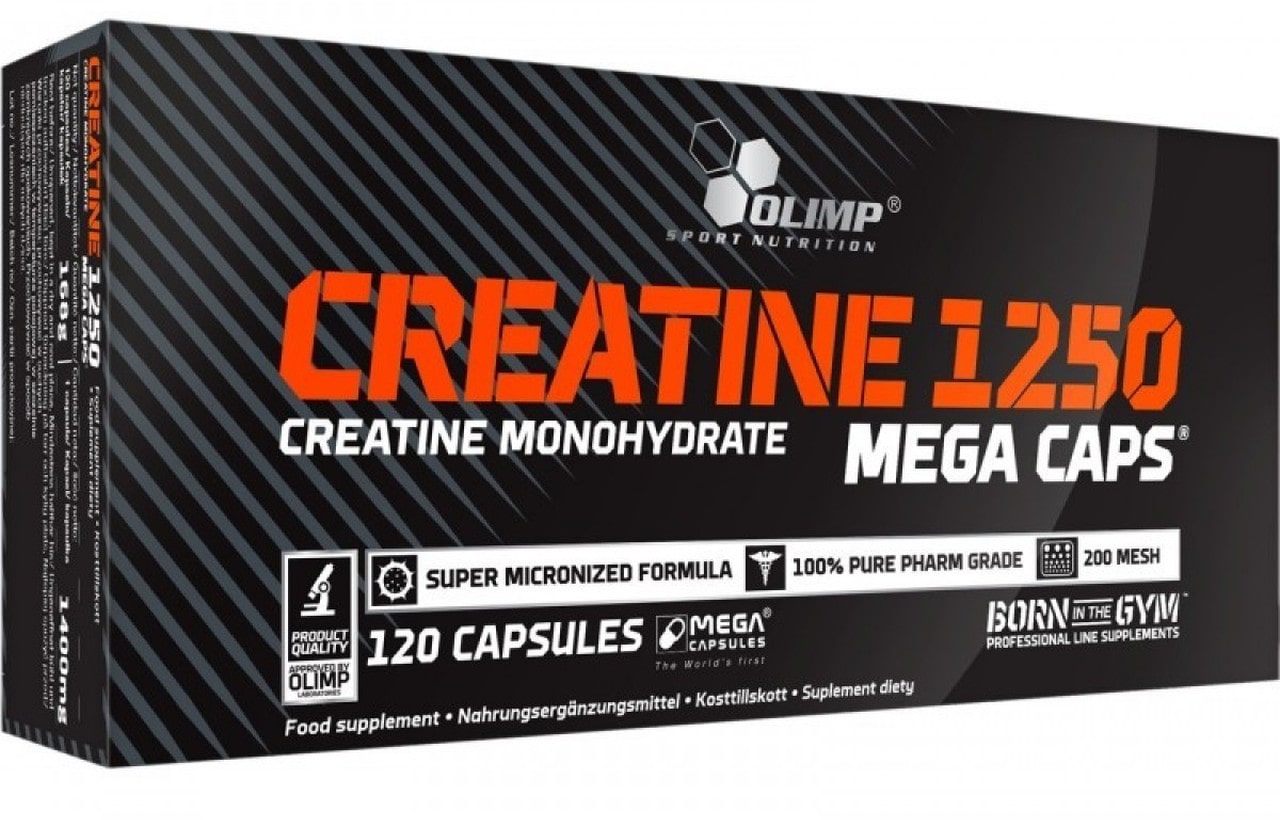
Is creatine needed in sports
A very interesting point. Famous athletes with low body fat percentage and excellent physique do not use creatine. Why? Because it retains water, which is forcibly expelled from the body using pharmacological agents. Dry muscle mass and creatine are two opposing directions.
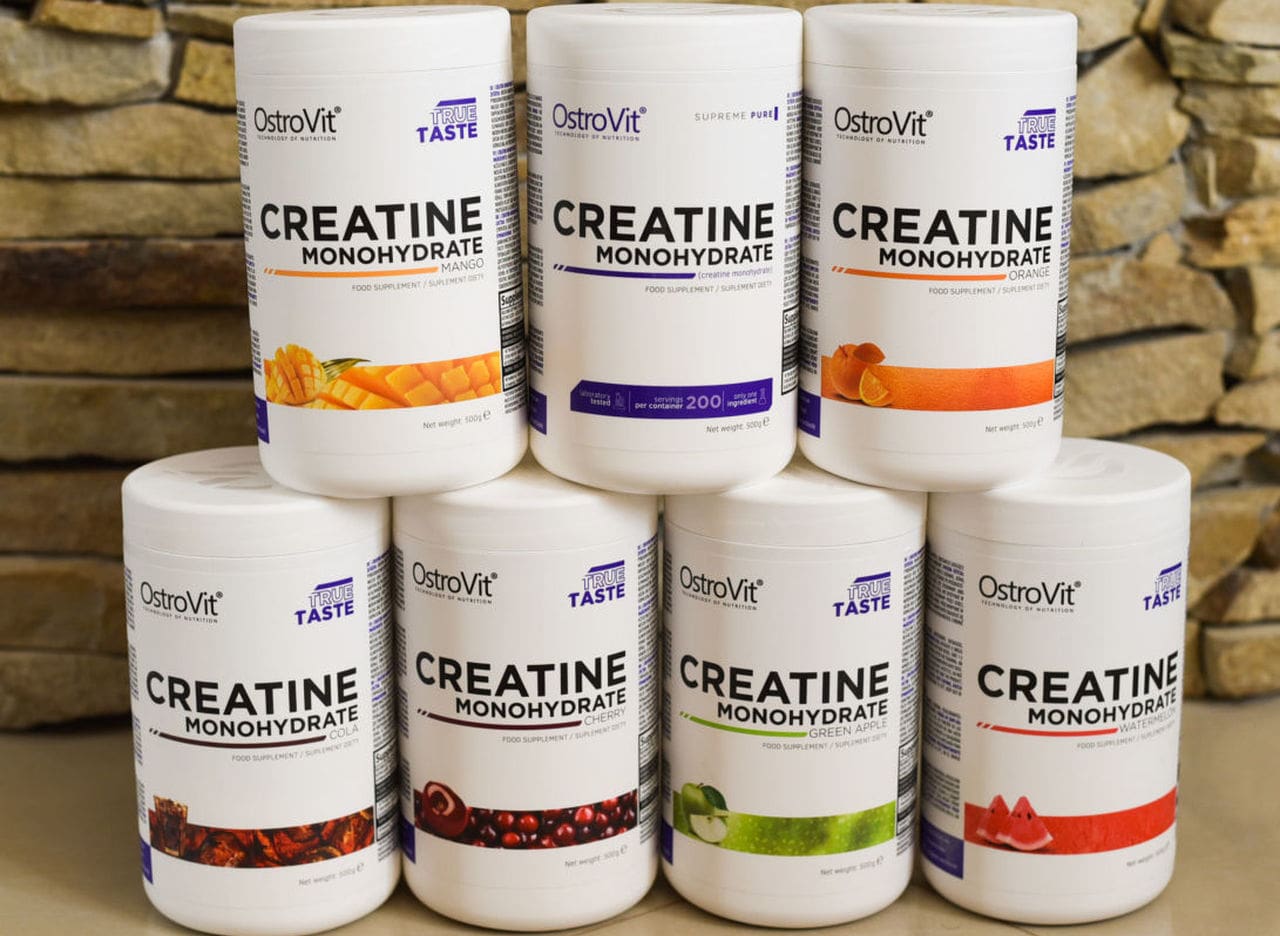
The purpose of the article is not to discourage from buying. If you want – use it. But the effect is negligible for most amateur athletes. If you want to restore your body after training – drink vitamins of groups A and B, zinc, magnesium, omega acids. The effect will be noticeable – we guarantee it.