
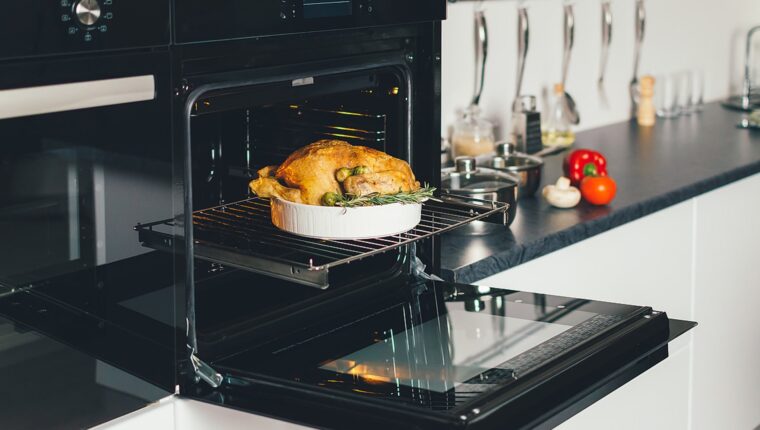
The days when a regular gas oven was used only for storing kitchen utensils and heating the room during cold weather with poor heating are gone. A kitchen oven has become an essential attribute for everyone who loves good food. Manufacturers, following user preferences, do everything to attract consumers’ attention to their appliances.

How to choose a kitchen oven: gas or electric
Buyers often base their choice on the fact that natural gas is cheaper than electricity. One could agree with this. However, all ovens running on blue fuel lack many sought-after features. The kitchen appliance market is clearly divided on this issue. Gas devices are aimed at household needs, while electric ovens are designed for professionals. Accordingly, electric ovens have received more useful functions.
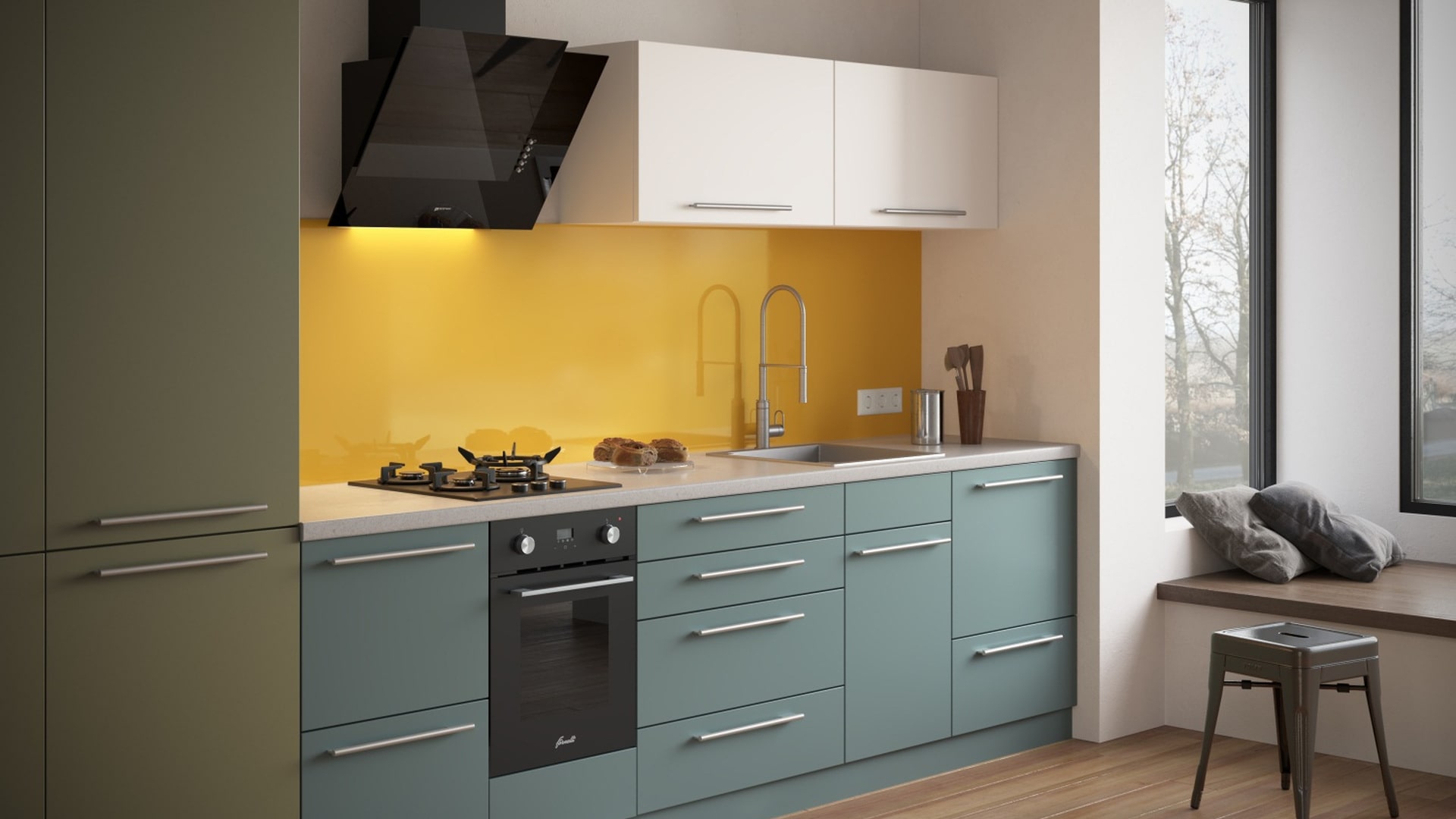
Returning to gas devices, one must not forget about their unsafe use. Incorrect connection, overheating of components, or gasket wear affect the safety of using such a device.
Technical specifications of ovens – what to choose
Salespeople assure that size and volume are the main criteria for selection. But there is a catch – the availability of space for installing the oven in the kitchen. Most often, kitchen appliances are purchased to fit existing furniture. Typically, this is a niche measuring 600×600 mm. Ovens are produced to fit this standard size. However, there are exceptions. Therefore, first and foremost, check for compatibility in size, then choose volume and other characteristics.
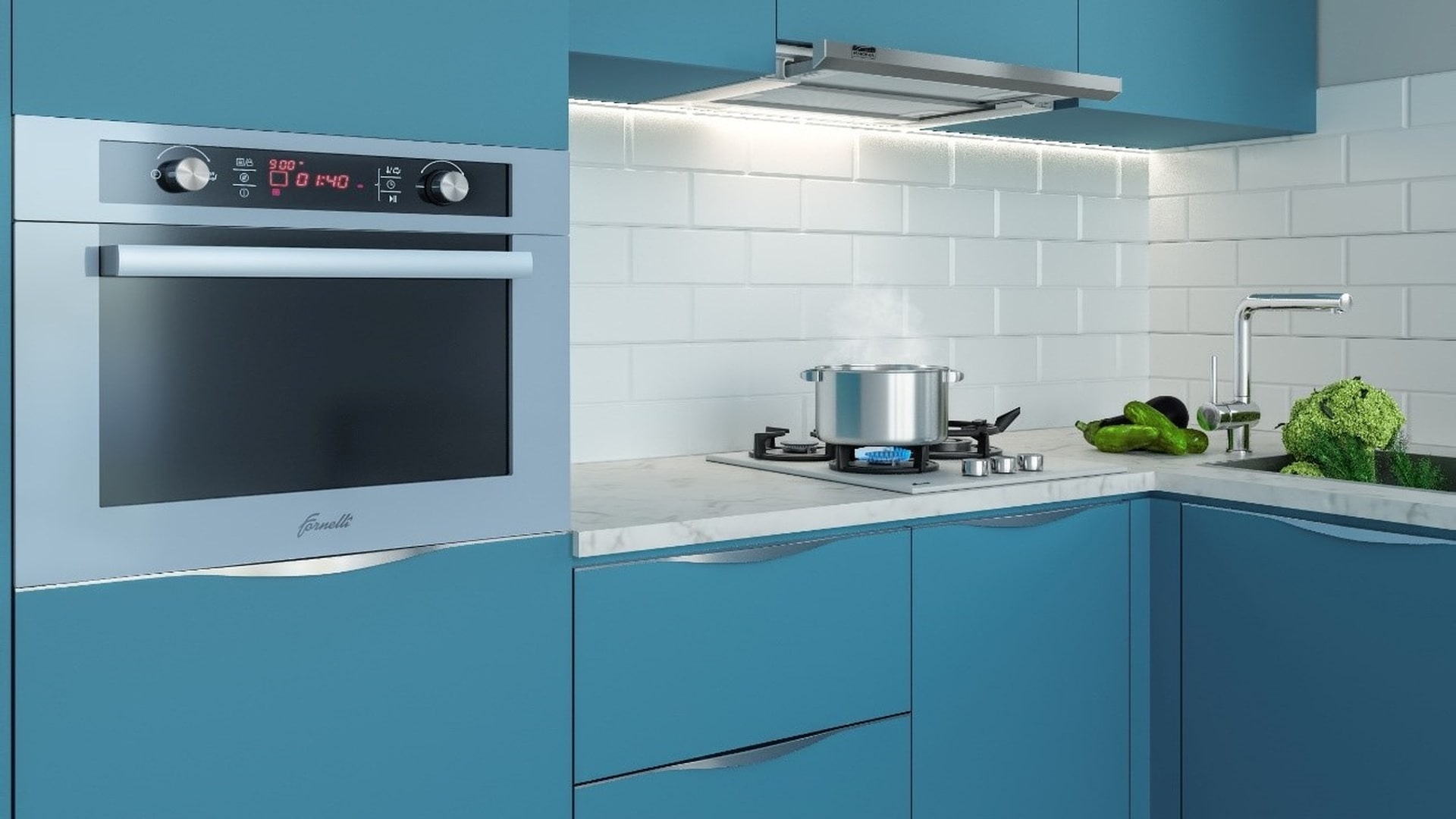
You can buy built-in or freestanding ovens. The first case was discussed above. Freestanding kitchen appliances can have any size. When choosing, you only need to calculate the free space for the oven. Be sure to consider ease of connection to the power supply and unobstructed access to the appliance.
Oven design or ease of maintenance
Manufacturers have a rather strange approach. You can buy an oven in a luxurious, exclusive design but face maintenance problems. Or, conversely, choose a mediocre-looking device with full access to clean internal components.
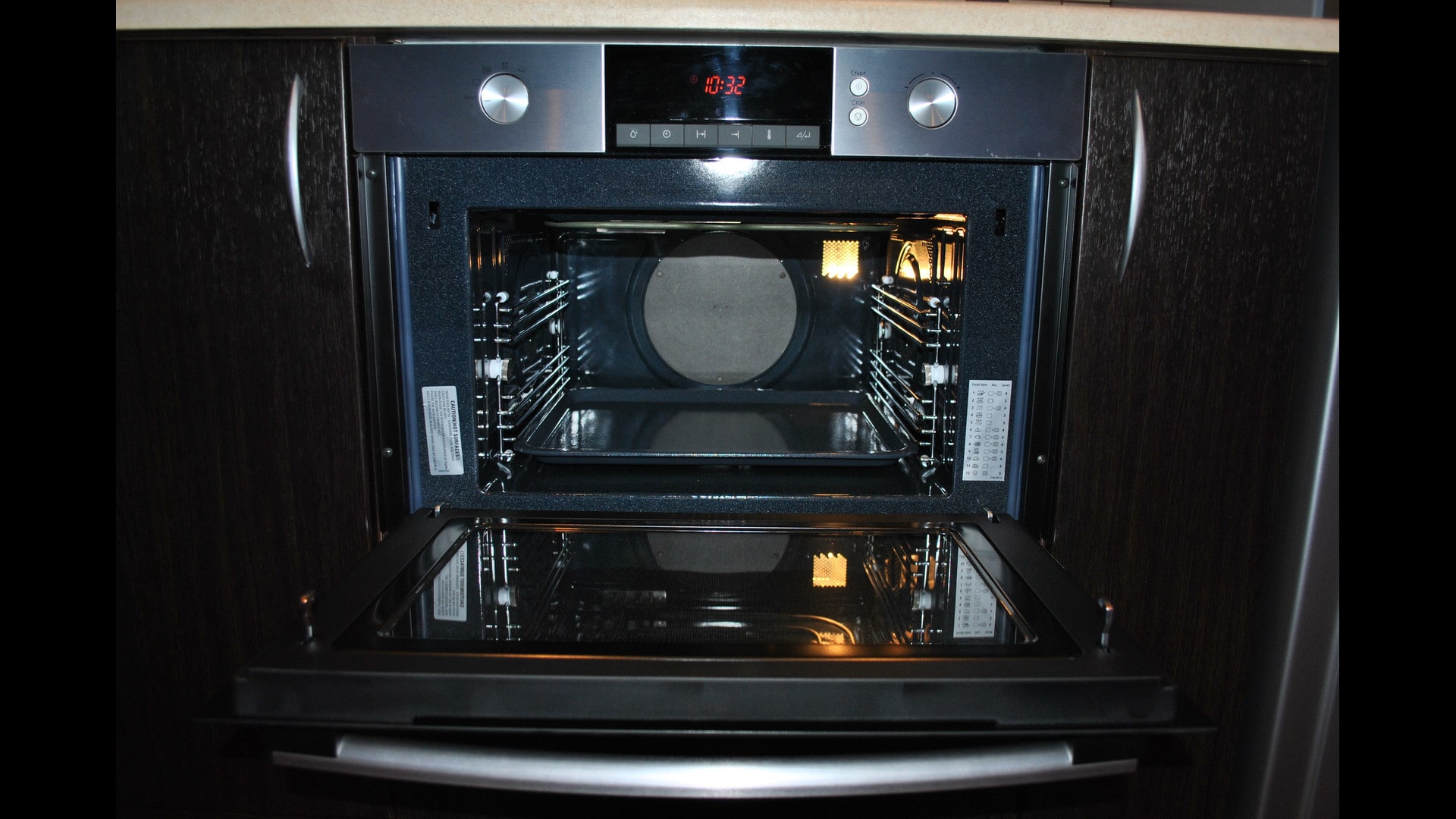
There is a loophole for buyers here. Some models of kitchen appliances can be cleaned not manually but automatically. You will have to pay extra for this service, but maintenance will not be an issue. The most common methods are:
- Steam cleaning or hydrolysis. The principle is simple. There is a special tray at the bottom of the oven where water is poured. The device has a “cleaning” button. The water heats up and evaporates inside the oven, softening grease. The user only needs to wipe off the dirt with a cloth.
- Catalytic cleaning. Surfaces in the oven have a special coating (enamel with catalysts). When heated, fats are broken down by these catalysts. It remains only to wipe them off with a cloth. The downside is that after 2 years, this enamel will burn out and the oven will need manual cleaning.
- Pyrolytic cleaning. The most advanced and durable cleaning method. The contaminated parts of the oven are heated to 500 degrees Celsius. The grease simply burns out, turning into ash. The only drawback is that the heater consumes a lot of electricity.
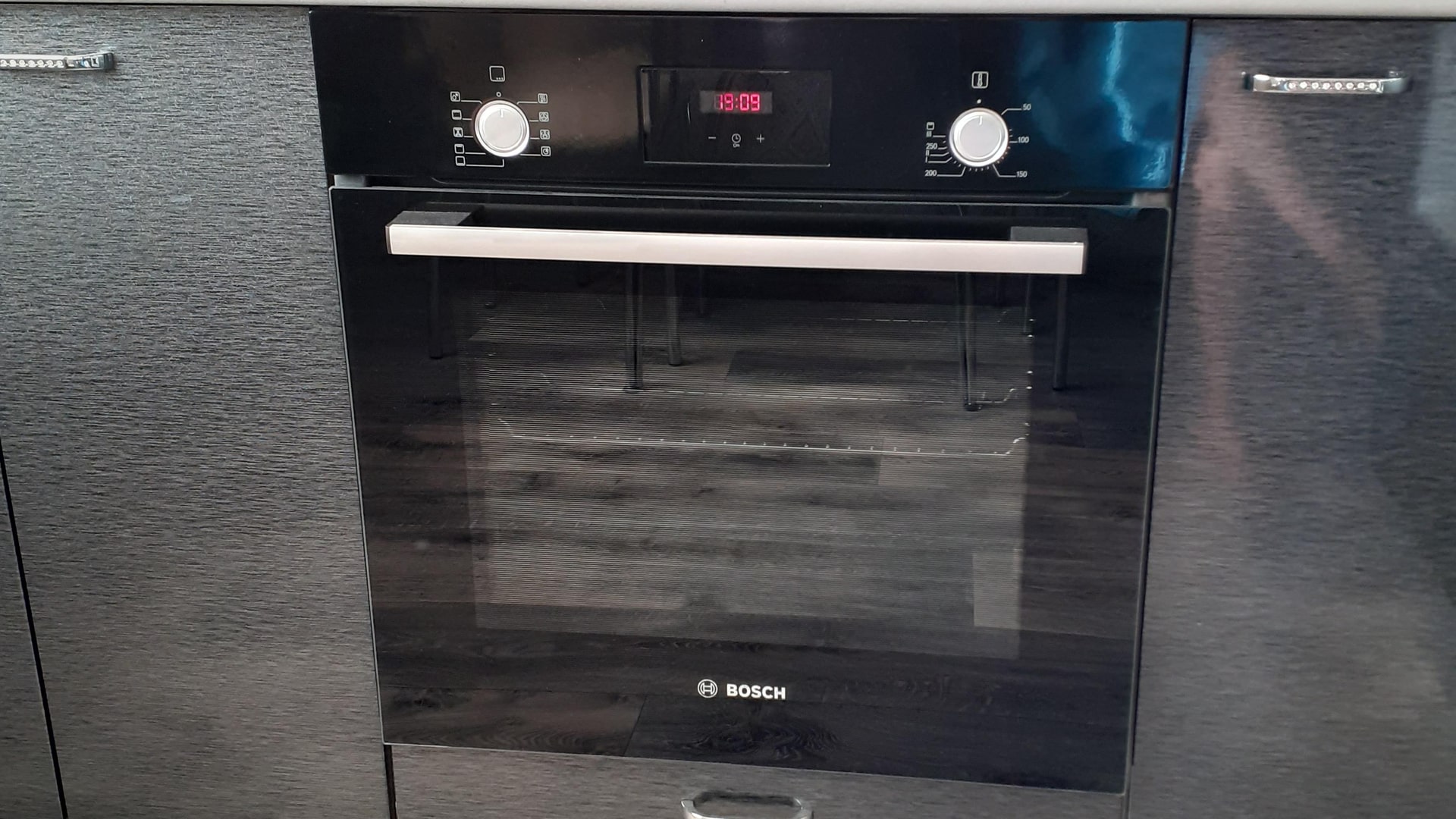
Oven control and useful features
We have reached the most important question, which often prompts the desire to buy a kitchen oven. The feature of the appliance lies in its functionality, which cannot be provided by a regular electric or gas oven. This concerns both ease of control and functionality.
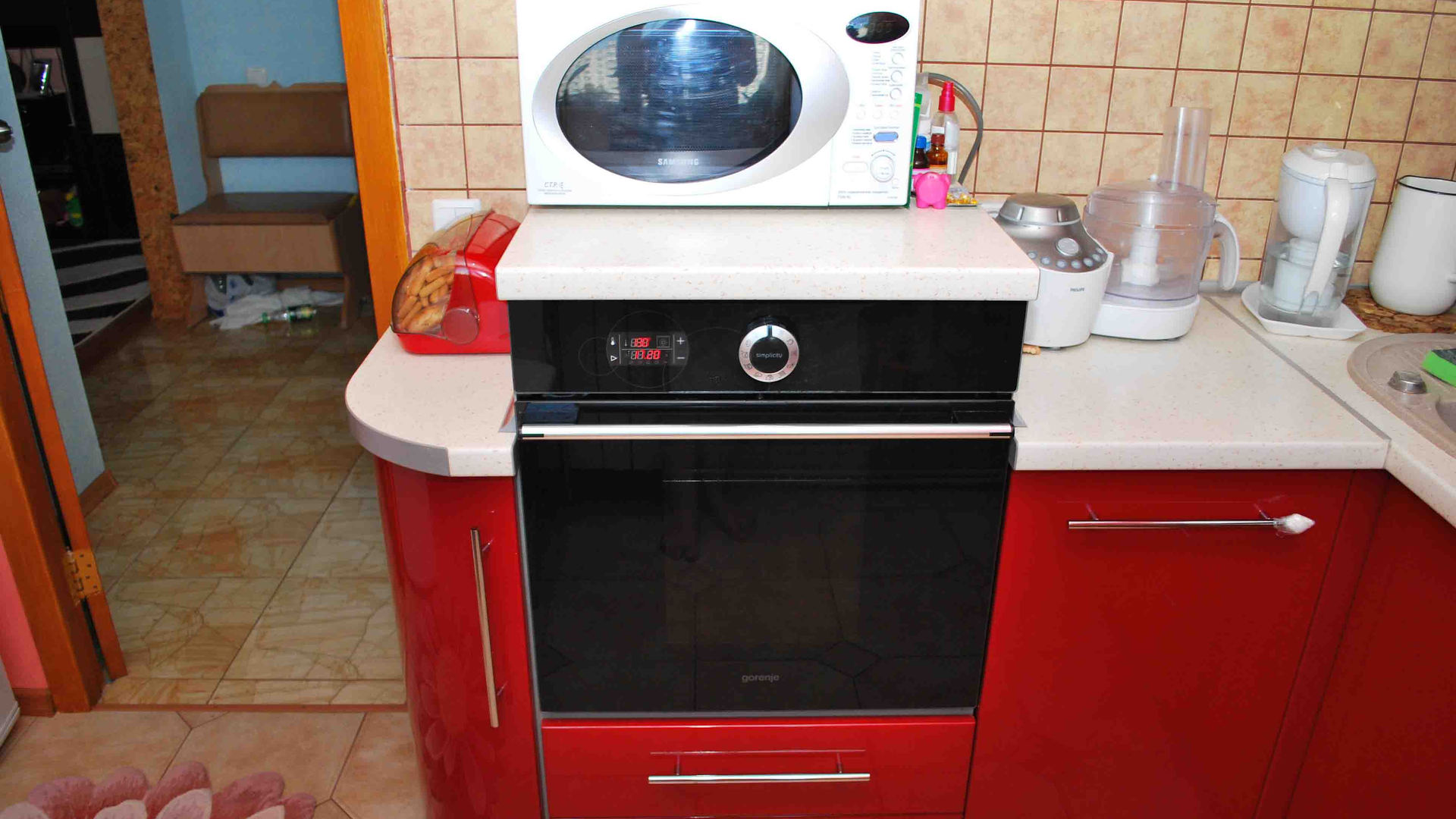
Control of the oven does not affect its functions – it is more for ease of operation. Control can be mechanical, touch, or combined. It is impossible to say which method is better, as it depends on the manufacturer. Budget segment appliances with many touch buttons may work worse than a professional oven with a single dial for all functions.
Features of oven functions:
- Timer and clock. Mandatory attributes. If missing – pass by. Timer, delayed start, pause, auto shut-off. Without these, cooking is pointless.
- Microwave mode. This feature is for enthusiasts. Convenient if there is no separate microwave.
- Guides. Can be ribbed, wire, or telescopic. The last option is better for frequent use.
- Rotisserie. A useful feature for cooking meat. Considered a popular attribute. But in fact, it is rarely used – a paradox.
- Thermometer and thermal probe. The first is essential, as any dish requires attention. The probe is convenient during cooking, but ovens with this accessory are expensive. Buyers should decide.
- Child safety. Clear – a locking mechanism to protect children.
- Convection mode. A built-in fan blows hot air over the food being cooked. Very effective, as it speeds up cooking.
- Availability of programs. Interesting at the beginning of use, but eventually, the cook will set their own preferences.
- Smartphone control. Convenient. But appliances with built-in computers are expensive. And apps are not always free.
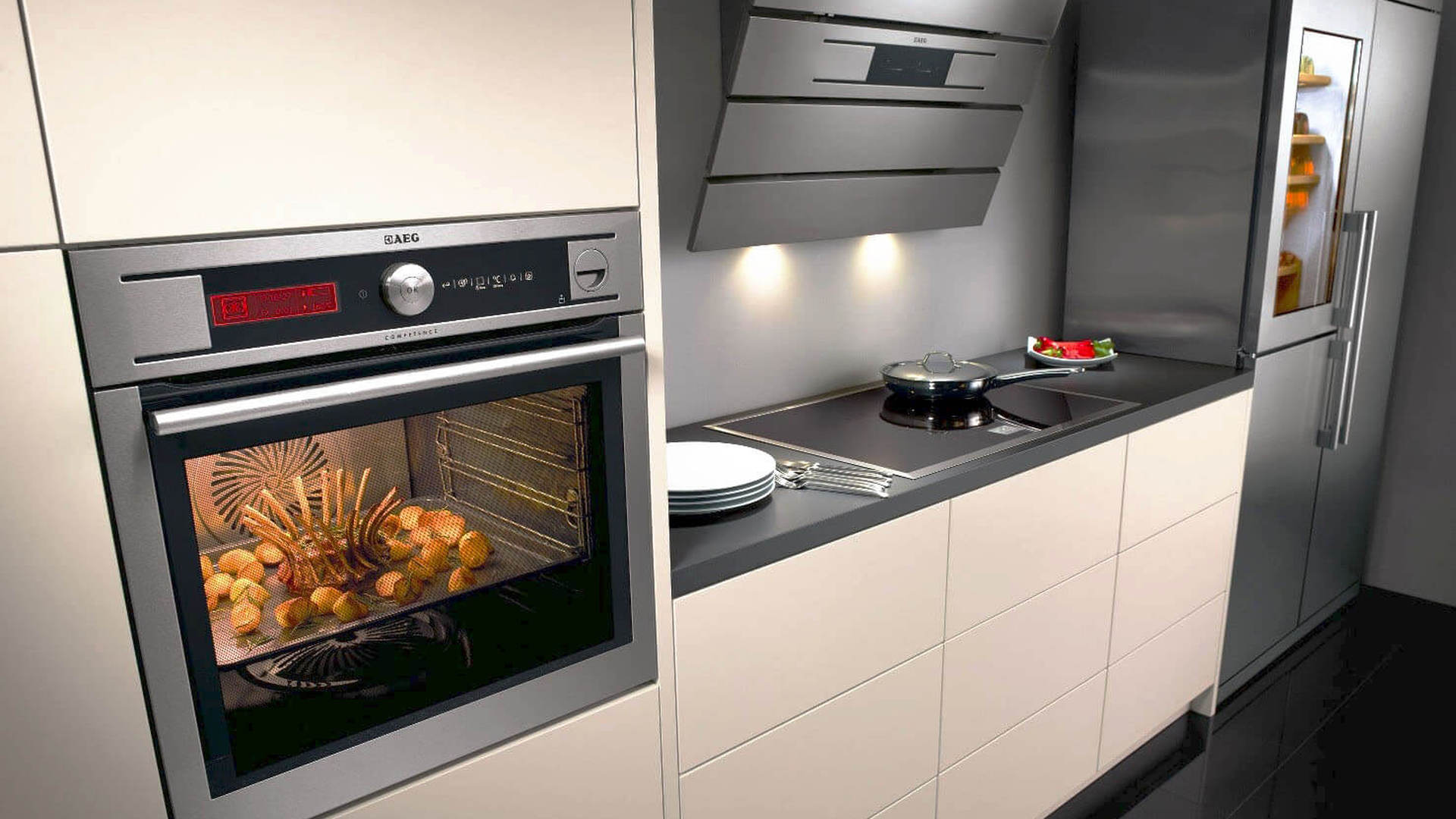
In conclusion, choosing a kitchen oven
When reviewing all the characteristics of the appliance, do not forget about manufacturers. Dozens of brands offer to buy ovens promising extensive functionality. But the ease of use and durability can only be learned from owner reviews. And even the most well-known brands can have issues.
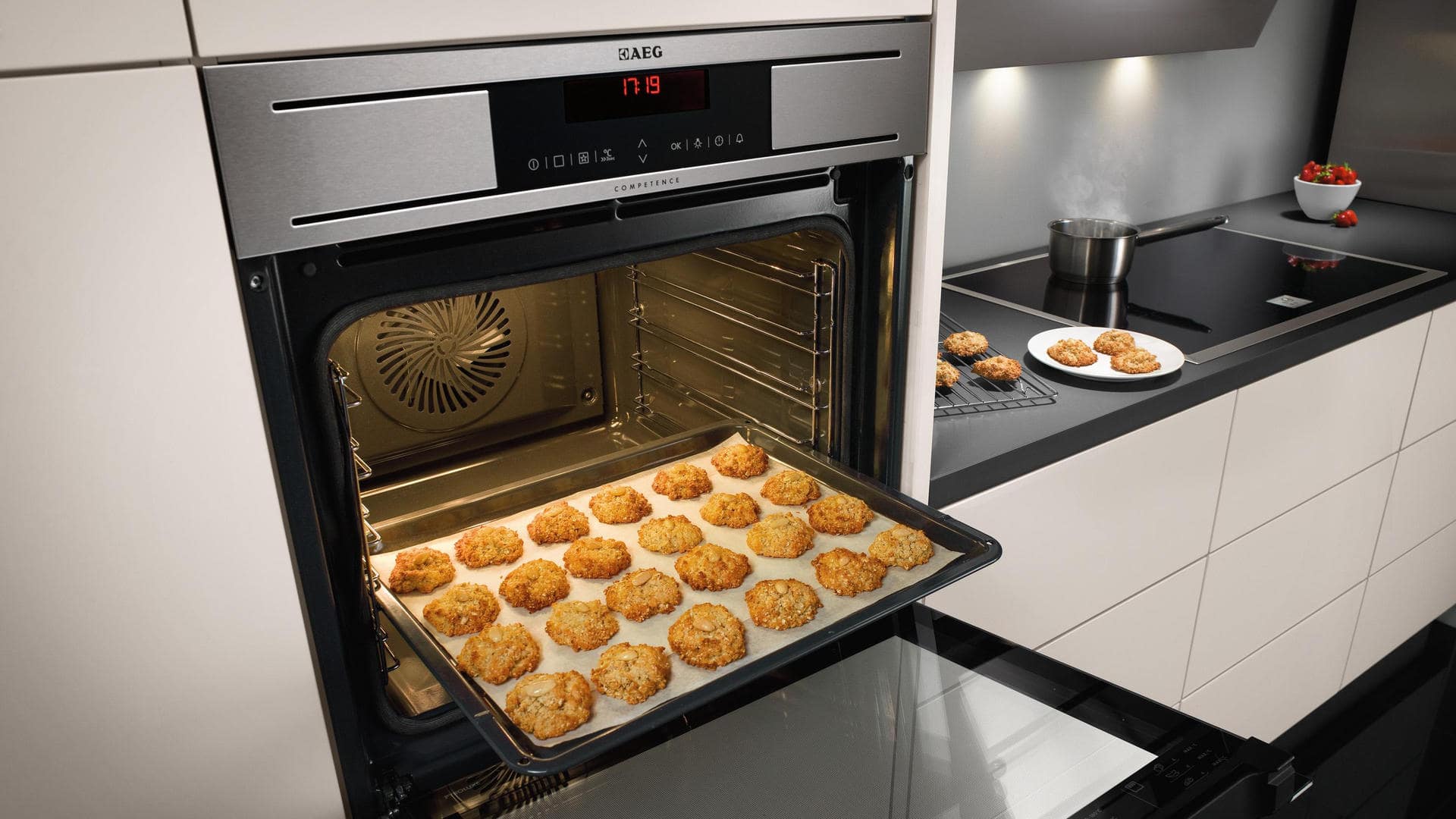
If you dream of impeccable quality – prefer brands like Bosch, Siemens, Candy, Gorenje, Whirlpool. Want something cheaper – choose kitchen appliances from a manufacturer that has a service center in your city.